
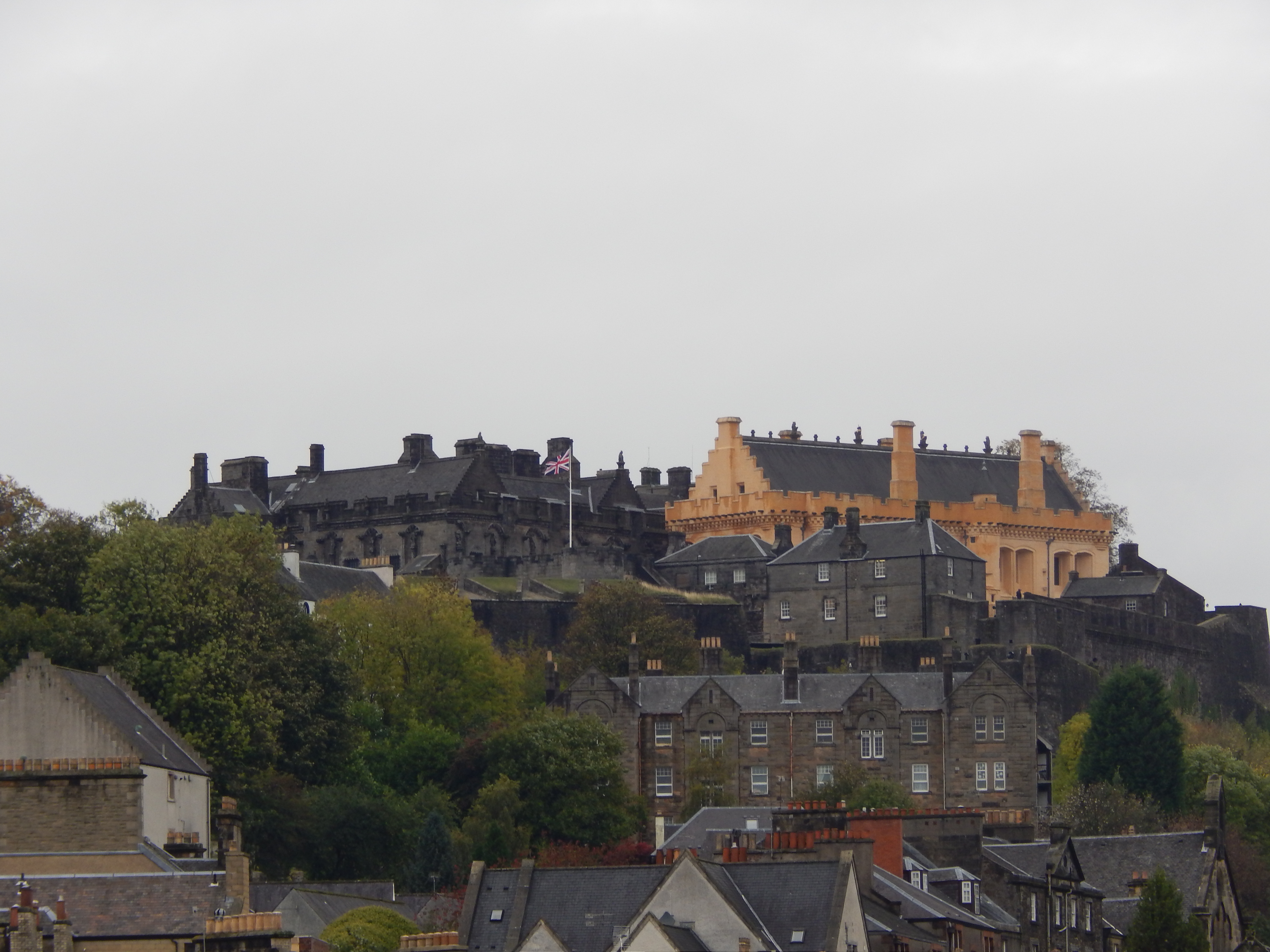
Stirling Castle
20 October, 2013
Last full day in Glasgow today. Time to get the kit sorted into the ruck and prepare to head south to Bath tomorrow morning. It will be six hours on three different trains to get there. I will change at Birmingham and Bristol. I plan to stay in bath for three nights, allowing ample time to experience the natural hot water available there as well as make a day trip to the nearby town of Glastonbury.
The last three days I have gotten back into the tourist mode a bit more, taking a day trip to Stirling on Friday, and taking a last-minute decision to spend Saturday at a conference in Edinburgh. I have thoroughly enjoyed my time here in Glasgow visiting my friend who I haven’t seen for many years. My thoughts on Glasgow will be the subject of a separate post to follow, however.
On to Stirling, then.
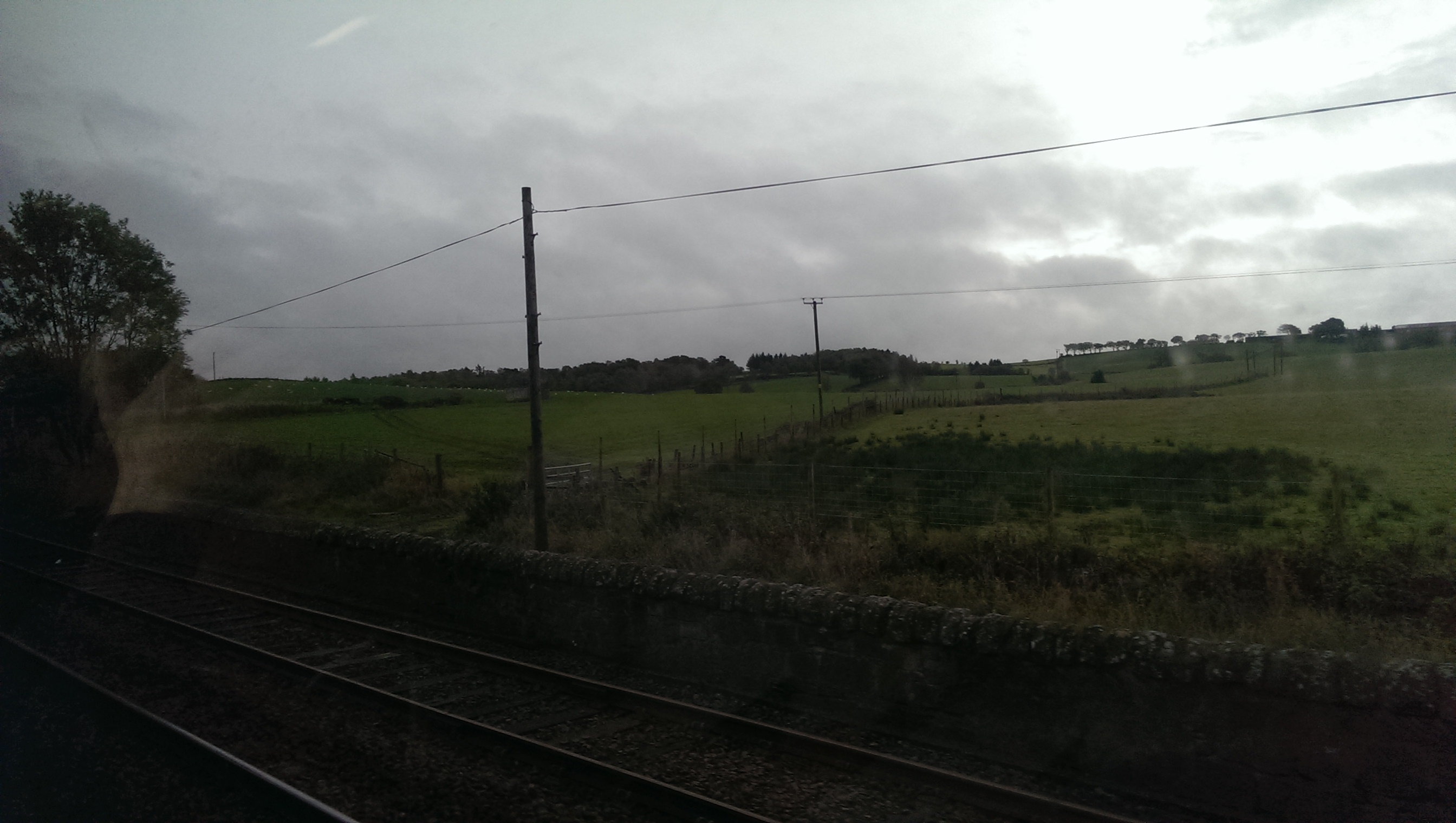
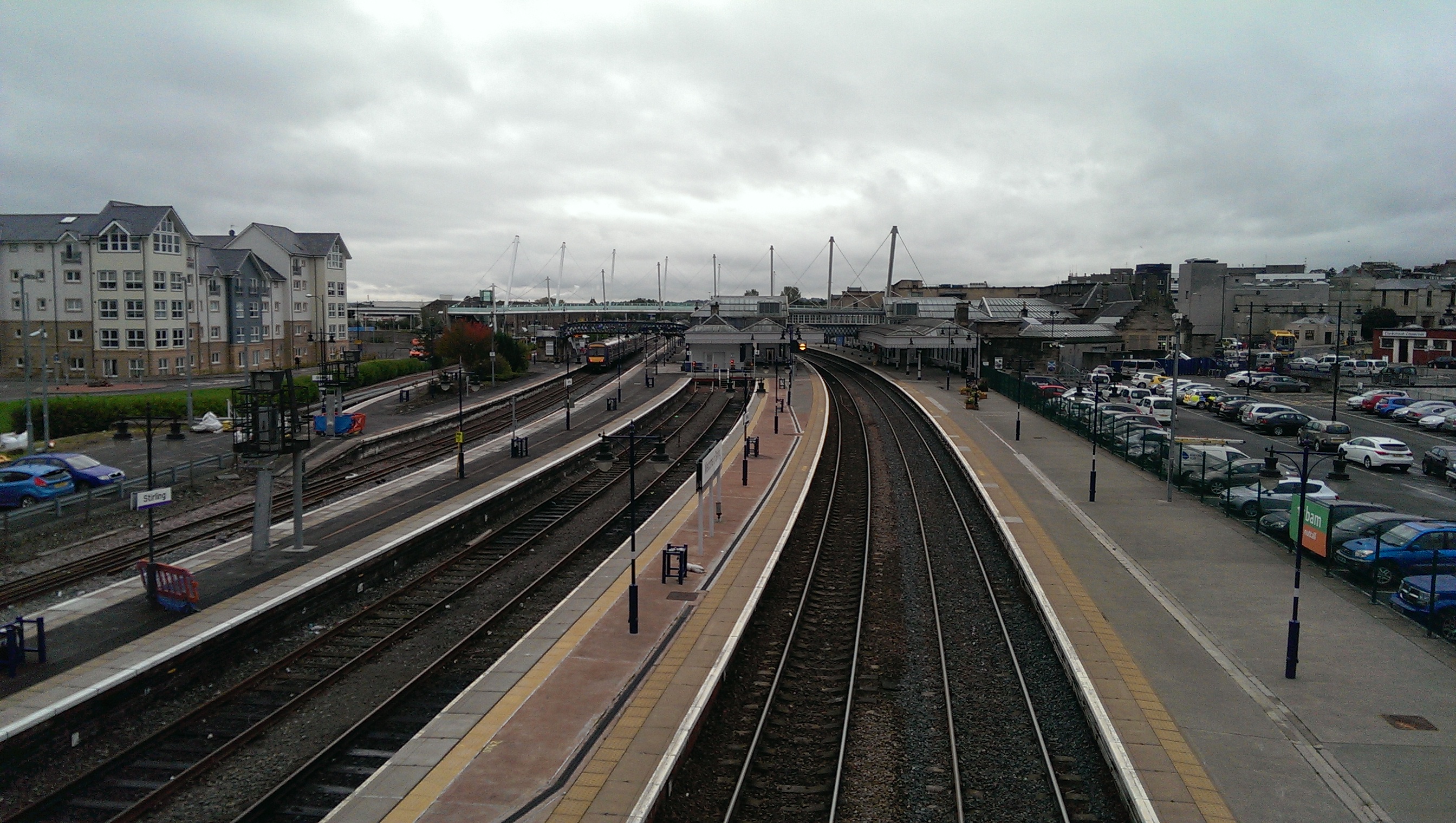
Stirling Station
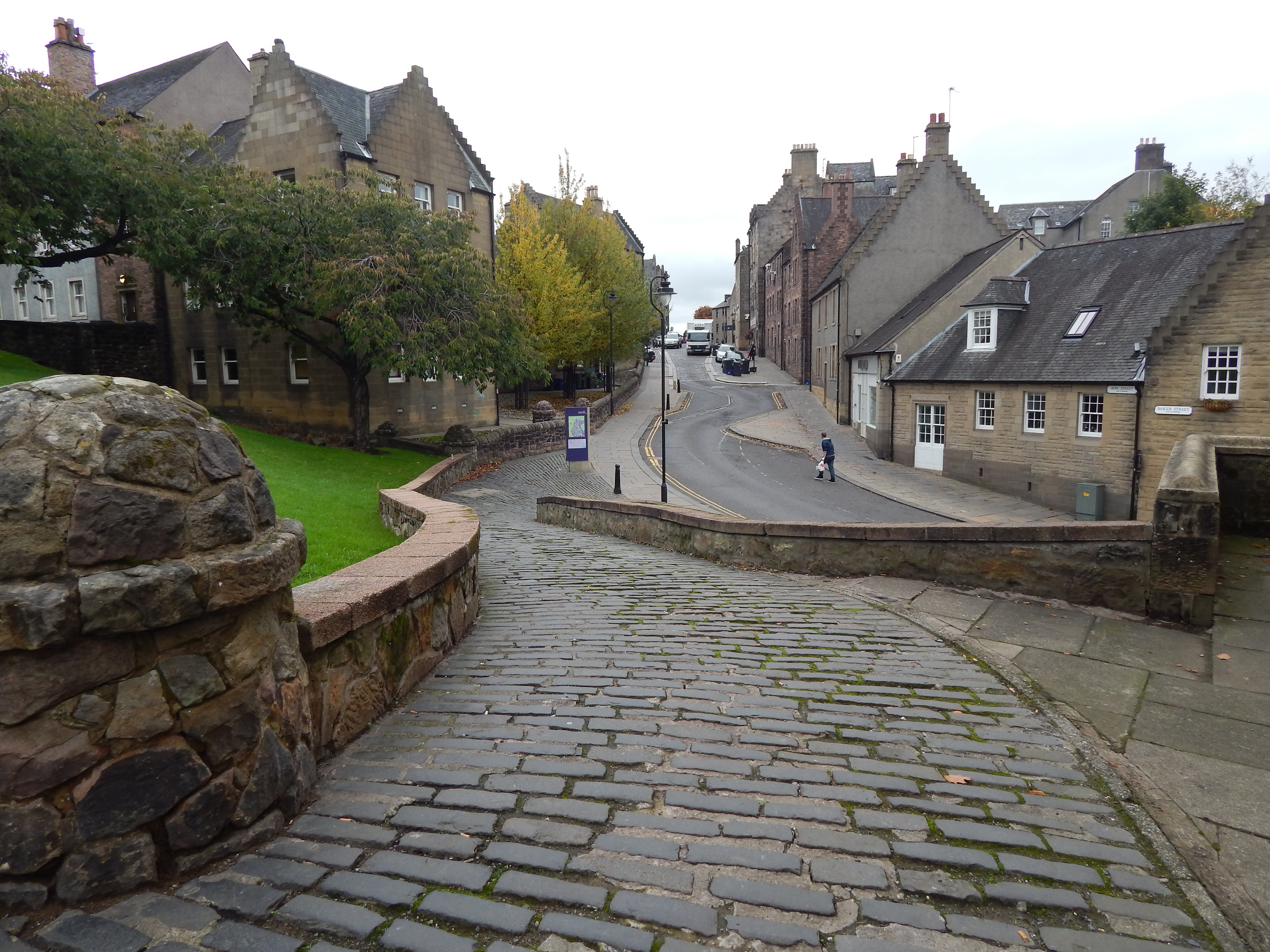
I was up early Friday to catch a train to Stirling. The town is important in Scottish history as the gateway to the Highlands. The town at the foothills of the mountains of northern Scotland has been settled since the stone age. The bridge over the River Forth was the furthest downstream crossing below the highlands until the 1930s. The rocky crag (an intrusion of basaltic volcanic rock shaped by subsequent glacial flow) where the castle sits atop the town is thought to have been used as a strategic defensive position since the bronze-age. Stirling Castle itself dates to the 12th century, with the oldest structures remaining dating to the late 14th century. The old town is quite charming, built on the east side of Castle Hill with streets lined with buildings getting progressively older as the streets near the church and castle.
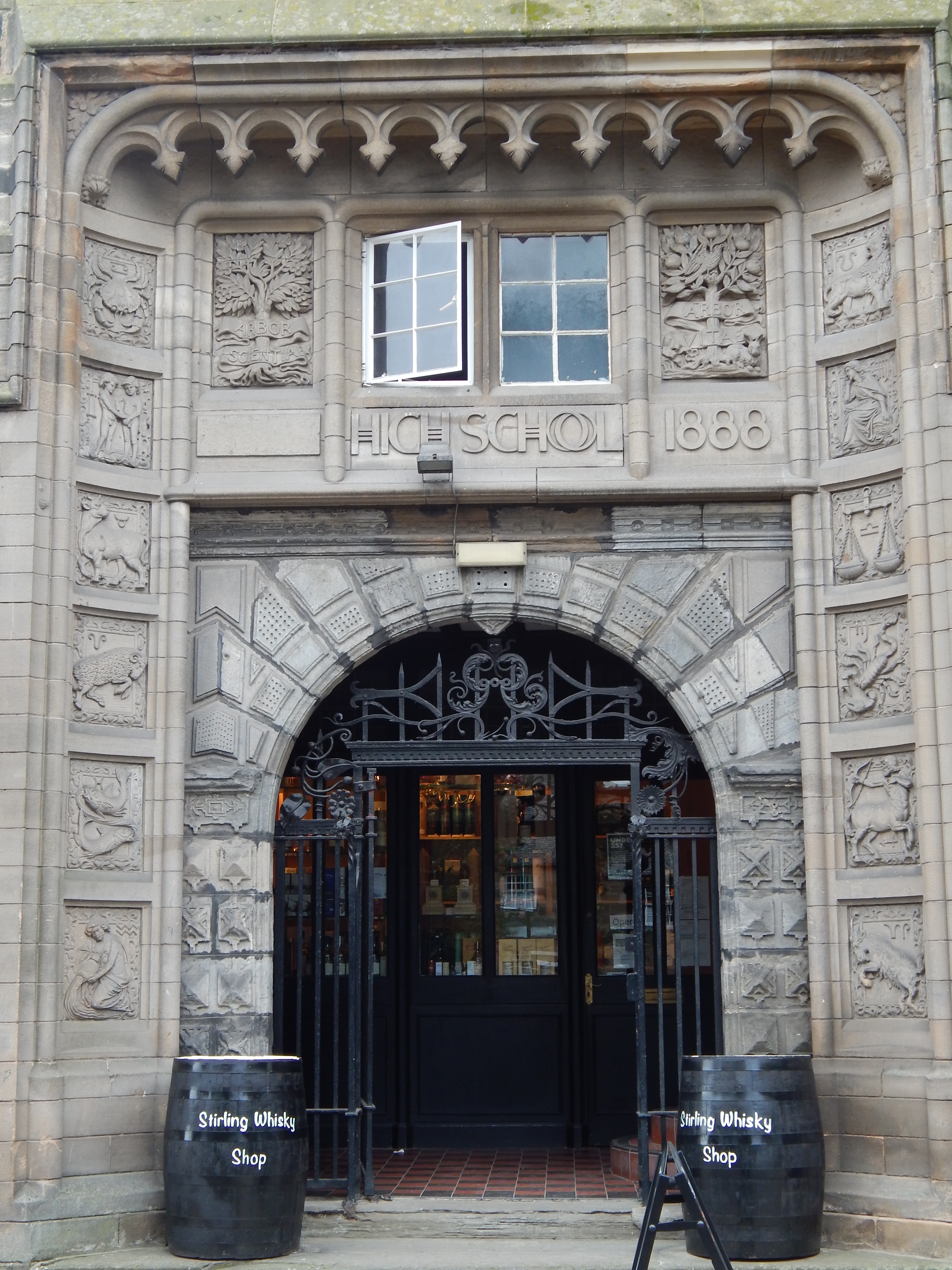
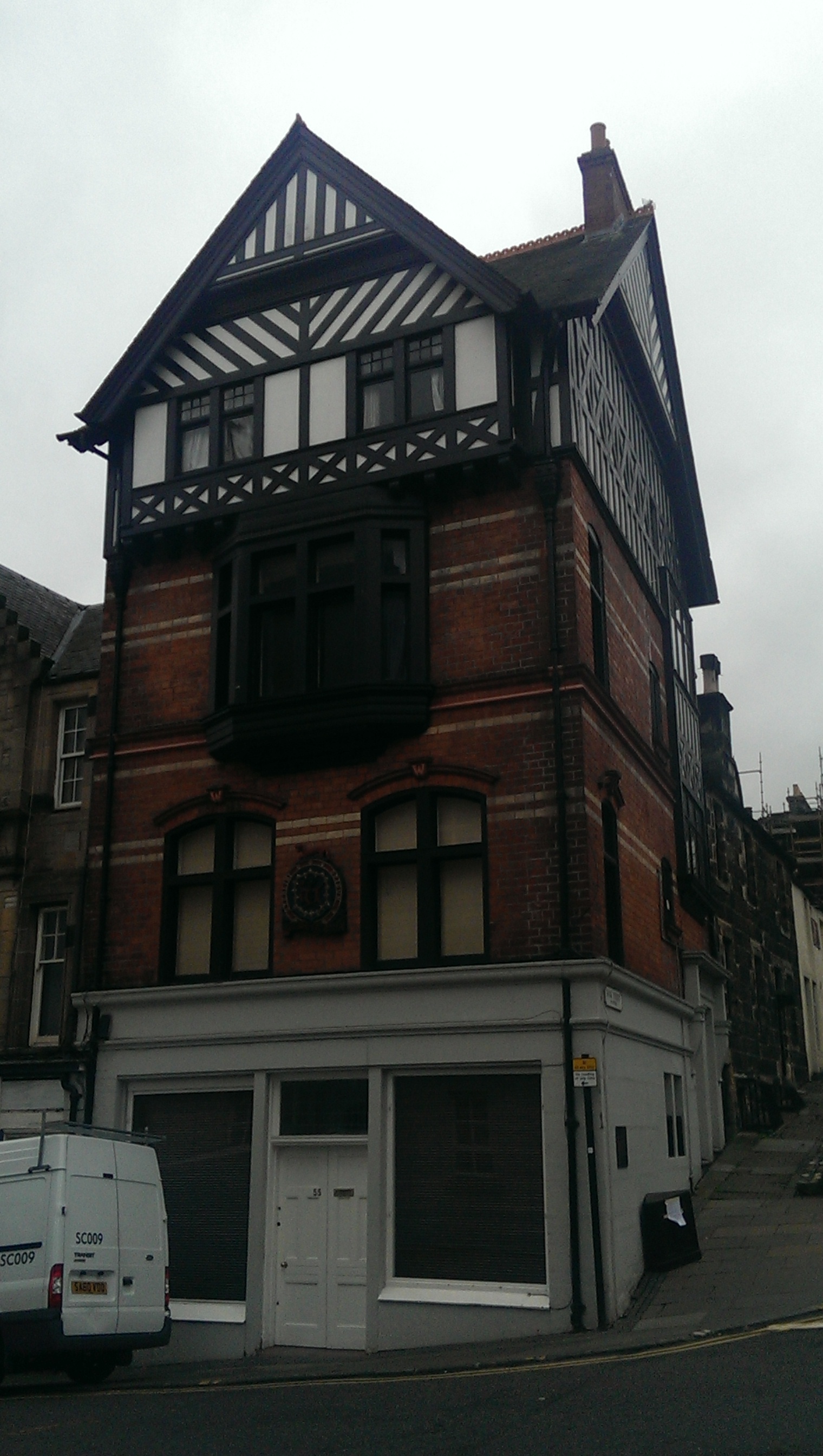
16th century portal on late 19th century building. Carvings around the door are the signs of the zodiac.
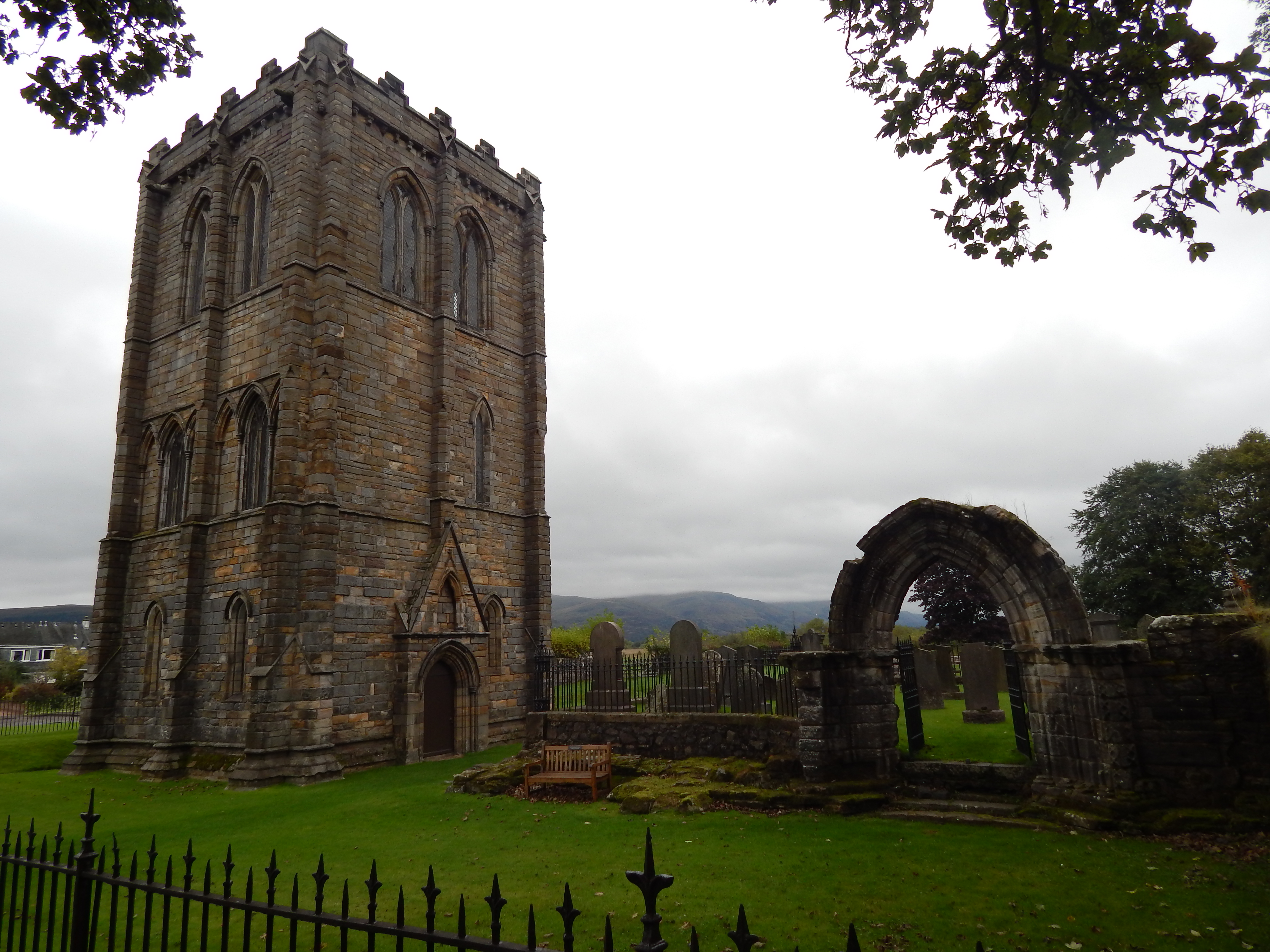
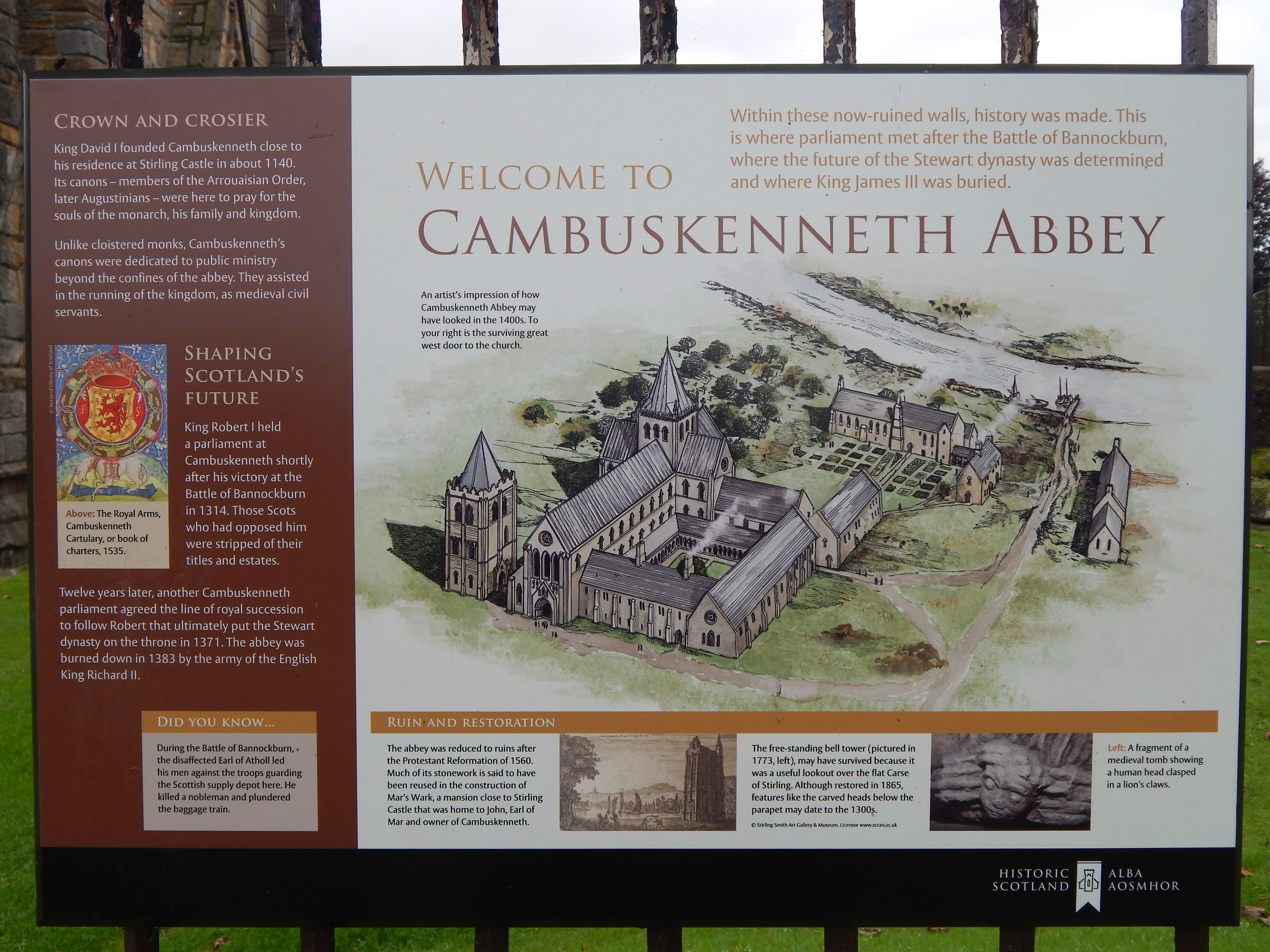
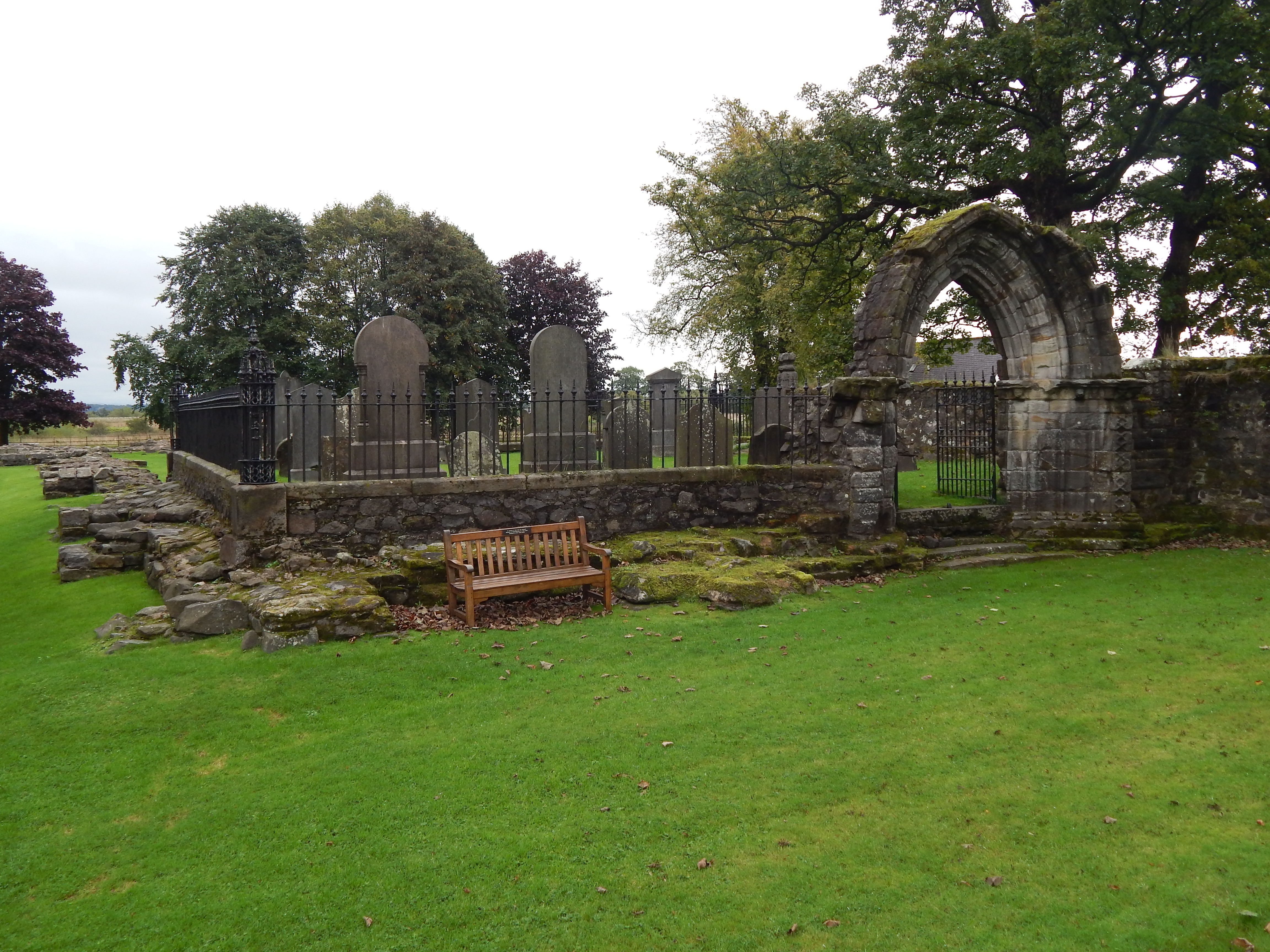
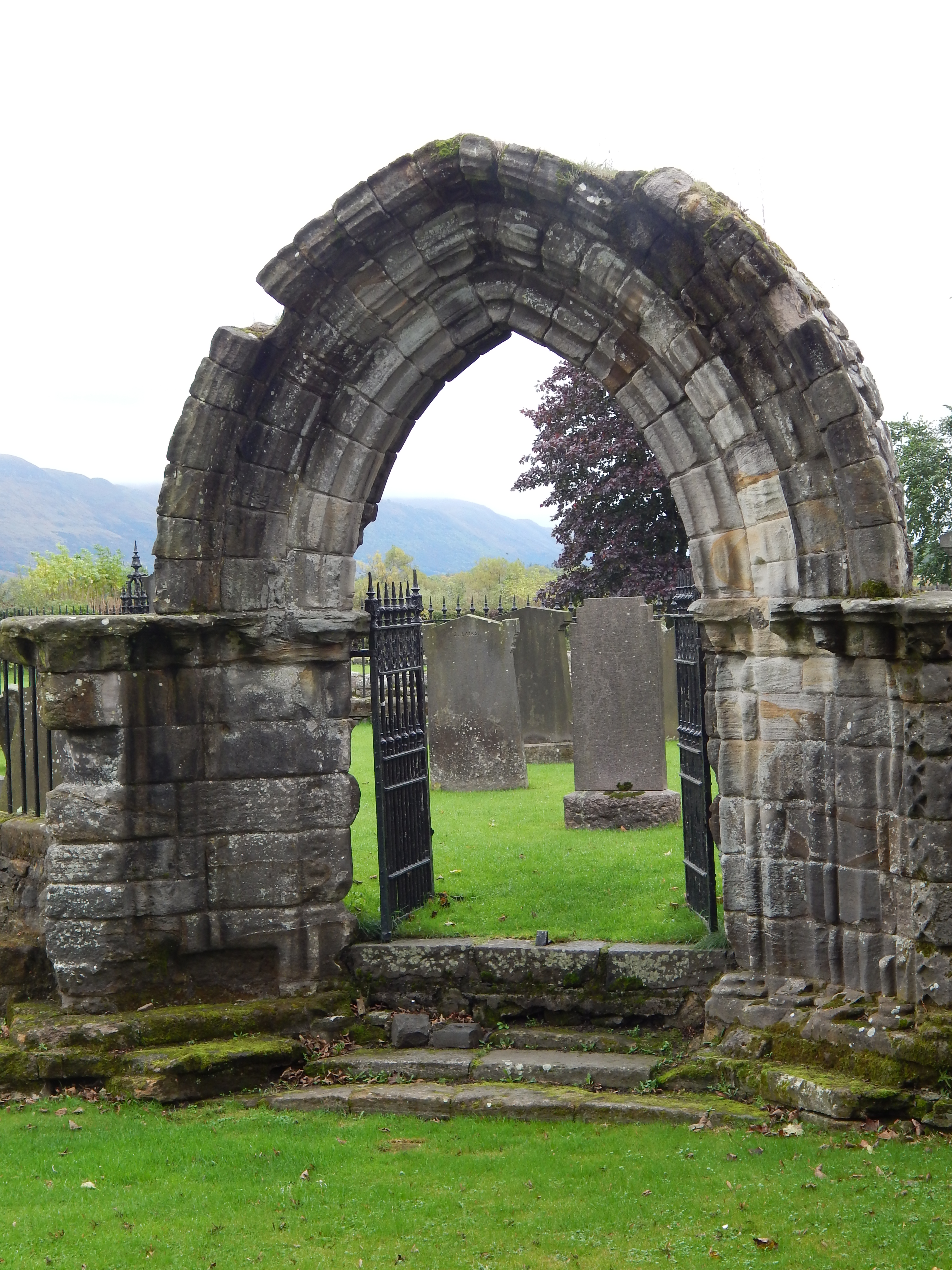
Before climbing the hill to spend the afternoon at the castle, I walked to the once separate village of Cambuskenneth, a mile to the east. Here are the ruins of an Abbey founded in the 12th century that fell into disuse following the 16th century Scottish Reformation. After he was killed at the nearby Battle of Sauchie, King James III was buried at the Abbey. There is a monument commissioned by Queen Victoria in the 19th century atop the tomb of the fallen monarch. It is also thought that one William Wallace’s arms was buried here after his brutal execution in London. All that remains today are the 13th century bell tower and western doorway of the abbey church. After the destruction of the church in the 15th century, the stone was used by John Erksine, First Earl of Mar, Governor of Stirling Castle, in the construction of his renaissance palace, Mar’s Wark, the ruins of which stand near the Church of the Holy Rood on Castle Hill.


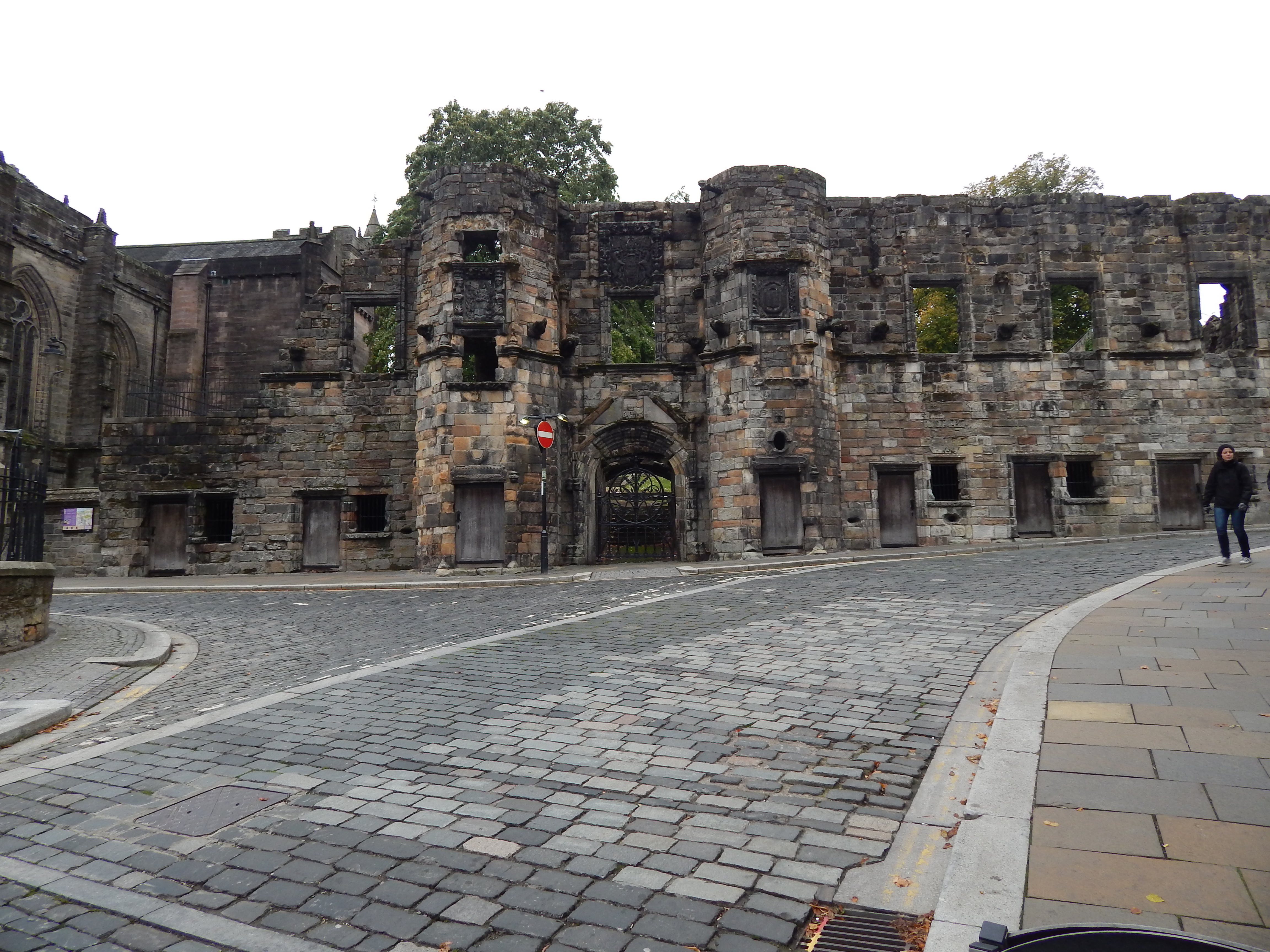
Mar’s Wark, built of stone from the abbey church.
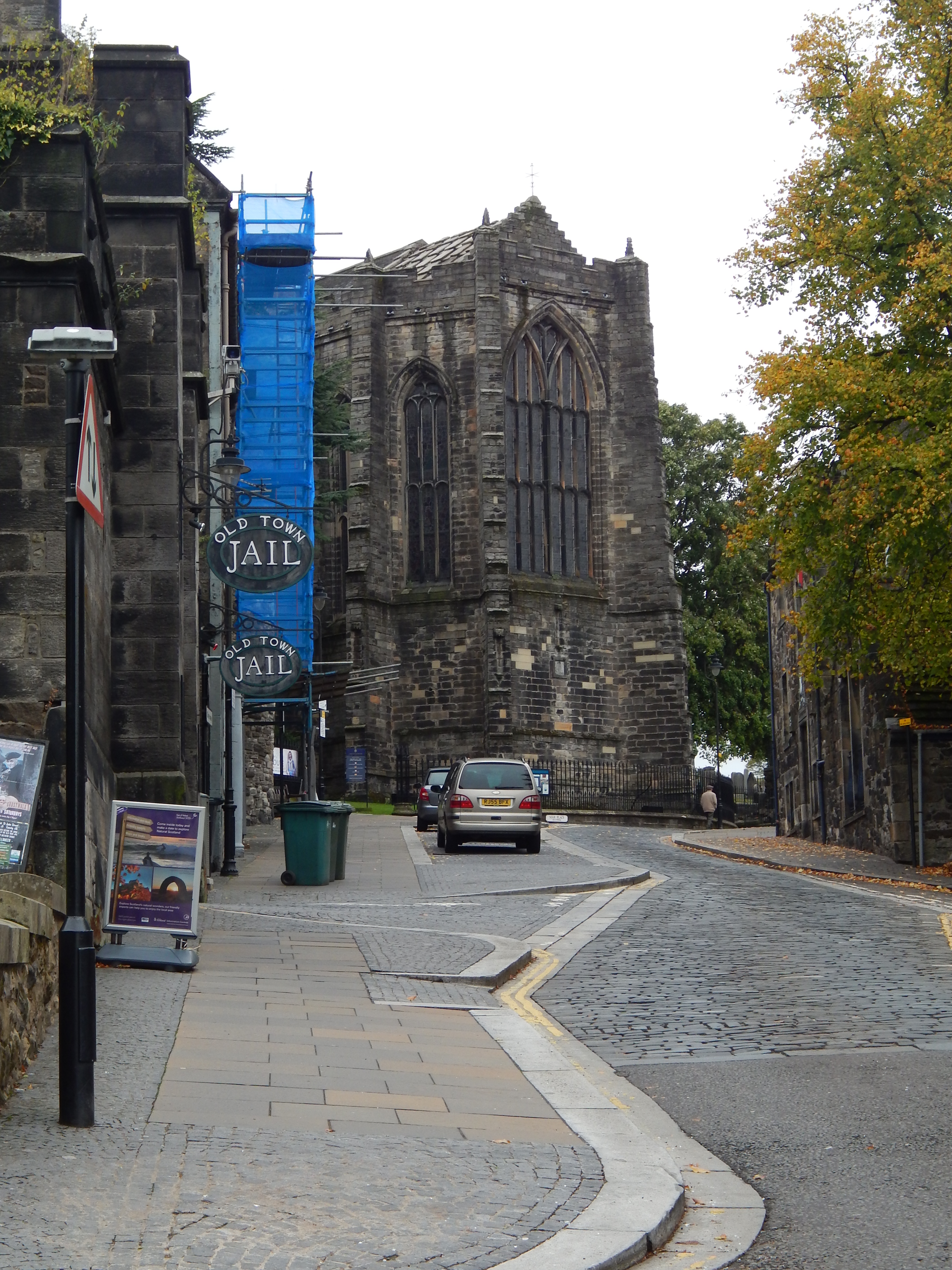
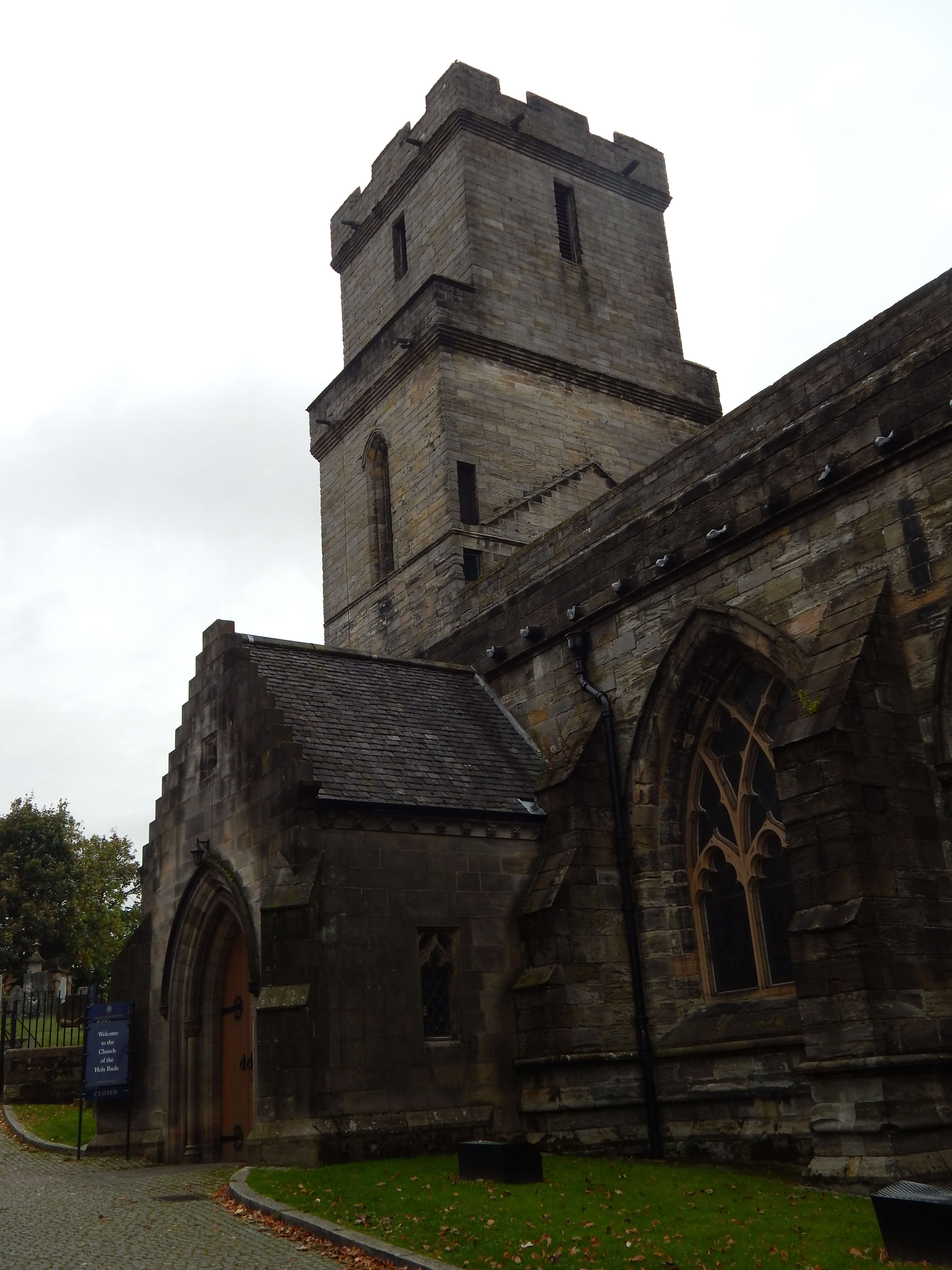
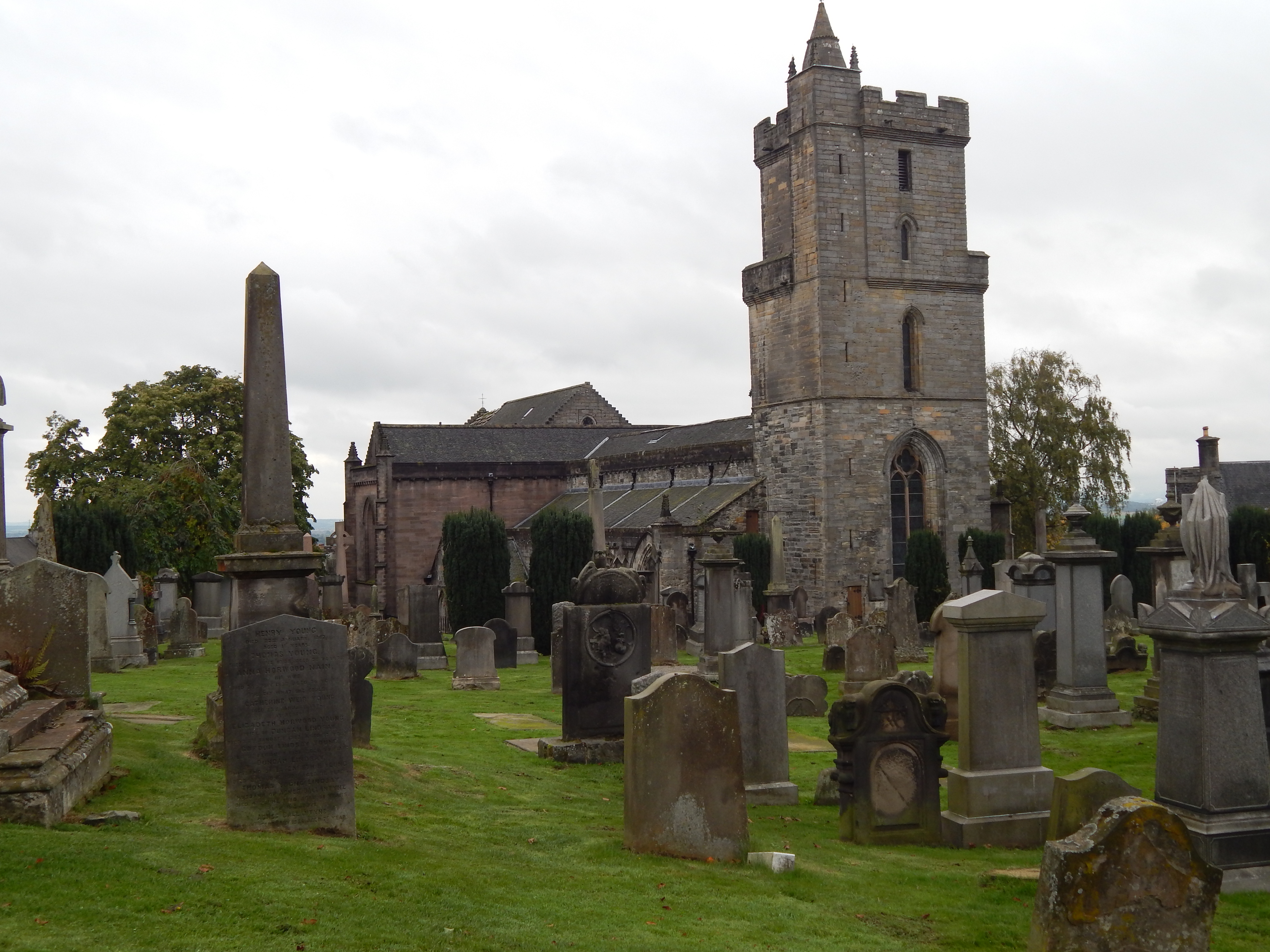
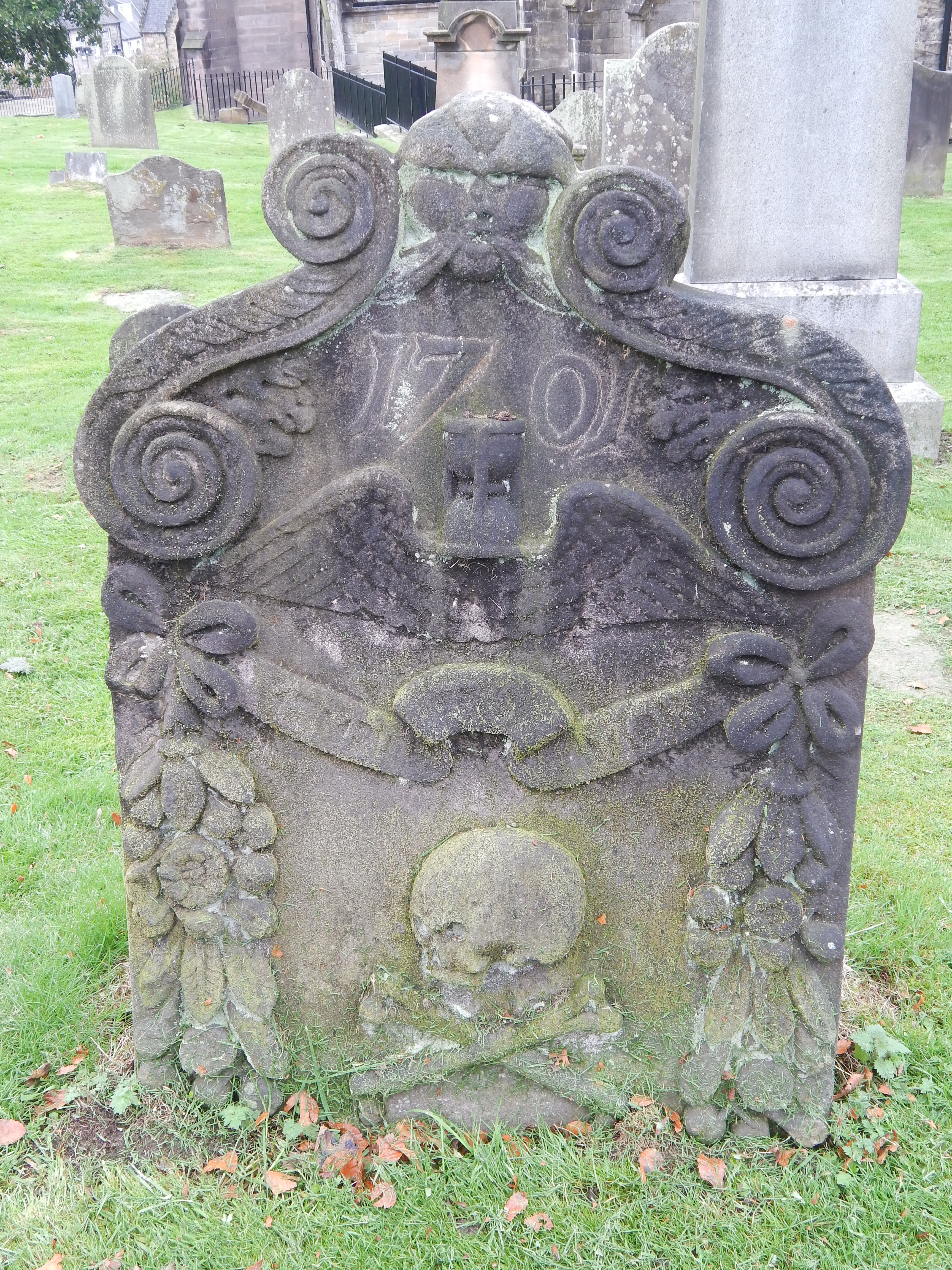
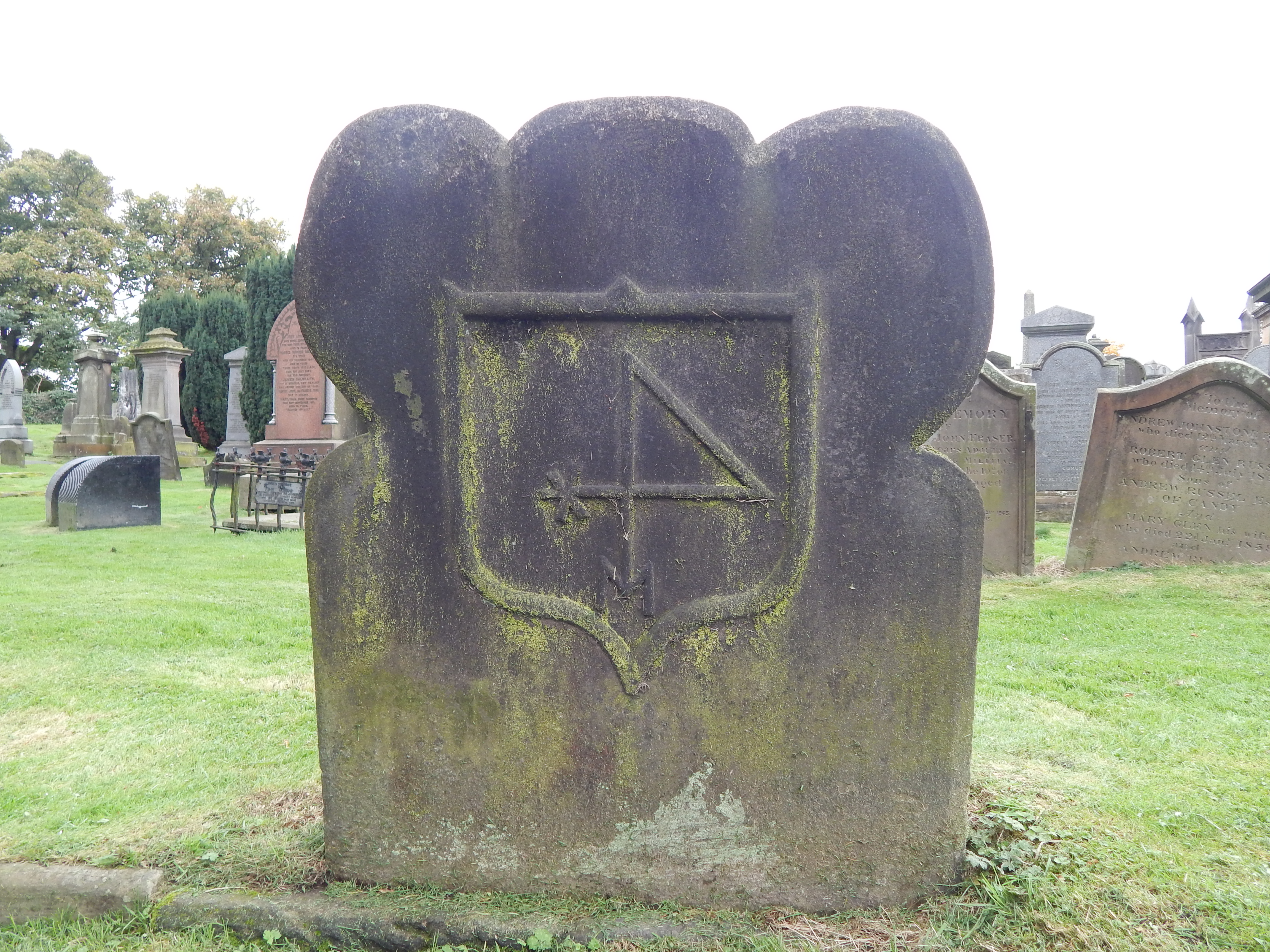
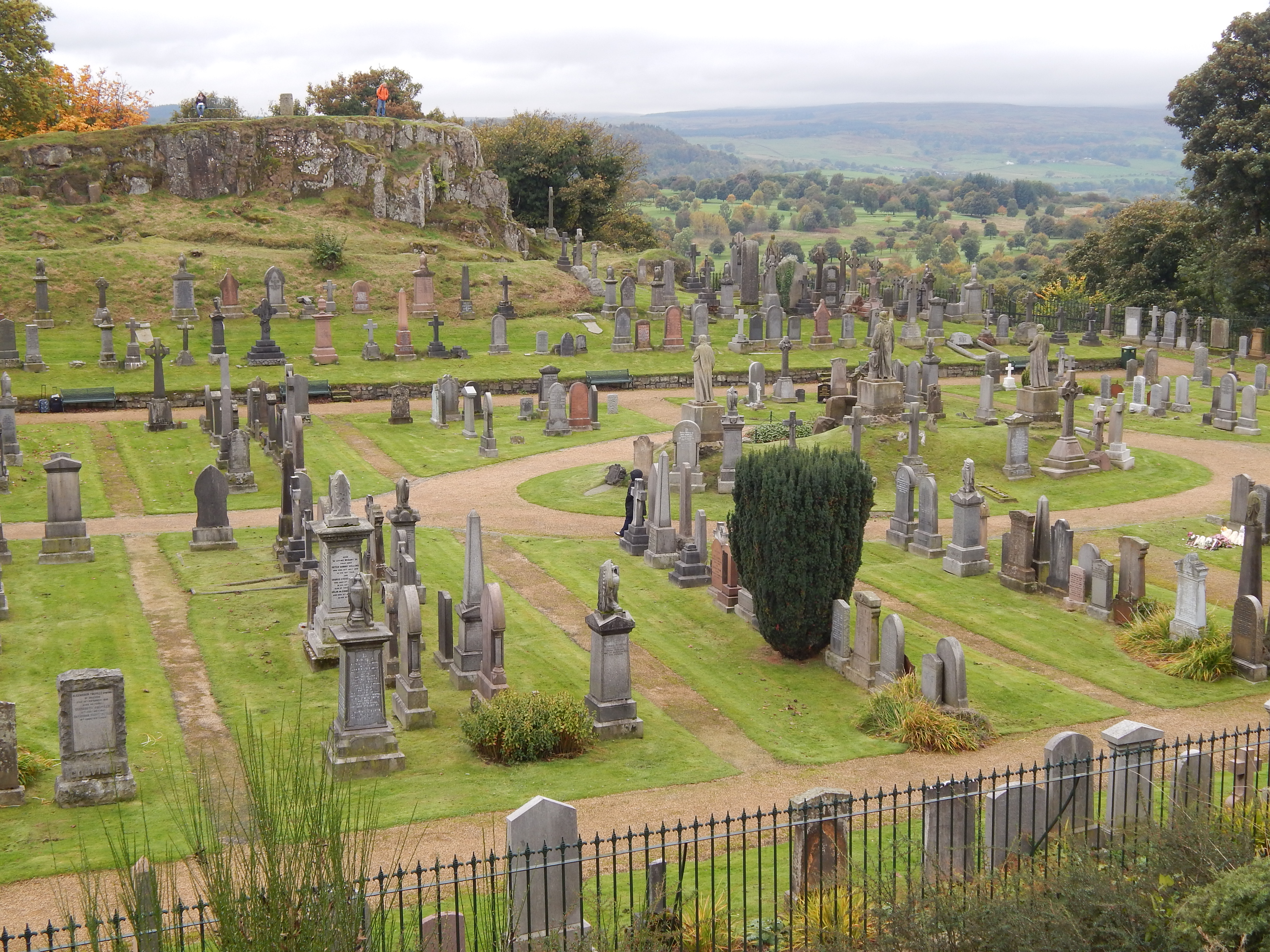
Many of the historic monuments are not open past September. As was the case with the abbey ruins, the Church of the Holy Rood was closed for the season. Really, that just gives me another reason to come back to Scotland in the summertime. The church dates to the middle to late Gothic period (15th-16th century), and is, in the English style, heavier and not as lofty as the Continental buildings of the same period. There is an extensive churchyard with graves dating to the 17th century, probably earlier. The earliest date I found was 1701, though many stones are long since deteriorated past the point of knowing what was inscribed on them. The space between the Church and the Castle, and then the land on the north side of the Castle is a sprawling graveyard with monuments primarily dating from the late 19th century to the modern-day.
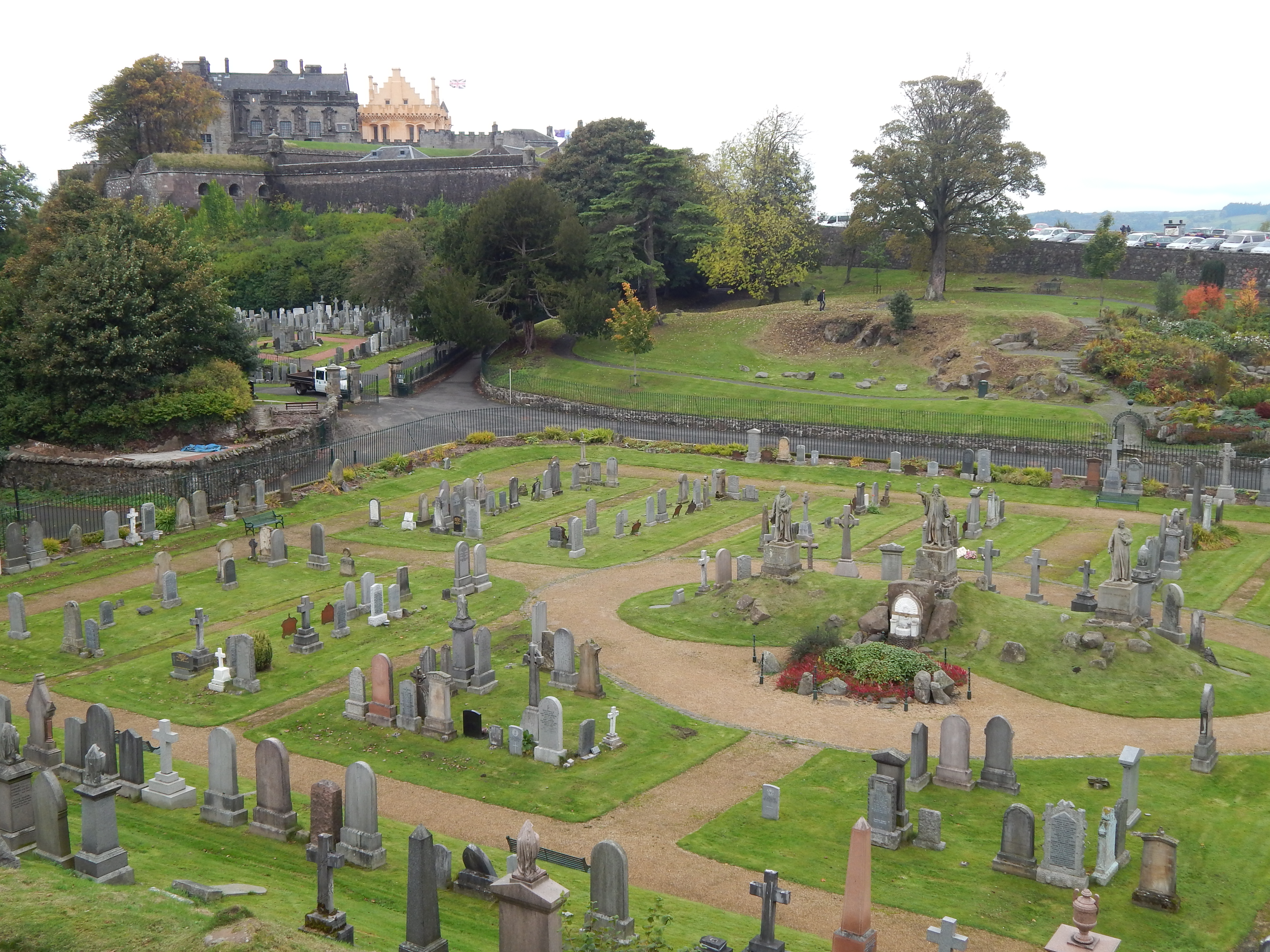
Stirling Castle has been a seat of the Scottish Throne since early in the 12th century. The Castle itself sits atop the crag with cliffs on three sides making it an easily defensible position above the strategically important bridge over the Forth. Robert Bruce, who became King of Scots on the Death of England’s Edward I, had the medieval defenses dismantled in the early 14th century to prevent the English from ever taking and holding the fortress again. The oldest structures remaining (North Gate and the Kitchens) are from this period, while most of the buildings date to the 15th and 16th centuries. The defences were rebuilt and “modernized” during the 18th century Wars of Independence from the English Crown. England, it seems, has always wanted to control the lands here, but the Scots historically want none of that. The Romans didn’t bother much, and built Hadrian’s wall across the whole of the British Isle to keep the wild and whisky soaked warriors from the low and highlands from coming south. Past the artillery placements of the outer defenses, the castle presents a combination of late Gothic idealization of the medieval and a Renaissance palace constructed by King James V. It was here that Mary, Queen of Scots spent her early years after being crowned at the age of nine months following the death of her father James V (he died when she was just 6 days old).
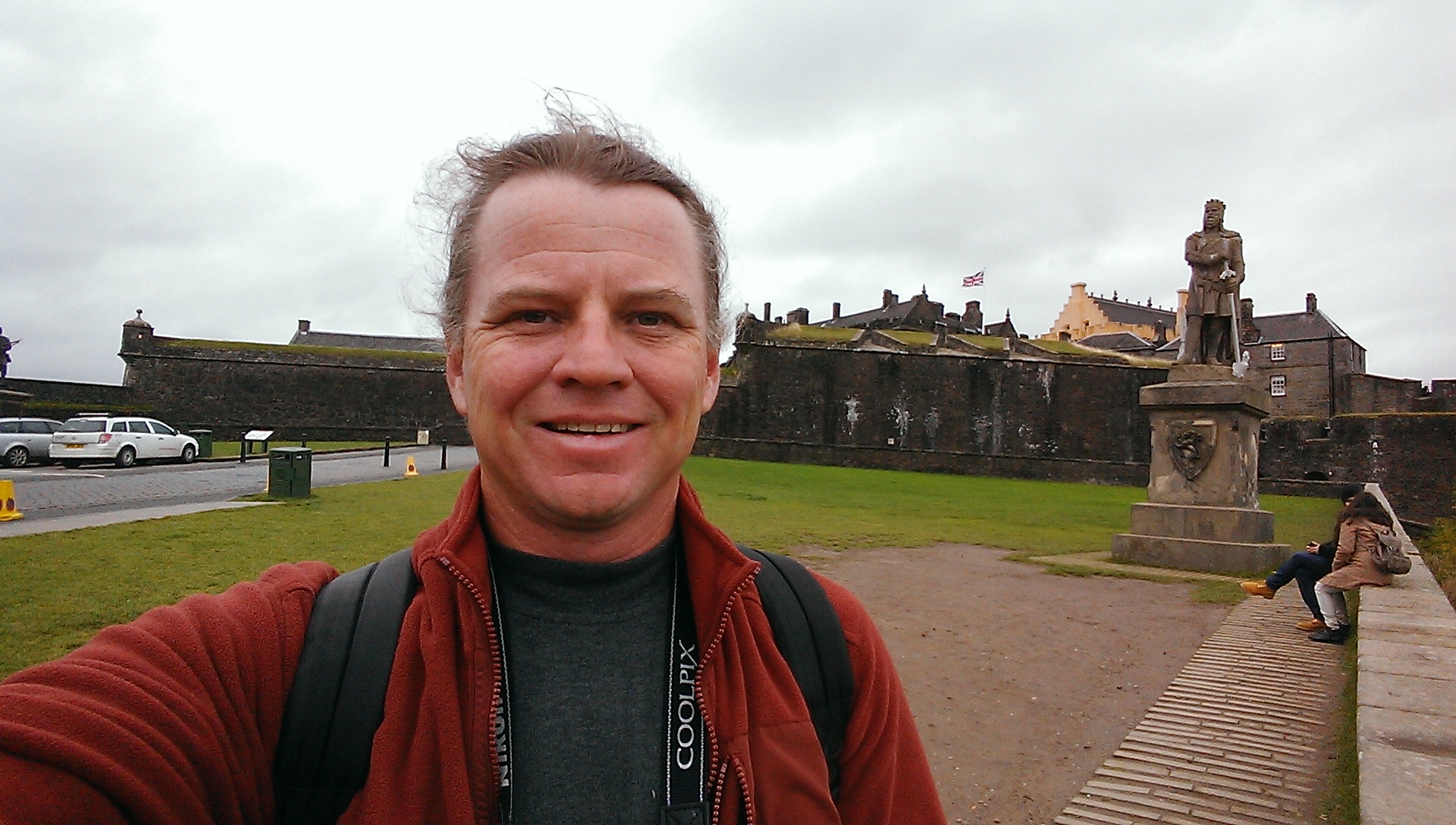
That’s me with castle behind and Robert the Bruce on the right
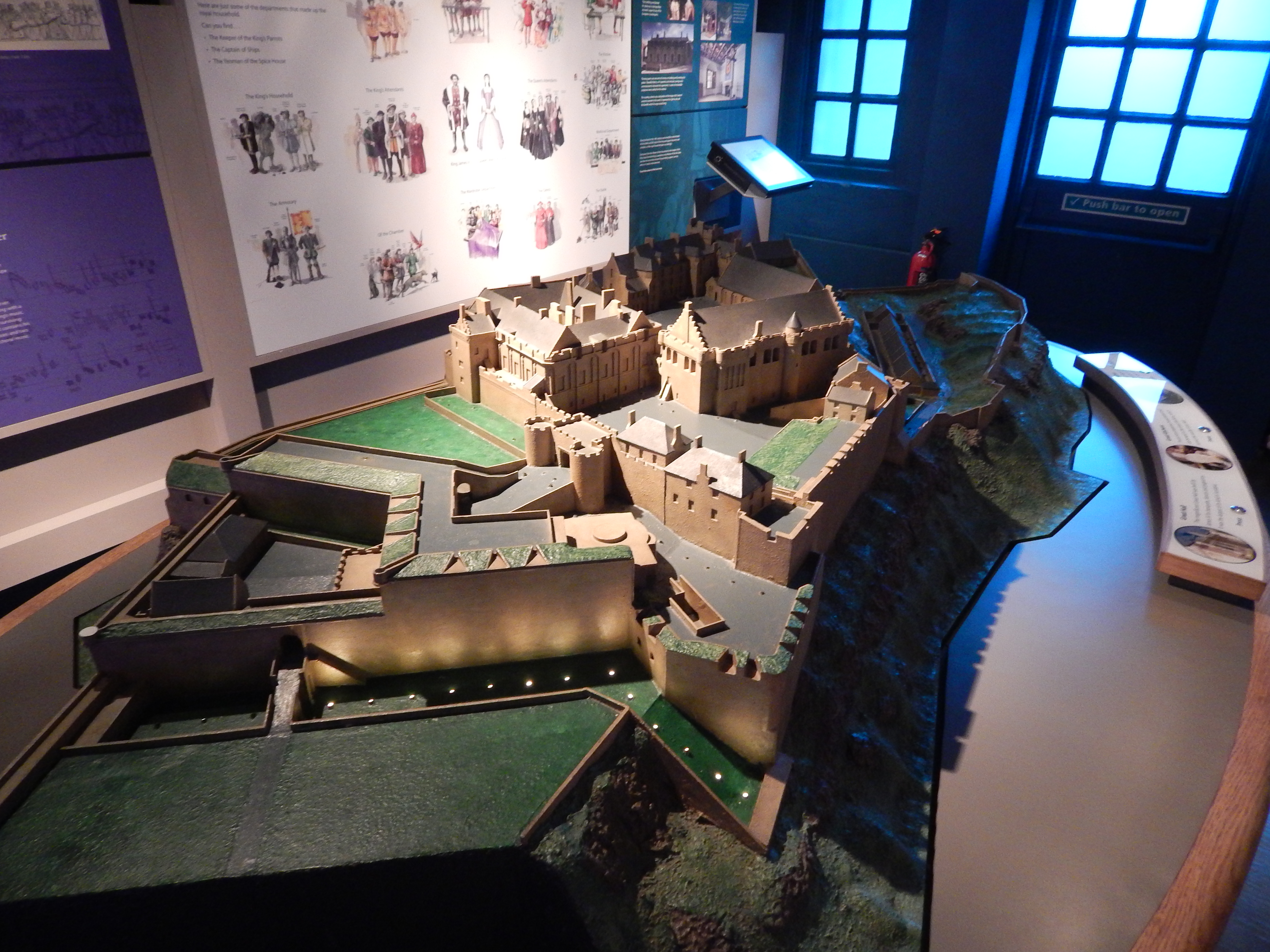
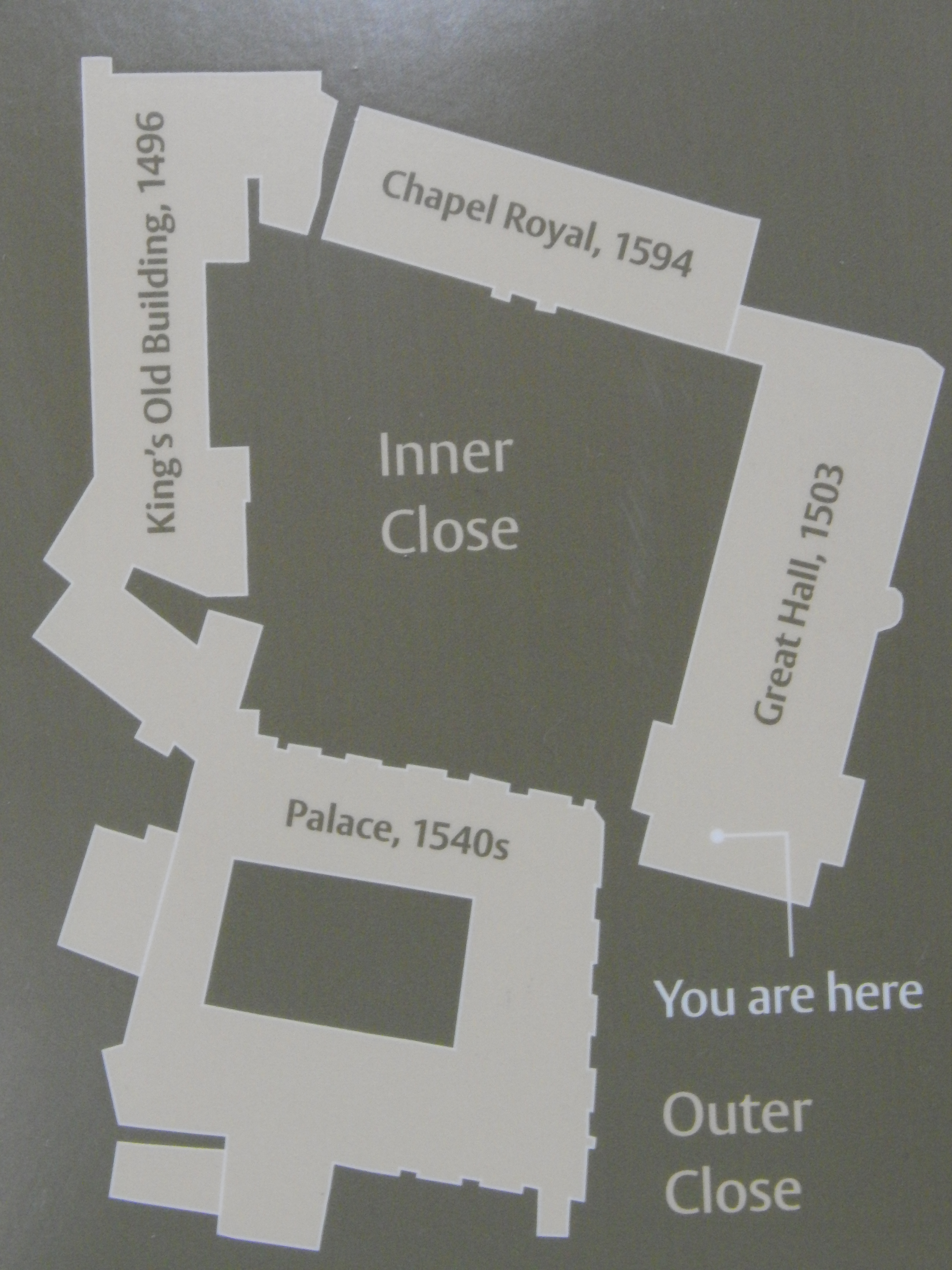
Model showing layout of castle. (Front to back) Outer defences, Forework, Outer Close, Royal Palace (L), Great Hall (R), Inner Close, King’s Old Building (L) and Chapel (R).
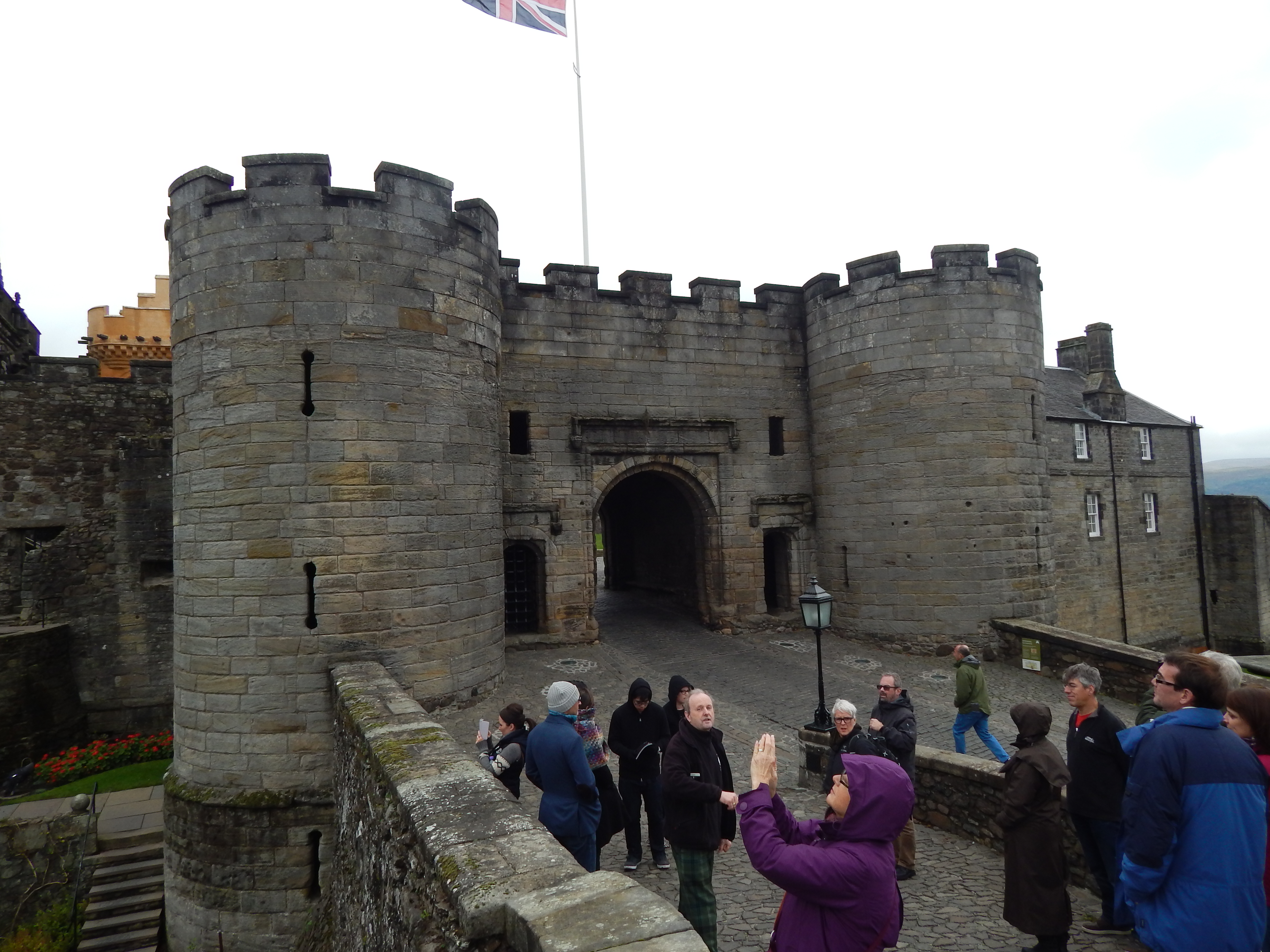
Fifteenth Century Forework
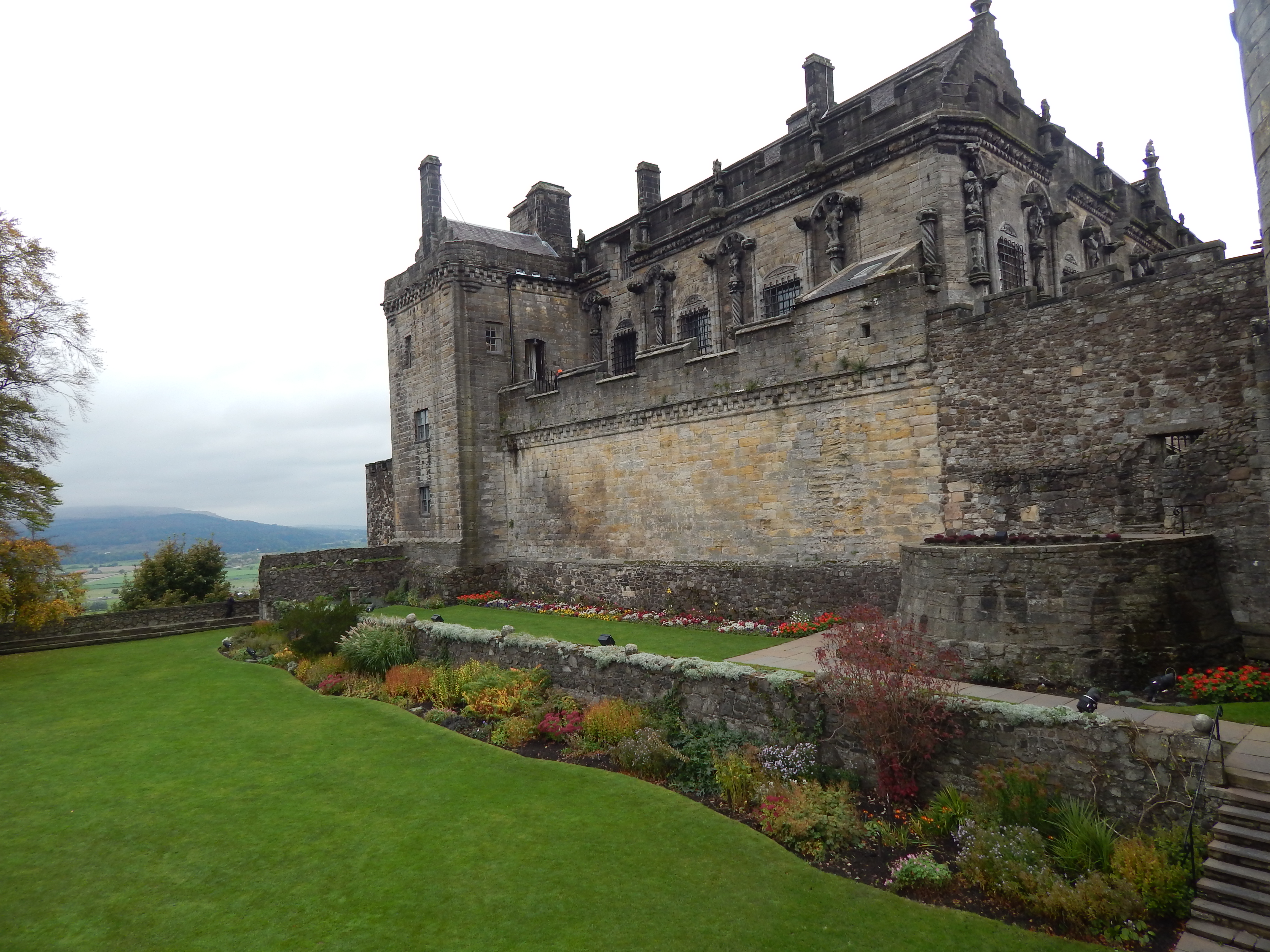
Bowling Green, Prince’s Tower, and Royal Palace
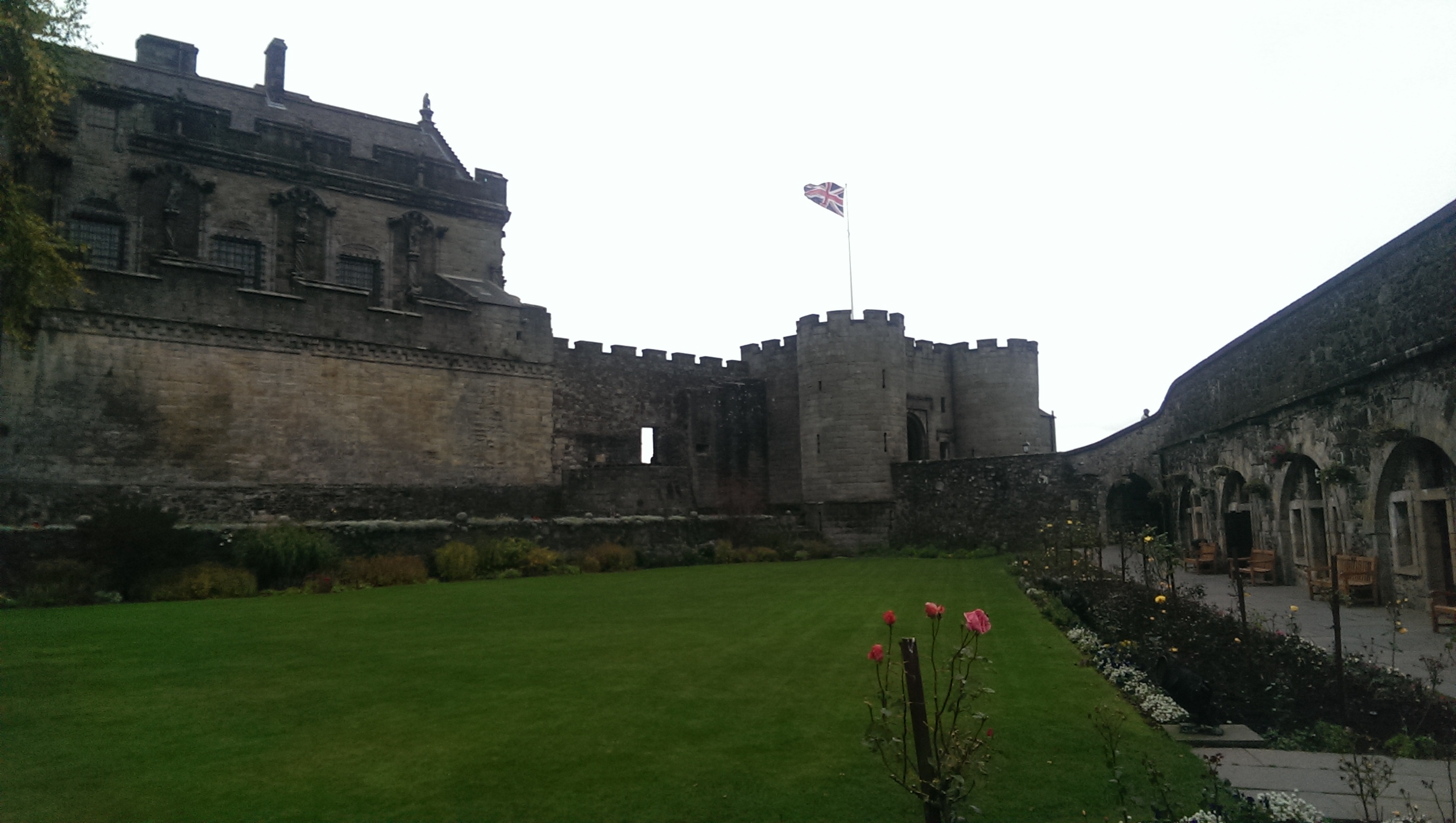
Bowling Green with Royal Palace and Forework
Again, I refer you to the Wikipedia for a wonderfully detailed history of the castle, as I am not here to provide more than an outline of the locations. http://en.wikipedia.org/wiki/Stirling_Castle I prefer to get to my experience of the visit.
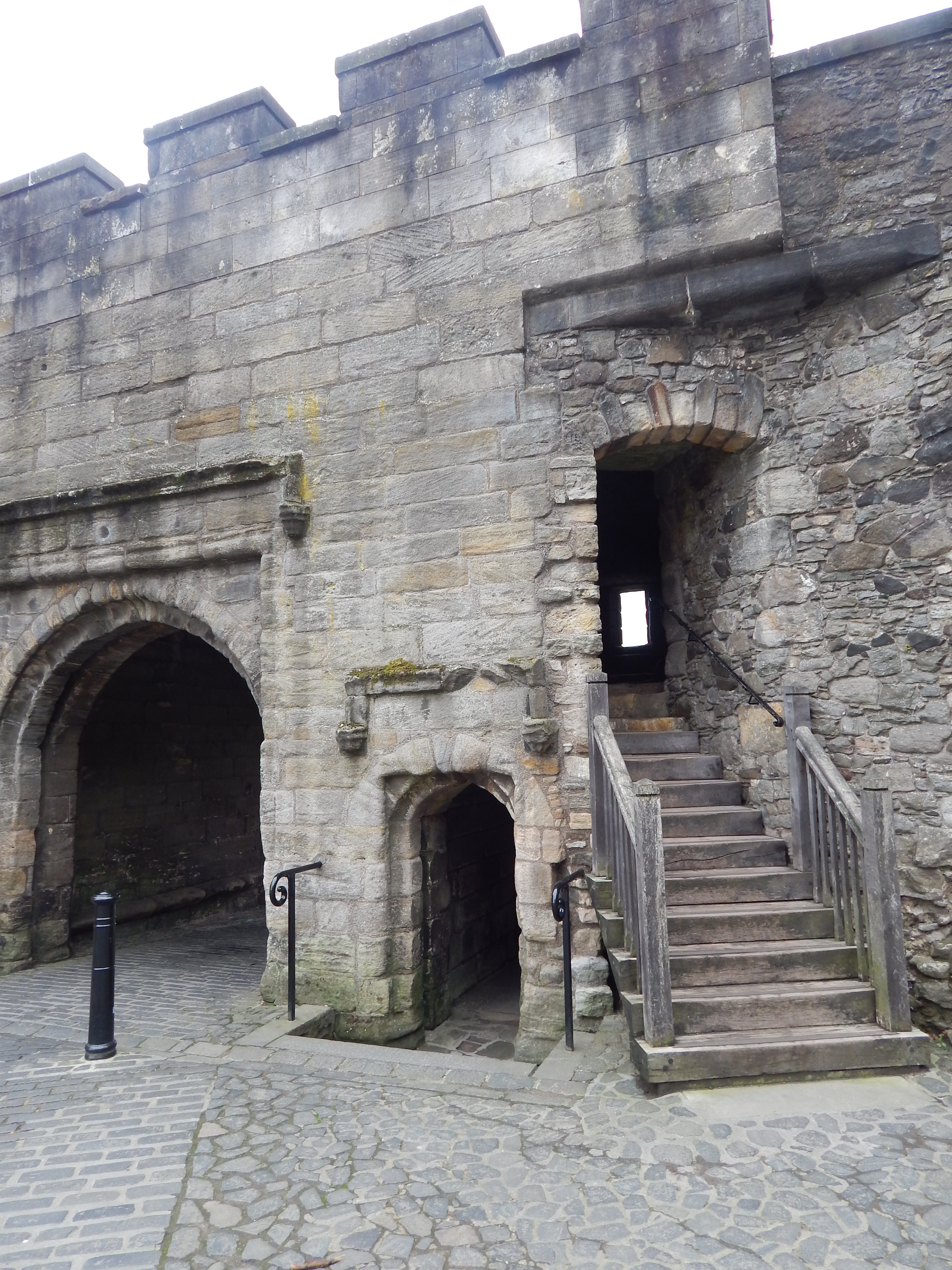
Inner Close side of Forework portal
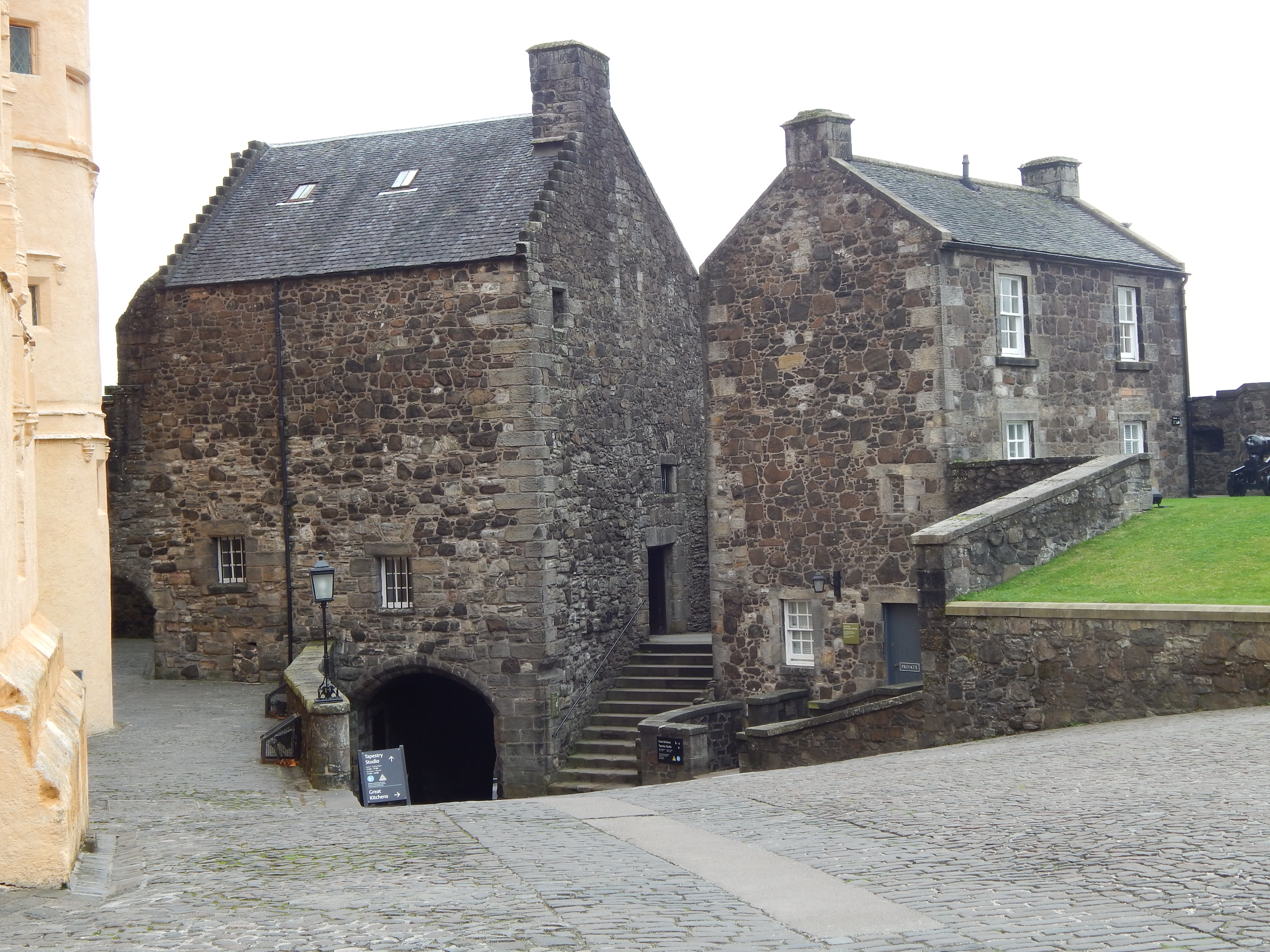
North Gate. Oldest structures remaining, dating to 14th century
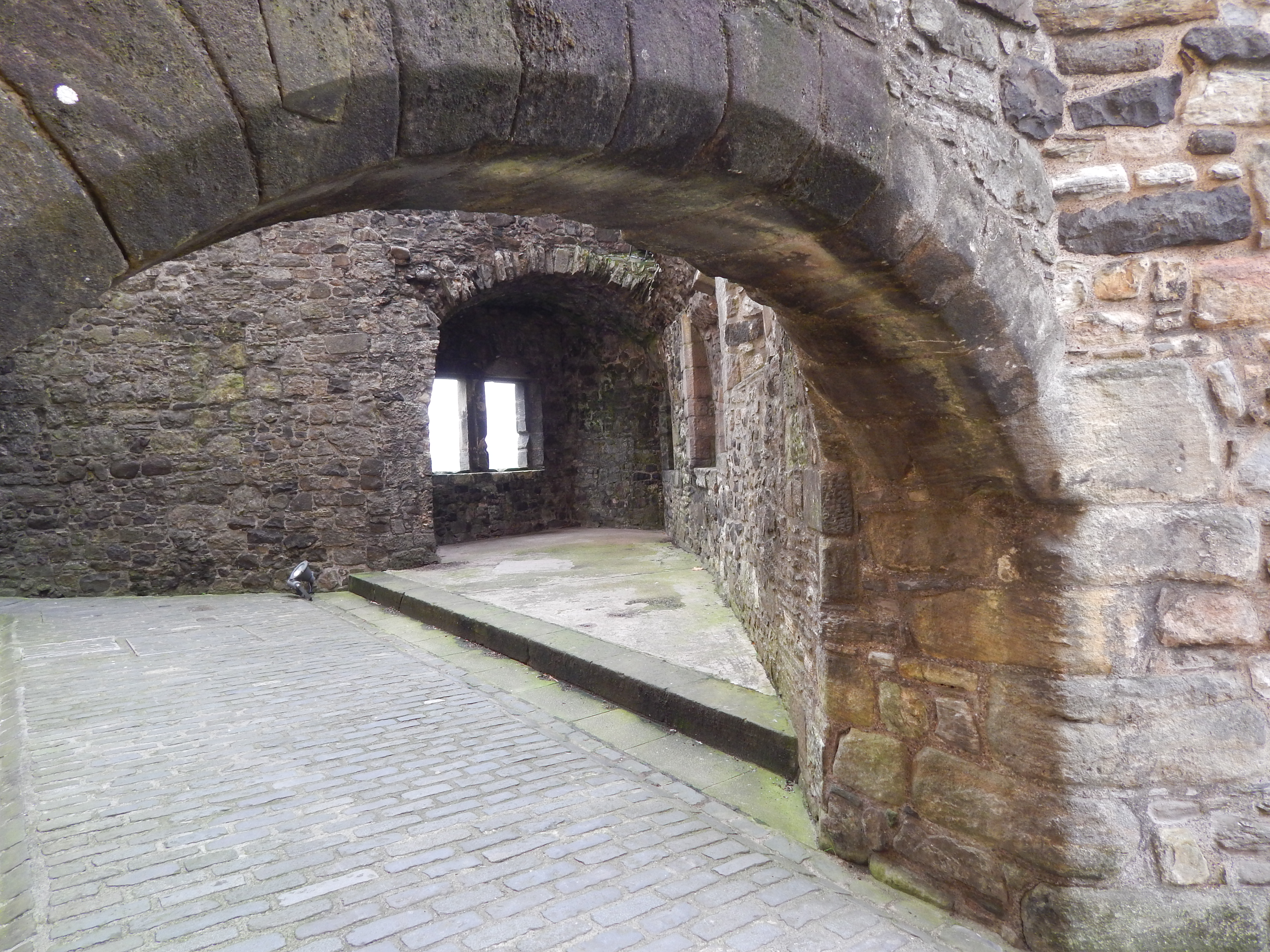
Arch and portal near North Gate
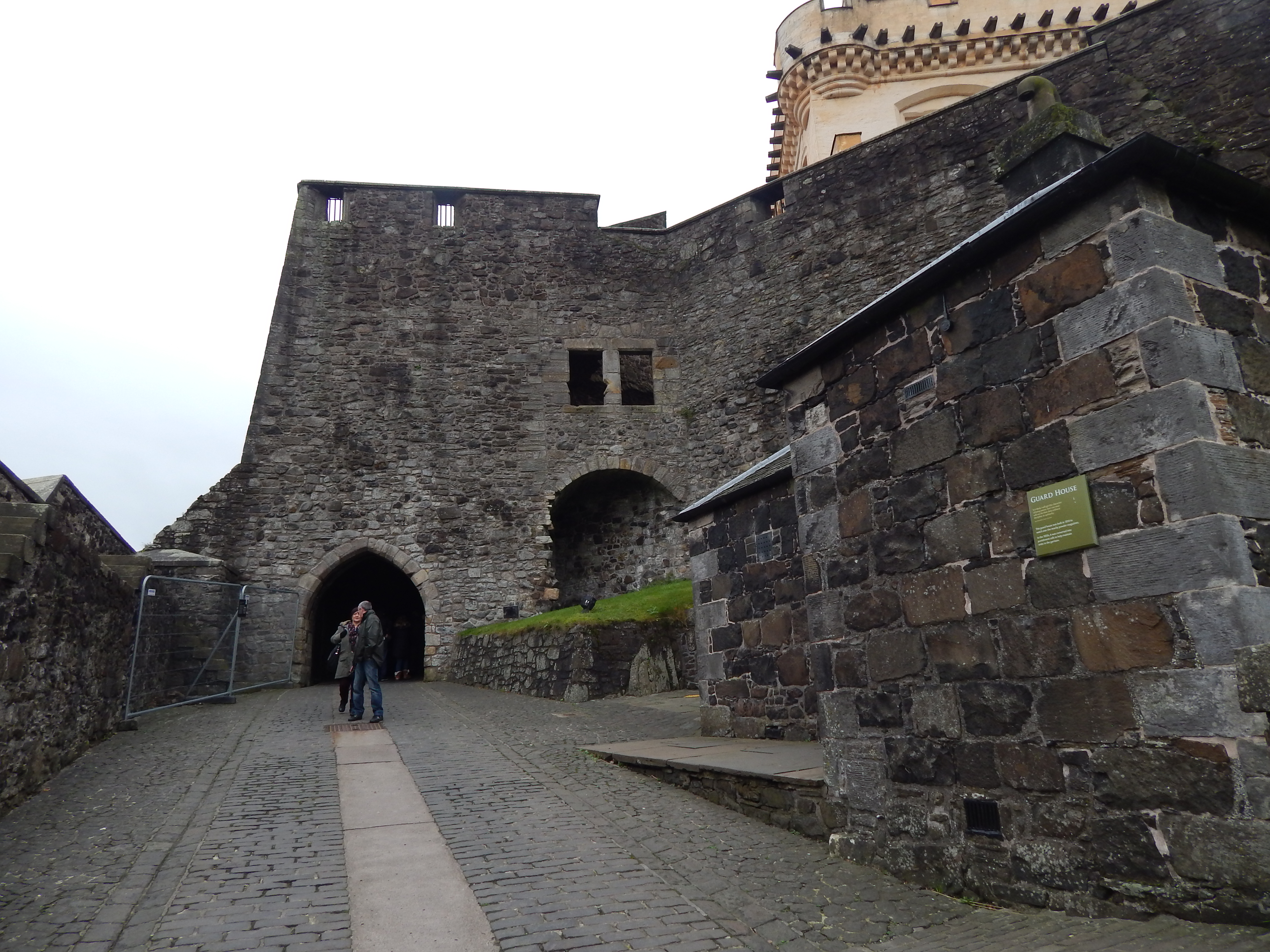
Exterior of North Gate from Nether Bailey
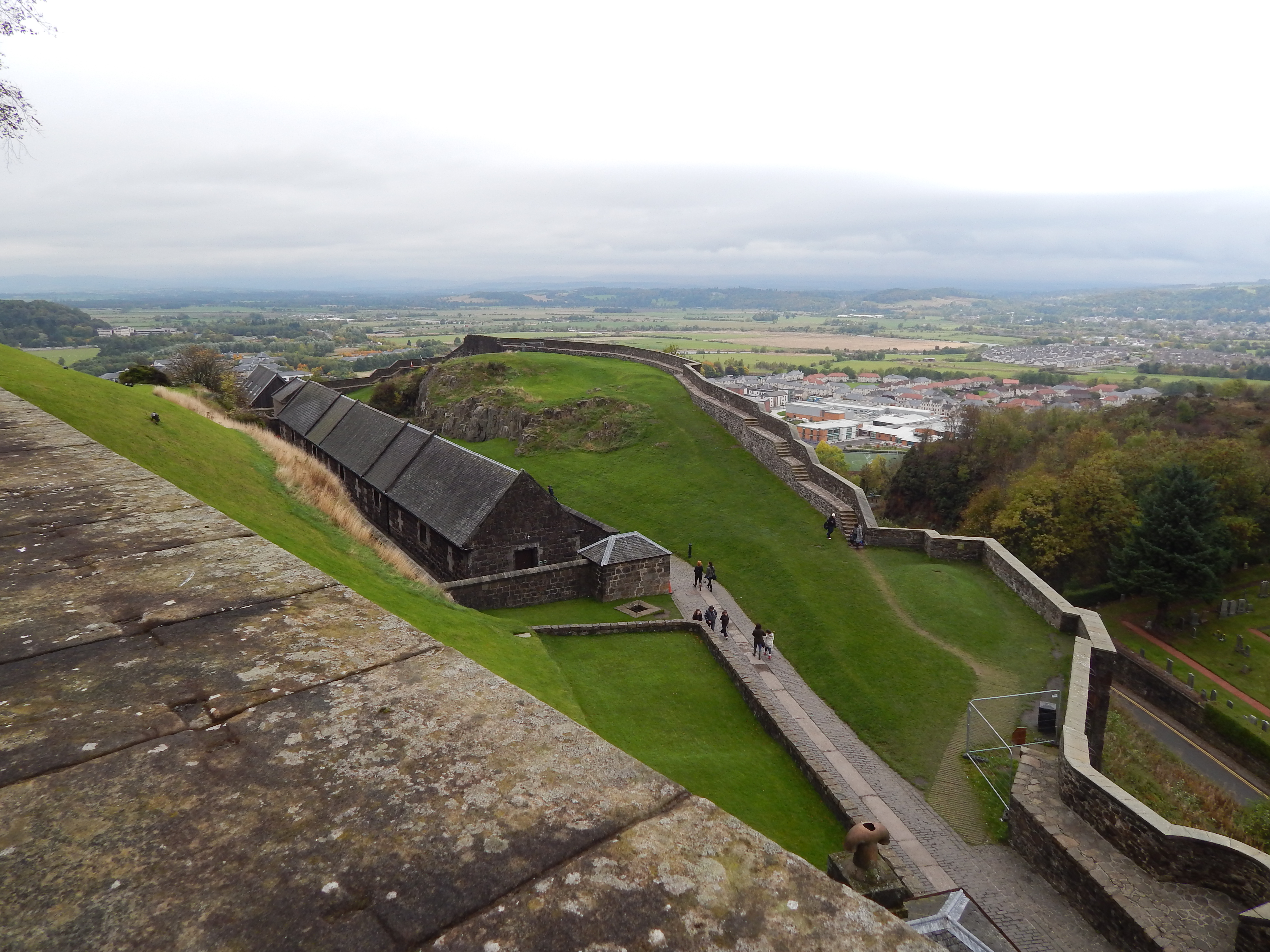
Nether Bailey
I took a brief guided tour that focused on the major events and periods of construction before spending the afternoon roaming about the vast castle grounds. Coming from the western US where rarely is anything more than 120 years old, visiting these sites that have been around and preserved for 500 or more years always leave me somewhat awe-struck. I love to stand in these courtyards and great halls and imagine them in their day. Filled with the activities of life in a castle, the walls not gray but painted in brilliant colors showing this is the proud seat of Scottish power. I imagine winter nights in the Great Hall, fires burning in the five hearths filling the room with flickering light and warmth amidst the song and entertainment on the occasion of a feast. Granted, I’m sure that most of the days were more like the day I was there. Cool and overcast with people quietly going about their business, but that’s rather dreary for a vivid imagination. The day was good, and I was quite tired after walking up and down the hills and stairways of the grounds.
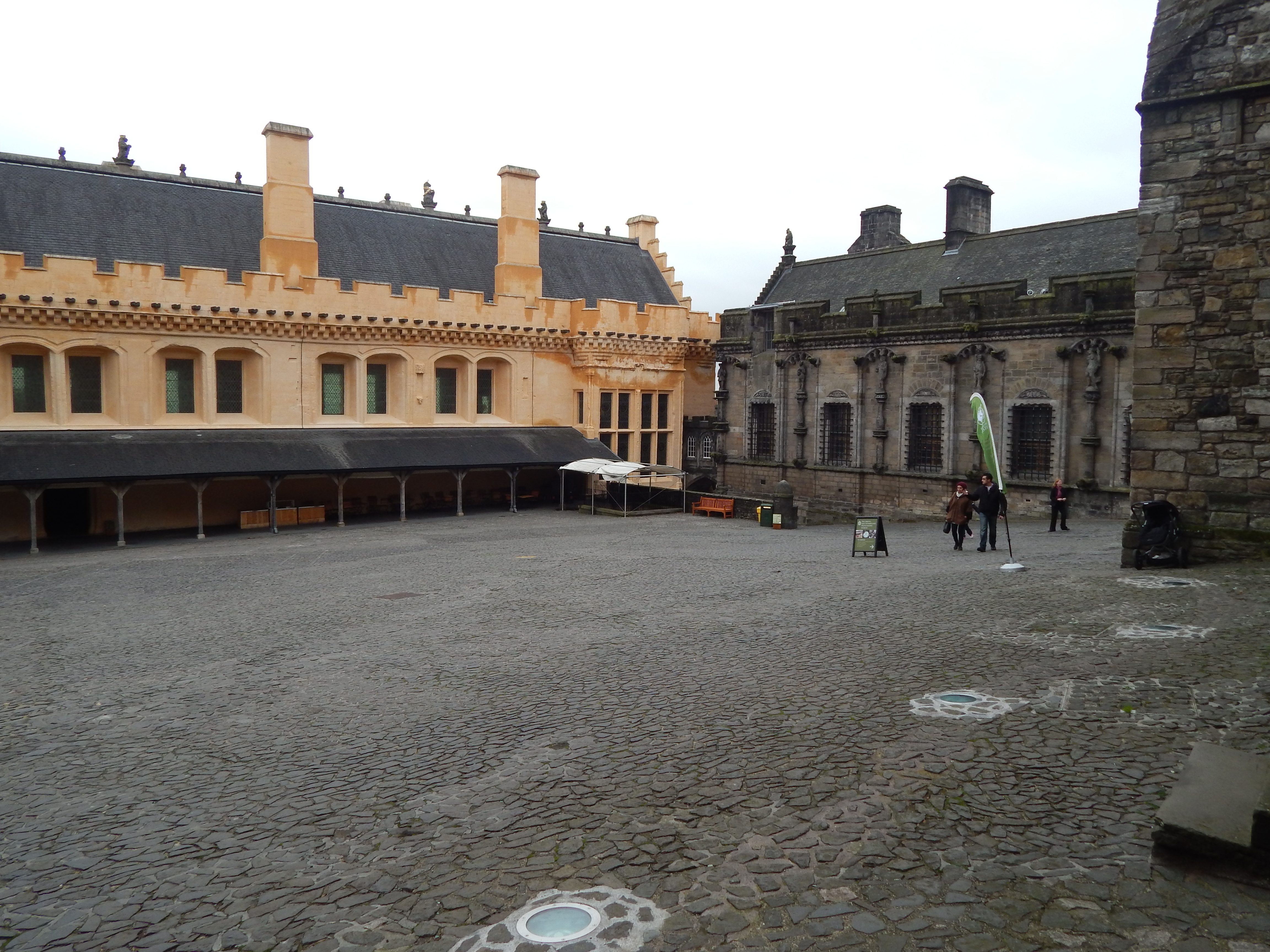
Inner Close. Great Hall (left) & Royal Palace (right)

Interior of Great Hall. Wooden Hammer truss roof restored early 21st century
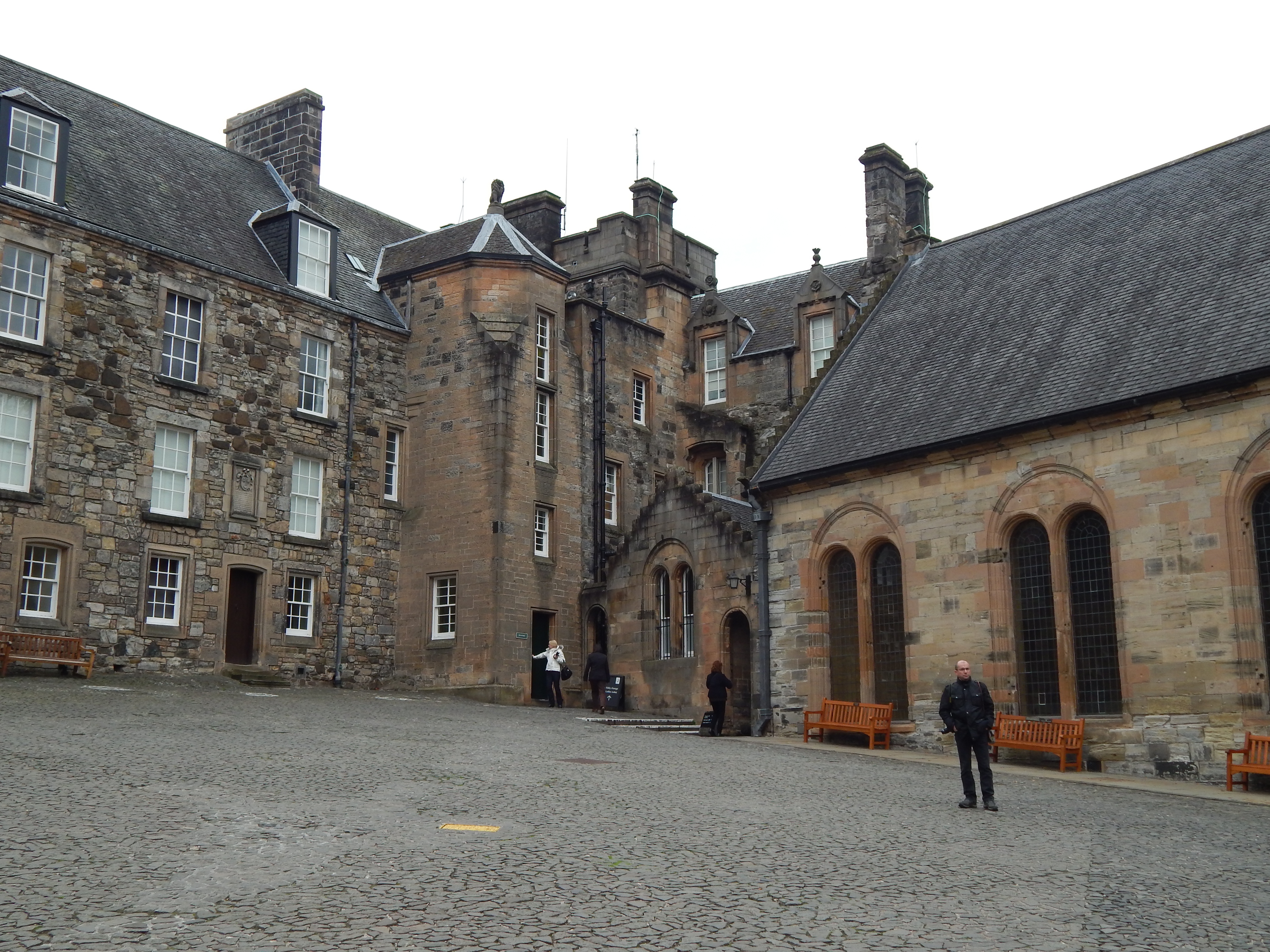
King’s Old Building (left) & Chapel (right)
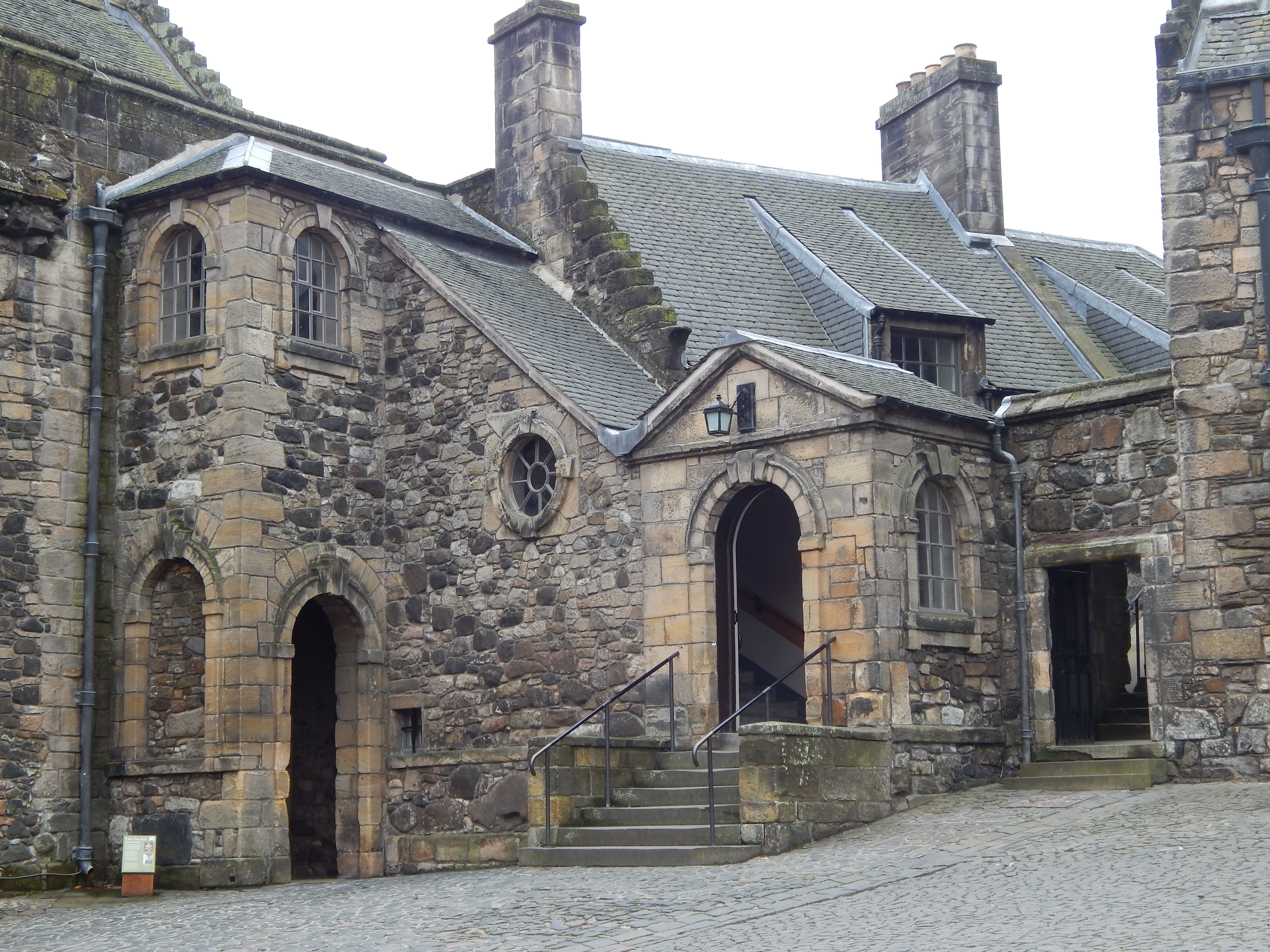
Entrance to Royal Palace
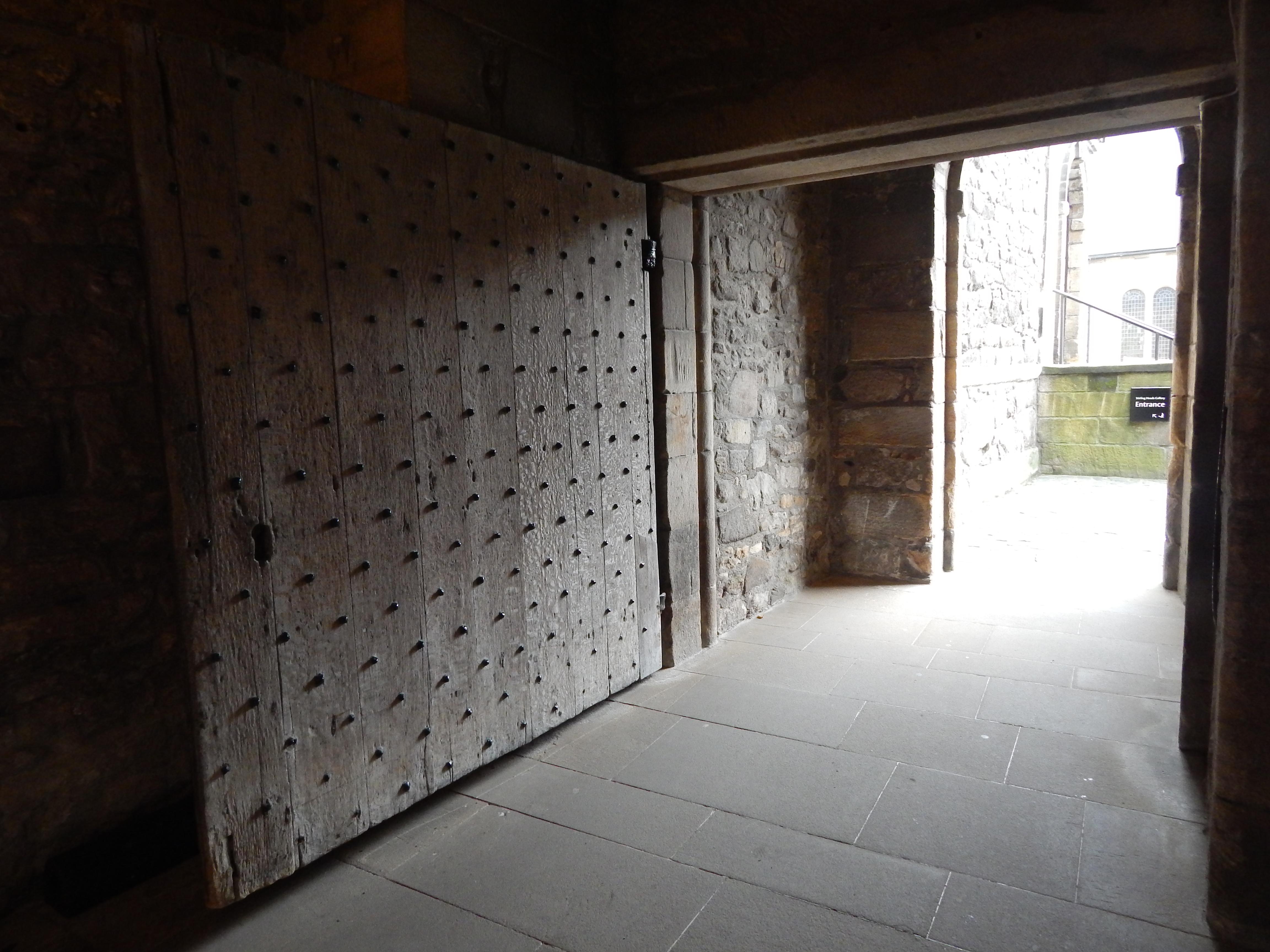
Entrance door to Royal Palace. This is the original door that has hung here for nearly 500 years
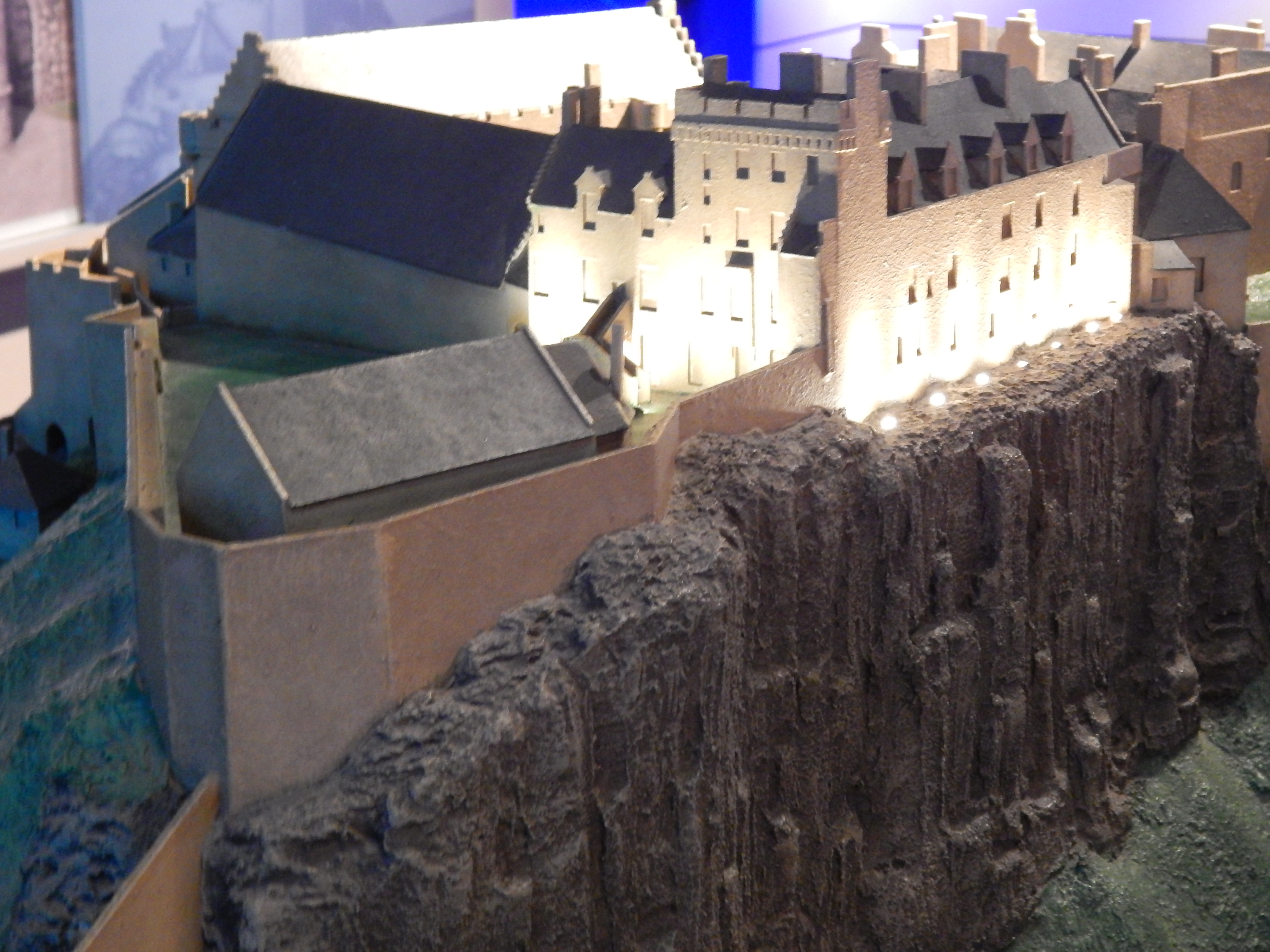
Model showing cliffs behind castle
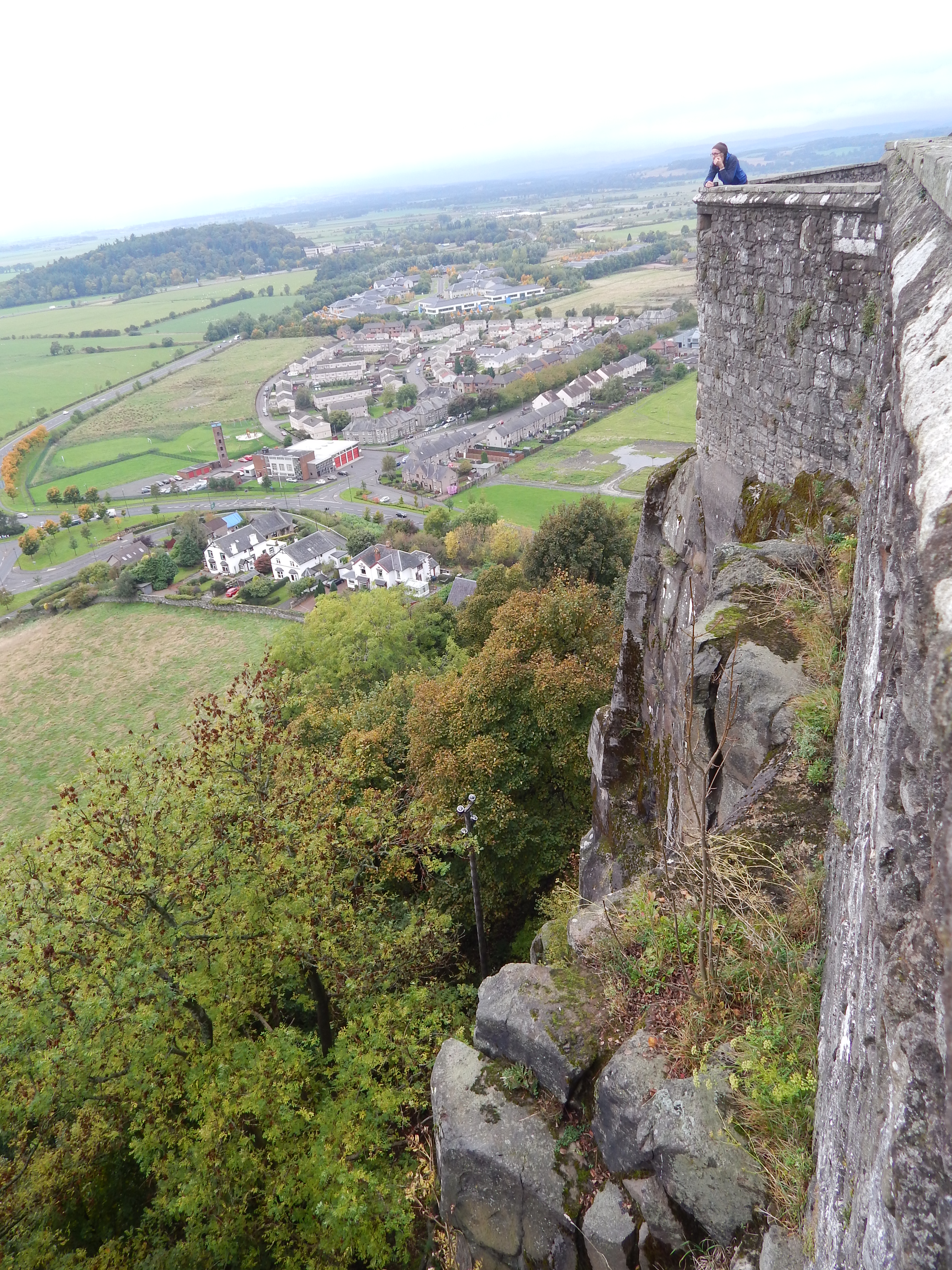
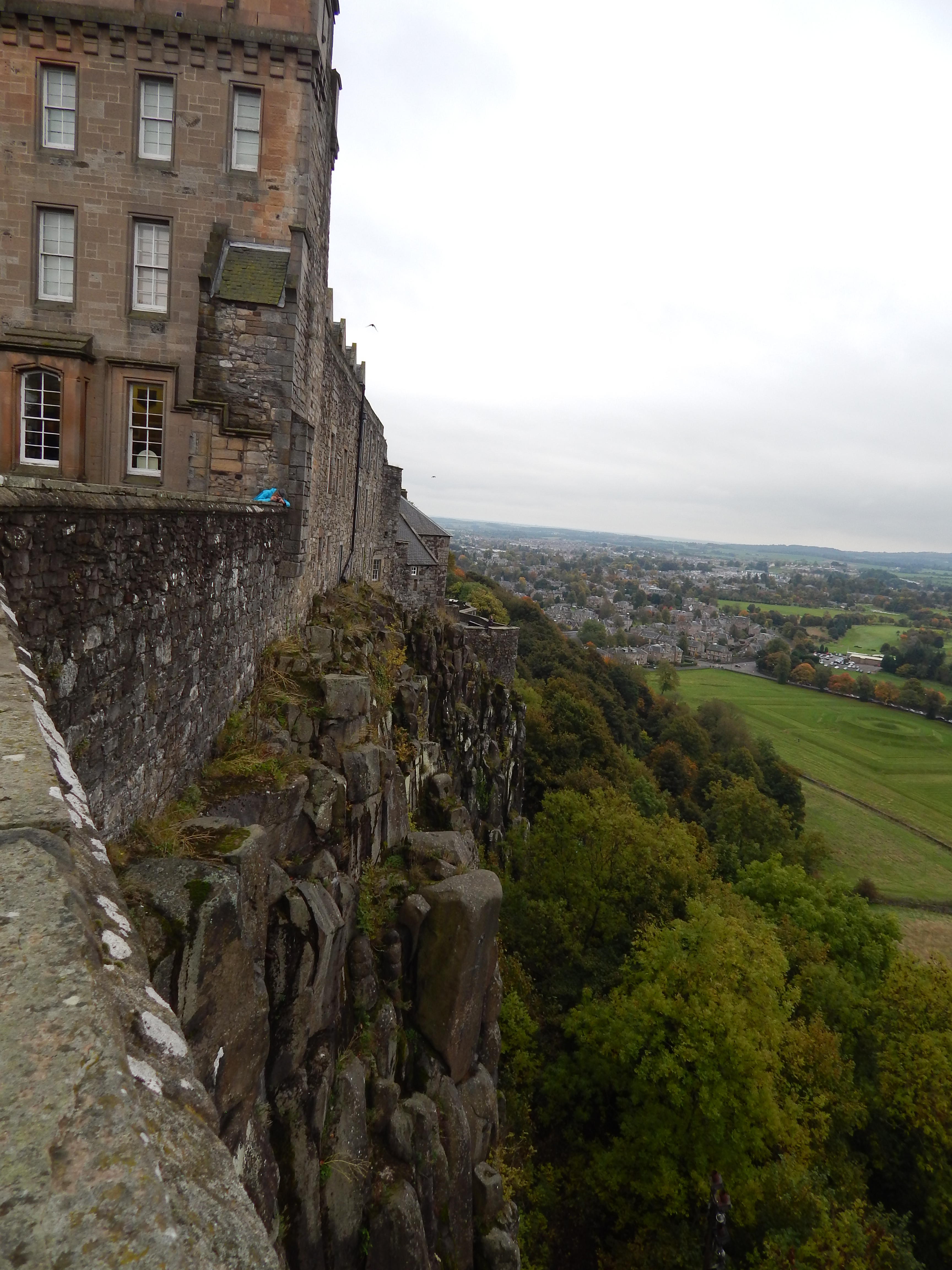
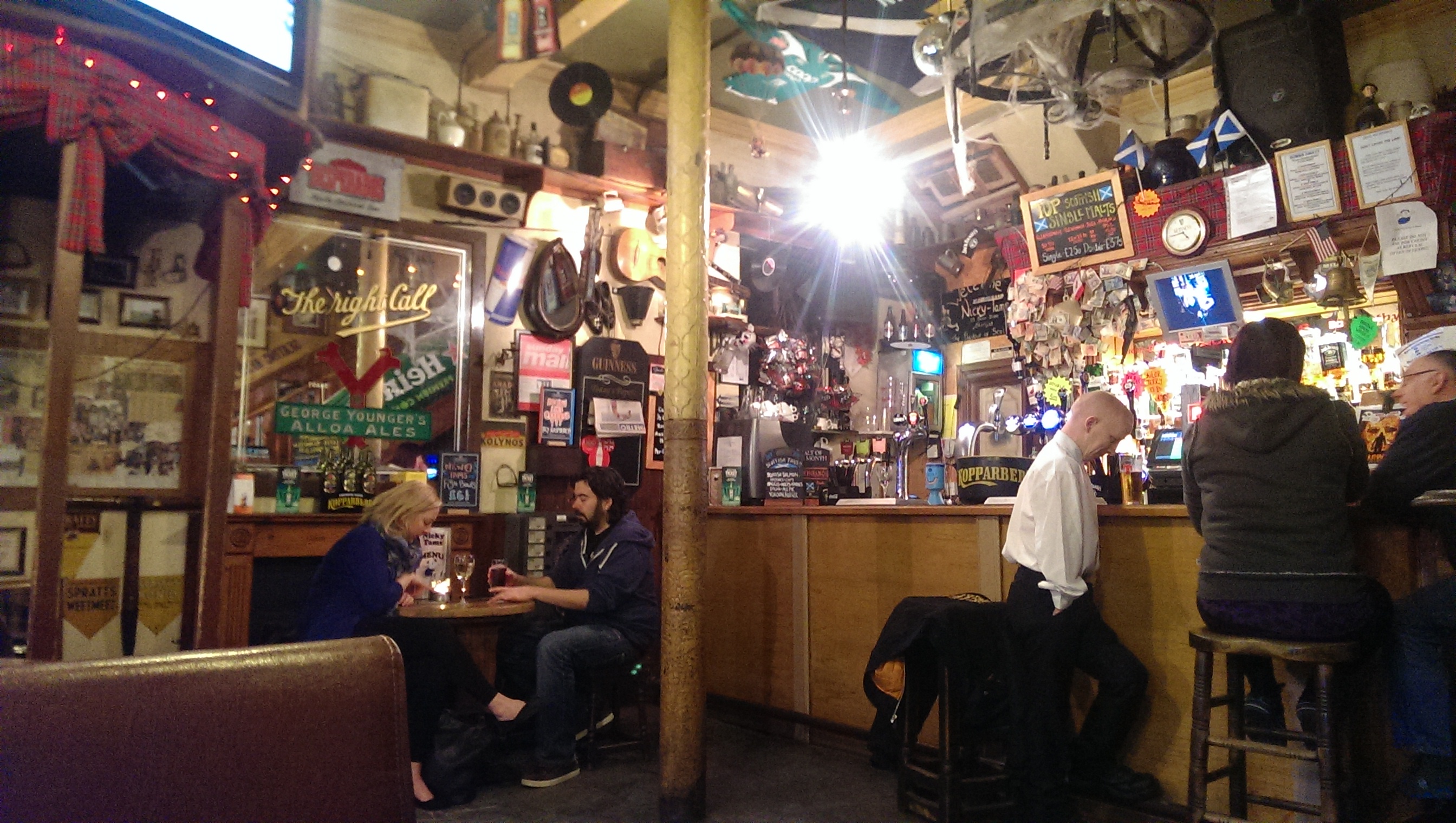
On my way back to the train station, I stopped at a pub that purported to be haunted for a bite. Haggis was on the menu, but I am not quite brave enough to try it. I opted instead for a traditional Steak and Ale Pie served with chips and the almost legendary HP brown sauce. My friend here calls the sauce repugnant, but I liked it. Who knows, maybe I’ll like the haggis, too. For tonight, I think I must venture to the local chippie (fast food) and try the pizza crunch – deep fried pizza.

Cameo by the photographer in this one
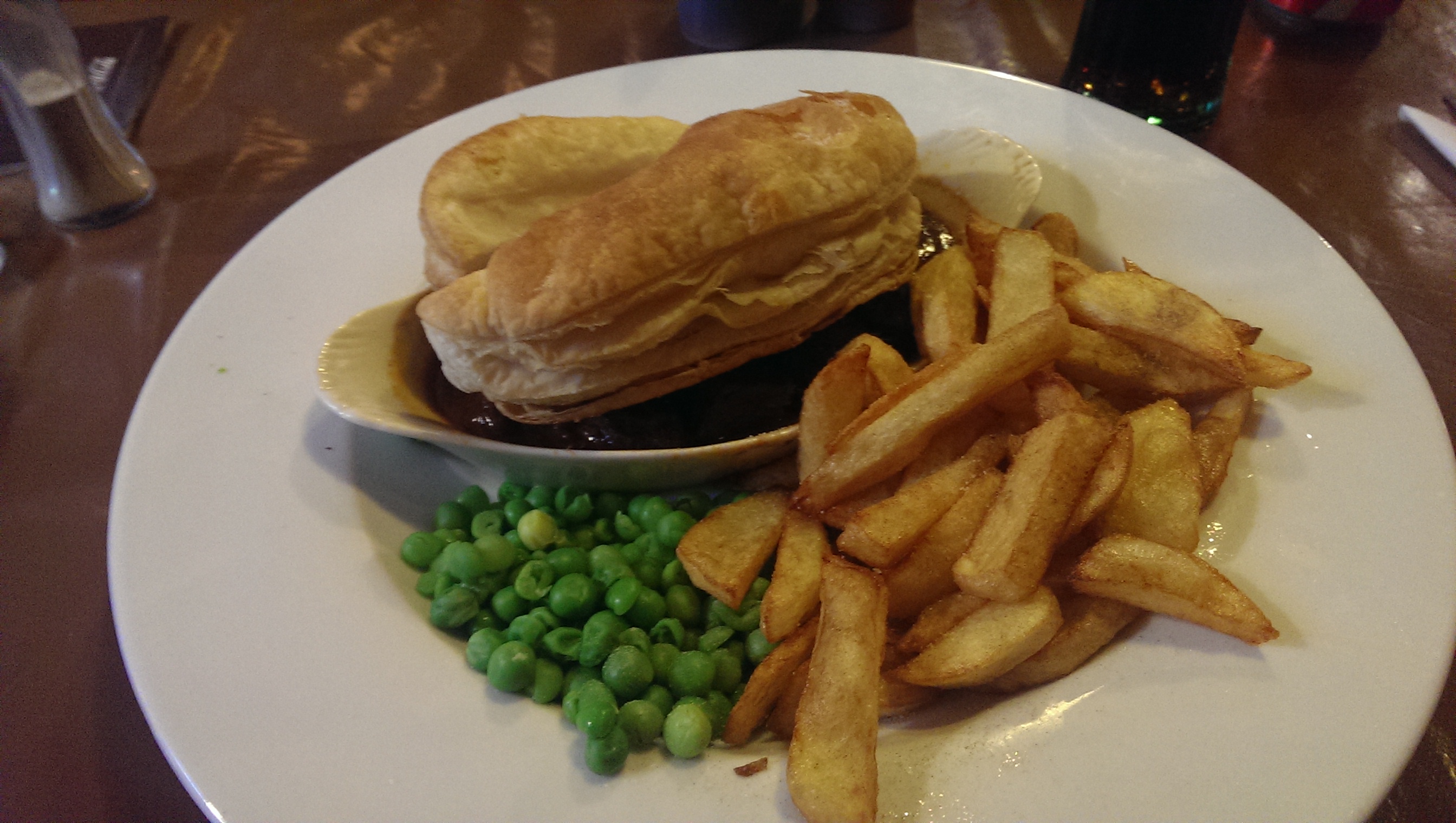
Steak & Ale Pie with Chips and Peas. Always with the peas in a pub
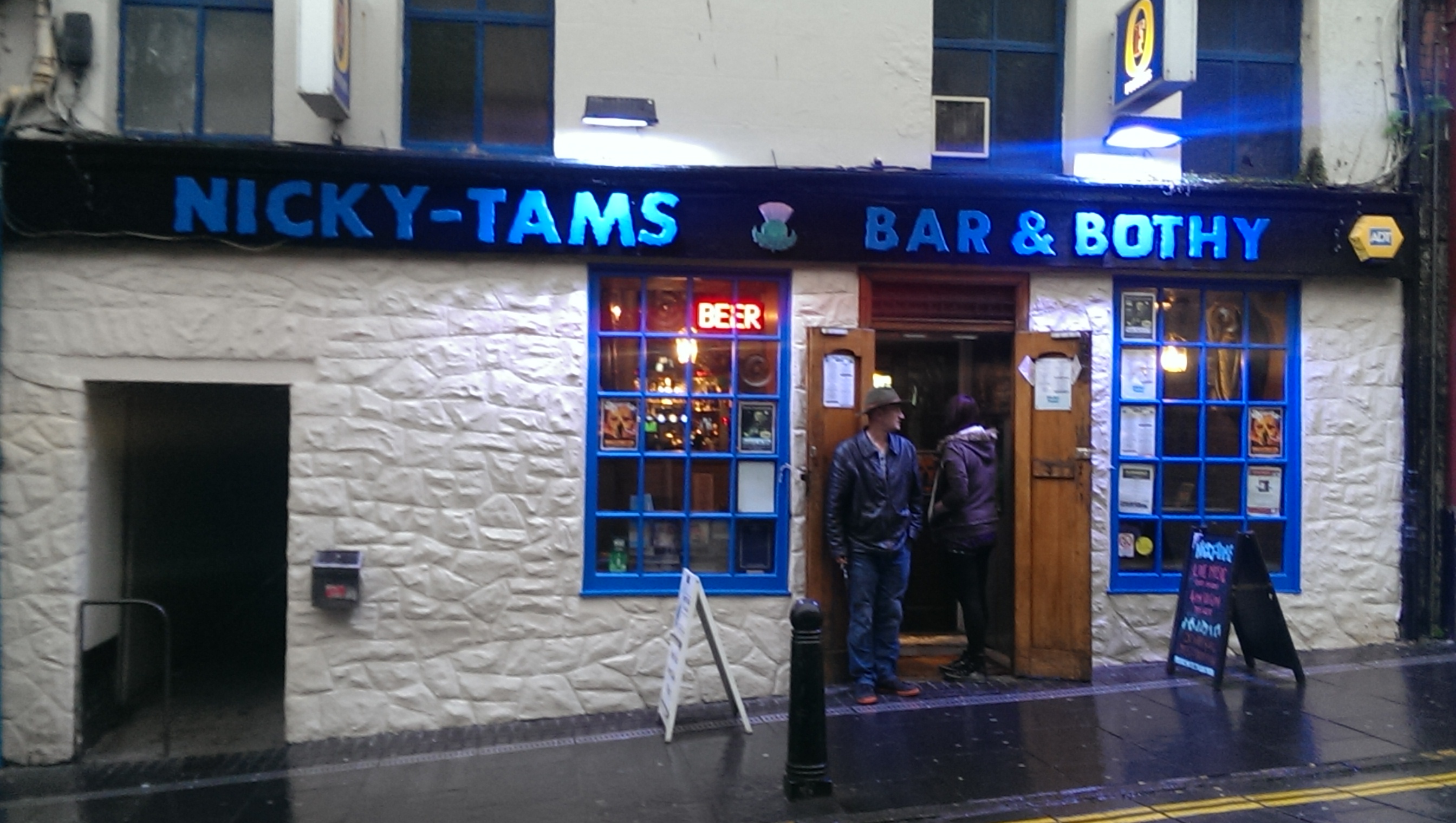
Nicky-Tams, Stirling’s most haunted pub

Tomorrow the journey takes me south into England. Six hours and two changes on trains from Glasgow I will be in Bath for three nights. I plan to sample the thermal waters there and take in what I have heard is one of the UK’s most beautiful cities. I also plan a day trip to Glastonbury, home of Christianity in Britain and legendary burial-place of King Arthur.
After a partly cloudy morning, the rain has returned. Time to find the chippie and get busy packing my kit for tomorrow’s journey.
 savagemythology
Another great post, Thanks Derek!
lovely, lovely visit – your photos are wonderful!!
Thank you both!