
Tags
17 October, 2013
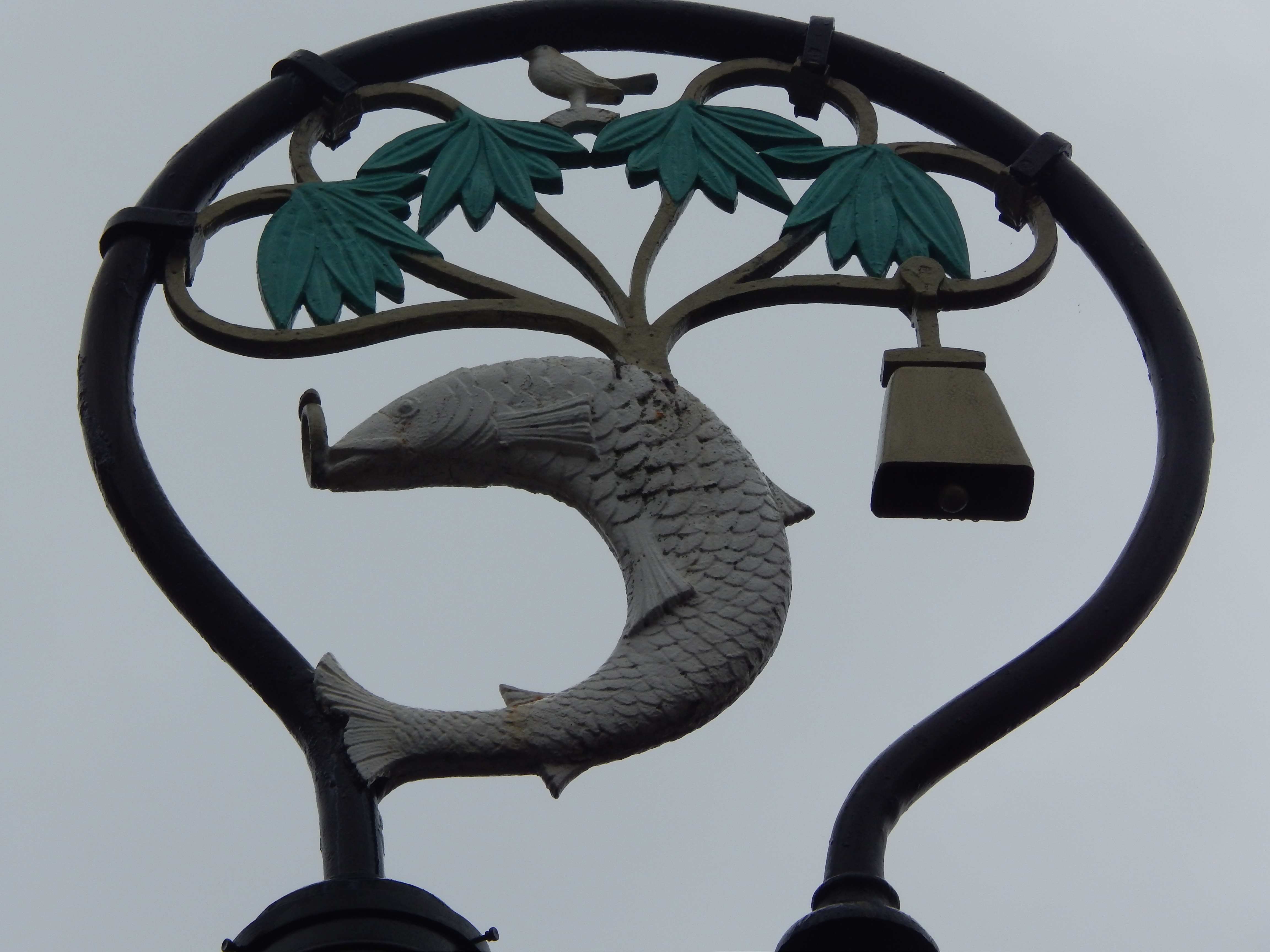
A bird that never flew,
A tree that never grew,
A bell that never rang,
A fish that never swam.
Let Glasgow Flourish
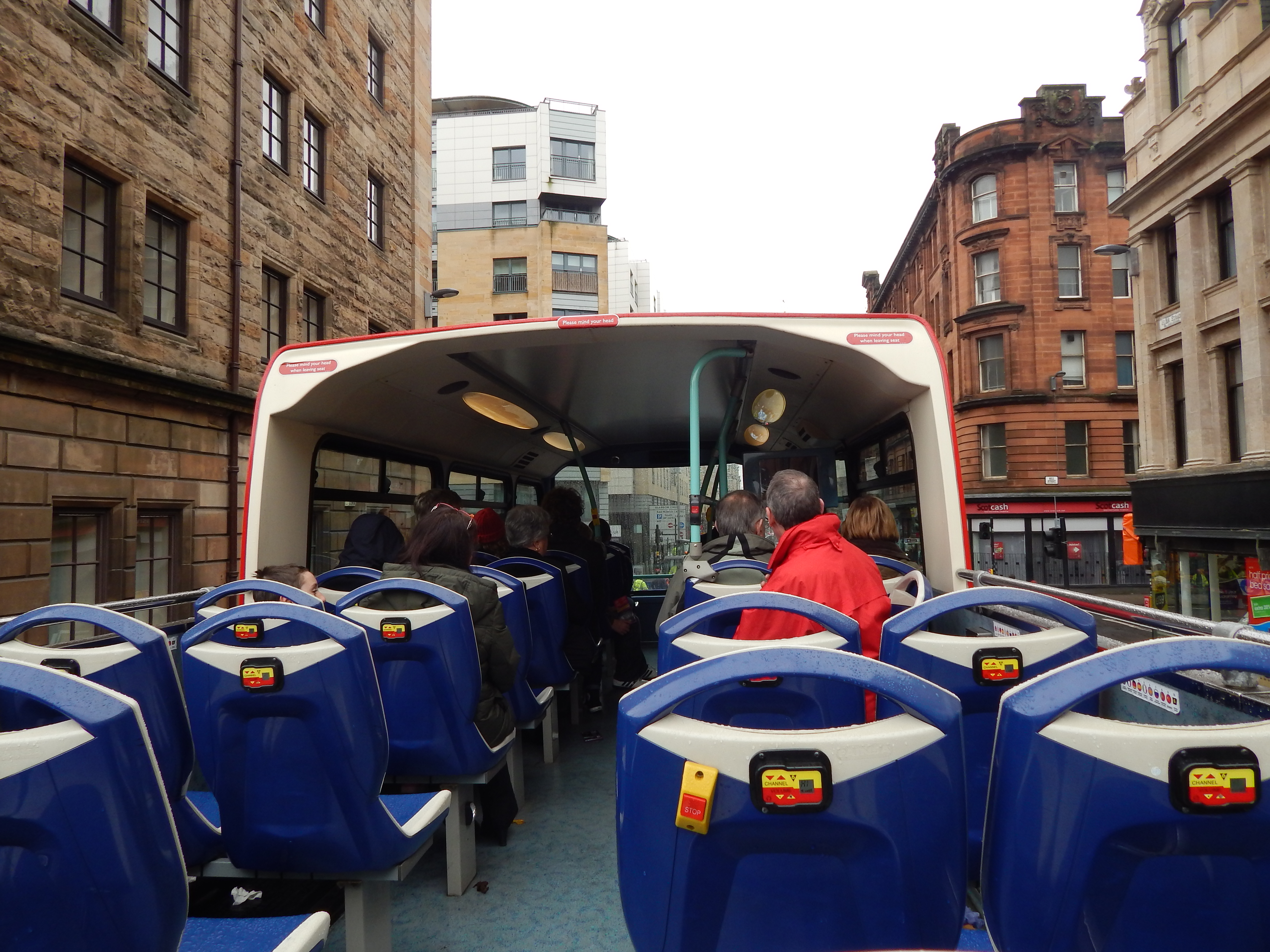
I took a bus tour around the city today. There was a two fold reasoning for this. It allowed me to see Glasgow from atop an open air double-decker bus, and also gave me a taste of the history of the city as told by the guide. The day was typically Glaswegian – grey and misty, but I was not deterred from riding in the open section of the top deck. The other, perhaps primary, reason for the outing was to visit the Gothic Glasgow Cathedral of Saint Mungo.
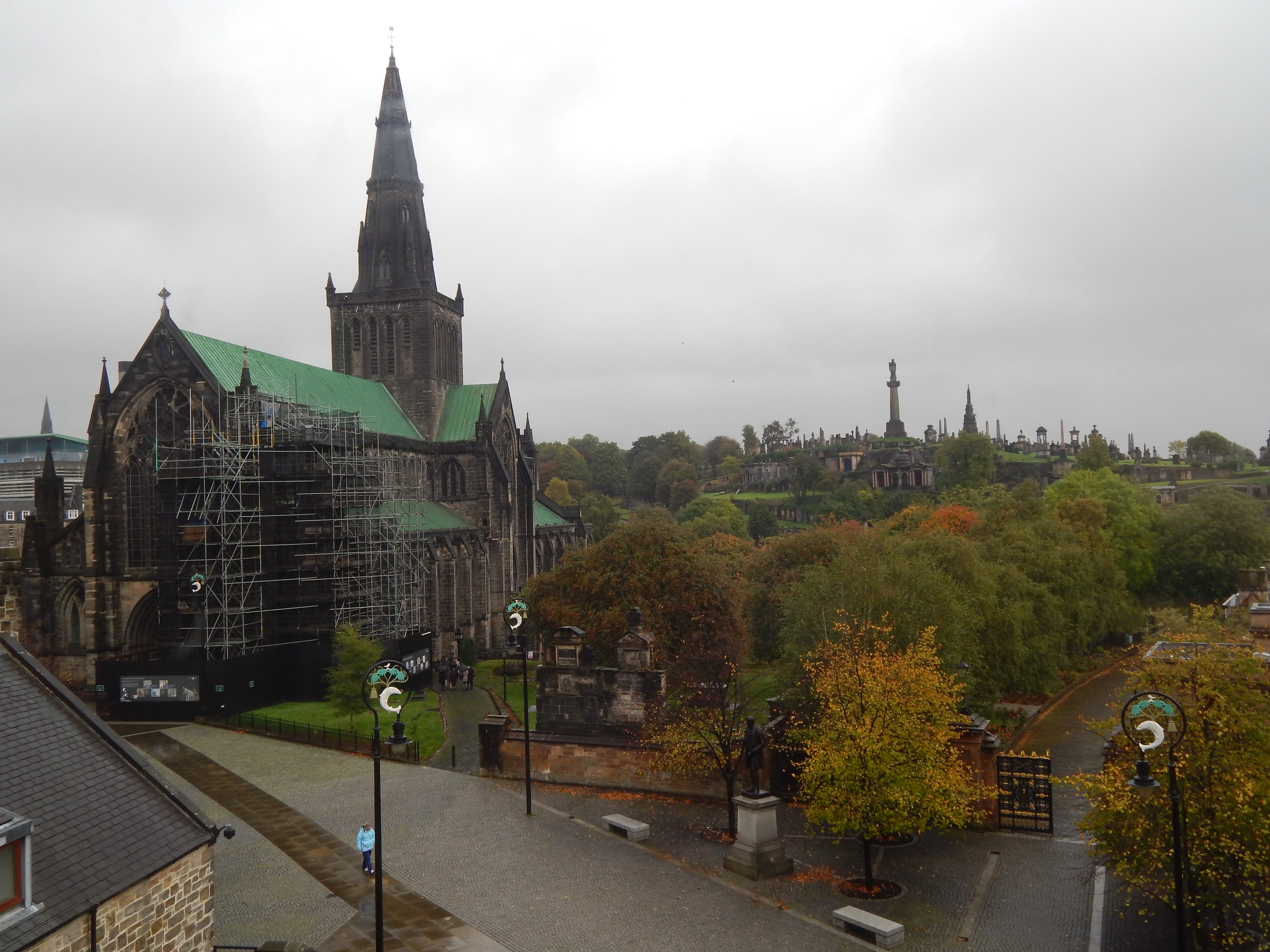
View of the Cathedral with the Necropolis behind.
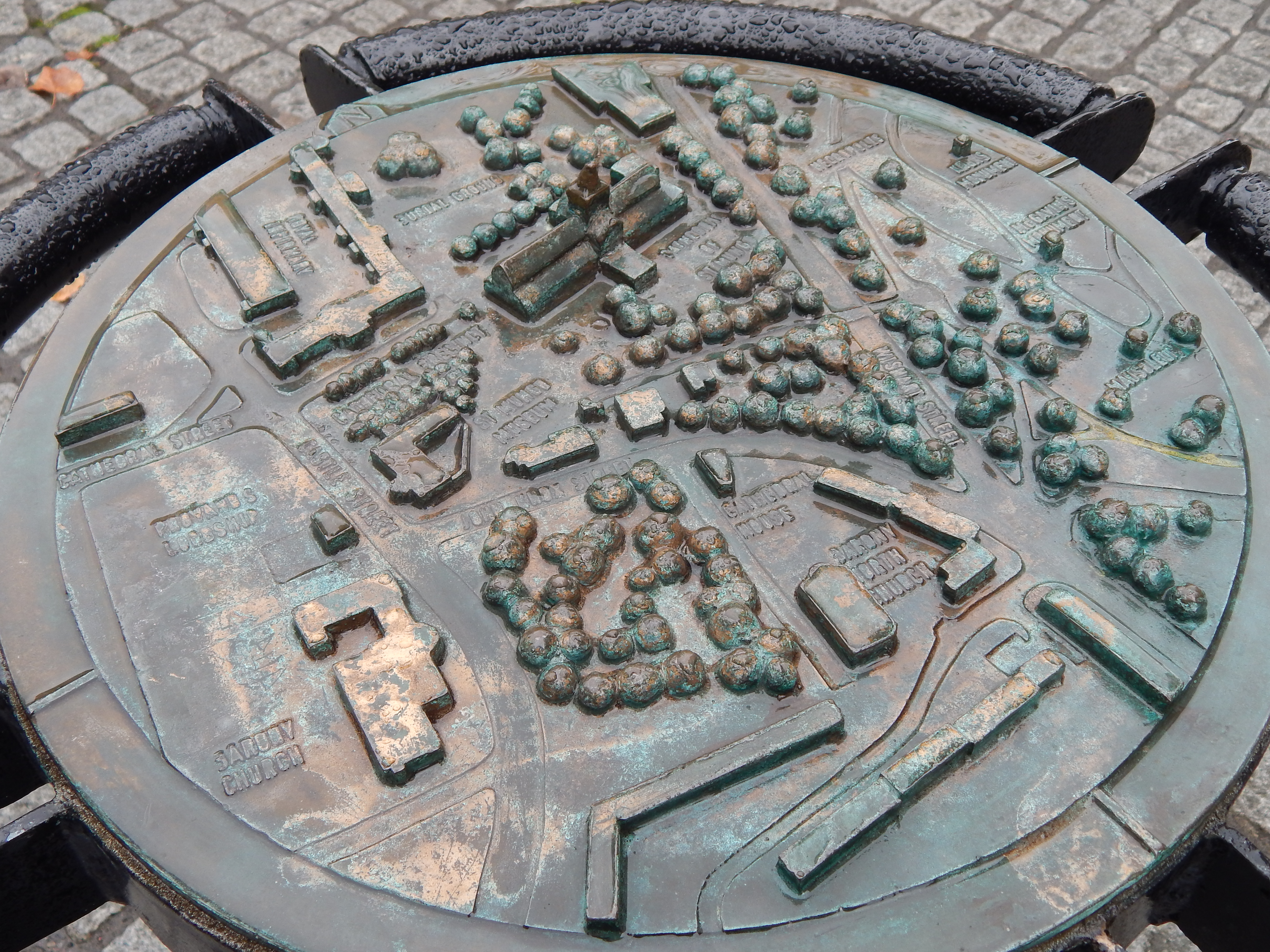
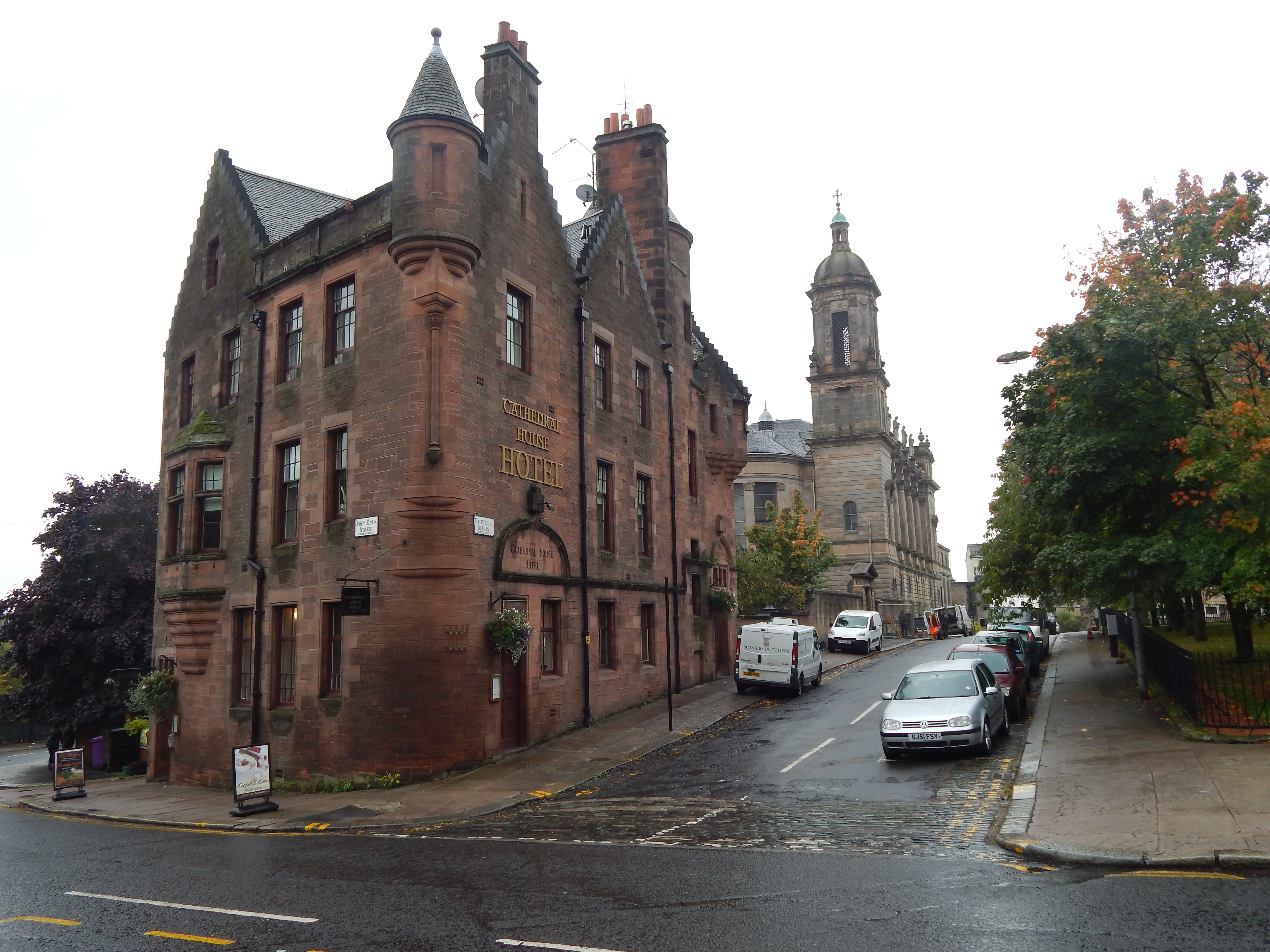
At the entrance to the precinct (plaza) in front, there is a bronze plaque that depicts the immediate surroundings. Across the street is the oldest dwelling in Glasgow. Mary, Queen of Scots, stayed here in the mid 16th century and within the walls most likely penned “the Casket Letters” that played a part in her ultimate fate. ( http://en.wikipedia.org/wiki/Casket_letters )
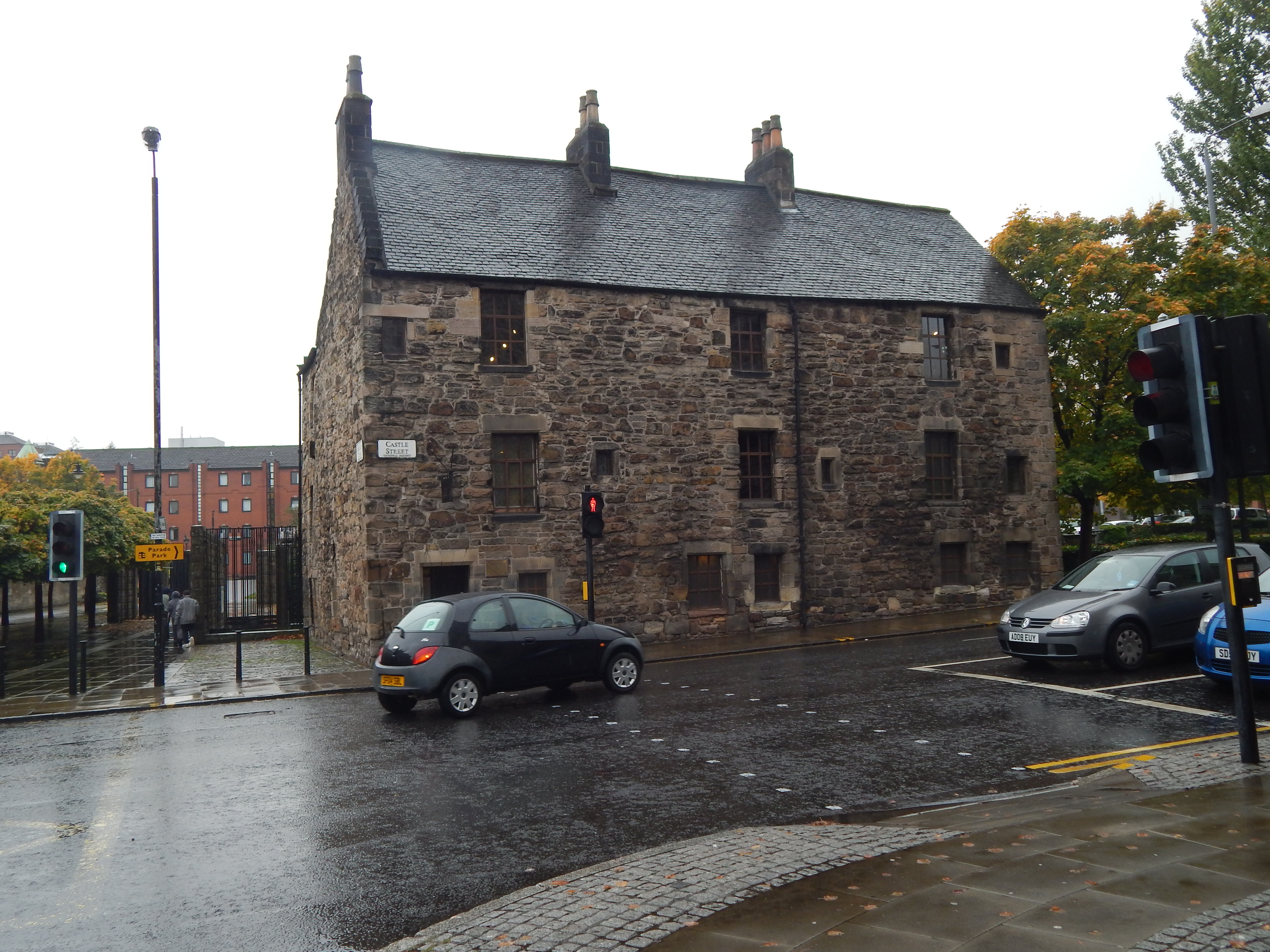
Oldest dwelling in Glasgow, dating to 14th Century.
I am not a religious, church going man – I practice a spiritual life focused on a personal connection with what I understand to be God – but the Cathedrals have a special attraction for me. It may be the sacred geometry in their construction, it may be the spiritual energy focused there that comes from hundreds of years of worship. As I did on my trip to France fifteen years ago, I plan to visit every cathedral that I can. I will pray and light candles for various people in my life. I am not a Catholic and do no subscribe to the dogmas of the Churches of England or Scotland, but I am sure God understands.
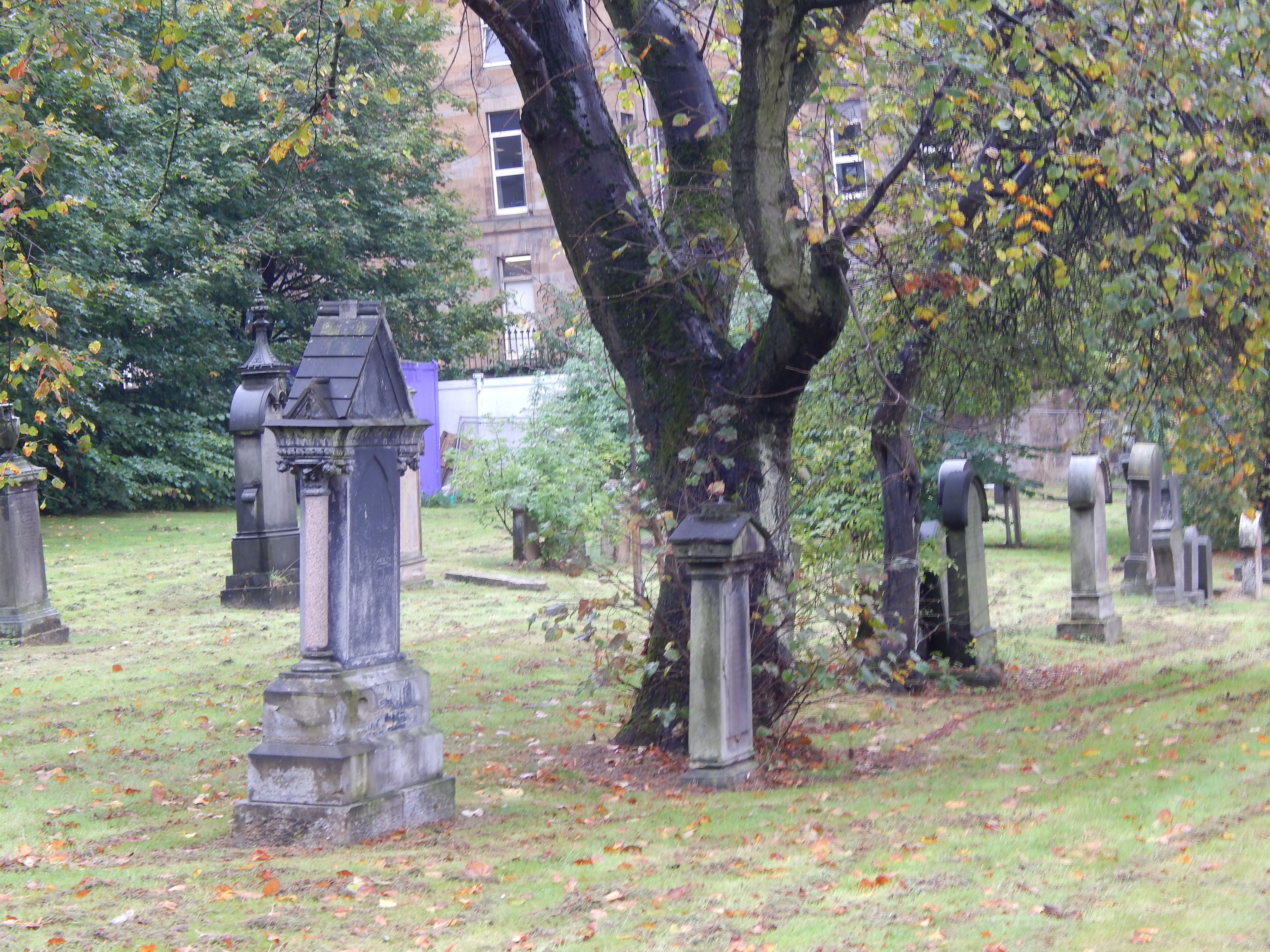
Church burial ground – graves dating to 19th century.
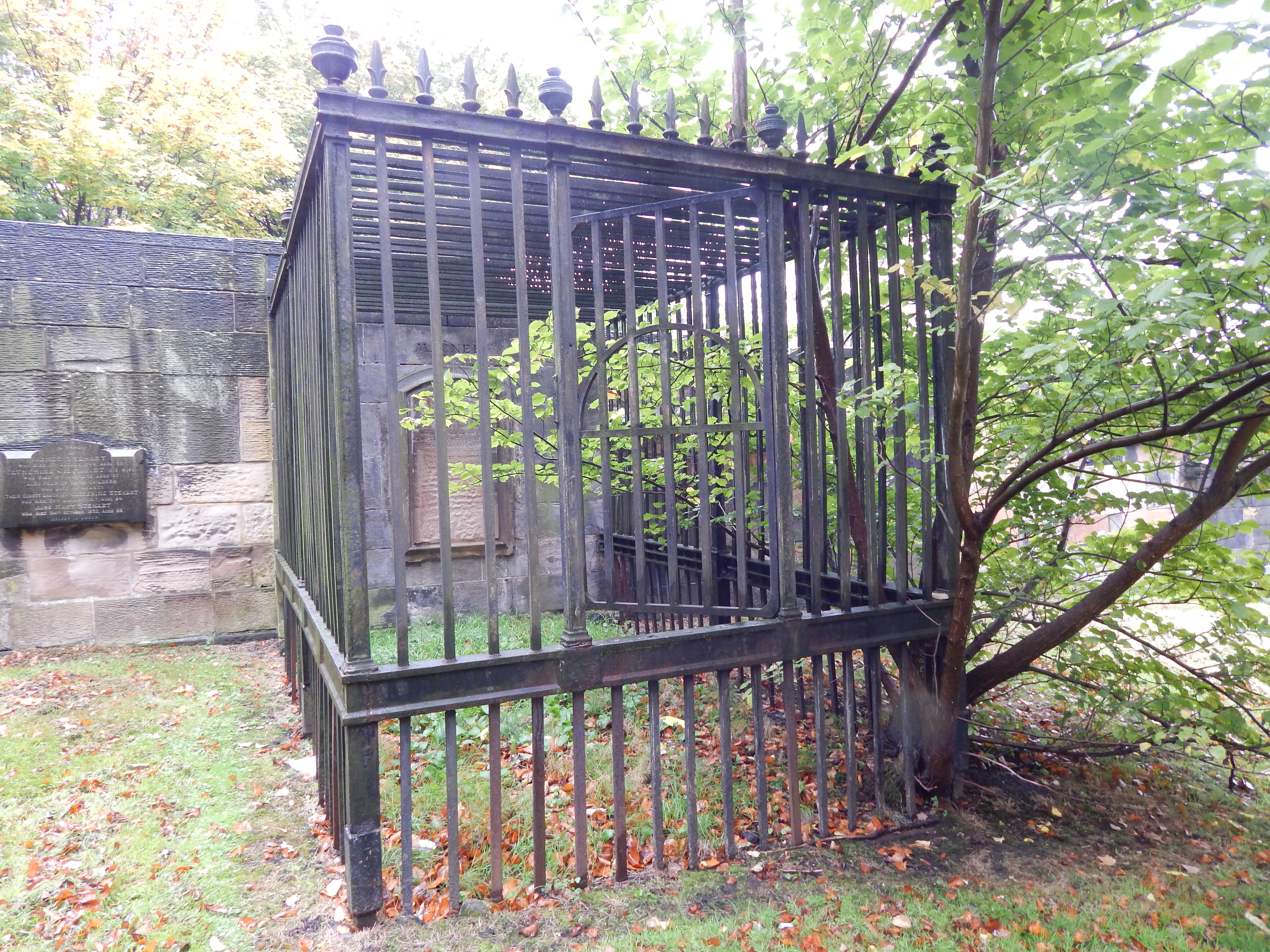
19th century grave. Either they didn’t want grave robbers getting in, or the dead getting out. You decide. I think the latter is the better story.
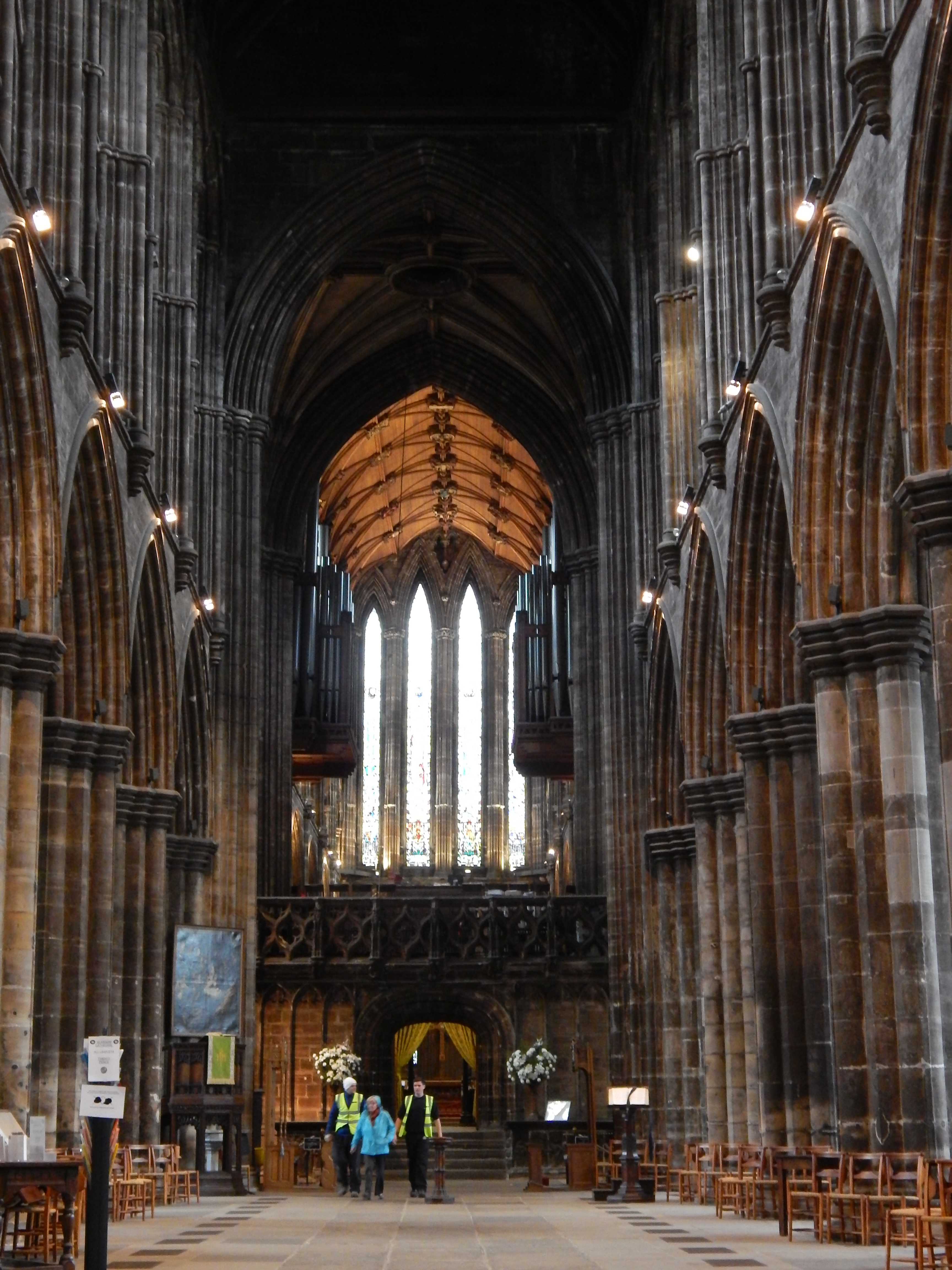
View in the nave toward the apse and choir.
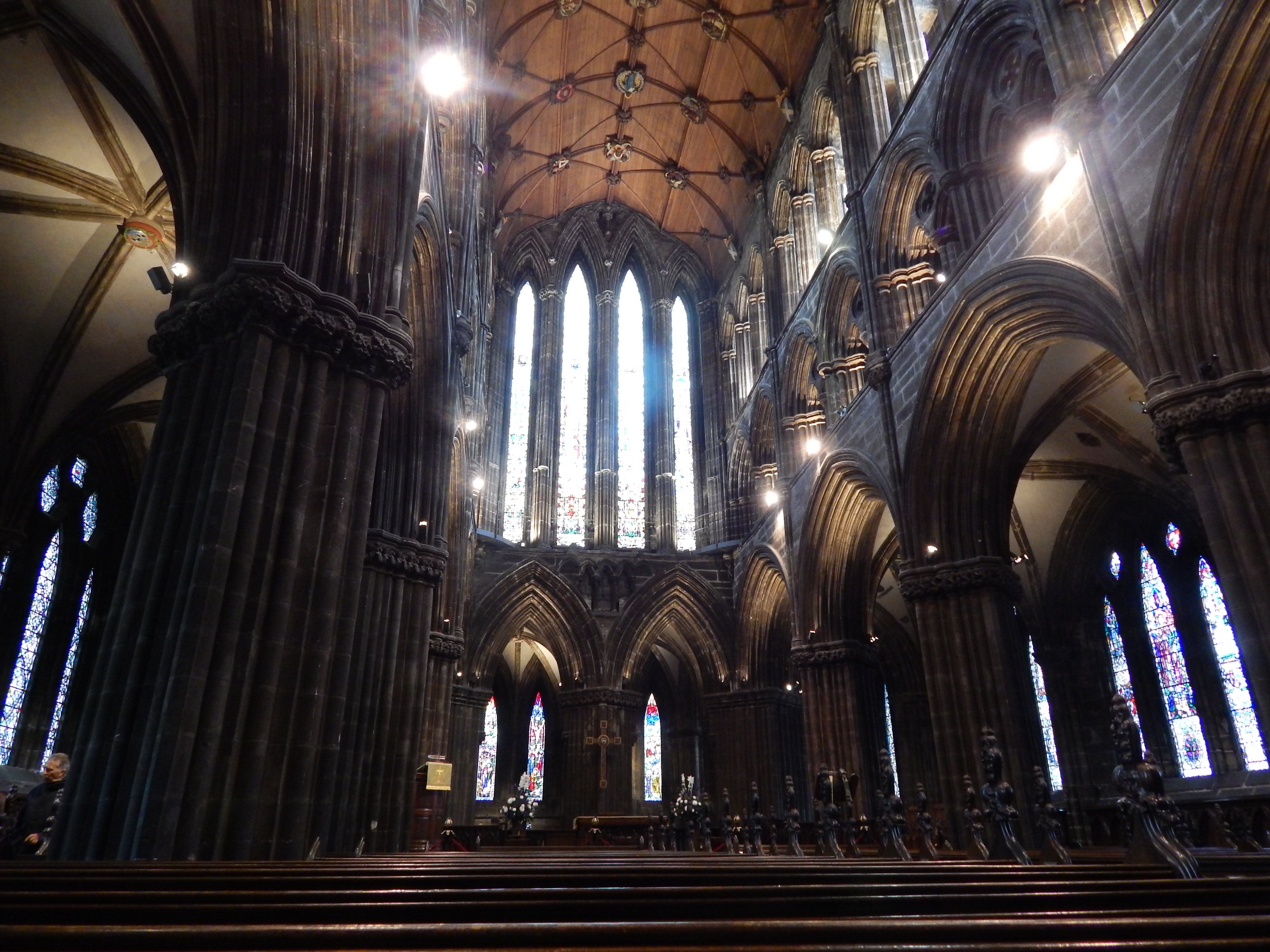
Apse and altar

Apse windows
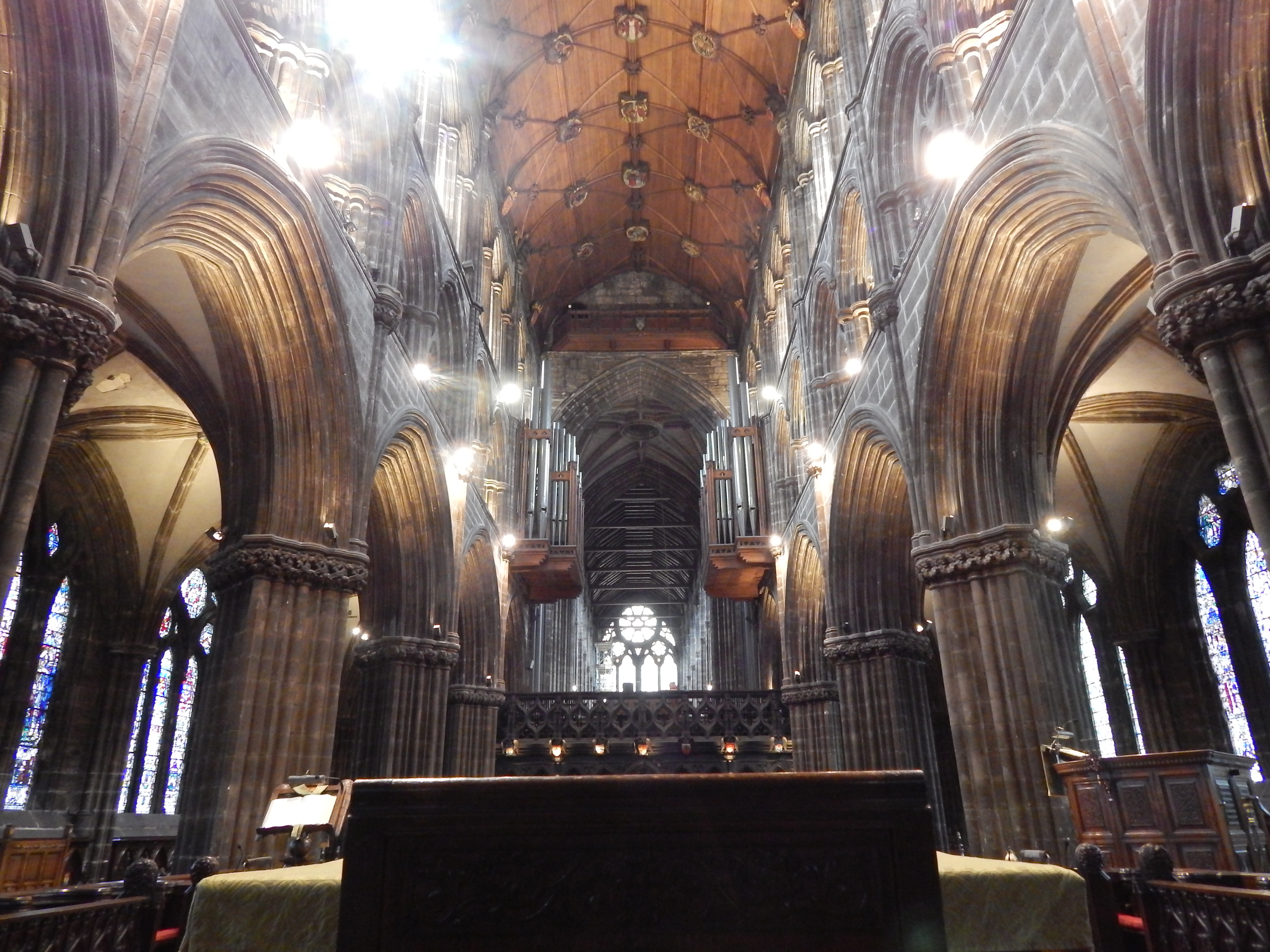
From behind altar, toward rose window
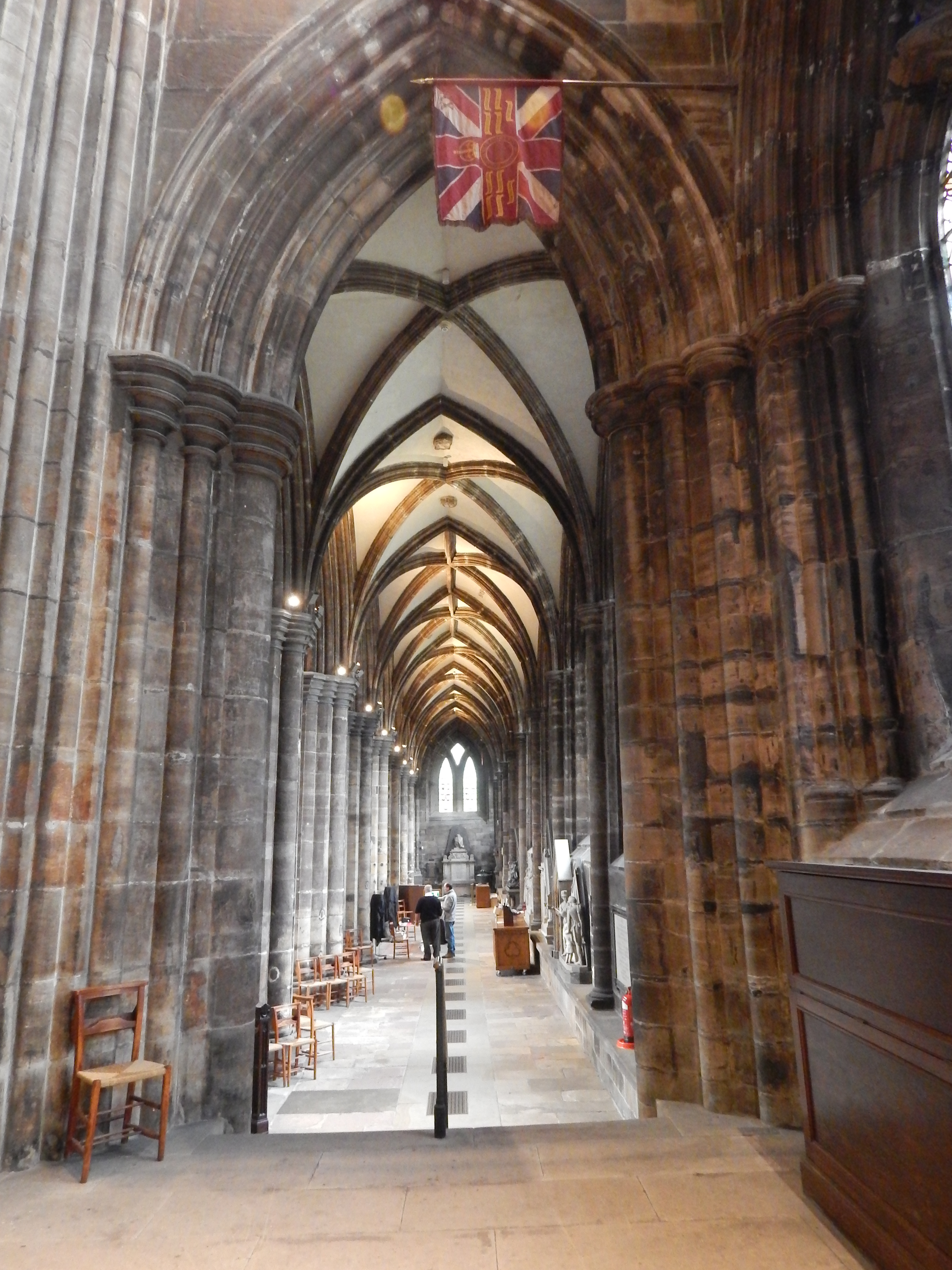
Nave, side aisle
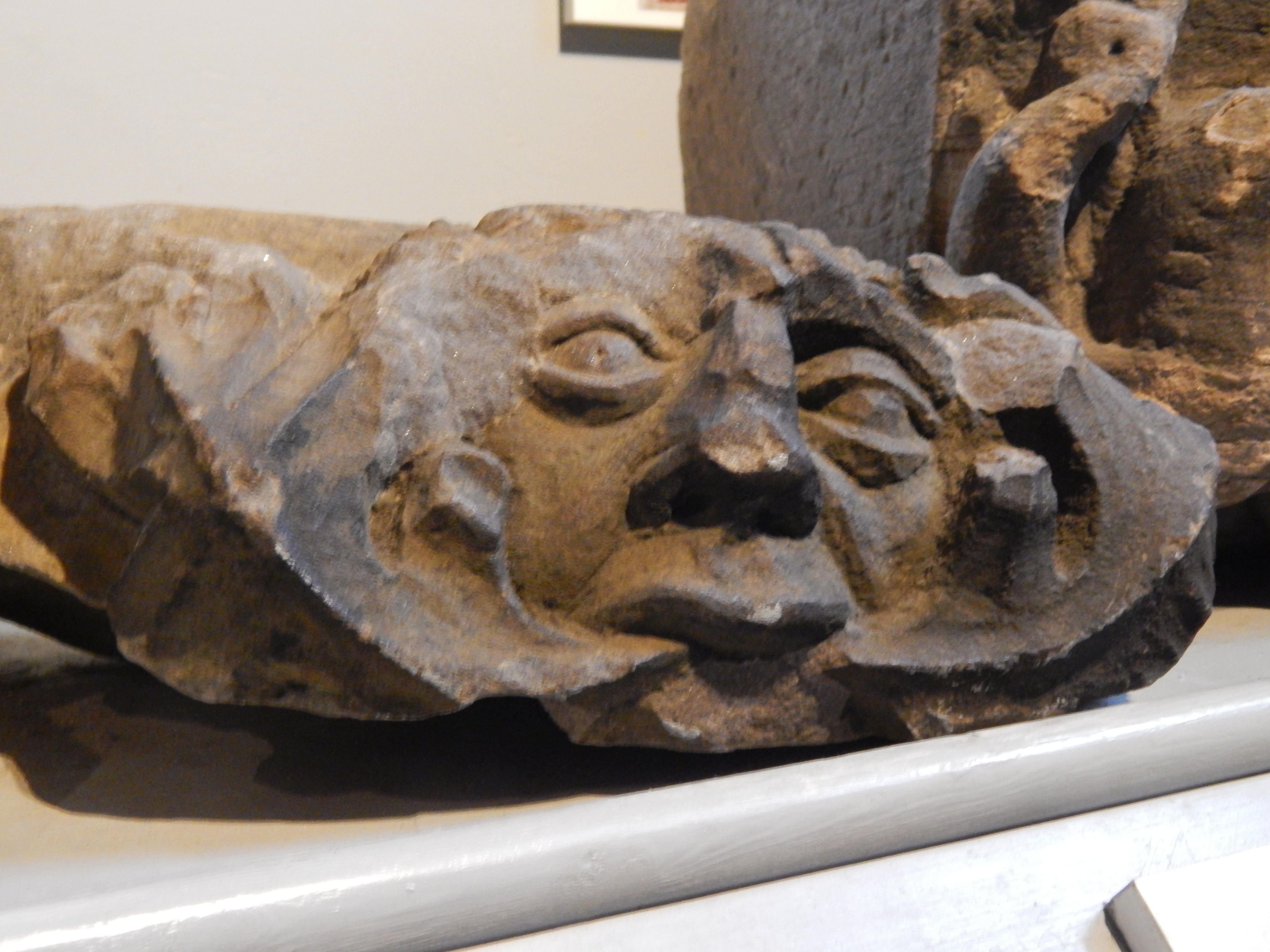
Carving from Romanesque cathedral that stood here previously. est. 9-12th century
I will not try to fill out the 700 year history of the building – there is a fantastic article at Wikipedia: http://en.wikipedia.org/wiki/Glasgow_Cathedral#History
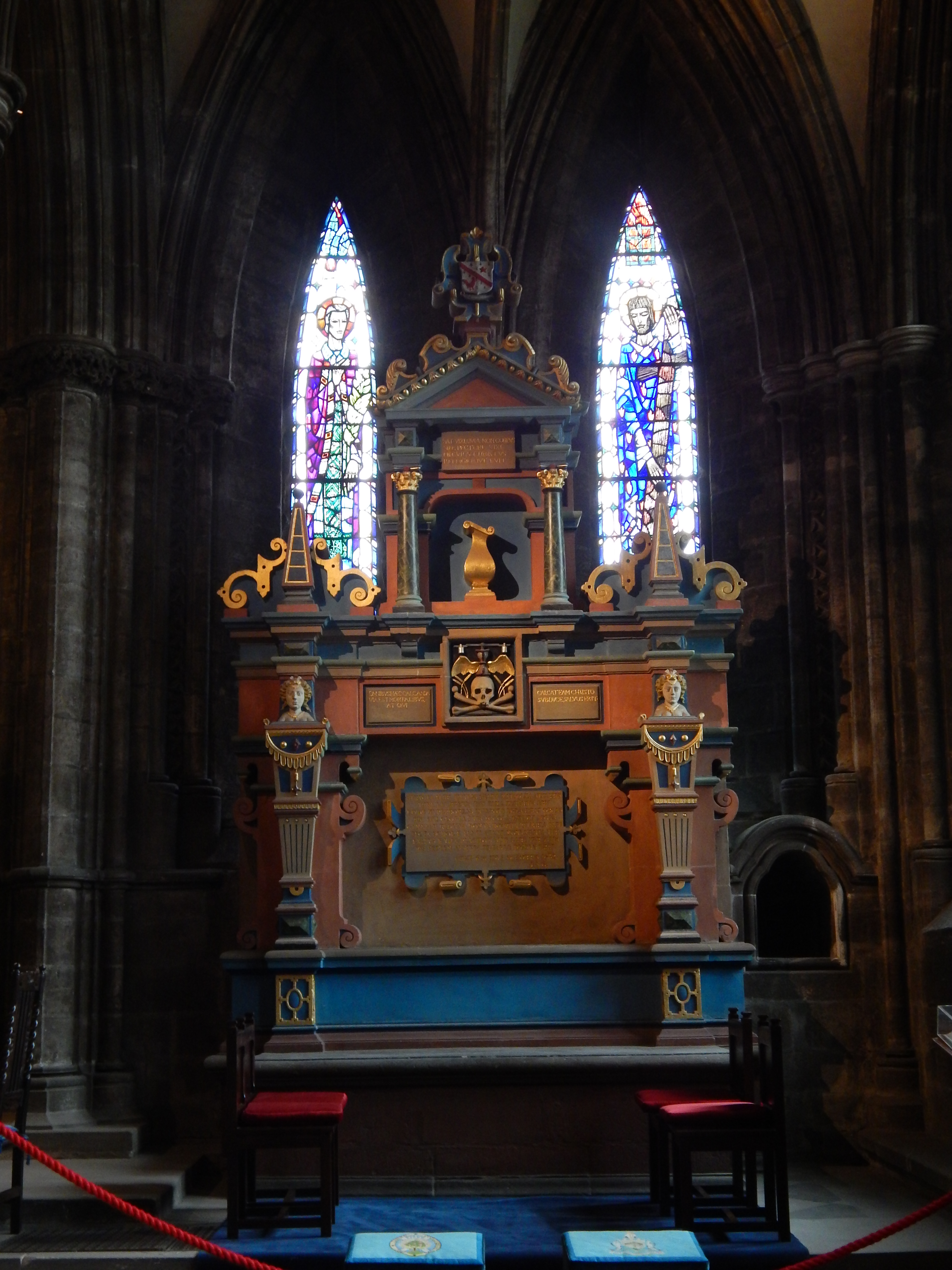
I stopped at one small chapel in the crypt for a quiet moment of prayer. I learned later that the particular spot I stopped was the Nurses Chapel. For reasons I will not go into here, this has particular significance for me. (As an aside, the first Women’s Nursing College started at the University of Glasgow in the late 1860s.)
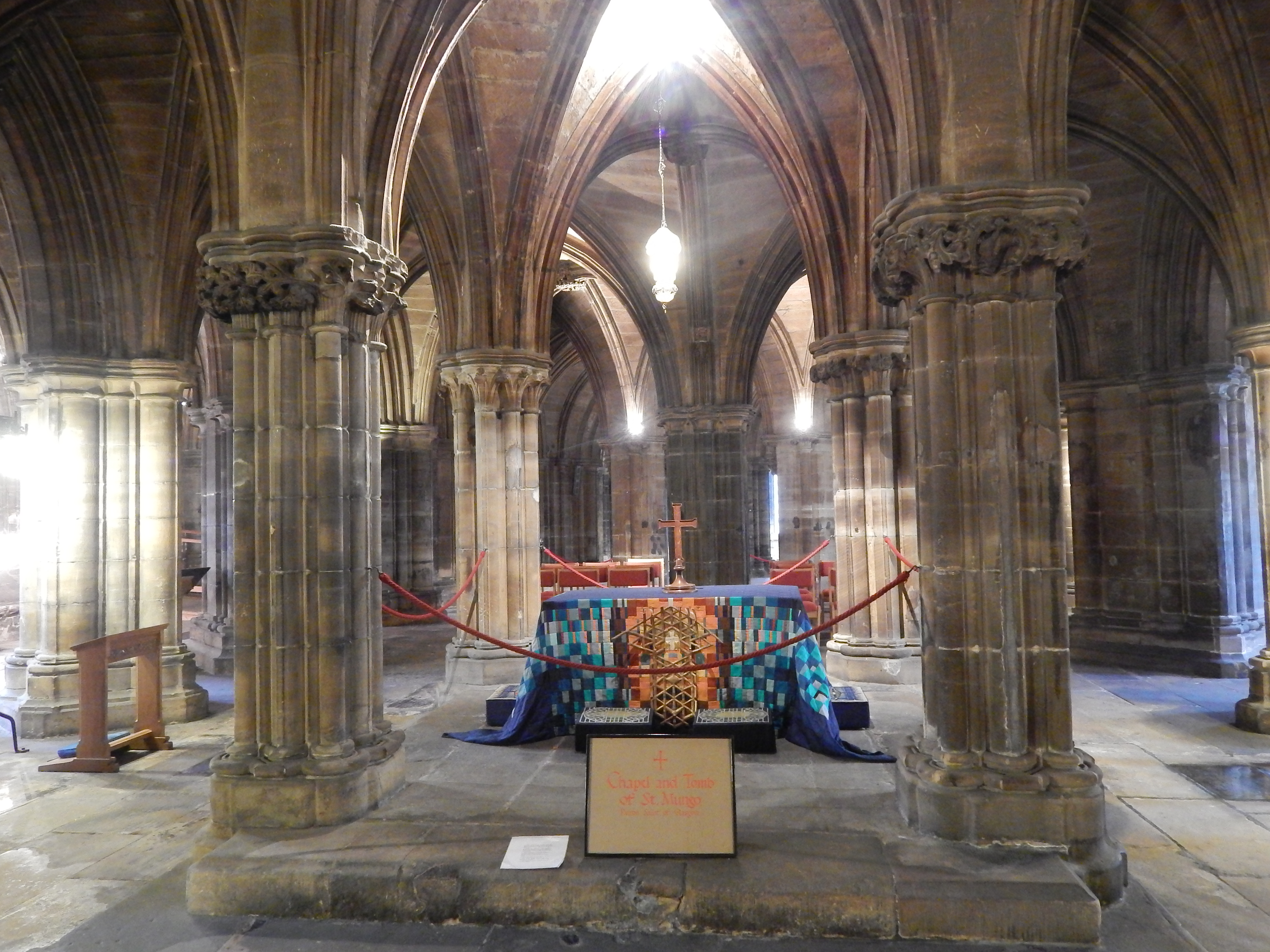
Crypt. Tomb of St. Mungo, Nurses Chapel beyond.
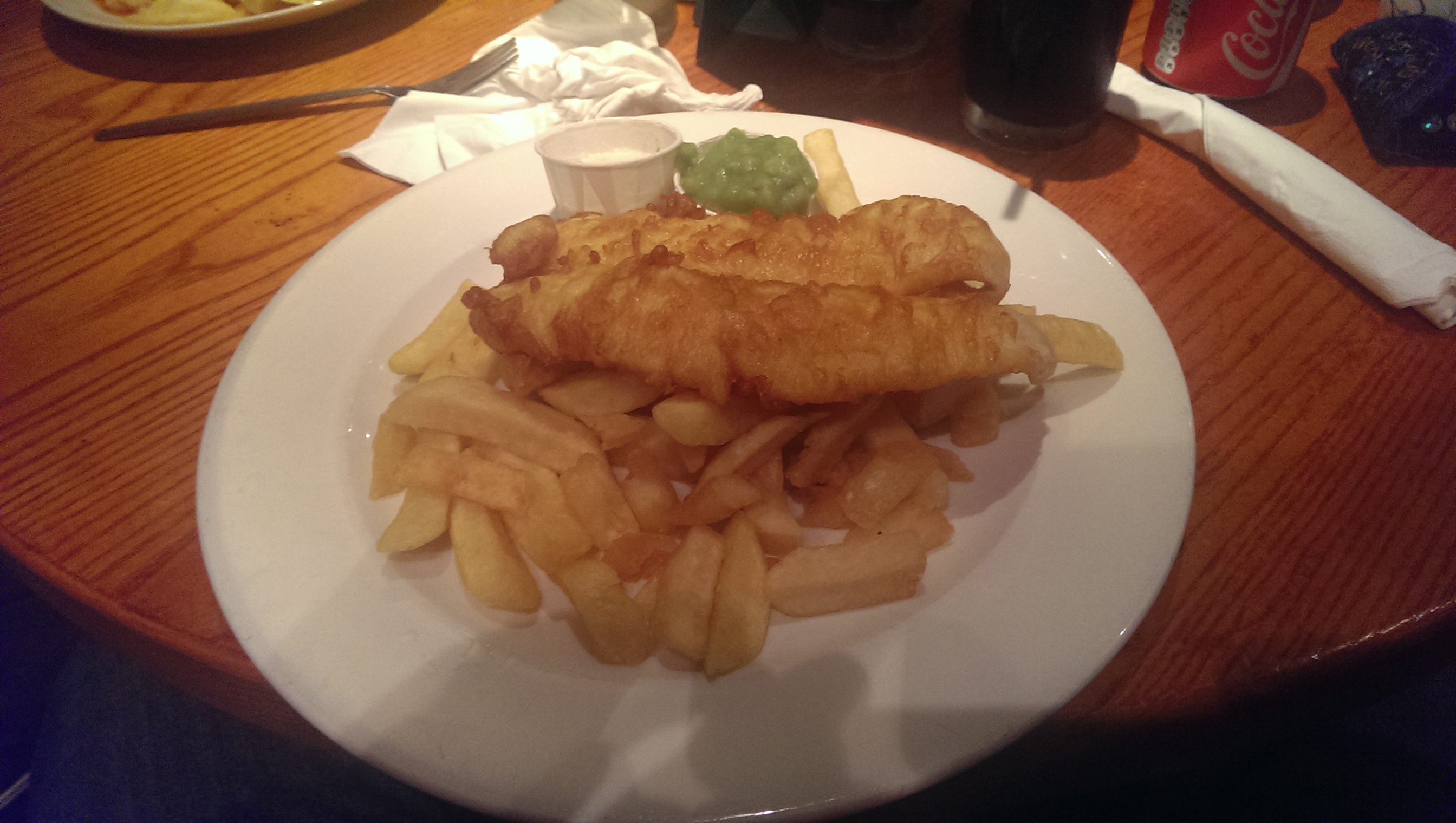
After the bus tour, I stopped at Central Station and collected tickets for the train journeys to Bath and London next week, and Portsmouth (where I have booked a cabin on an overnight ferry to Normandy) the following week. Finally had fish and chips in a proper neighborhood pub tonight.
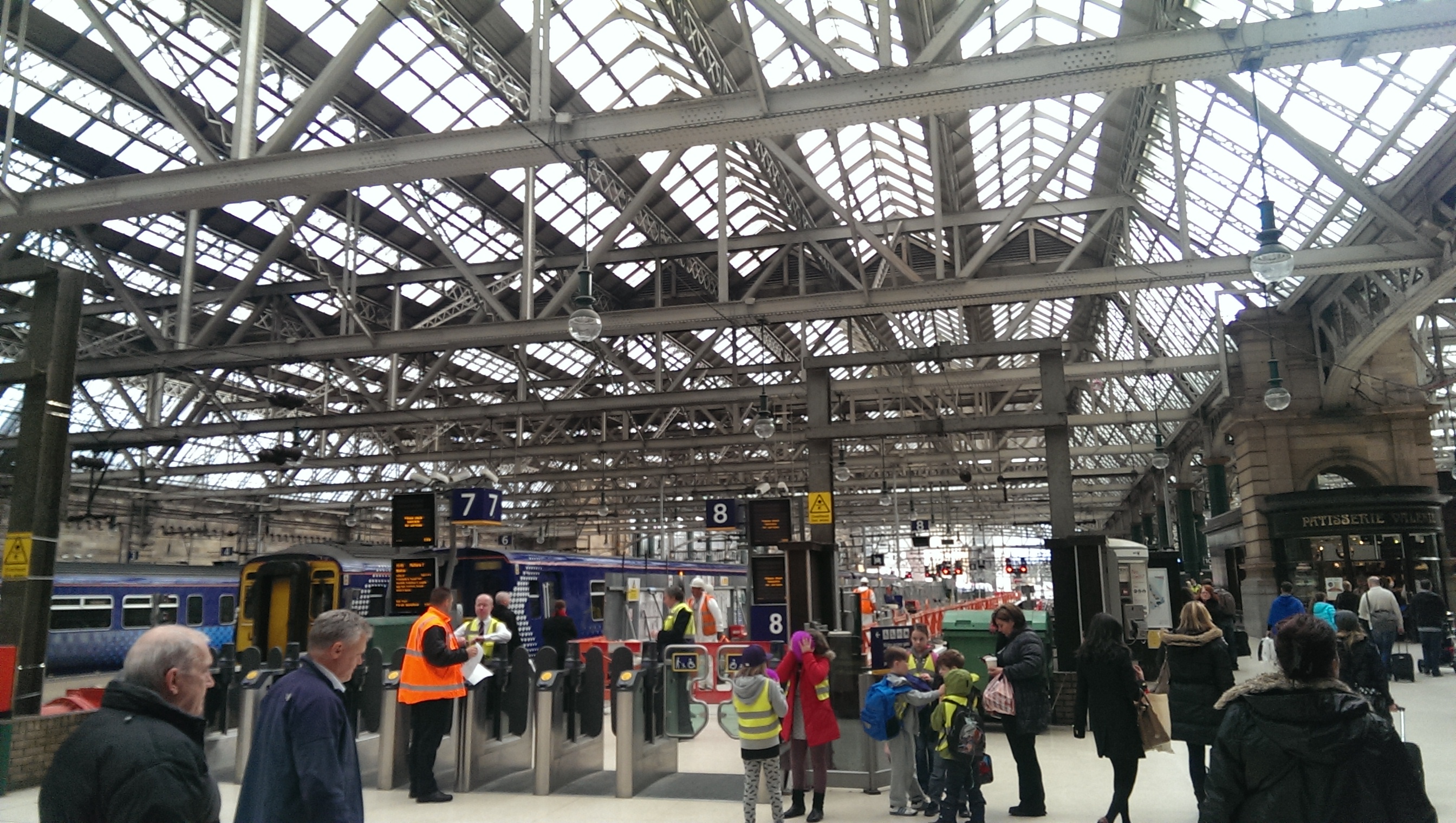
Cast iron canopy, Central Station
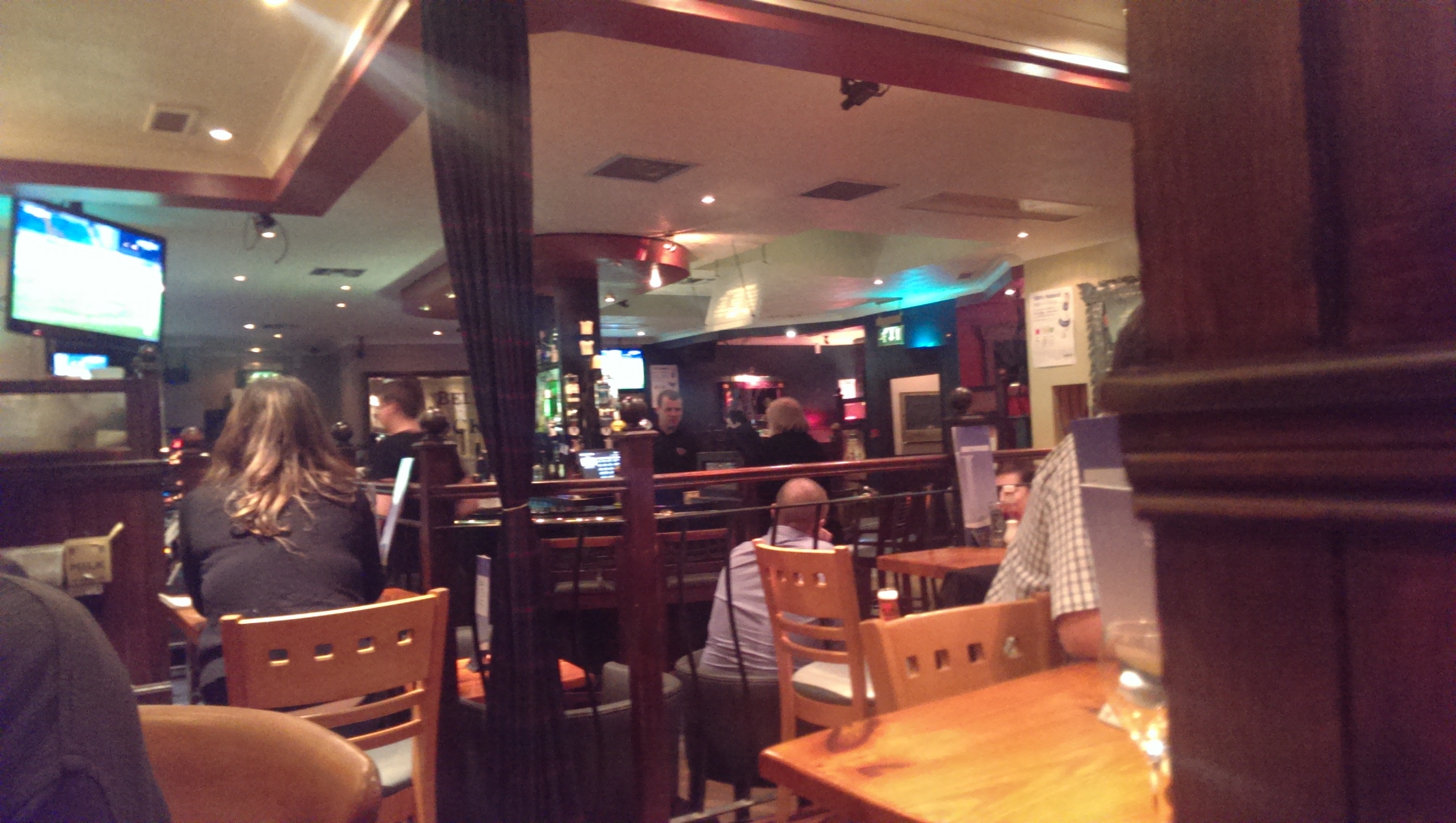
Lock 27 pub, Anniesland, Glasgow
Tomorrow I will venture by rail to Stirling to see the castle there and the Victorian monument to William Wallace. Stay Tuned.
Cheers!
 savagemythology
Nice! Some of the best images yet!
D
Reblogged this on Sculpture and commented:
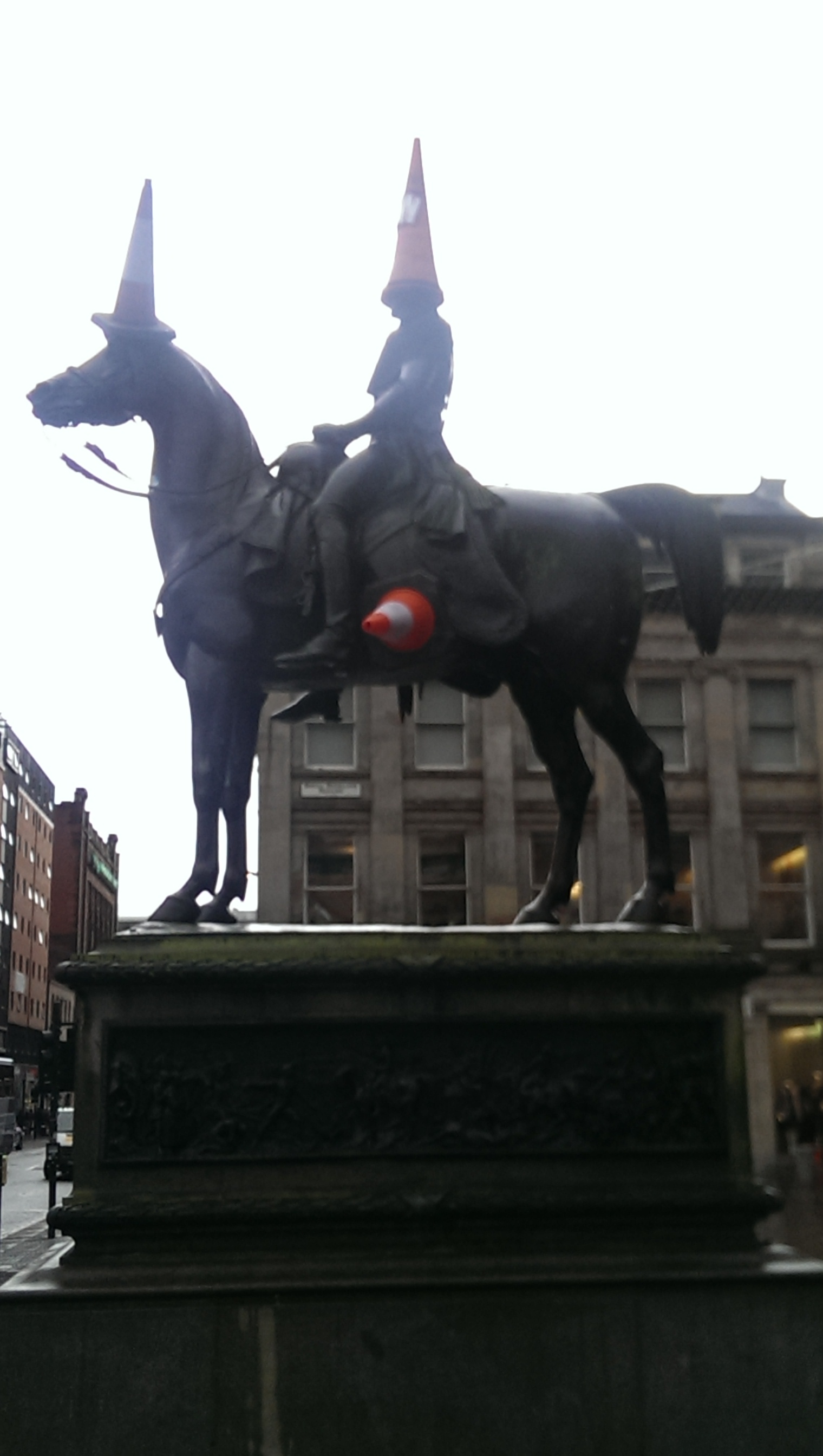
Re. last image of the Lord Wellington sculpture…
Creative fun or vandalism…
I have never seen it with that many traffic cones…