• About

savagemythology

~ Adventures In the World

savagemythology

Tag Archives: scotland

St. Andrews and the Old Course

20 Friday Mar 2015

Posted by savagemythology in Uncategorized

≈ Leave a comment

Tags

Golf, Old Course, scotland, St. Andrews, St. Andrews Castle, St. Andrews Cathedral, Tom Morris

IMAG2882

18 March, 2015

Charming Town

Tuesday 17 March, St. Patrick’s Day, I took a bus through the mists of County Fife to the coastal village of St. Andrews. This legendary Scottish town is home to the oldest university in the English speaking world, it is the spiritual home of the Church of Scotland, and of course, here are found the links of the Old Course of St. Andrews and the home of the game of Golf.

Market Street.

Market Street.

From the bus station I walked down Market Street in the heart of the town to find the Visit Scotland Information Center. I picked up several leaflets on the history of the town that I have not yet looked at and likely will not before I return to the US. Nothing like learning the history of a place a couple weeks after visiting. Ah well, such is the life. I have a strong feeling that I will return to St. Andrews one day. I purchased lunch stuffs from Gregg’s (a takeaway shop with no real equivalent in the states), and carried on eastward through the town to the cathedral ruins.

Looking north from Market and Castle Streets.

Looking north from Market and Castle Streets.

DSCN3539 DSCN3542

In my family, the name Taylor goes back several generations.  Here it is a chain of pubs.

In my family, the name Taylor goes back several generations. Here it is a chain of pubs.

Stunning cathedral ruins.

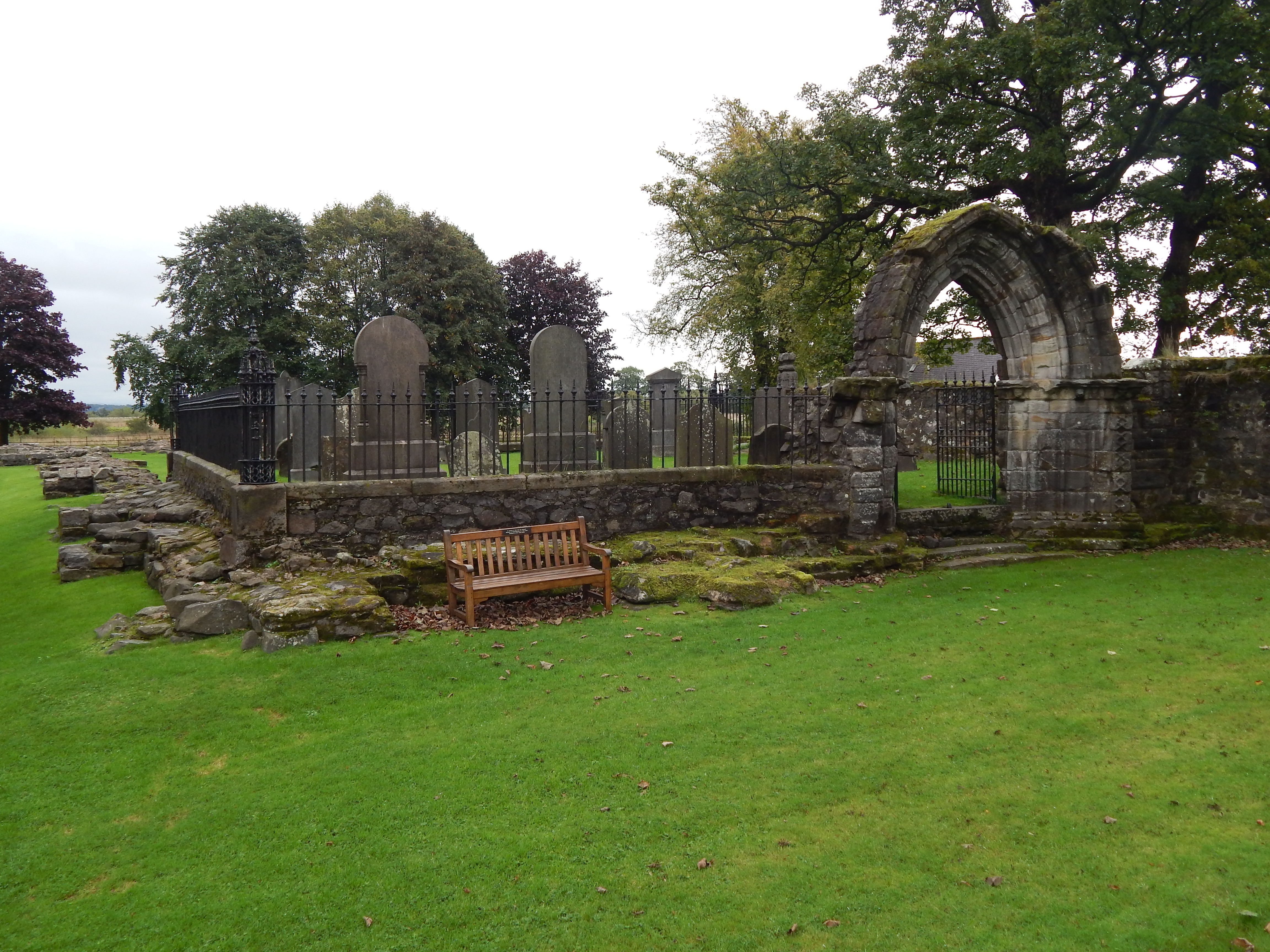
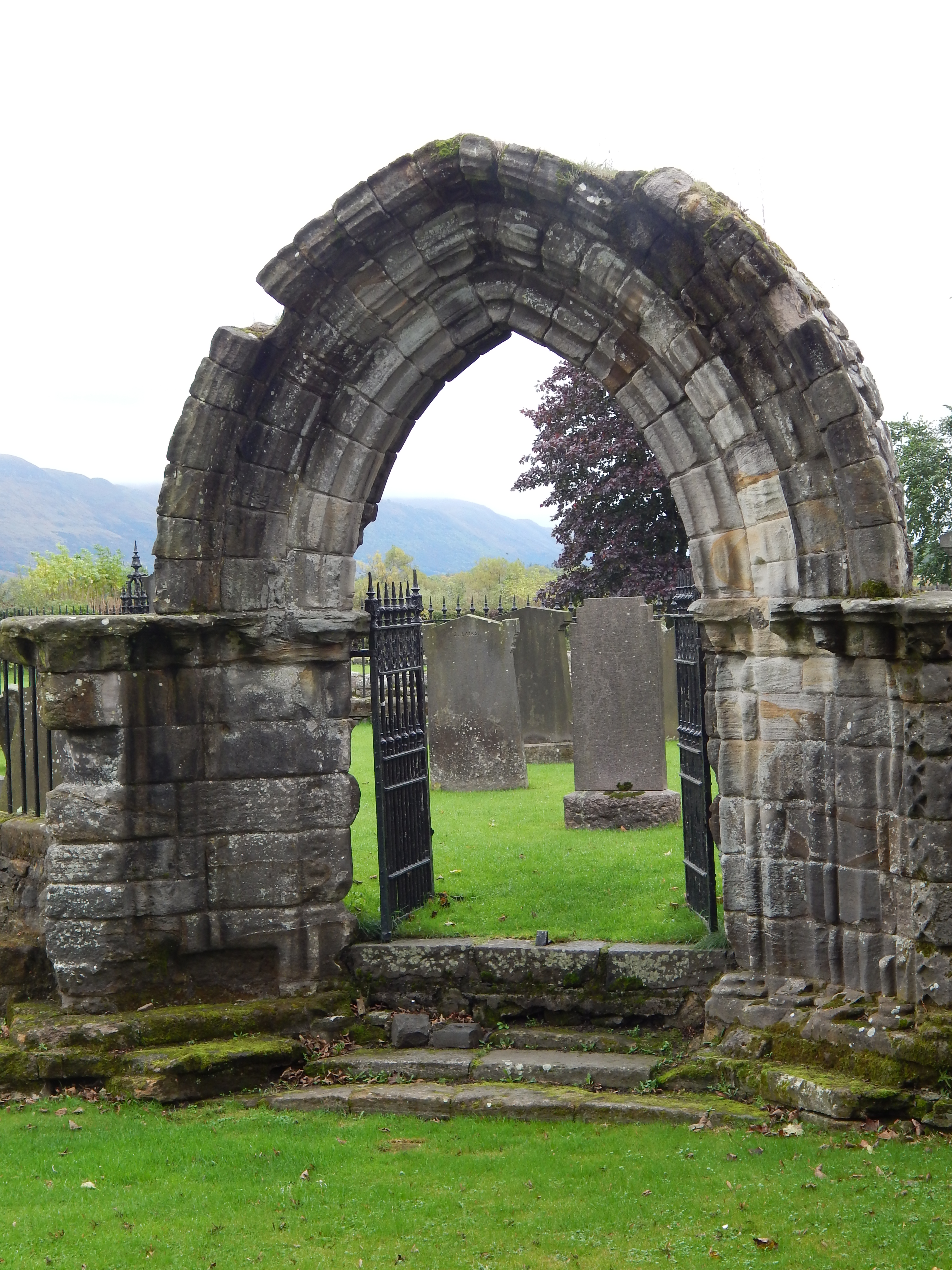
St. Andrews Cathedral was the largest building in Scotland when it was built, and remains the largest church constructed in the nation. Built between 1158 and 1318, it was abandoned by 1561 after the Scottish Reformation banned the practice of Catholic mass. By the end of the 16th century, the crossing tower and north wall had collapsed and the ruins began to be mined to re-purpose the stones for buildings in the town. In the mid 19th century efforts began to preserve the remaining ruins that still stand today. The bones of this once glorious cathedral stand watch over hundreds of graves on the cathedral grounds.

http://en.wikipedia.org/wiki/St_Andrews_Cathedral

DSCN3546 DSCN3549

800 year old stone on the west wall of the cathedral ruins.

800 year old stone on the west wall of the cathedral ruins.

The guys wanted a picture.

The guys wanted a picture.

DSCN3559 DSCN3563 DSCN3569

Clergy graves in the medieval priory

Clergy graves in the medieval priory

DSCN3579


DSCN3599


St. Rules Tower

St. Rules Tower

Inside the tower, looking up.

Inside the tower, looking up.

West and south walls from tower

West and south walls from tower

East wall and Castle from tower

East wall and Castle from tower

IMAG2870

Stonework at the top of the tower steps

Stonework at the top of the tower steps

Masons drawing on stone

Masons drawing on stone

Ruined Archway pieces

Ruined Archway pieces

Medieval tomb stone

Medieval tomb stone

The Morris Grave

On the south wall of the grounds, one monument stands pristine and white against the rest of the stone. I suspect it has been recently refreshed in anticipation of the 144th Open Championship this coming July. I don’t want to use my space here to try and give a biographical account, but if you know the game, you should know the name. There is a name shared by two men that is nearly synonymous with the Old Course – Tom Morris. Old Tom had a bigger hand than perhaps anyone in early course design and greens keeping. Between them Old and Young Tom won four of the first eight Opens, and Young Tom still stands as the youngest ever winner at 17 years old, and the only man to win four consecutive Championships. It was moving for me, immersed as I have been in the game since childhood, to stand at the grave of these men. I am not the only one. For many golfers this is but one of many stops on the pilgrims trail of St Andrews and the Old Course.

For more of the history of these men, see the Wikipedia:

http://en.wikipedia.org/wiki/Old_Tom_Morris

http://en.wikipedia.org/wiki/Young_Tom_Morris

Memorial to Young Tom Morris

Memorial to Young Tom Morris

The Morris graves.

The Morris graves.

Castle Ruins

The Bishops of St Andrews had a Castle on the coast just north of the cathedral. There were many notable events in the history of Christianity and the Church of Scotland that happened here. The ruins are gorgeous and very well preserved.  The castle is the site of one of the only siege mines that has survived to present day.

http://en.wikipedia.org/wiki/St_Andrews_Castle

Castle Sands and bathing pool

Castle Sands and bathing pool

DSCN3620 DSCN3610 DSCN3652 DSCN3634 DSCN3625

Inside the counter mine

Inside the counter mine

In the counter-mine

In the counter-mine

Where the mine and counter-mine meet

Where the mine and counter-mine meet

Inside the siege-mine

Inside the siege-mine

the Scores; the University of St. Andrews.

The Royal and Ancient on the right, the Old Course beyond

The Royal and Ancient on the right, the Old Course beyond

Leaving the castle, and heading north west on the the street called the Scores, I set out for the golfing grounds. Leaving the University area, I came into a car park atop a hill. Ahead of me stood the obelisk of the Martyrs Monument (to protestants killed in the Scottish Reformation). Beyond, the Royal and Ancient Golf Clubhouse and in the mist the 18th fairway and the Swilcan Bridge.

DSCN3663

Tom Morris's shop

Tom Morris’s shop

The Tom Morris Golf Shop is the oldest in the world and overlooks the 18th green on Link Lane. It is still in the family and open today, though they no longer make and repair woods, mashies, and niblicks. Today it looks to be a high end clothing shop. Just inside the window, Tom’s workbench still stands, and in a glass case, his clubs and locker from the Royal and Ancient Clubhouse are preserved. I purchased a book about Old Tom himself.

IMAG2873

Panorama from the steps above the #1 tee/ #18 green

Panorama from the steps above the #1 tee/ #18 green

DSCN3723

I set out onto the course, at first down the perimeter path to stay out of the way of the remaining foursomes coming home at the end of the day. I hoped to make it clear to the shore, but only got as far as the fifth green and fourteenth tee before turning back in order to get home before dark. Once I passed the last of the groups playing, I made my way out onto the links proper. I found myself happy to be alone as I walked, because I was laughing like a madman in disbelief that I was actually there. Beyond the walk, I intended to bring home a unique souvenir for myself and a few friends who can appreciate it. The plan, successfully carried out, was to nick a wee bit of sand from some of the bunkers. In the end I brought sand from Admiral’s bunker on (3) Cartgate Out, the Hell bunker on (14) Long, and the legendary Road Hole Bunker on (17) Road. I photographed tee markers, the landscape, took the obligatory selfie at the Swilcan Bridge (Ground Under Repair for the upcoming Open), and let the minions out to experience it for themselves.

Near Swilcan Bridge, 18 fairway behind me.

Near Swilcan Bridge, 18 fairway behind me.

The Road Hole Bunker at #17 green

The Road Hole Bunker at #17 green

DSCN3679

Admiral Bunker on #3

Admiral Bunker on #3

Gorse.  This ground is all in play.

Gorse. This ground is all in play.

I wish I was building this one!

I wish I was building this one!

Panorama near #5 green -- the extent of my walk on the course

Panorama near #5 green — the extent of my walk on the course

DSCN3689

In the far left, the Hell Bunker on #14

In the far left, the Hell Bunker on #14

I stood on the tee at (18) Tom Morris as the daylight faded, looking at one of the most famous views in the game and thought about the history these links have known. For 600 years the game has evolved here to what it is today. It is not a place of immaculate beauty. It is a simple landscape, natural and not heavily manipulated by the hand of man. These links, while in themselves challenging present an amazing potential for testing your character and mettle. A well placed ball might produce a rewarding round, but this course looks very demanding and unforgiving. Bunkers are not the small and pristine beaches I grew up with, rather they are terrifying holes that appear suddenly in the landscape ready to swallow your ball and ambitions, perhaps forever. I am not much of a golfer, but having grown up on a golf course and surrounded by the game, it was something of a pilgrimage for me to visit St. Andrews. I don’t know if I will ever return to play the links, but just to have walked ten of the eighteen holes moved me beyond words. I have had many frustrating days with the game, but I do not believe I have ever been moved to tears just standing on, and walking about, a golf course. But then, this is not any course. This is The Old Course, a place of history and legend. As I walked home up the wide shared fairway of 18/1, a hole named Tom Morris, I strode in the footsteps of the giants of the game. Old and Young Tom Morris, Bobby Jones, Arnold Palmer. The Golden Bear, The Shark, and Tiger.

The most famous tee view in the game

The most famous tee view in the game


DSCN3675

The Swilcan Bridge

The Swilcan Bridge

The Swilcan

The Swilcan Burn

Approaching the Royal and Ancient at dusk.  The Swilcan Bridge is behind the green barriers.

Approaching the Royal and Ancient at dusk. The Swilcan Bridge is behind the green barriers.

This summer the Open Championship returns to the links of the Old Course, and on a rare Sunday afternoon that play is allowed one man will make this walk up 18 and into the pages of the game’s history. He will stand atop the steps, beneath the clock and frieze of Old Tom Morris on the Royal and Ancient Clubhouse and hoist the Claret Jug. I will never know that feeling, maybe one day I will be serious enough to return and play the course, but after my visit, this place is become very real for me. I have stood atop those steps and looked out across the dunes into the mist and wondered if I have what it takes. What would this greatest course in golf reveal within me?

The Guys on 18 tee

The Guys on 18 tee

Me and the Guys at the bridge.

Me and the Guys at the bridge.

fin

Dunnottar Castle

16 Monday Mar 2015

Posted by savagemythology in Uncategorized

≈ Leave a comment

Tags

Dunnottar Castle, scotland

DSCN3526

14 March, 2015

I have been to a few spectacular places in my travels, but I don’t think any have been as outright stunning as Dunnottar. The castle is perched atop a rocky peninsula two miles south of Stonehaven. Though the ruins that stand today are predominantly from the 16th and 17th centuries, this has been the site of a fortress since before William Wallace in the late 12th. Works continue with restoration and upkeep and their composter was cheekily labeled as being from the early 21st century.

DSCN3344

The Stagecoach X7 Coastrider bus drops off on the highway about 1/4 mile from the castle car park. From there it is another quarter mile or so to the castle gate. There is a brief diversionary path that leads to an amazing view of the castle from a bluff just to the south. Returning from this vantage point I eschewed the stairway for a steep grassy trail that may well follow the historic approach to the castle.

DSCN3353 DSCN3360 DSCN3510

I’d like to say that I have some sense of the history of the castle, or a great tale of heroic romance that I took away from my time there. What I came away with was just being humbled by the experience of Dunnottar’s incredible beauty. In the course of events in the Highlands and Aberdeenshire the castle has more than once held an important role. Wallace and the Bruce were here in the 12th century, and the Scottish Crown Jewels were hidden from the English.

As always, the wikipedia: http://en.wikipedia.org/wiki/Dunnottar_Castle

Unlike so many other castles there are no grand walls and crenelated fortifications here. The cliffs of the outcrop provide the defenses for a collection of buildings that sit atop them like an island fort. Any invading force is put a distinct disadvantage by the landscape itself before any defensive works are encountered.

DSCN3443 DSCN3439 DSCN3405 DSCN3381

Chapel interior

Chapel interior

DSCN3437 DSCN3488 DSCN3473

I walked the grounds astonished by the grand beauty of the ruined buildings, and humbled by the fact I was actually there. I took nearly 200 photographs in the three hours I was at the castle. I am sure you will agree that there are some fantastic images here. I have selected just a few that I think are the best. The camera cannot capture the experience, though. The page can convey the idea, but never the wind coming from the North Sea, or the sound of the waves on the rocks below. My words cannot truly capture the feeling of standing on the cliff across the bay, or on the beach below, looking at the tower rising above the gate.

Restored 17th century drawing room

Restored 17th century drawing room

Drawing room exterior

Drawing room exterior

DSCN3456 DSCN3470 DSCN3490

Time marches on, and I must be off so I can pack for travel to Dundee.  I hope to catch up with a few more pics from Inverness as well as some from around central Aberdeen tomorrow.

DSCN3517

Stonehaven from the coastal trail.

Stonehaven from the coastal trail.

DSCN3393

fin

The Battlefield on Culloden Moor

13 Friday Mar 2015

Posted by savagemythology in Uncategorized

≈ Leave a comment

Tags

Battle of Culloden, Culloden Battlefield, Culloden Moor, Highland history, Highlander, Inverness, Inverness City Center, scotland, the Highlanders

DSCN3300

12 March, 2015

As I start this entry, I am on the 8A bus heading east from Inverness City Center, headed to the site of one of the bloodiest battles in Highland history. More on the history of this place to follow.

On this last full day here at Inverness I once again find that seventy two hours is barely enough time to be anywhere and come out feeling like I have done anything but scratch the surface of what is there. It is entirely likely that I will one day return here as a starting point for a summer time tour of the upper Highlands and islands.

Writing on my new tablet — the Galactic Savage — I am immediately aware of two things: one, that I need a genuine word processing app, and two, I must secure a detachable keyboard before the onscreen thumb typing makes me crazy. Time to consult the interwebs about that. More and more, however, this device is proving itself useful to me.

DSCN3294

Back on the bus to the city. The day has taken a wintry Scotch turn. I was able to tour the battlefield before the rain blew in. The weather on the moor was likely quite like that on the day nearly 270 years ago when the Jacobite uprising was stopped here in this boggy heather.

IMG_2650DSCN3309

The history of the Battle of Culloden Moor is more than just the hours slaughter of the Jacobites hoping to restore the Scottish Crown to the Stewart Prince. It begins long before that. The Wikipedia can give a far better and thorough history of the conflict.

http://en.wikipedia.org/wiki/Battle_of_Culloden

The battle for Scottish independence is not a new thing. It goes back a thousand years at least. Time and again it is the Highlanders that are behind the desire to be free. These are a fierce people who have wanted to stand on their own in the world for countless generations.

On the left of the path are the graves the Jacobite Highland Clansmen.

On the left of the path are the graves the Jacobite Highland Clansmen.

DSCN3303

clan Mackintosh

clan Mackintosh

DSCN3296

There is a comprehensive visitors center that details the story of the events that led up to the day in 1745 that the two forces met on this boggy field. Exiting the rear of the museum, there is a 45 minute walk that tours the main points of the battlefield. This is perhaps one of the best audio-guides that I have ever used. The way points are triggered by GPS, and there is additional information, complete with pictures and animations on an Android powered touchscreen, available between stations on the tour.

Like Omaha Beach the land here bears few scars of the brutal events that took place, but like the Norman beach there is an echo in the air of the tragic loss of life. Towards the end of the loop, the path comes to the stones marking the mass graves of the Highlanders who died that day. It is estimated that more than 1500 men lost their lives in the fateful charge. The men were buried together with their fellow clansmen. Stones mark the spots where the different clans lay in their eternal rest.

To the Scots this ground is more than just a memorial to fallen ancestors. It is a hallowed war grave, and a part of the national psyche. For on that day, it was more than just a battle, more than just an uprising against the crown that was lost. Following the conflict the wearing of Tartan was banned, and the Highlanders lost a large part of their identity.

There are not so many pictures from the day. Like my day in Normandy a year and a half ago, the things that are here cannot be photographed. It is an experience for the mind, heart and soul. I left the moor with a feeling that I understand the Scots, particularly the Highlanders, just a bit more. Building on my experience learning of the battles of the Highland Picts against the Romans, of Robert the Bruce and William Wallace against Edward Longshanks in the battles of Stirling Bridge and Bannockburn, through to the WWI Highland Fusiliers, I have come to understand that these are a proud, rugged and fierce people. They have a strong national pride – I have not seen the Union Jack flying anywhere, but the Blue and White Cross of St. Andrew is everywhere – and loyalty to their fellow countrymen that is truly respectable. Even across clans, when the call is made, “Are there no true Scots?” they will all rise together as one people.

I do not know the history of it, but Walker is a Scottish name. While I am clearly an American mutt from many generations and many different international bloodlines in the UK and Western Europe, I know that there is Scots blood in me, and I am proud.

A few more pics around Inverness as I prepare to head for Aberdeen.

A wee bit aboot tha hielan' coo.

A wee bit aboot tha hielan’ coo.

IMG_2657 IMG_2656IMG_2644

fin

Urquhart Castle

12 Thursday Mar 2015

Posted by savagemythology in Uncategorized

≈ 1 Comment

Tags

Loch Ness, scotland, Urquhart Castle

DSCN3281

12 March, 2015

Forty minutes bus ride into the Great Glen from Inverness to the Castle Urquhart on the shore of Loch Ness. The weather was fantastically Scottish for my visit. Gray and rainy with gusty wind. There were three to four foot swells and white capped waves breaking down the length of the Loch. Truly the Highlanders are hearty folk to have lived in this place for millennia.

Overview of the castle.

Overview of the castle.

DSCN3211

DSCN3284 DSCN3283

The guys are unsure of the weather, but wanted a souvenir shot.

The guys are unsure of the weather, but wanted a souvenir shot.

The craig on the shore of the Loch has been fortified since the sixth century, if not longer. A succession of Kings and Lords built the castle in stages through the 17th century. Today what stands are remains of walls and a tower that were restored in the last 100 years. The castle sits in a prominent and strategic place on the water, and commands a gorgeous view of the surrounding area.

DSCN3278 DSCN3274 DSCN3263 DSCN3260 DSCN3254 DSCN3251 DSCN3250 DSCN3241 DSCN3238

Today these are but the crumbled ruins of walls and foundations, but for centuries this was home to more than 100 people, and the center of life for countless others in the surrounding area. There are two distinct phases of the castles’ existence. The Grant Tower on the north end is the newest part, and the ruined foundations on the high craig are where the earliest buildings stood 1500 years ago. It always amazes me to stand in these places and imagine life in the medieval times. Today it is a historic preservation, but there were thousands who were born and lived and died here. This place was their world.

The older fortifications.  Already ruined in the 17th century.

The older fortifications. Already ruined in the 17th century.

The newer close, with the 17th century Grant Tower.

The newer close, with the 17th century Grant Tower.

DSCN3232

On the Tower. Tim was the only one willing to come out for another picture. Jerry said “no thanks” and Wee Dave was afraid of being blown into the Loch and eaten by the monster.

DSCN3226 DSCN3225 DSCN3222 DSCN3220 DSCN3216

The blustery weather did hold one advantage for me. There were relatively few people there. One lady in the shop told me that in the summer the castle can see up to four and a half thousand a day. On my visit there were maybe a dozen at most among the ruins with me. This allowed me to capture images of the place that are nearly completely unpopulated.

IMAG2835

The day calls, and I must be on my way to Culloden.

Banana!

Banana!

Fin

Anniesland Arrival: Four days from Iceland to Glasgow

09 Monday Mar 2015

Posted by savagemythology in Uncategorized

≈ Leave a comment

Tags

glasgow, Iceland, reykjavik, scotland, Troon

IMG_2508

7 March, 2015

Enjoying a cuppa at my friends kitchen table here in Anniesland, Glasgow. It’s a gray and rainy day here in the UK, perfect for sorting the next two weeks.

My time in Reykjavik was fantastic. The layover offered is such a wonderful way to get through the jet-lag before reaching a European destination. Just two years ago, Iceland was just an island on a map, today I have several new friends there, and I look forward to returning many times in the future. I had a mellow stay this time. Hot pots and steam baths the first morning, the Game of Thrones revisited tour, and a fair amount of rest adjusting to the seven hour time change from the Rocky Mountains

IMG_2497 IMG_2490

IMG_2480 IMG_2475

Thursday morning I had coffee with my friend Petur Steinn at the Perlan – former hot water storage tanks that have a dome atop them with a restaurant and cafe that have fantastic views of the city. Leaving here we went to the President’s house. We walked right up to it, the grounds around the church next to the house are completely open. We joked that maybe we could have a coffee, but it looked like there was no one home.

IMG_2477

President's House.

President’s House.

Walking right up to the President's House in Iceland

Walking right up to the President’s House in Iceland

Shot of a selfie shooter

Shot of a selfie shooter

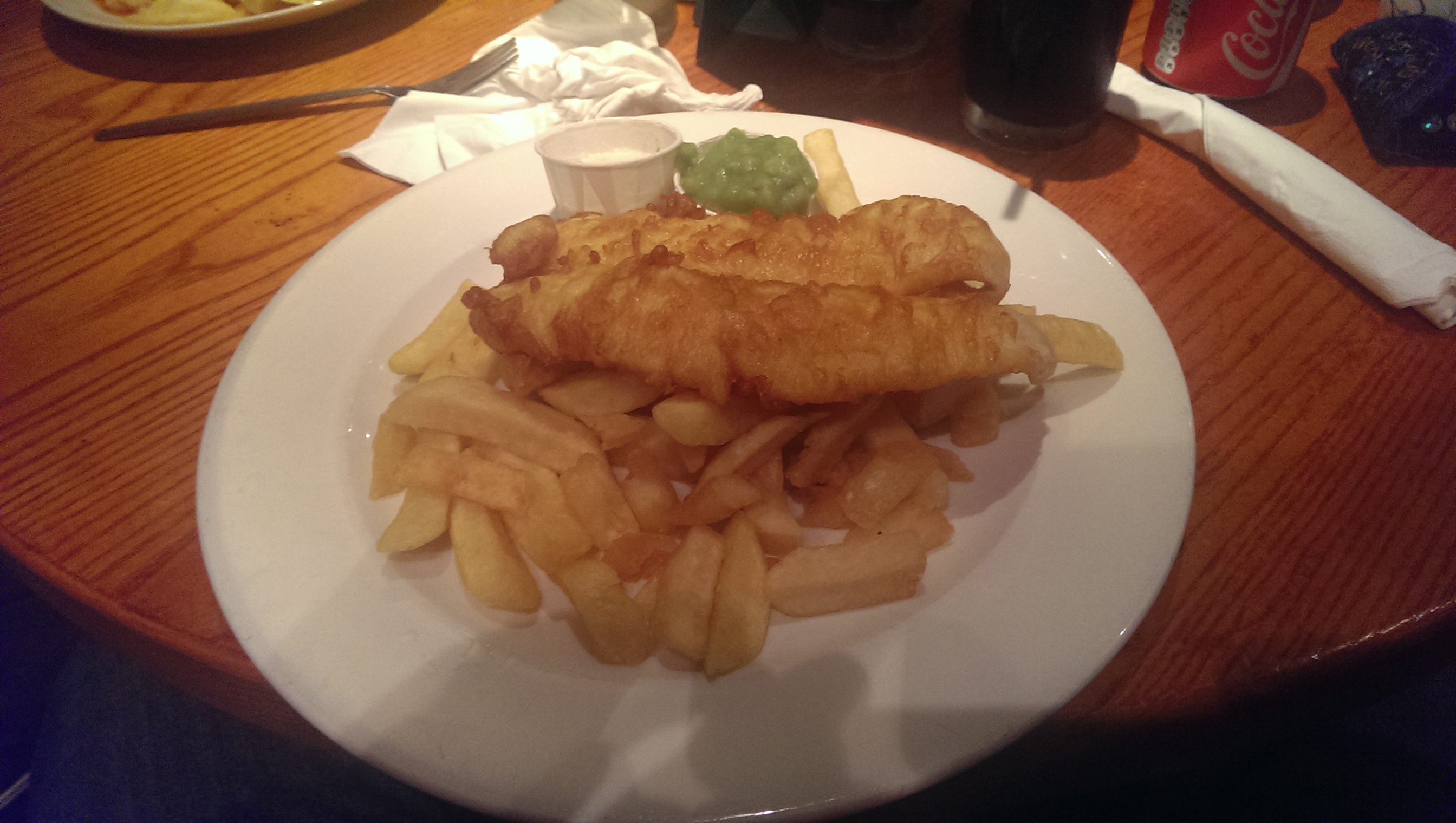
Returning to my hotel, I began to organize my kit for the flight to Glasgow and the next chapter of this adventure. Late afternoon I went out on the town and made my way to the Saga Museum. Seventeen vignettes depict key scenes from Icelandic history. I had a pretty decent fish and chips at the Reykjavik Fish Restaurant and spent a while walking around the old harbor area before meeting new friends for a late coffee and dessert.

IMG_2488 IMG_2486 IMG_2483

Viking headwear at the Saga Museum

Viking headwear at the Saga Museum

Banana!  Well, fish and chips for lunch.

Banana! Well, fish and chips for lunch.

Excursion van for trips into the countryside over the lava and snowfields.

Excursion van for trips into the countryside over the lava and snowfields.

Icelandic Pancakes with sugar and Jam

Icelandic Pancakes with sugar and Jam

Late coffee and dessert with new friends at Paris Cafe.

Late coffee and dessert with new friends at Paris Cafe.

Trolls in the window at 66 Degrees North

Trolls in the window at 66 Degrees North

Old Harbor Area

Old Harbor Area

My desk at Centerhotel Skjaldbried.

My desk at Centerhotel Skjaldbried.

The night brought no sleep as I packed my gear for the flight, and waited for the FlyBus to pick me up to go to Keflavik International Airport at four am. Though everyone is at the airport at such an early hour for the days’ first European flights, it is remarkably efficient. I moved quickly through a long queue for baggage check and then for security. I think it took longer to unload and repack my hand luggage than the time in the actual screening process or line.

The flight was delayed by waiting for fuel. Then someone inadvertently disconnected the ground power, resulting in the aircraft having to be completely restarted from zero – a “hard reboot.” Taking off into fifty knot winds made for a bumpy ride out. We rode light turbulence at FL34 (34,000 feet) skimming across the tops of clouds for the two hours flight across the North Atlantic and Upper Highlands to and exciting and rather hard crosswind touchdown in Glasgow.

Glasgow City Center.  Canopy of lights.

Glasgow City Center. Canopy of lights.

IMG_2518

Me and Trisha!

Me and Trisha!

Glasgow City Center under the canopy of lights.

Glasgow City Center under the canopy of lights.

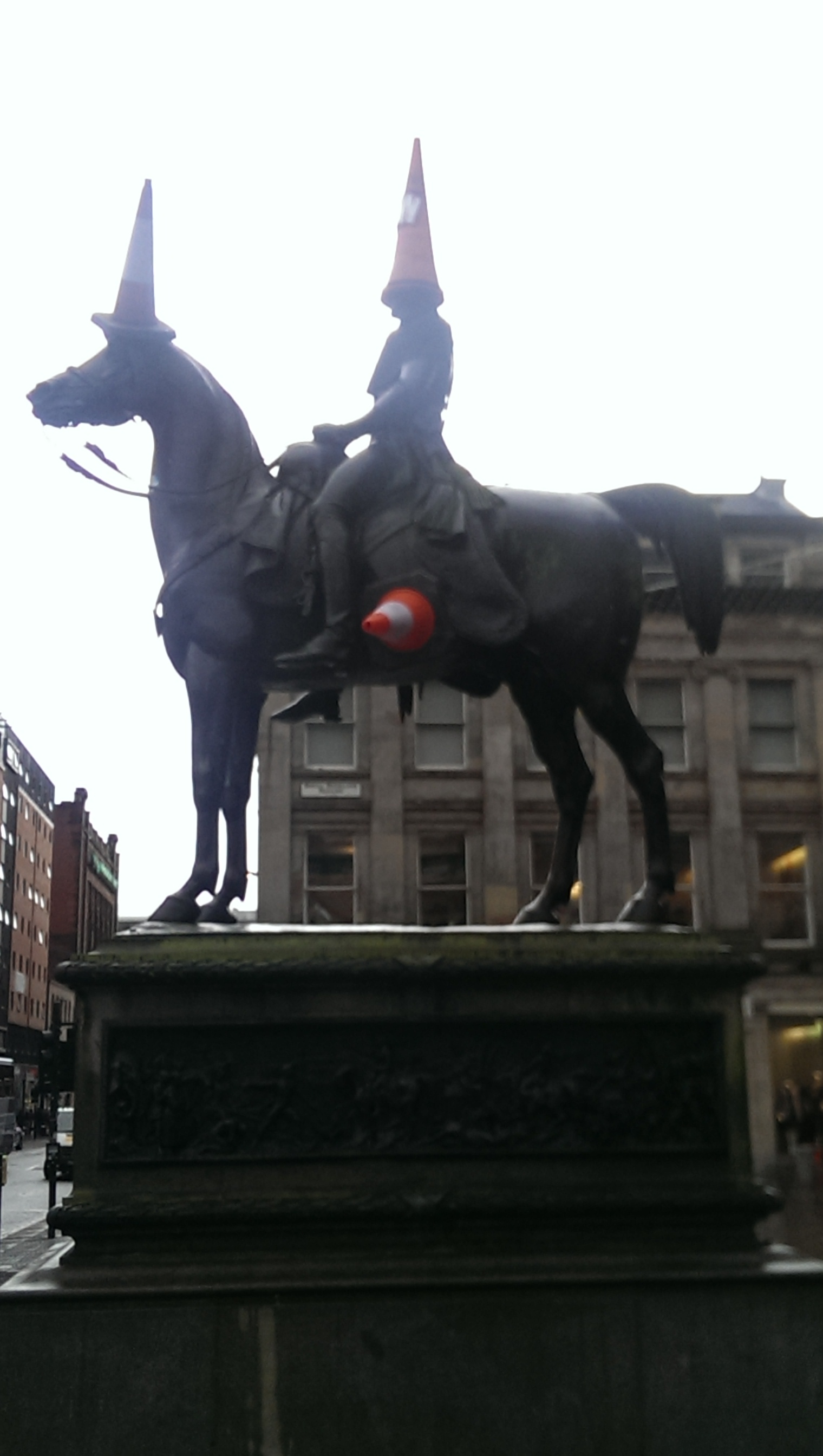
Looks like the Doctor's here.  I wonder if he locked up?

Looks like the Doctor’s here. I wonder if he locked up?

Friday evening and Saturday were spent with my friend, catching up, working out plans on a calendar, and a jaunt to City Center on Saturday night. Sunday we took a train southwest from Glasgow to See the beach and have lunch at Troon on the coast. It was a cold and windy day, but it is always good to see the ocean shore.

Troon.  The Royal Troon Links are just below the town in the white area between the railway and shore.

Troon. The Royal Troon Links are just below the town in the white area between the railway and shore.

DSCN3122 DSCN3124 DSCN3129DSCN3131

View across the bay

View across the bay

Looking south towards the Royal Troon Links.

Looking south towards the Royal Troon Links.

DSCN3143

WWI Memorial to the Troon boys buried in foreign soil and lost at sea.

WWI Memorial to the Troon boys buried in foreign soil and lost at sea.

On the WWI Memorial -- note Robert Walker and William Wallace

On the WWI Memorial — note Robert Walker and William Wallace

DSCN3155 DSCN3164 DSCN3160

Monday the 9th brought more blustery, rainy weather – a typically Scottish late winter’s day. We ventured into City Center for lunch, a couple of shops and to pick up my train tickets for the week’s journey around the Highlands. Tomorrow I head for Inverness for three nights. I plan one day up Loch Ness to Castle Urquhart and a day in Inverness proper, then I head to Aberdeen for the weekend.

IMG_2533

Front of Glasgow Central Station

Front of Glasgow Central Station

The Doctor's still here.

The Doctor’s still here.

Buchannon Street -- Glasgow's main shopping district

Buchannon Street — Glasgow’s main shopping district

Mmmmmm!  Bangers and Mash (and peas, of course)

Mmmmmm! Bangers and Mash (and peas, of course)

Another Tardis, another Time Lord?

Another Tardis, another Time Lord?

IMG_2528 IMG_2529 IMG_2532

Shifting gears again and preparing for the next stage. Cheers!

Bello!

Bello!

Booking an crafting words.

Booking an crafting words.

fin

Aside

Bound for Bath

21 Monday Oct 2013

Posted by savagemythology in Uncategorized

≈ Leave a comment

Tags

edinburgh, glasgow, scotland, travel

Rainbow over Anniesland, Glasgow

Rainbow over Anniesland, Glasgow

21 October, 2013

I had planned to take the time on the train to Brighton to write about my experience in Glasgow, however my mind is a bit preoccupied with a booking error I made when purchasing the tickets for today’s journey. The Euro calendar starts on Monday rather than Sunday as the calendars in the States tend to. As such, I ticked the second day of the week, thinking that was Monday as I am used to. Turns out that was Tuesday. The Train Manager pointed this out to me on inspecting my ticked as we left Glasgow this morning. He said typically I should have to purchase fare to the journey today. Being an American tourist in First Class who doesn’t travel regularly, he allowed me to stay on without purchasing an additional ticket. He suggested I talk to the Ticket office in Birmingham and see if they might be able to sort out my problem. It remains a very possibility, and even likelihood that I will have to purchase a new ticket for the remainder of my trip to Bristol and Bath. We shall see. More, as they say, will be revealed.

My train from Glasgow to Birmingham

My train from Glasgow to Birmingham

Virgin, First Class

Virgin, First Class

Welsh countryside from the train

Welsh countryside from the train

My reflections on Glasgow are all good. A nice city with very friendly people. I didn’t get around as much as I will in other cities in the forthcoming weeks, but the purpose of my stay was not predominantly tourism. It was wonderful to reconnect an old friend. After reconnecting online nearly twelve years after we were in college together, we have been through quite a lot together via emails, online chat and phone calls here and there when she was in Hawai’i. Five years ago we saw each other for an hour while she was on a layover in Denver as she was on her way to Scotland. So the last week has been filled with stories and catching up, and for me some measure of rest before heading out on my months journey through England and France.

There’s not much ground to cover, or any particular thesis to this post, just to wrap up my time in Glasgow as I am on a four hours journey to Birmingham.

130+ steps in this pic

130+ steps in this pic

IMAG0567

Edinburgh Castle at night.

Edinburgh at night

Edinburgh at night

Cheers!

On the train from Edinburgh to Glasgow

On the train from Edinburgh to Glasgow

A Stirling Day

20 Sunday Oct 2013

Posted by savagemythology in Uncategorized

≈ 3 Comments

Tags

Cambuskenneth Abbey, castle, scotland, Stirling, Stirling Castle, travel

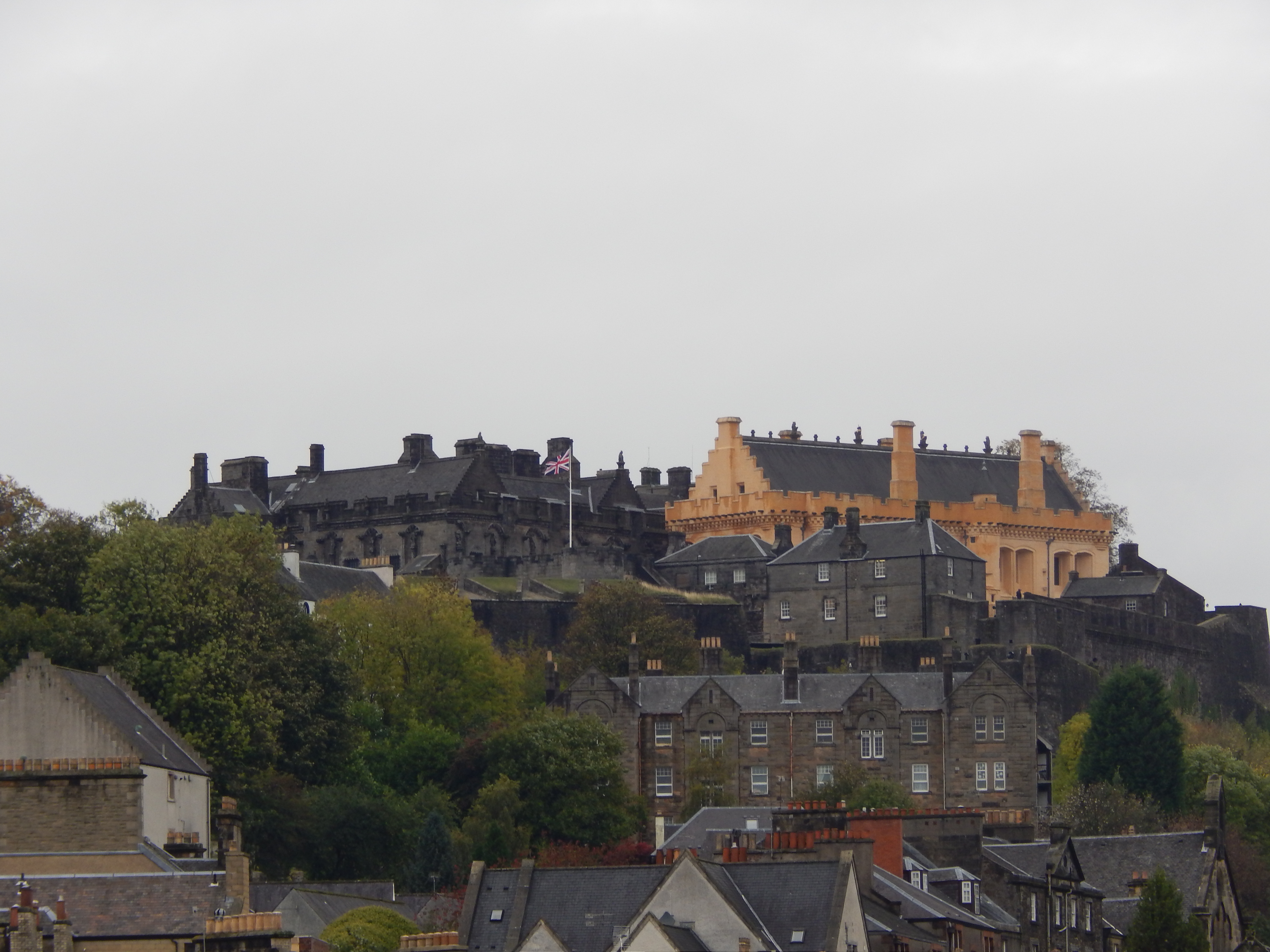
Stirling Castle

Stirling Castle

20 October, 2013

Last full day in Glasgow today. Time to get the kit sorted into the ruck and prepare to head south to Bath tomorrow morning. It will be six hours on three different trains to get there. I will change at Birmingham and Bristol. I plan to stay in bath for three nights, allowing ample time to experience the natural hot water available there as well as make a day trip to the nearby town of Glastonbury.

The last three days I have gotten back into the tourist mode a bit more, taking a day trip to Stirling on Friday, and taking a last-minute decision to spend Saturday at a conference in Edinburgh. I have thoroughly enjoyed my time here in Glasgow visiting my friend who I haven’t seen for many years. My thoughts on Glasgow will be the subject of a separate post to follow, however.

On to Stirling, then.

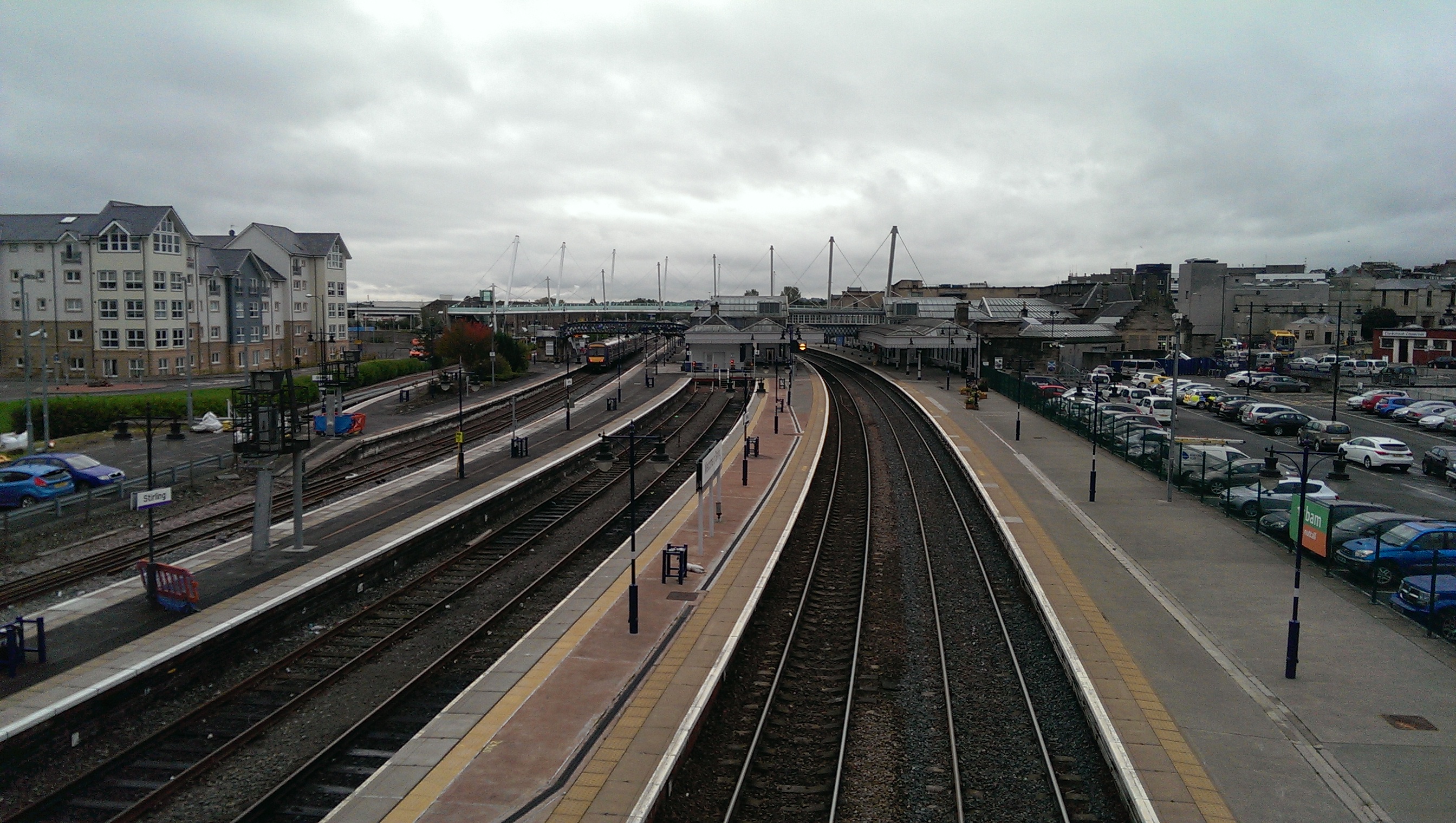
IMAG0524

Stirling Station

Stirling Station

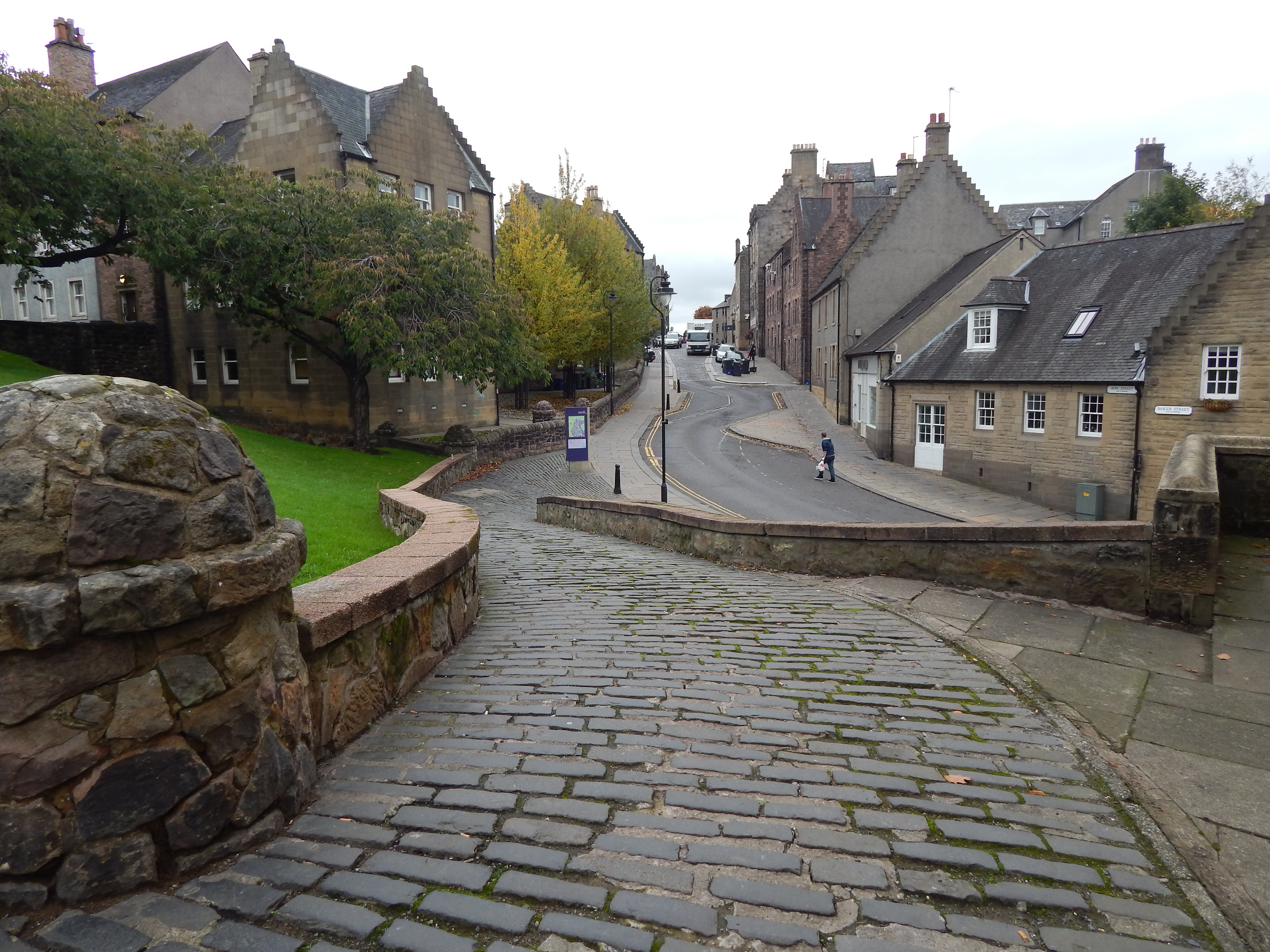
I was up early Friday to catch a train to Stirling. The town is important in Scottish history as the gateway to the Highlands. The town at the foothills of the mountains of northern Scotland has been settled since the stone age. The bridge over the River Forth was the furthest downstream crossing below the highlands until the 1930s. The rocky crag (an intrusion of basaltic volcanic rock shaped by subsequent glacial flow) where the castle sits atop the town is thought to have been used as a strategic defensive position since the bronze-age. Stirling Castle itself dates to the 12th century, with the oldest structures remaining dating to the late 14th century. The old town is quite charming, built on the east side of Castle Hill with streets lined with buildings getting progressively older as the streets near the church and castle.

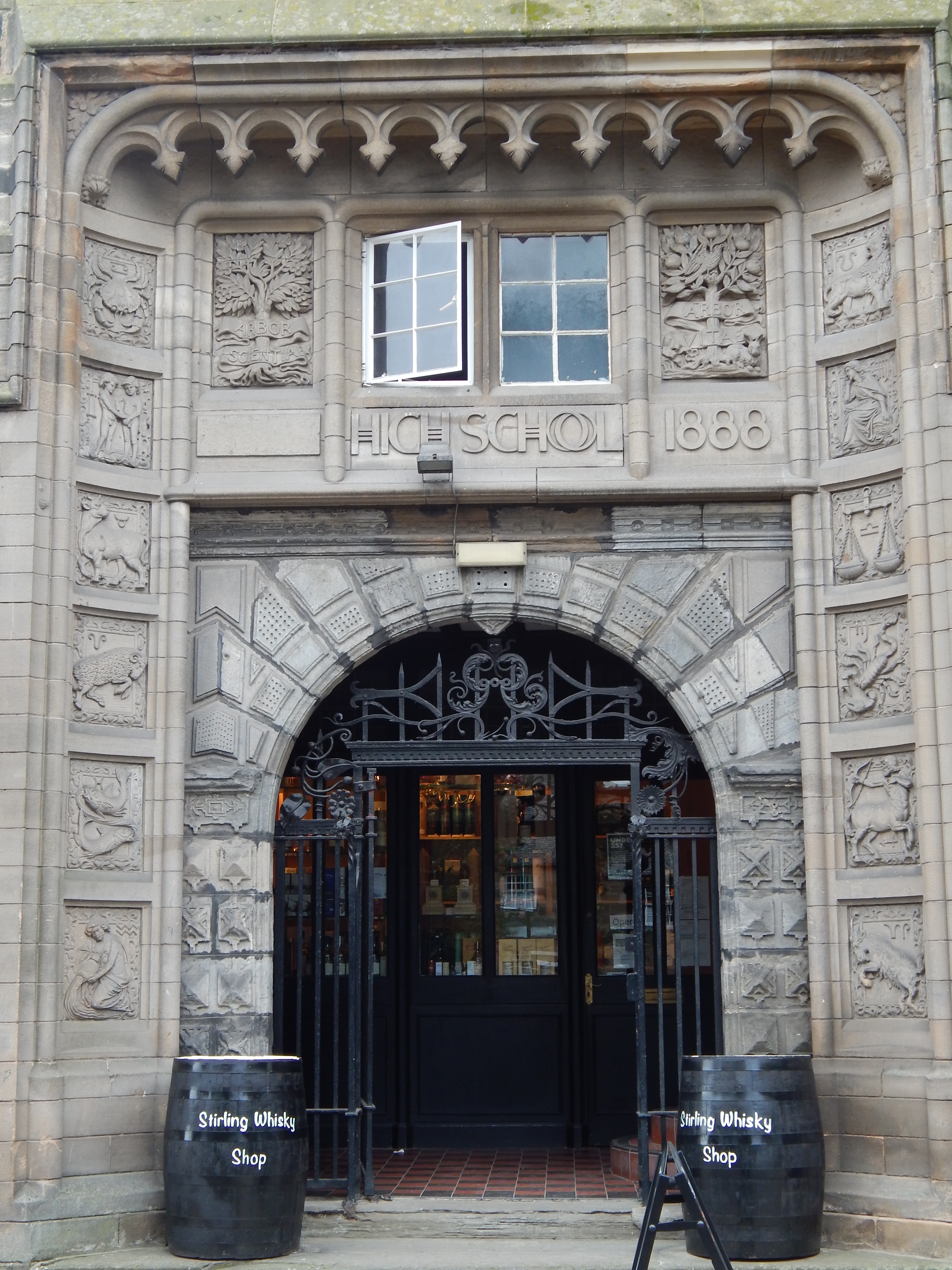
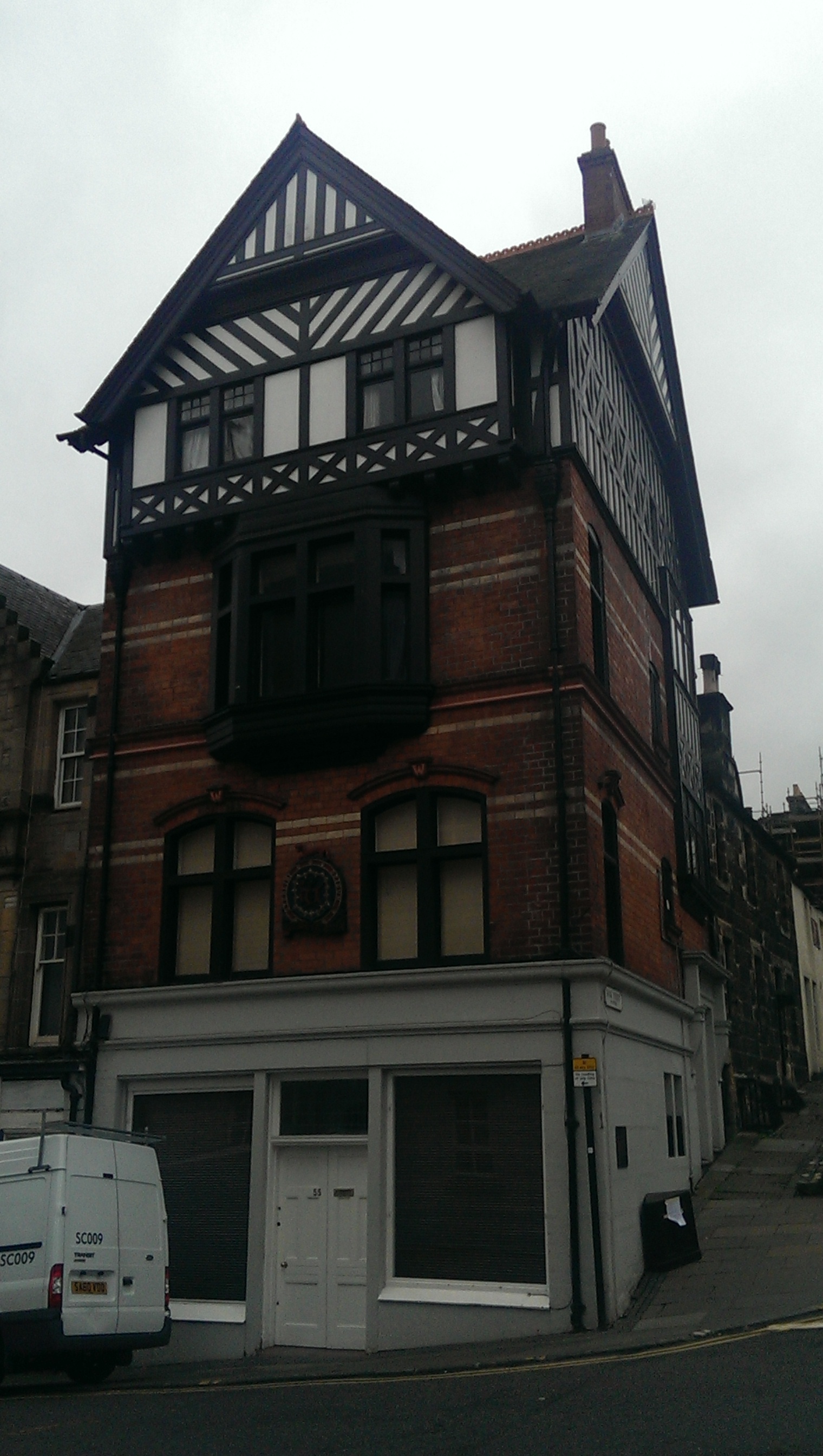
16th century portal on late 19th century building.  Carvings around the door are the signs of the zodiac.

16th century portal on late 19th century building. Carvings around the door are the signs of the zodiac.

DSCN0400

IMAG0534

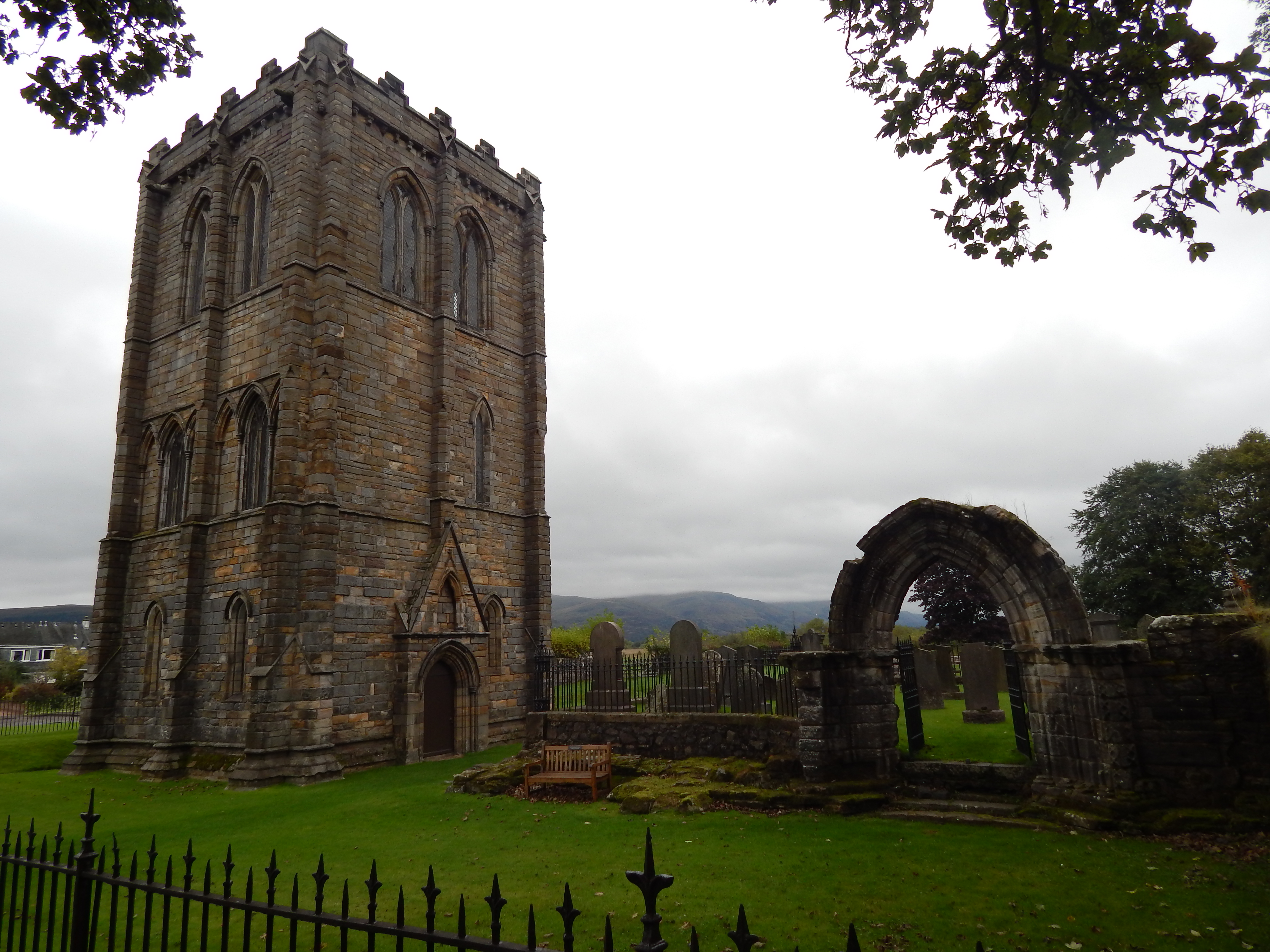
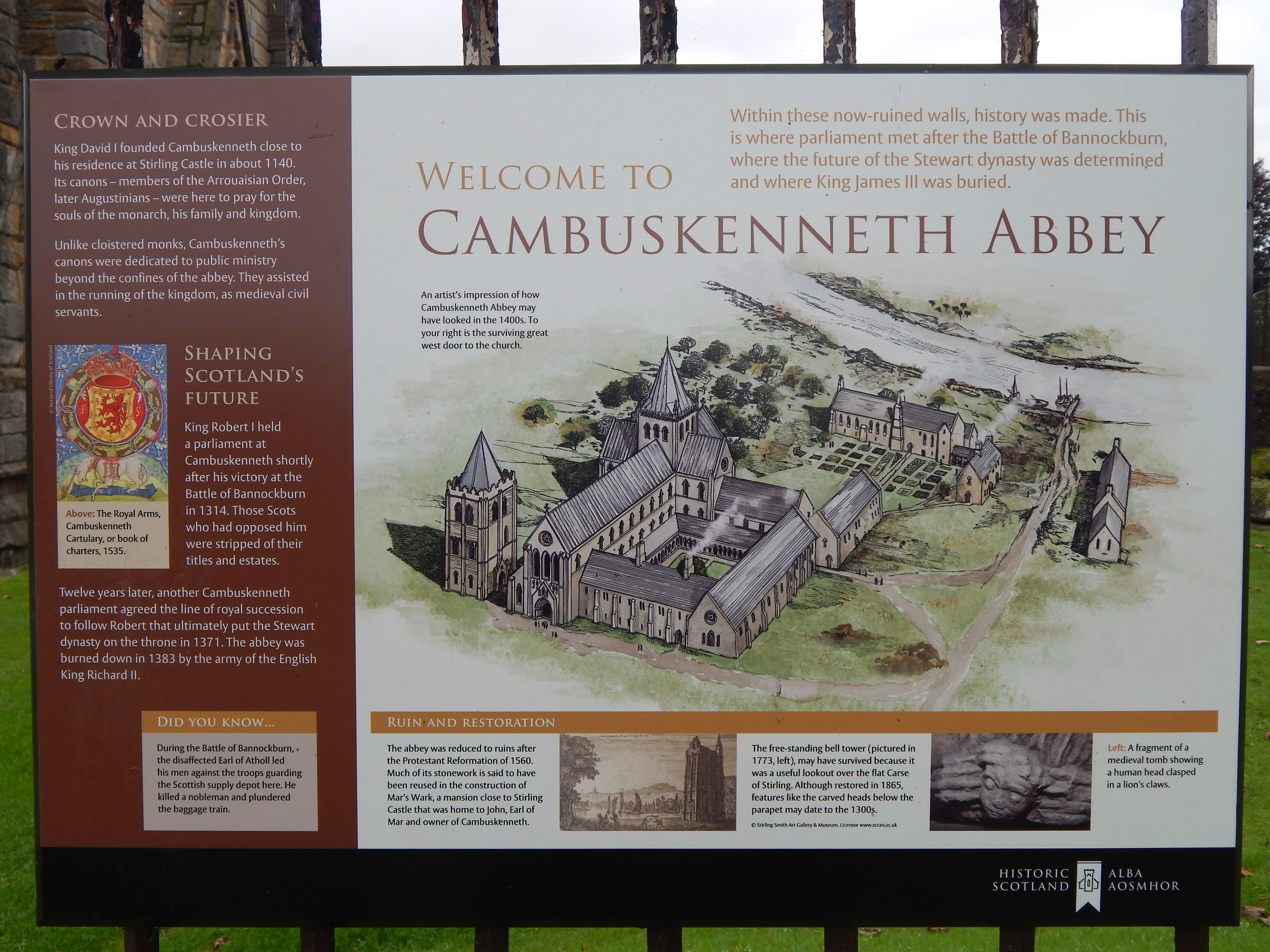
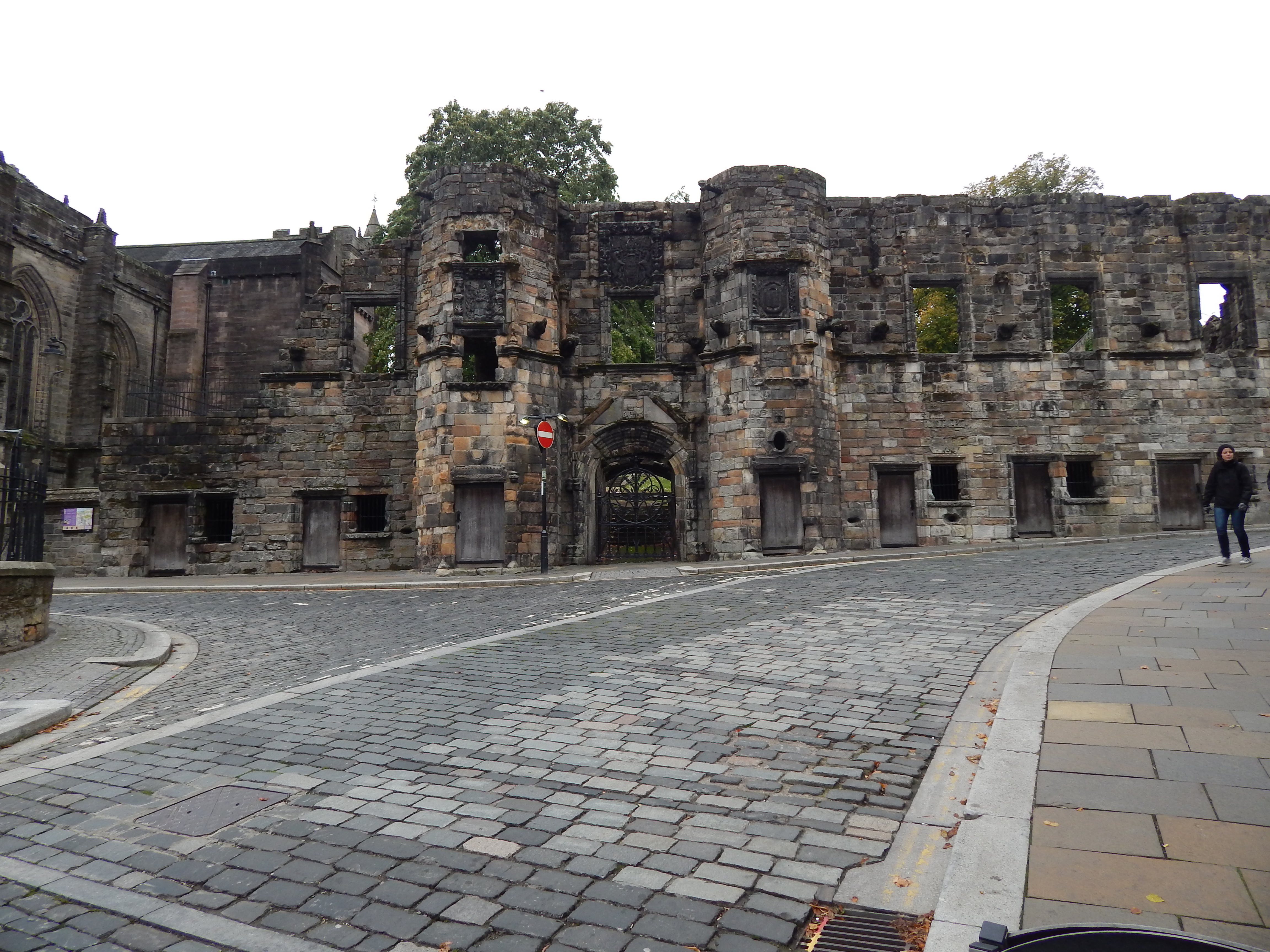
Before climbing the hill to spend the afternoon at the castle, I walked to the once separate village of Cambuskenneth, a mile to the east. Here are the ruins of an Abbey founded in the 12th century that fell into disuse following the 16th century Scottish Reformation. After he was killed at the nearby Battle of Sauchie, King James III was buried at the Abbey. There is a monument commissioned by Queen Victoria in the 19th century atop the tomb of the fallen monarch. It is also thought that one William Wallace’s arms was buried here after his brutal execution in London.  All that remains today are the 13th century bell tower and western doorway of the abbey church. After the destruction of the church in the 15th century, the stone was used by John Erksine, First Earl of Mar, Governor of Stirling Castle, in the construction of his renaissance palace, Mar’s Wark, the ruins of which stand near the Church of the Holy Rood on Castle Hill.

DSCN0381

DSCN0376

DSCN0380 DSCN0378 DSCN0387 DSCN0382

Mar's Wark, built of stone from the abbey church.

Mar’s Wark, built of stone from the abbey church.

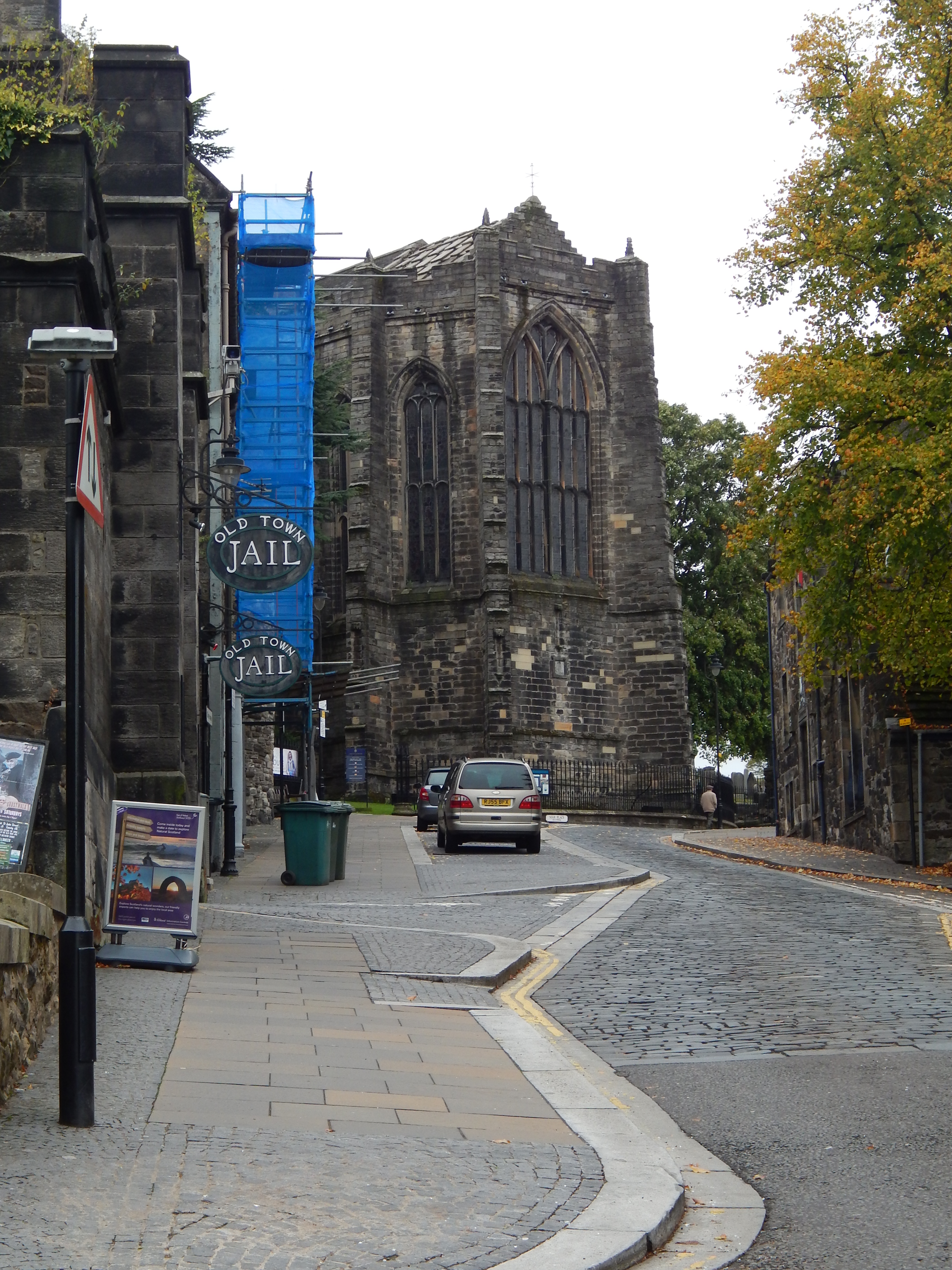
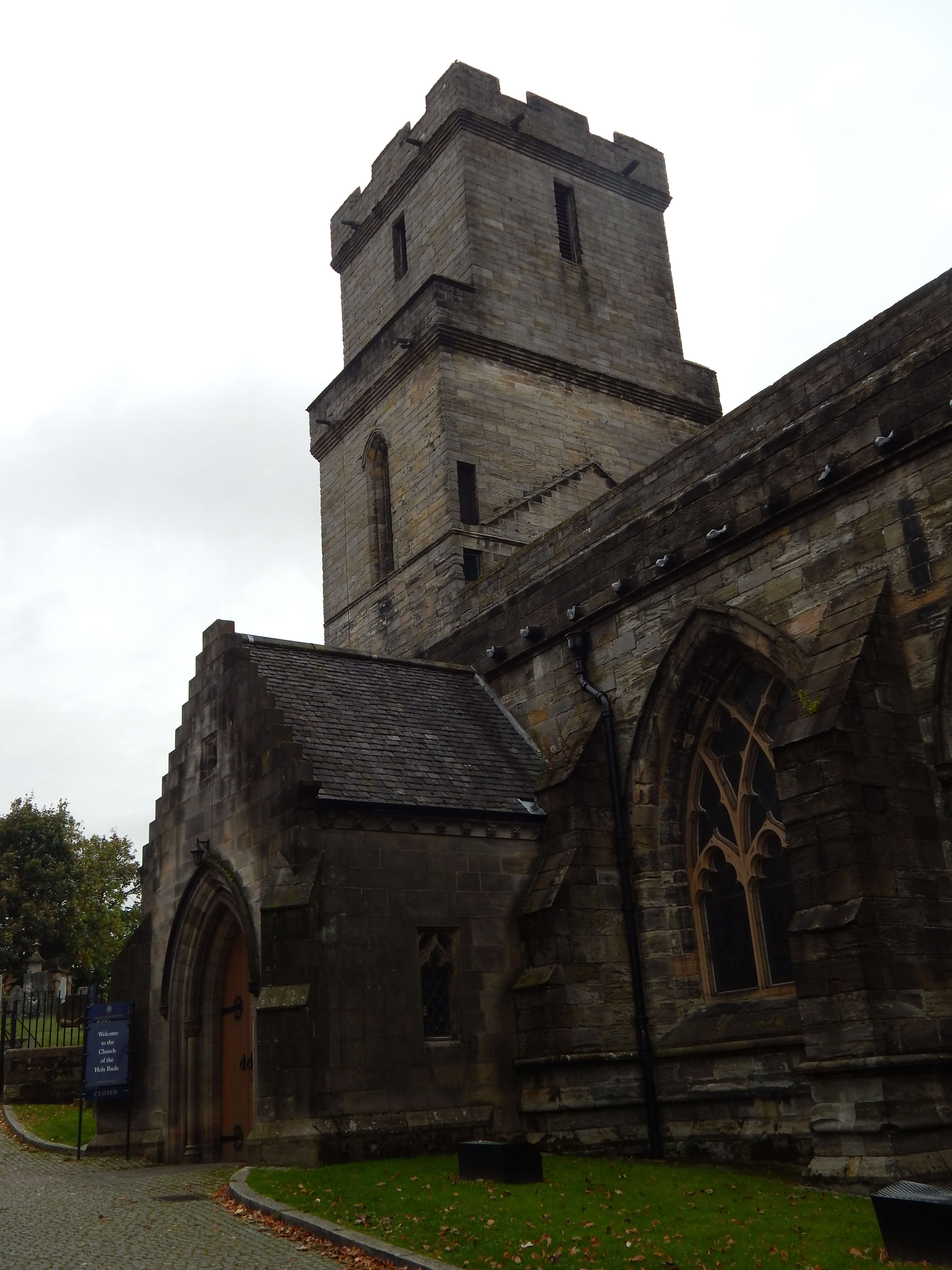
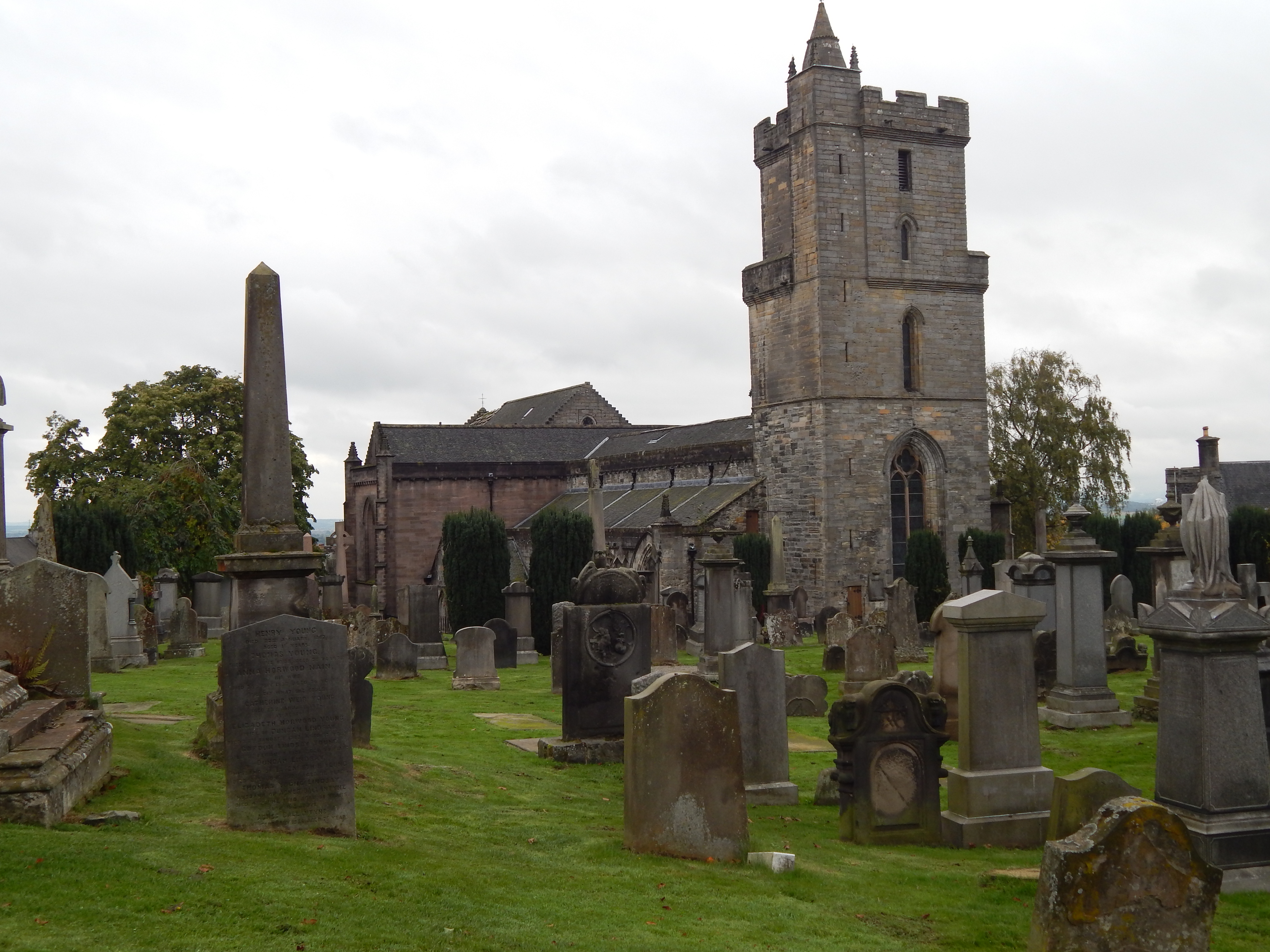
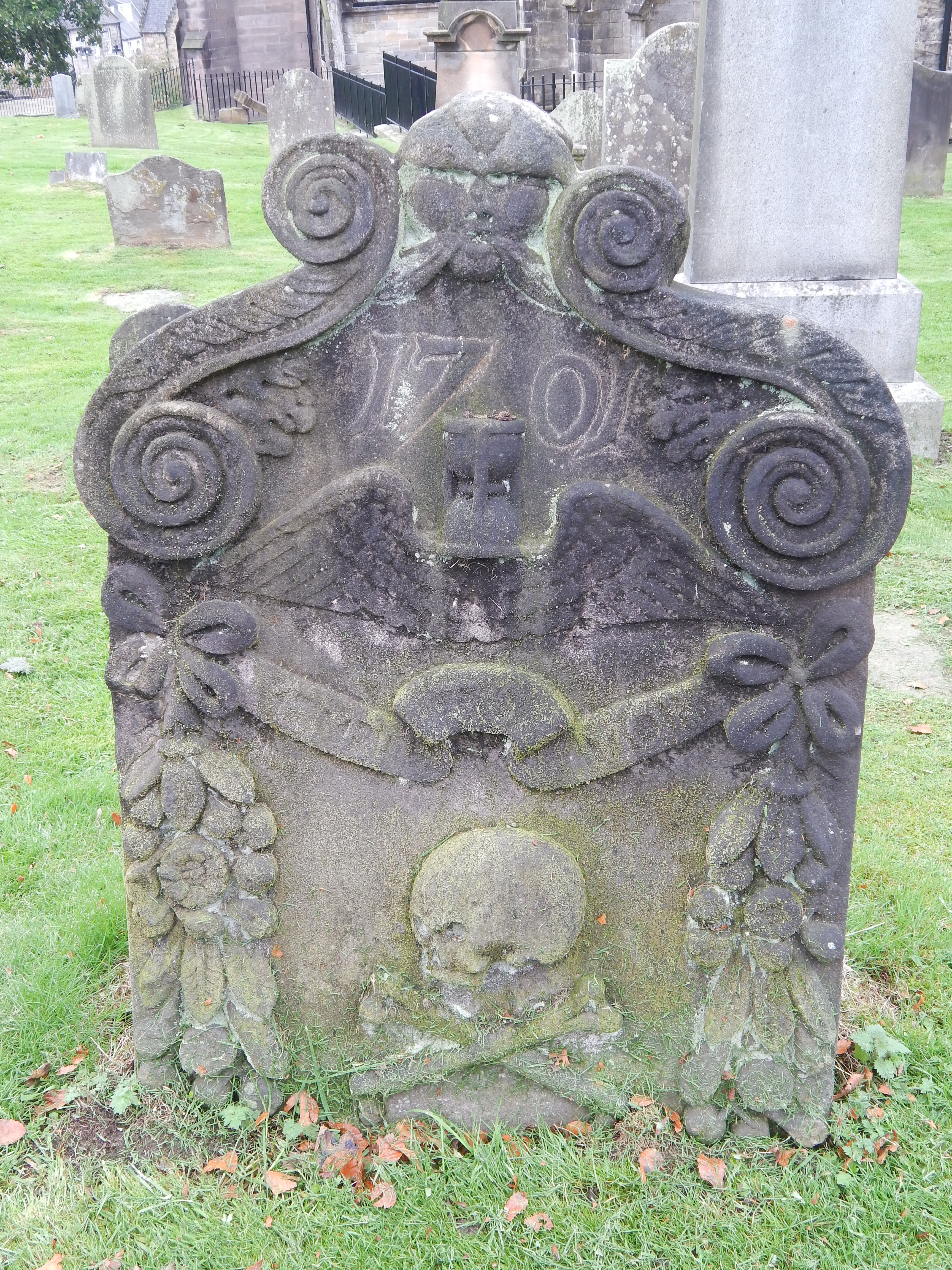
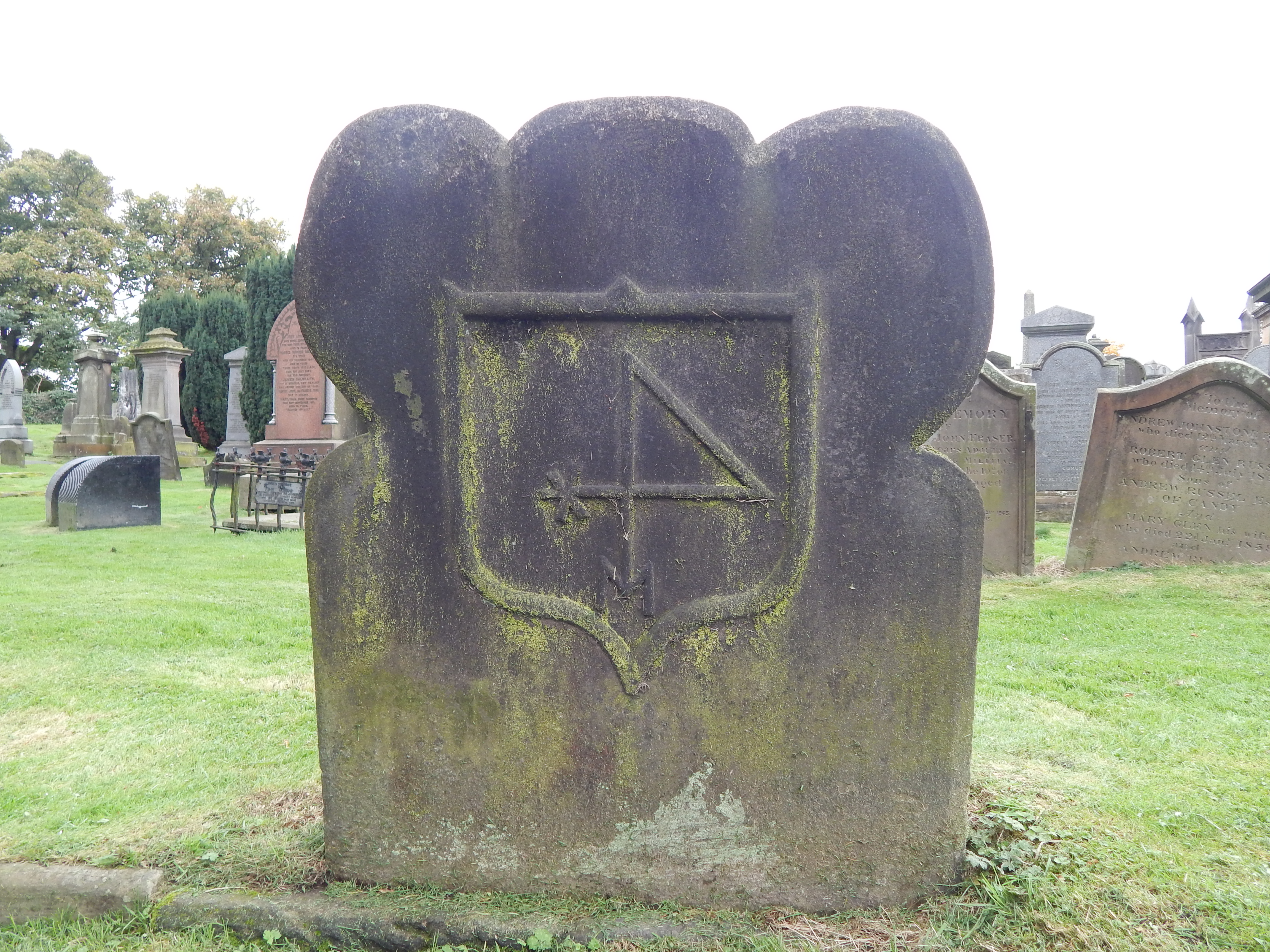
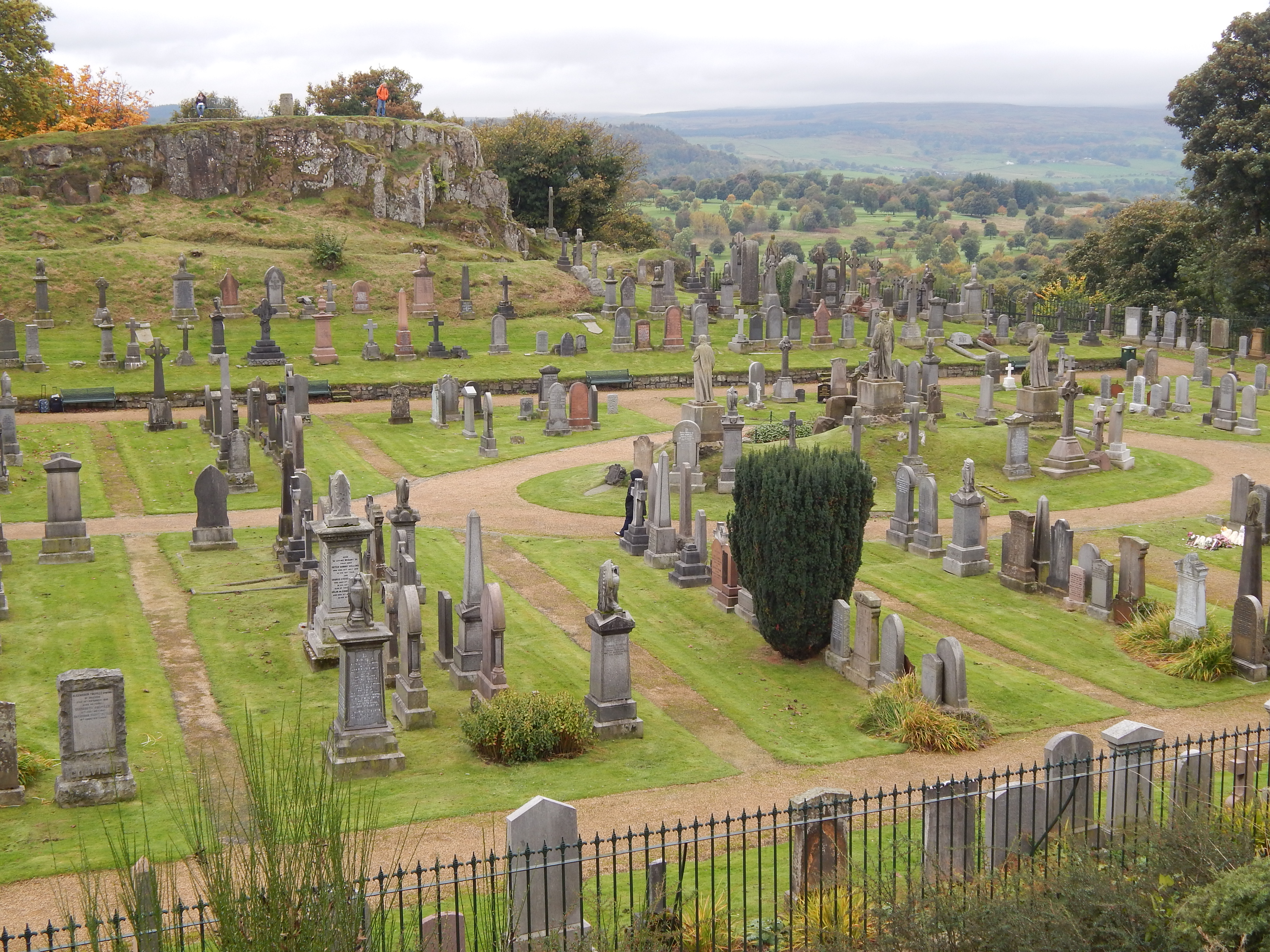
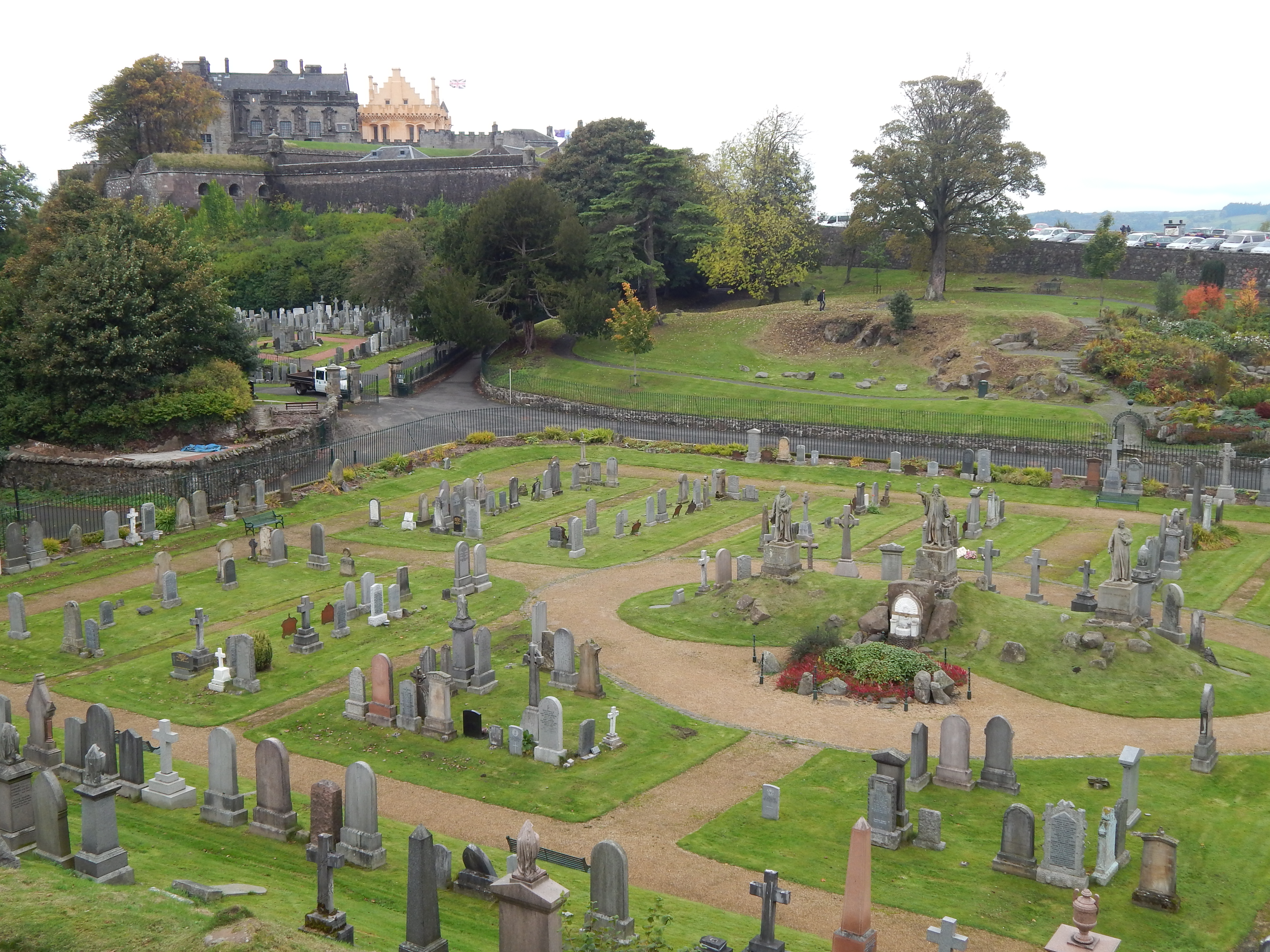
Many of the historic monuments are not open past September. As was the case with the abbey ruins, the Church of the Holy Rood was closed for the season. Really, that just gives me another reason to come back to Scotland in the summertime. The church dates to the middle to late Gothic period (15th-16th century), and is, in the English style, heavier and not as lofty as the Continental buildings of the same period. There is an extensive churchyard with graves dating to the 17th century, probably earlier. The earliest date I found was 1701, though many stones are long since deteriorated past the point of knowing what was inscribed on them. The space between the Church and the Castle, and then the land on the north side of the Castle is a sprawling graveyard with monuments primarily dating from the late 19th century to the modern-day.

DSCN0402

DSCN0405

DSCN0411

DSCN0409

DSCN0408

DSCN0416

DSCN0412

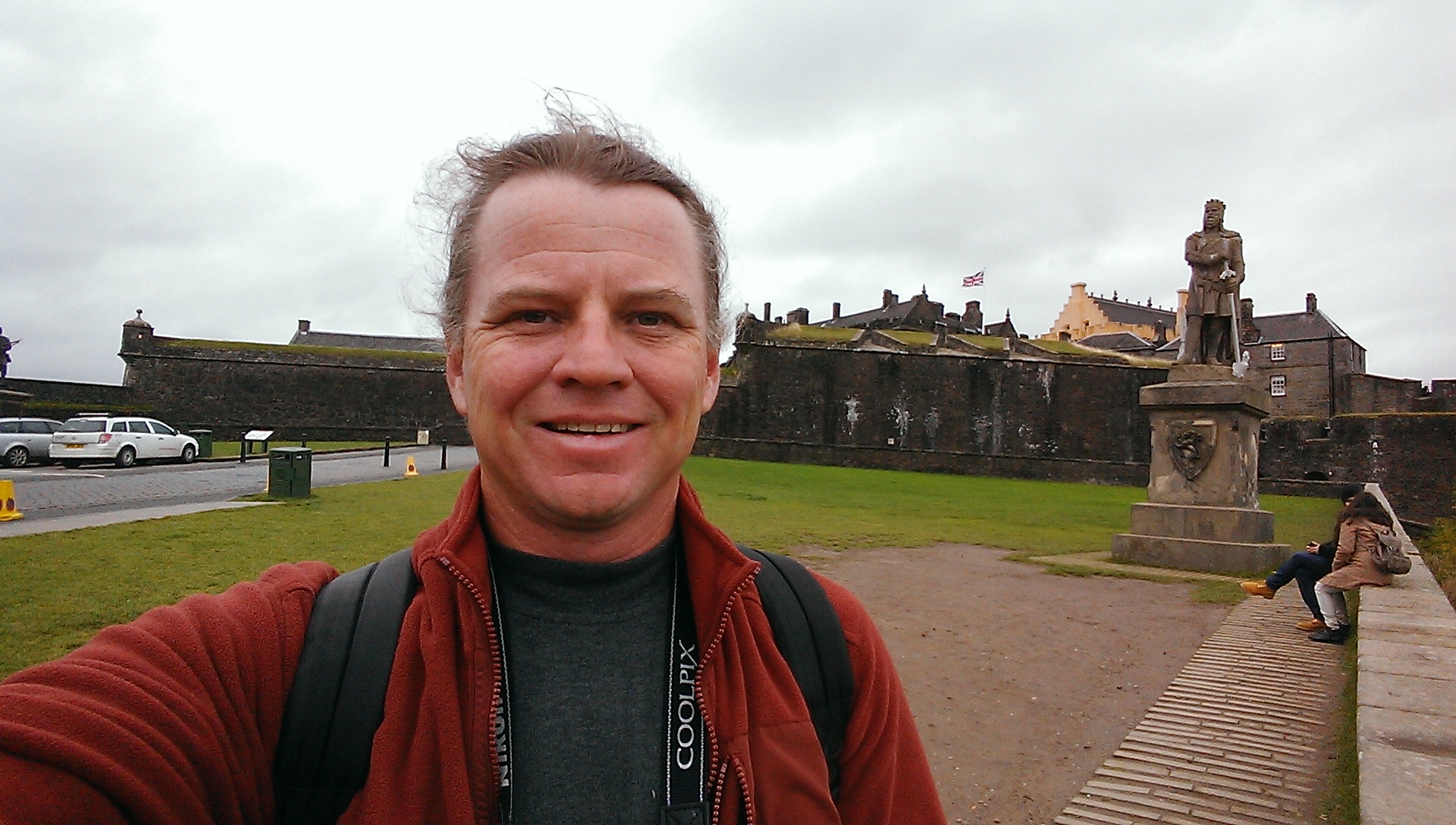
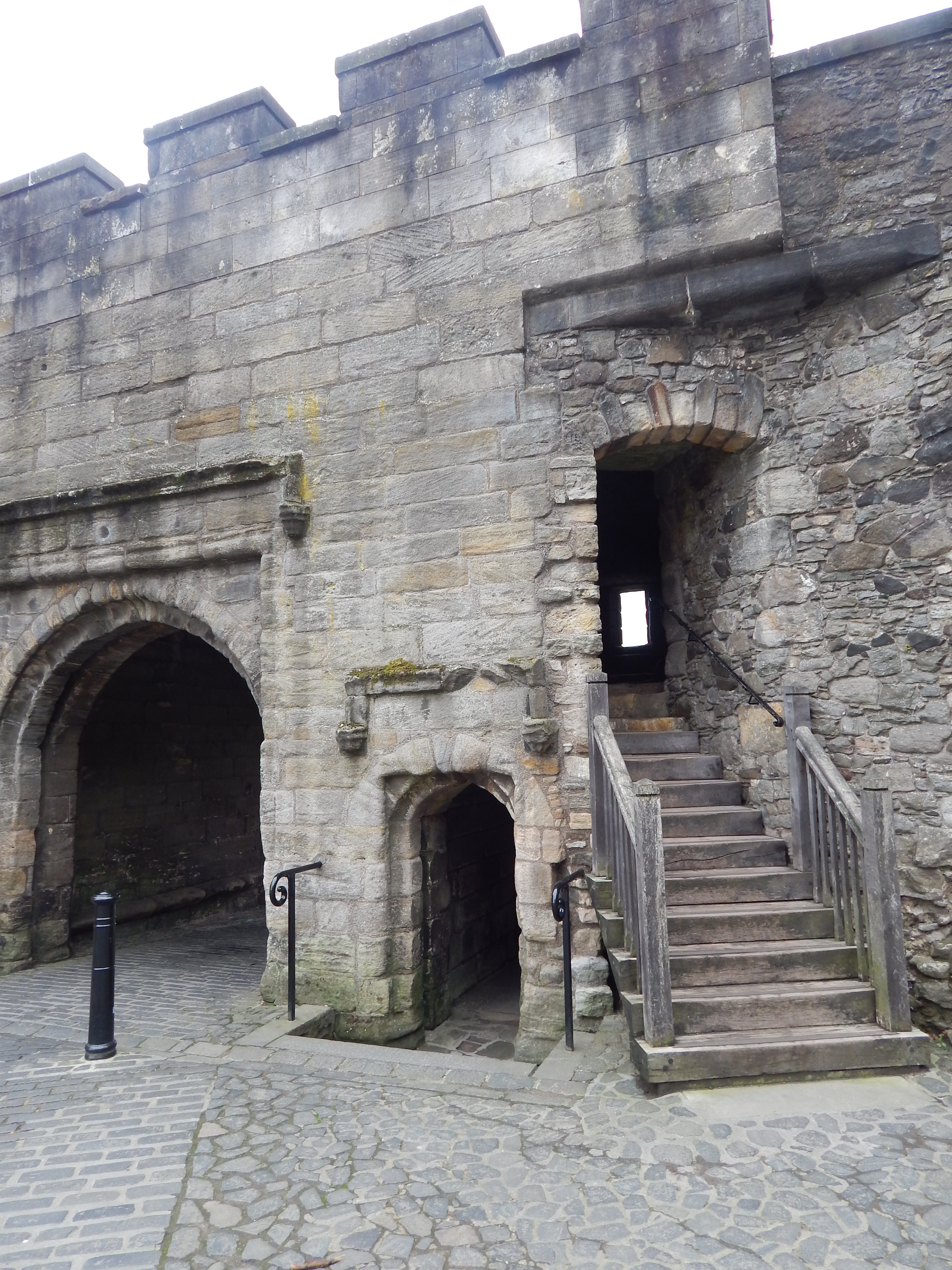
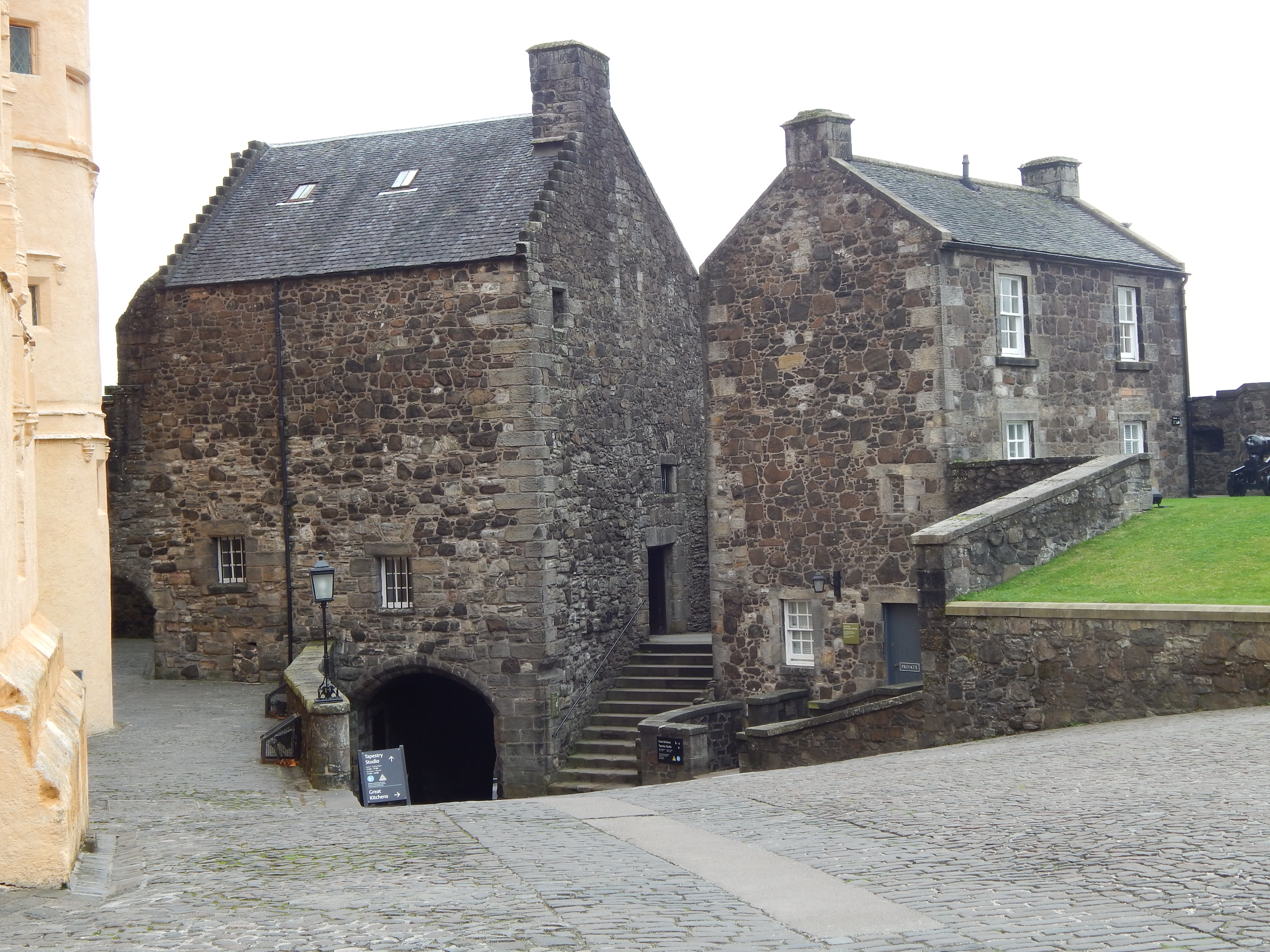
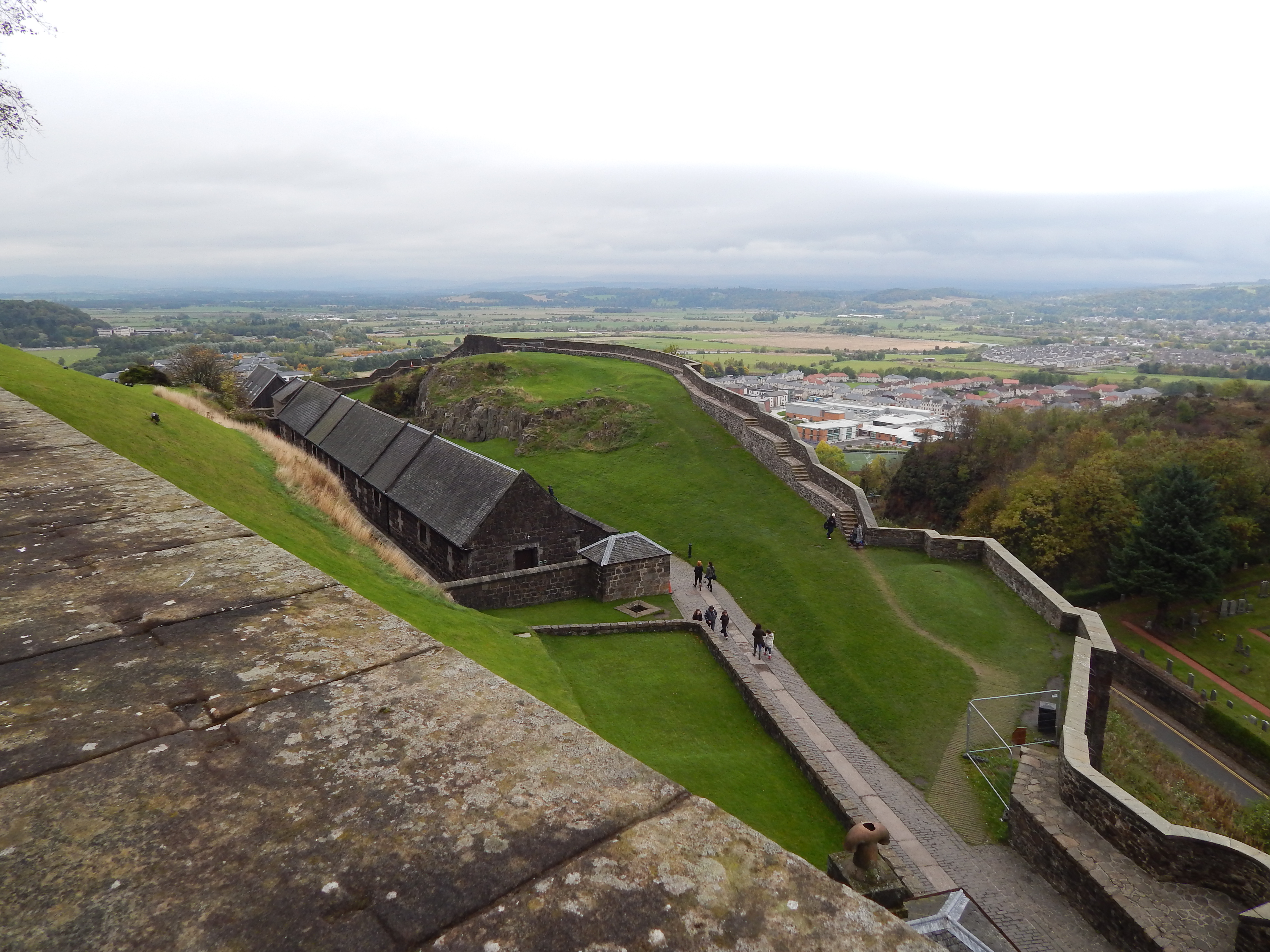
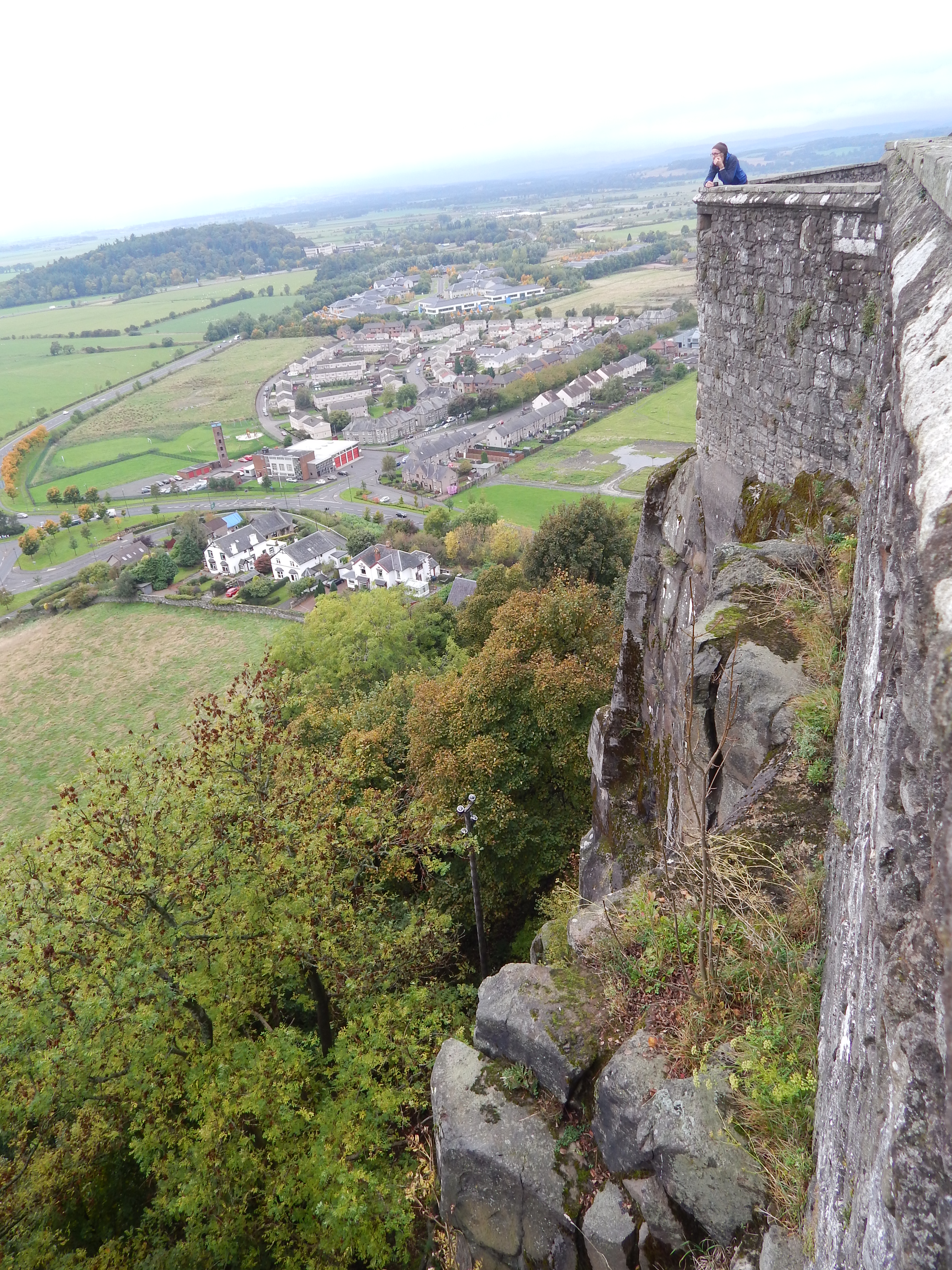
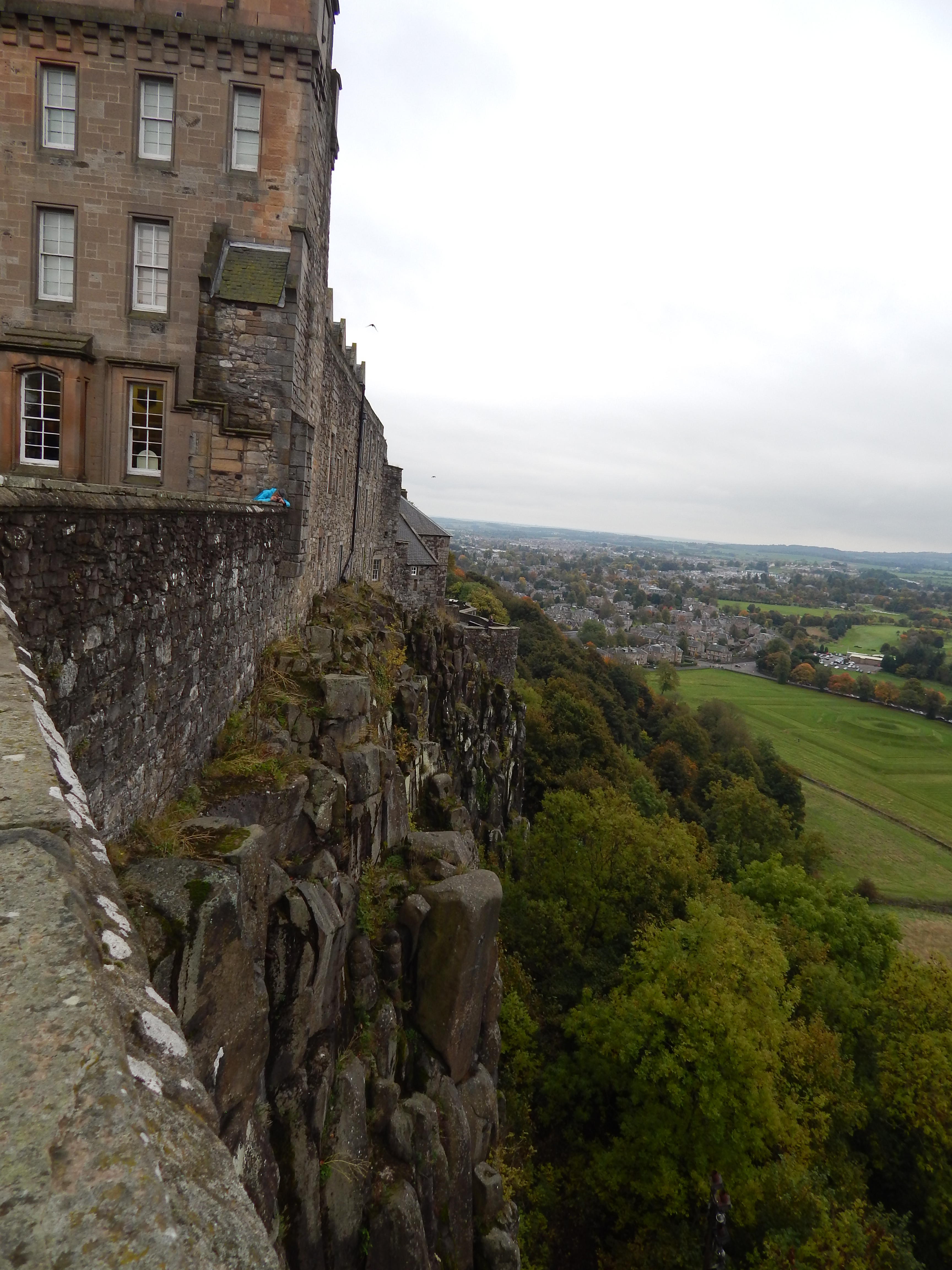
Stirling Castle has been a seat of the Scottish Throne since early in the 12th century. The Castle itself sits atop the crag with cliffs on three sides making it an easily defensible position above the strategically important bridge over the Forth. Robert Bruce, who became King of Scots on the Death of England’s Edward I, had the medieval defenses dismantled in the early 14th century to prevent the English from ever taking and holding the fortress again. The oldest structures remaining (North Gate and the Kitchens) are from this period, while most of the buildings date to the 15th and 16th centuries. The defences were rebuilt and “modernized” during the 18th century Wars of Independence from the English Crown. England, it seems, has always wanted to control the lands here, but the Scots historically want none of that. The Romans didn’t bother much, and built Hadrian’s wall across the whole of the British Isle to keep the wild and whisky soaked warriors from the low and highlands from coming south. Past the artillery placements of the outer defenses, the castle presents a combination of late Gothic idealization of the medieval and a Renaissance palace constructed by King James V. It was here that Mary, Queen of Scots spent her early years after being crowned at the age of nine months following the death of her father James V (he died when she was just 6 days old).

That's me with castle behind and Robert the Bruce on the right

That’s me with castle behind and Robert the Bruce on the right

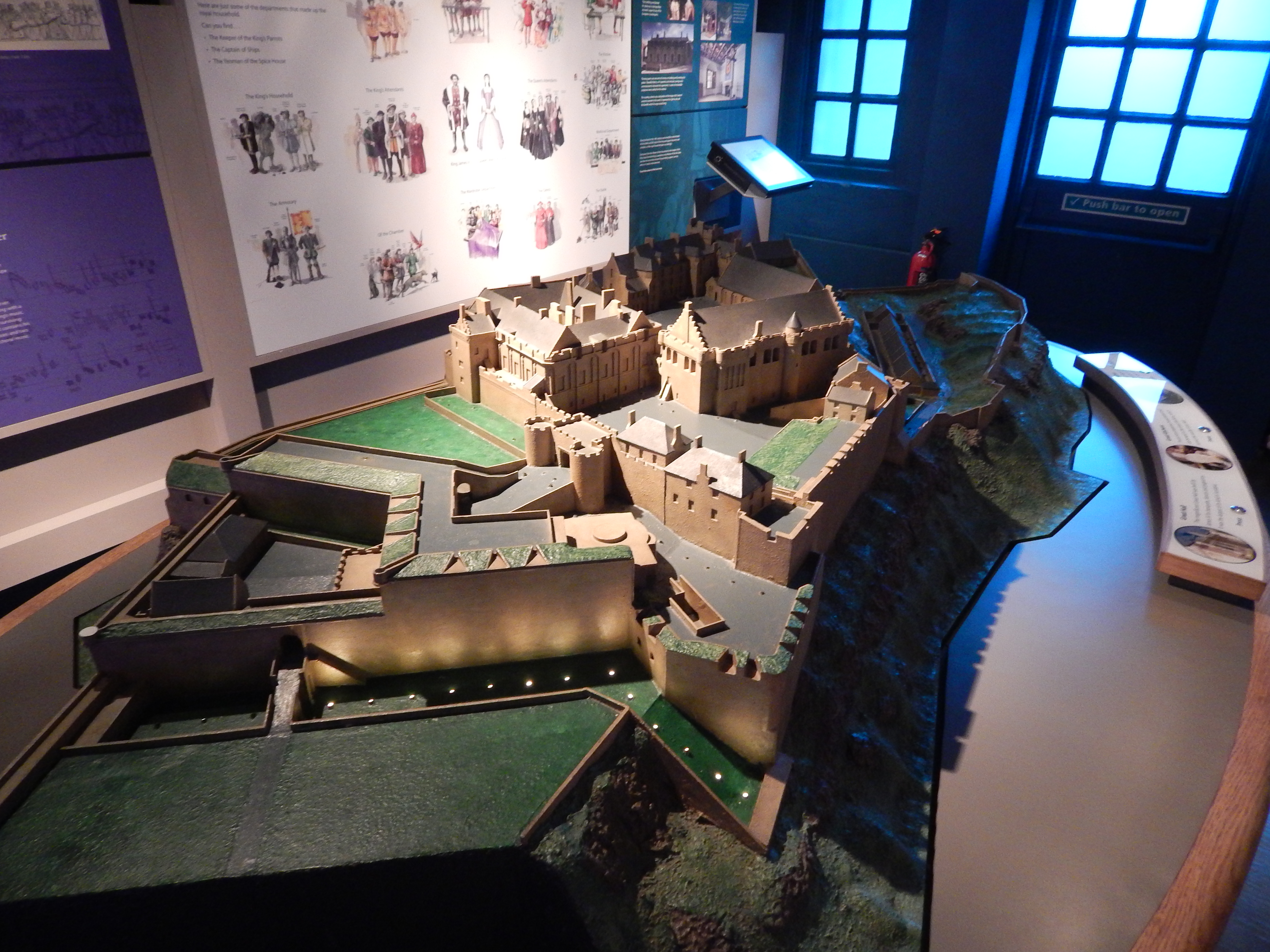
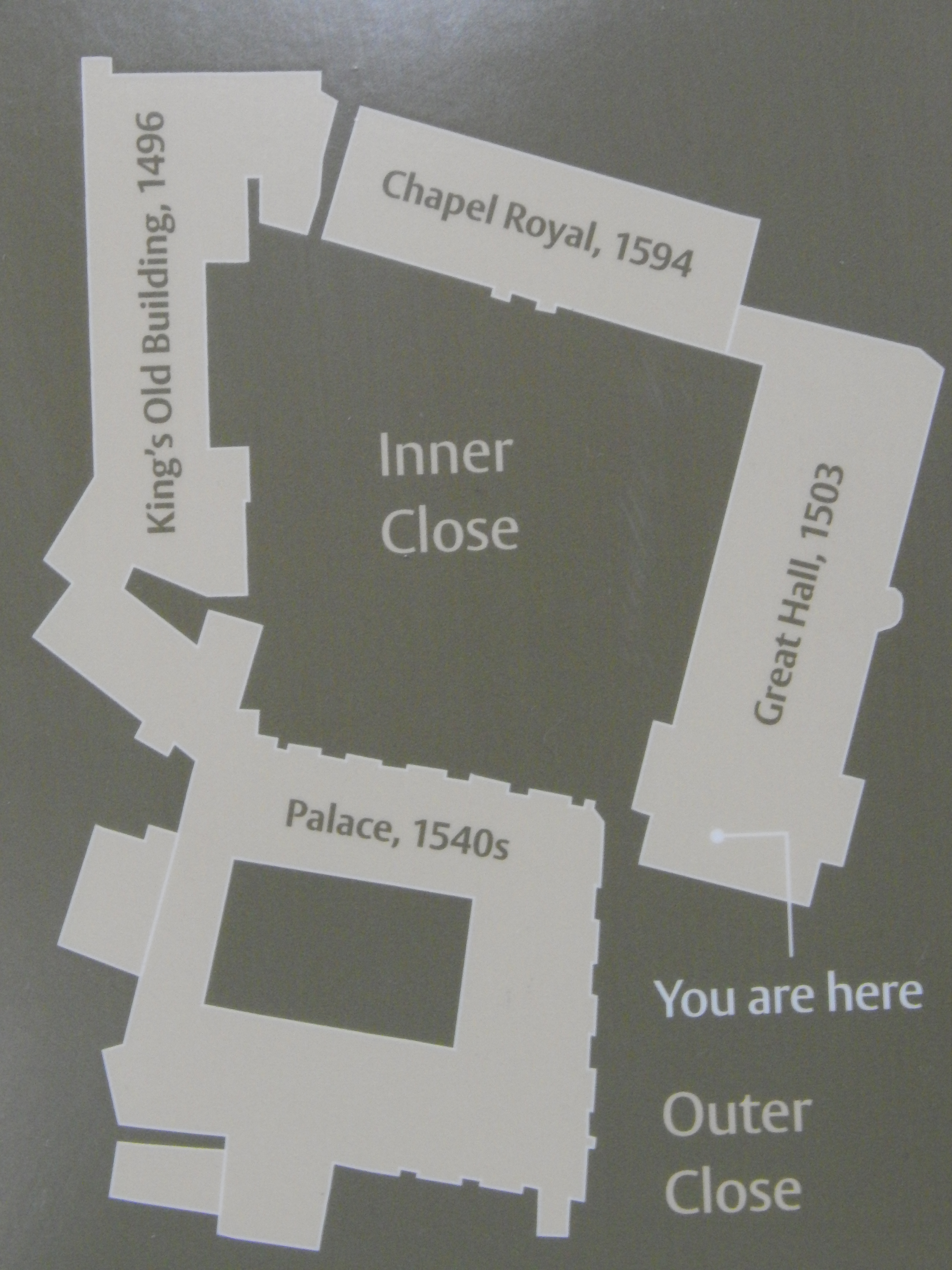
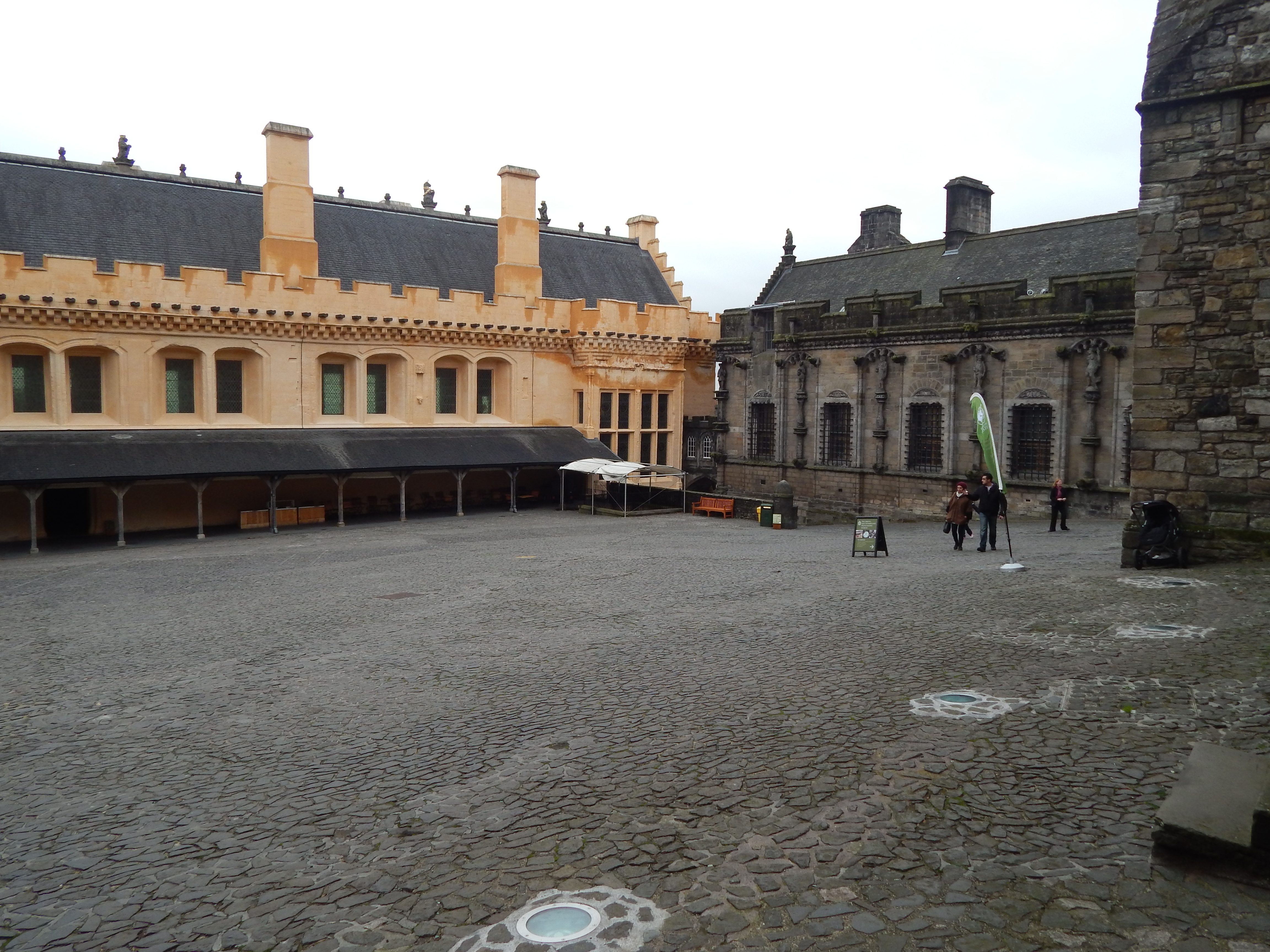
Model showing layout of castle.  (Front to back) Outer defences, Frontworks, Outer Close, Royal Palace (L), Great Hall (R), Inner Close, King's Old Building (L) and Chapel (R).

Model showing layout of castle. (Front to back) Outer defences, Forework, Outer Close, Royal Palace (L), Great Hall (R), Inner Close, King’s Old Building (L) and Chapel (R).

DSCN0432

Fifteenth Century Frontworks

Fifteenth Century Forework

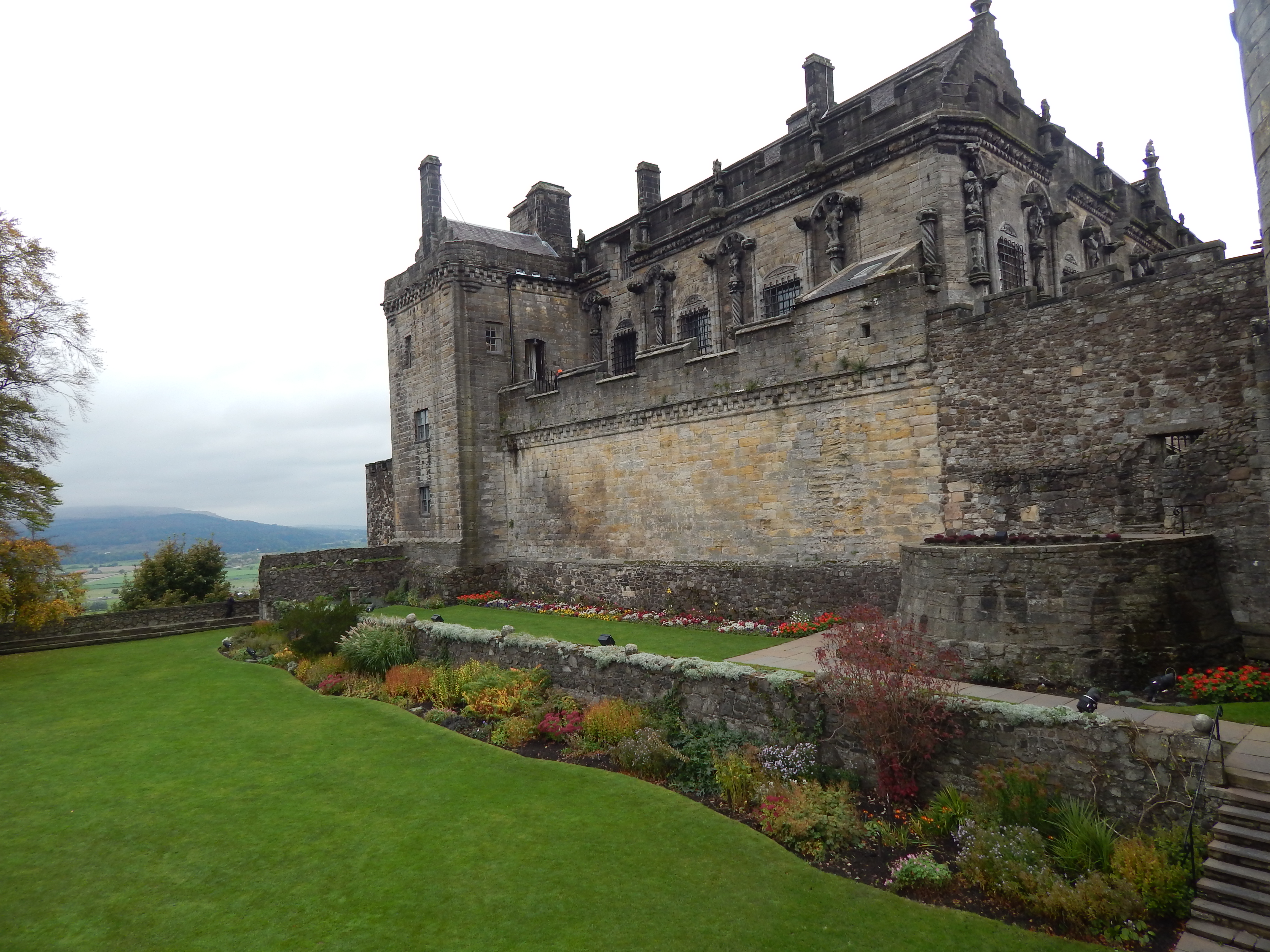
Bowling Green, Prince's Tower, and Royal Palace

Bowling Green, Prince’s Tower, and Royal Palace

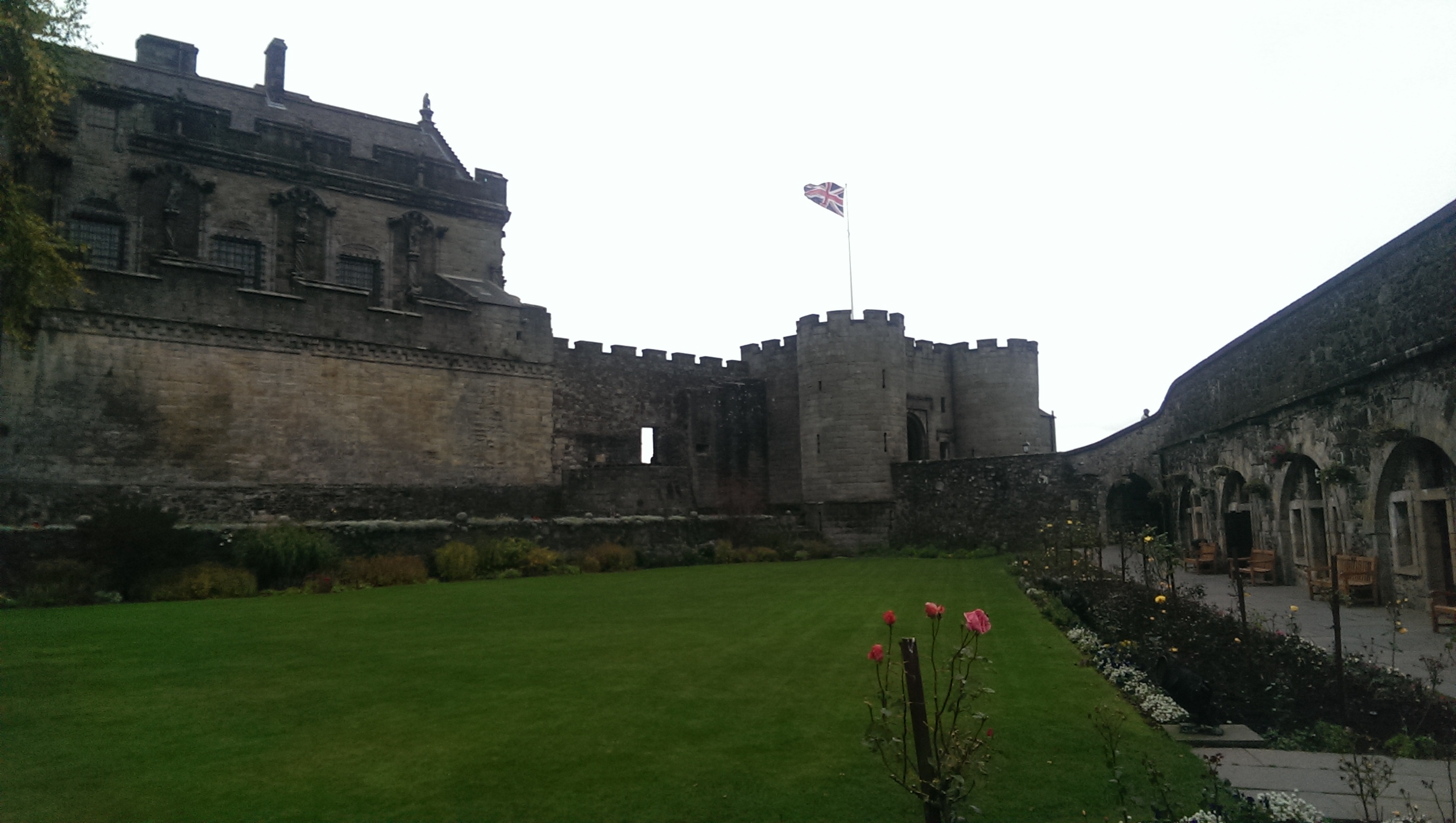
Bowling Green with Royal Palace and Frontworks

Bowling Green with Royal Palace and Forework

Again, I refer you to the Wikipedia for a wonderfully detailed history of the castle, as I am not here to provide more than an outline of the locations. http://en.wikipedia.org/wiki/Stirling_Castle I prefer to get to my experience of the visit.

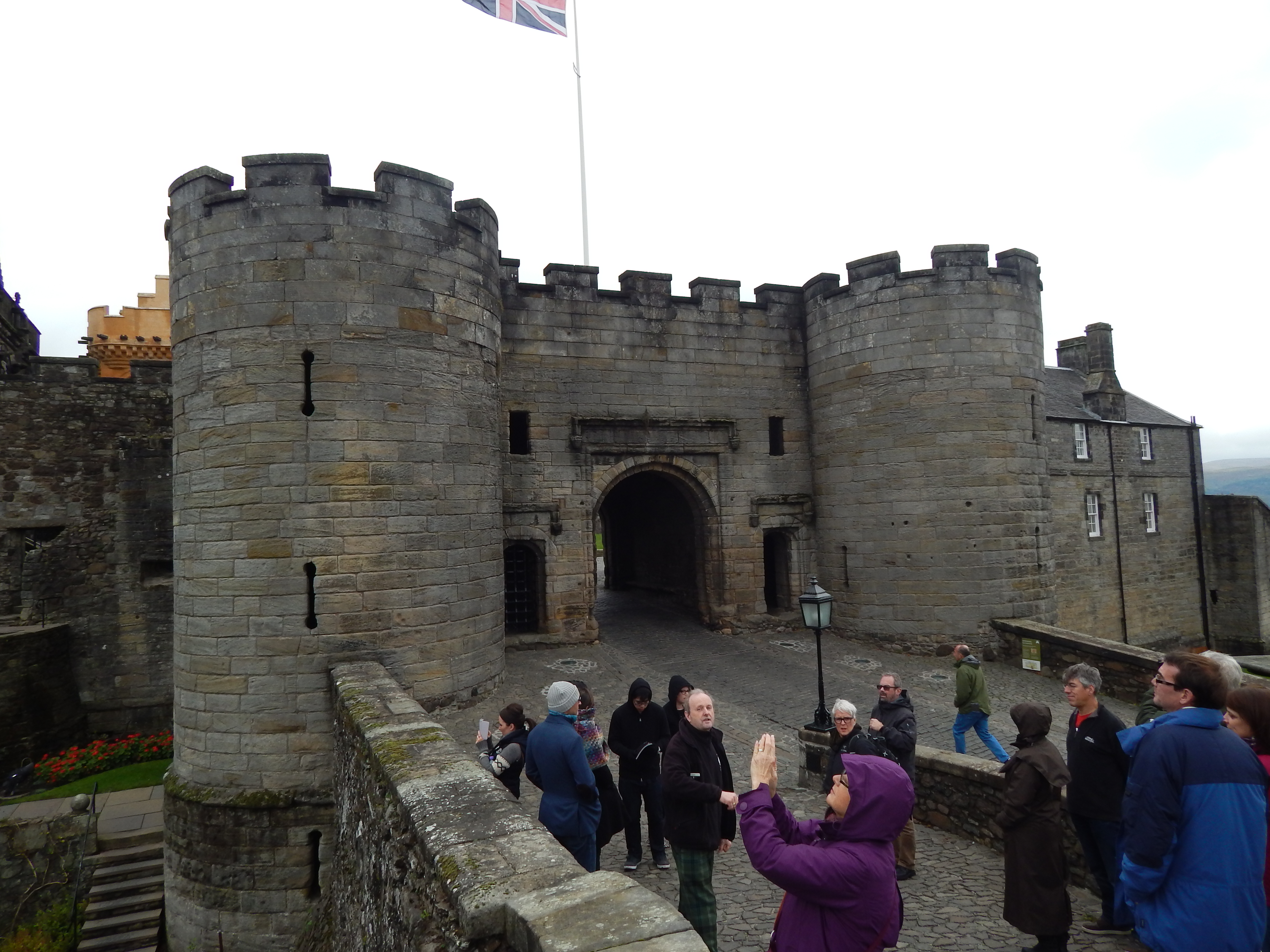
Inner Close side of Frontworks portal

Inner Close side of Forework portal

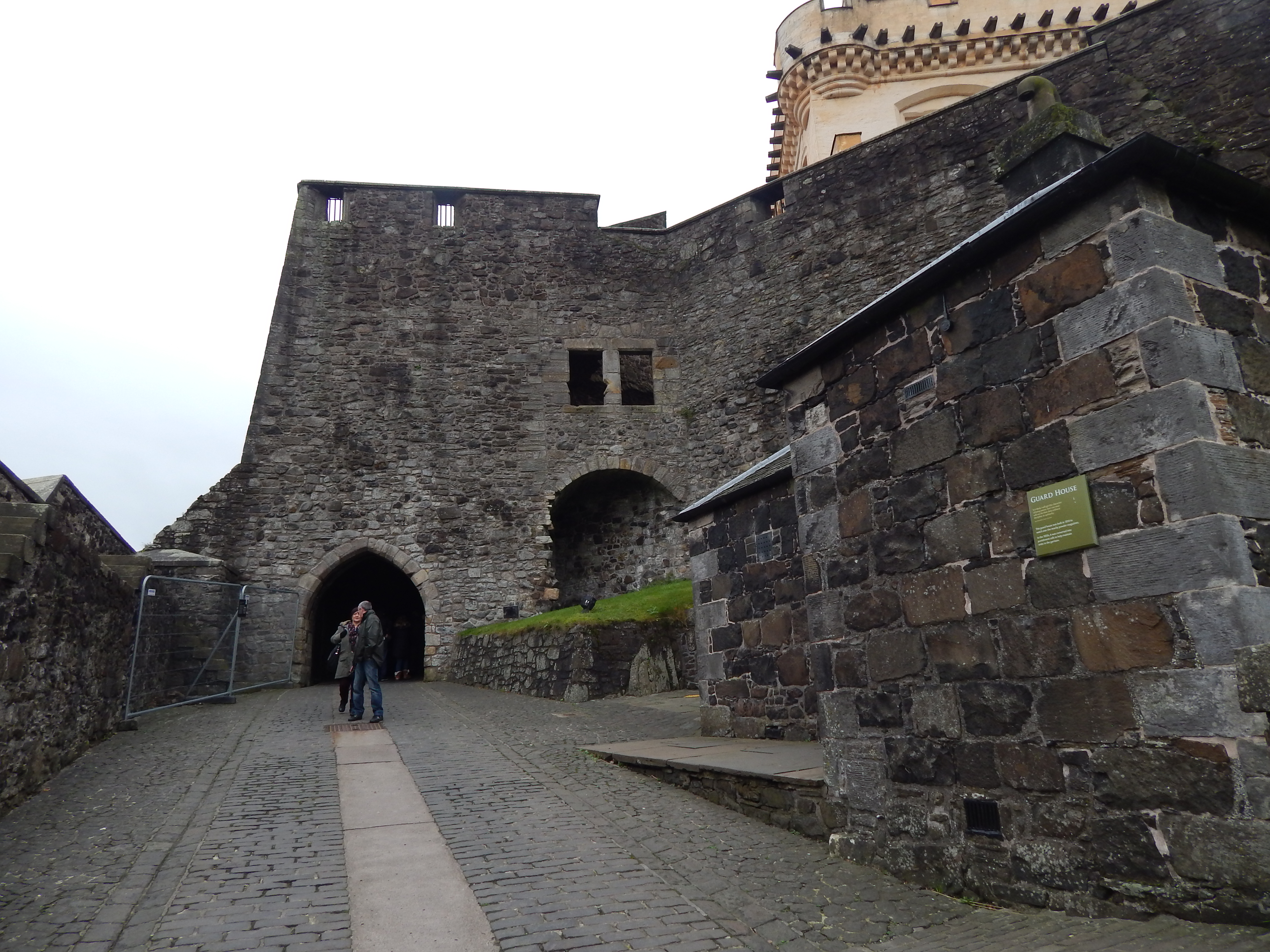
North Gate.  Old structures remaining, dating to 14th century

North Gate. Oldest structures remaining, dating to 14th century

Arch and portal near North Gate

Arch and portal near North Gate

DSCN0442

Exterior of North Gate from Nether Bailey

Nether Bailey

Nether Bailey

I took a brief guided tour that focused on the major events and periods of construction before spending the afternoon roaming about the vast castle grounds. Coming from the western US where rarely is anything more than 120 years old, visiting these sites that have been around and preserved for 500 or more years always leave me somewhat awe-struck. I love to stand in these courtyards and great halls and imagine them in their day. Filled with the activities of life in a castle, the walls not gray but painted in brilliant colors showing this is the proud seat of Scottish power. I imagine winter nights in the Great Hall, fires burning in the five hearths filling the room with flickering light and warmth amidst the song and entertainment on the occasion of a feast. Granted, I’m sure that most of the days were more like the day I was there. Cool and overcast with people quietly going about their business, but that’s rather dreary for a vivid imagination. The day was good, and I was quite tired after walking up and down the hills and stairways of the grounds.

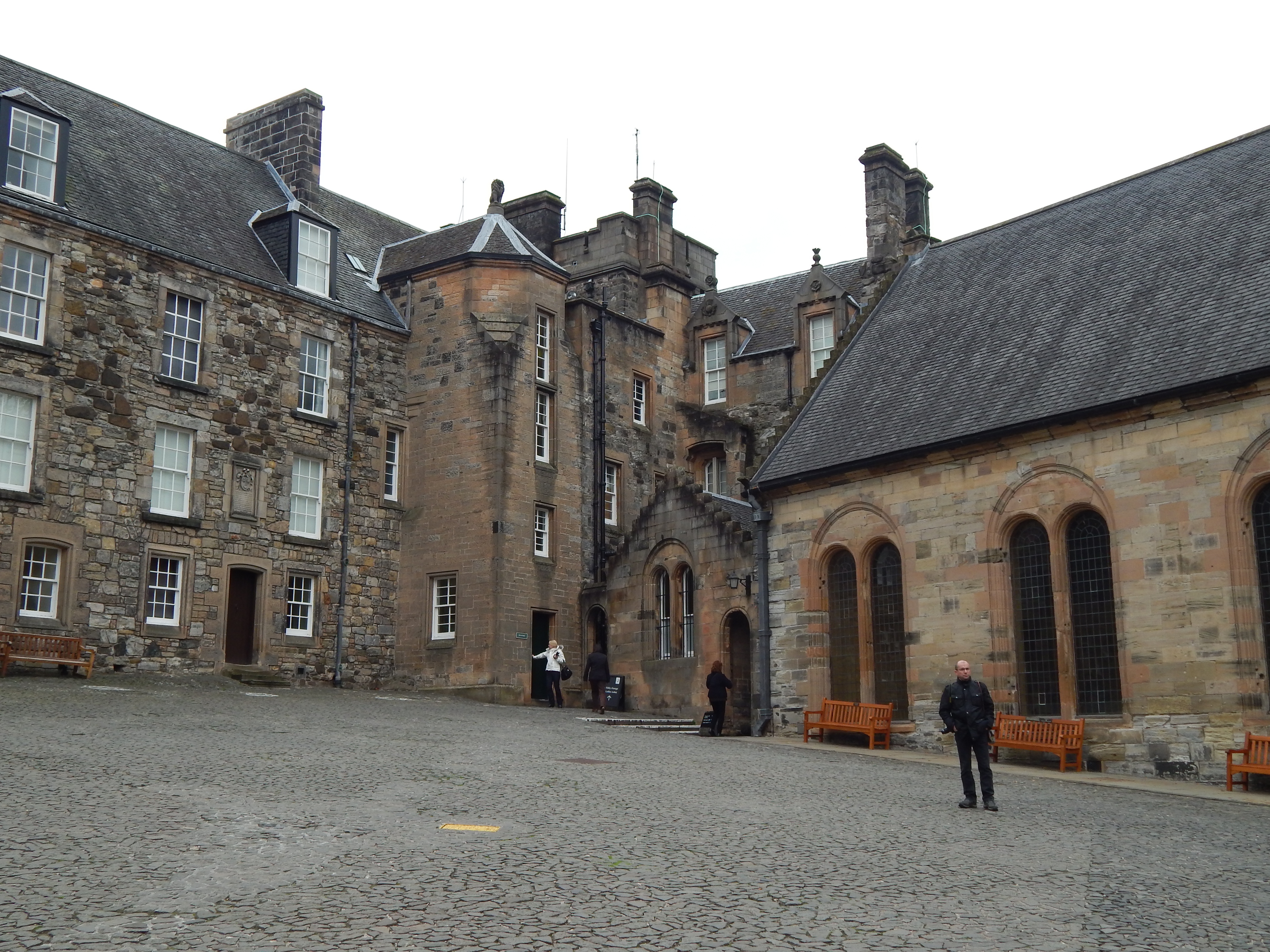
Inner Close.  Great Hall (left) & Royal Palace (right)

Inner Close. Great Hall (left) & Royal Palace (right)

Interior of Great Hall.  Wooden Hammer truss roof restored early 21st century

Interior of Great Hall. Wooden Hammer truss roof restored early 21st century

King's Old Building (left) & Chapel (right)

King’s Old Building (left) & Chapel (right)

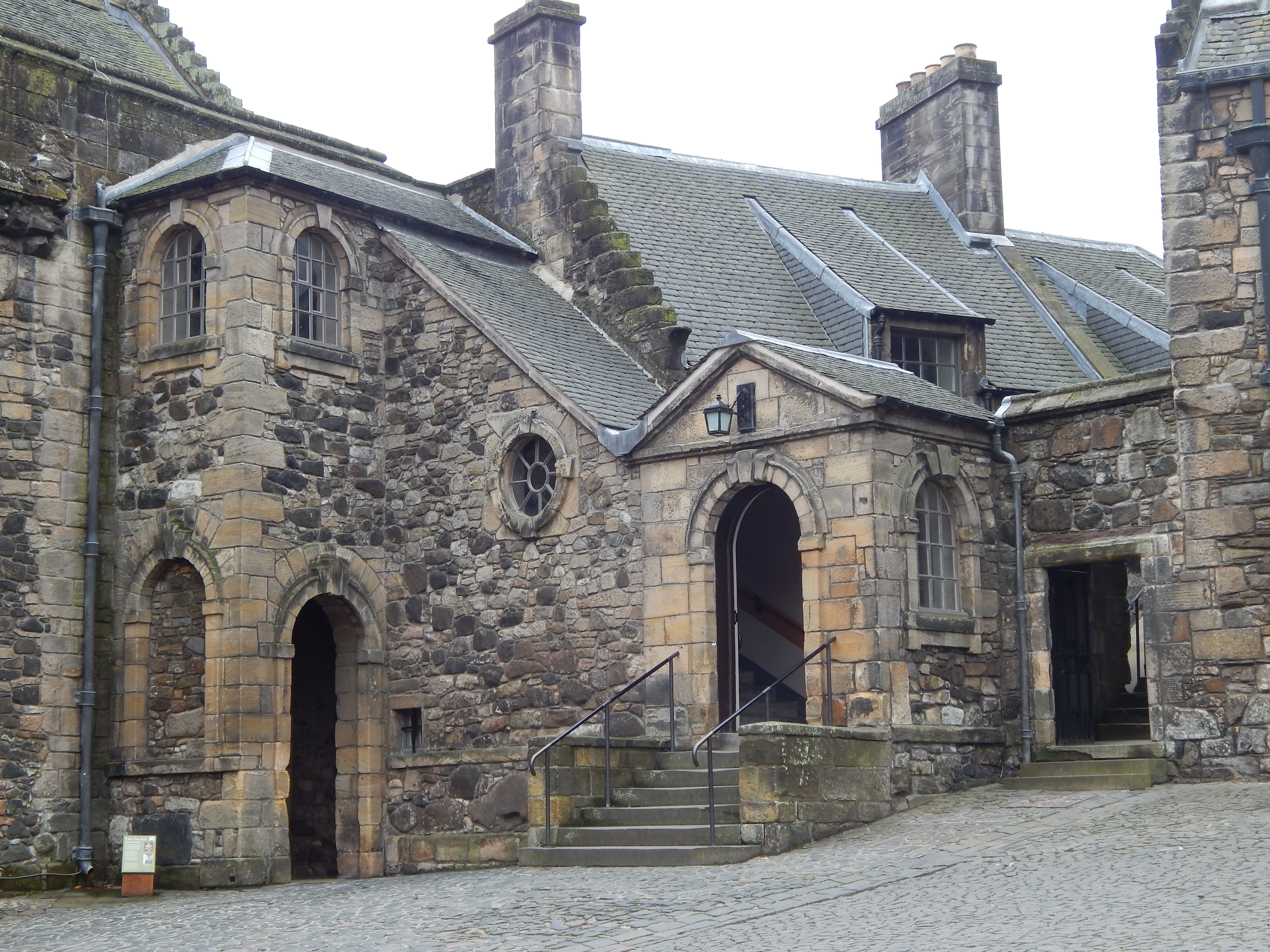
Entrance to Royal Palace

Entrance to Royal Palace

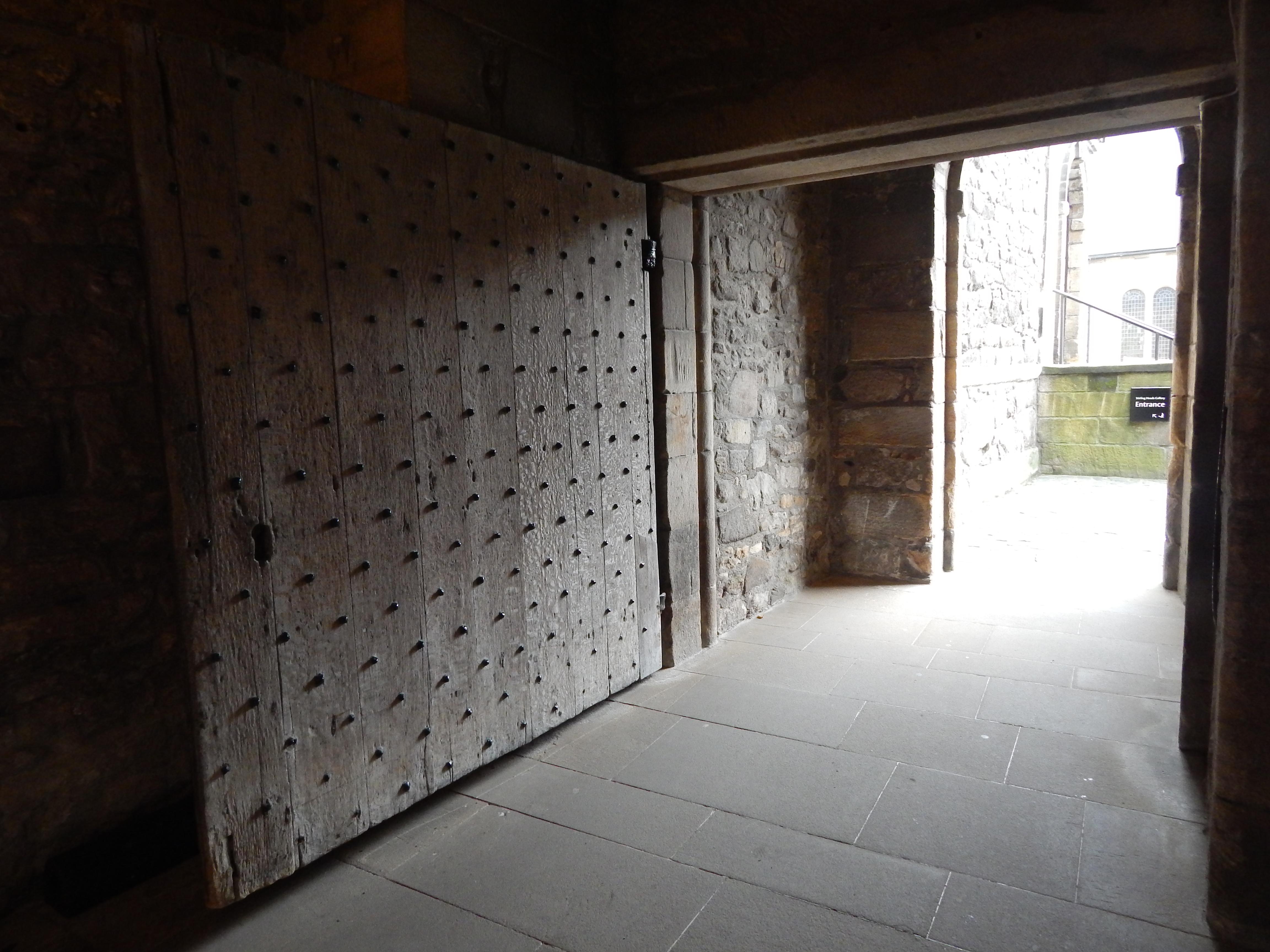
Entrance door to Royal Palace.  This is the original door that has hung here for nearly 500 years

Entrance door to Royal Palace. This is the original door that has hung here for nearly 500 years

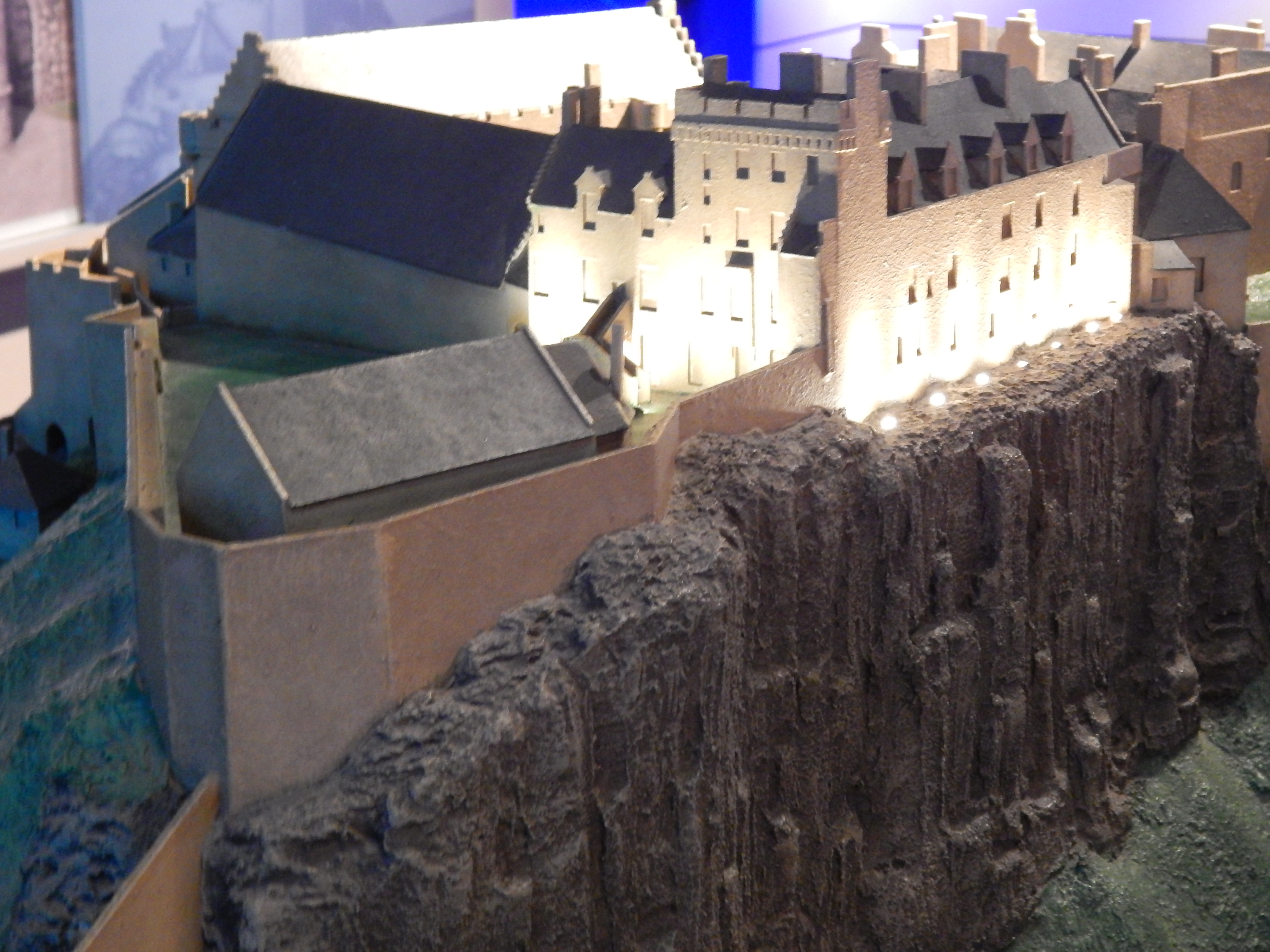
Model showing cliffs behind castle

Model showing cliffs behind castle

DSCN0457 DSCN0454

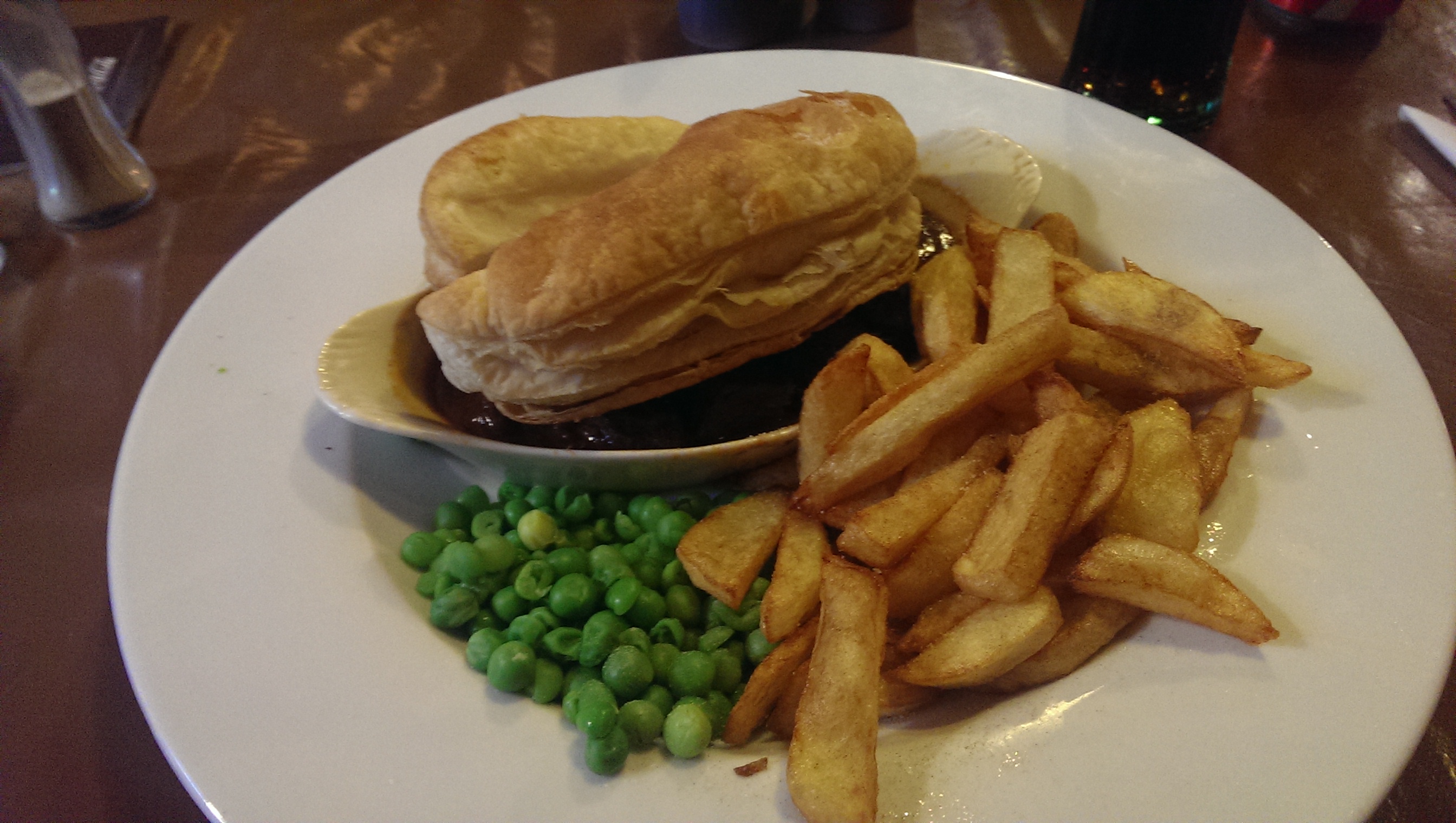
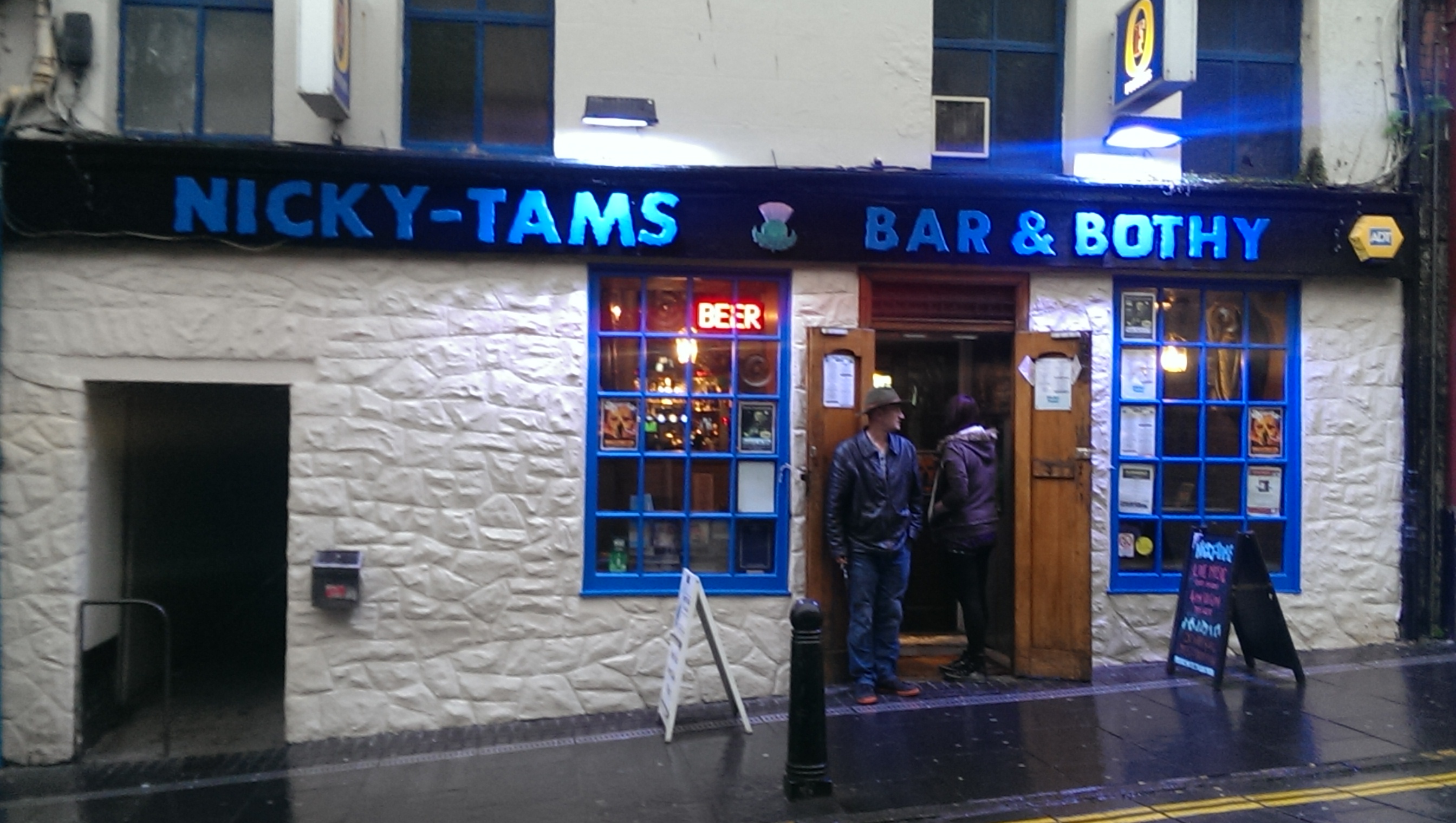
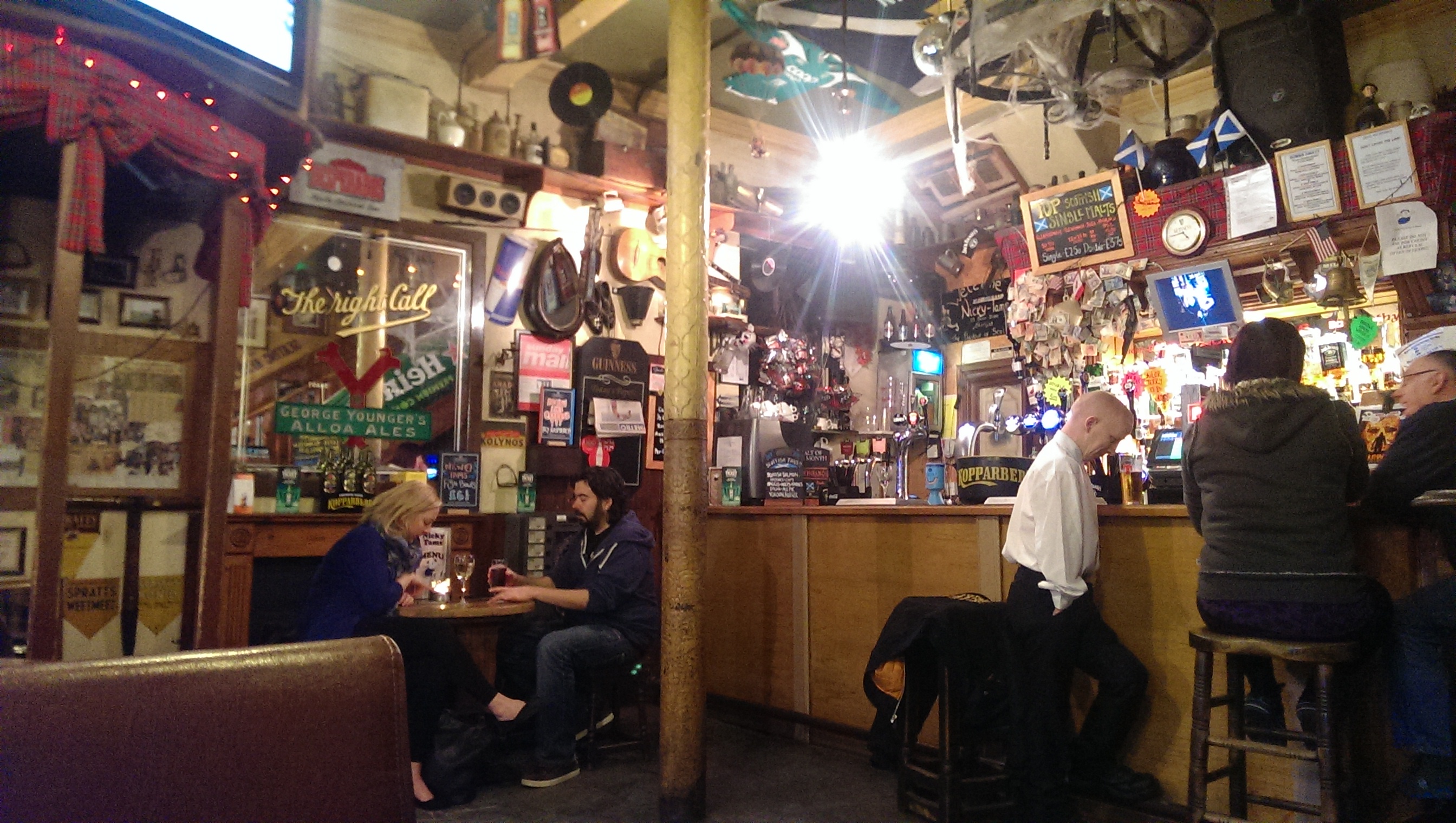
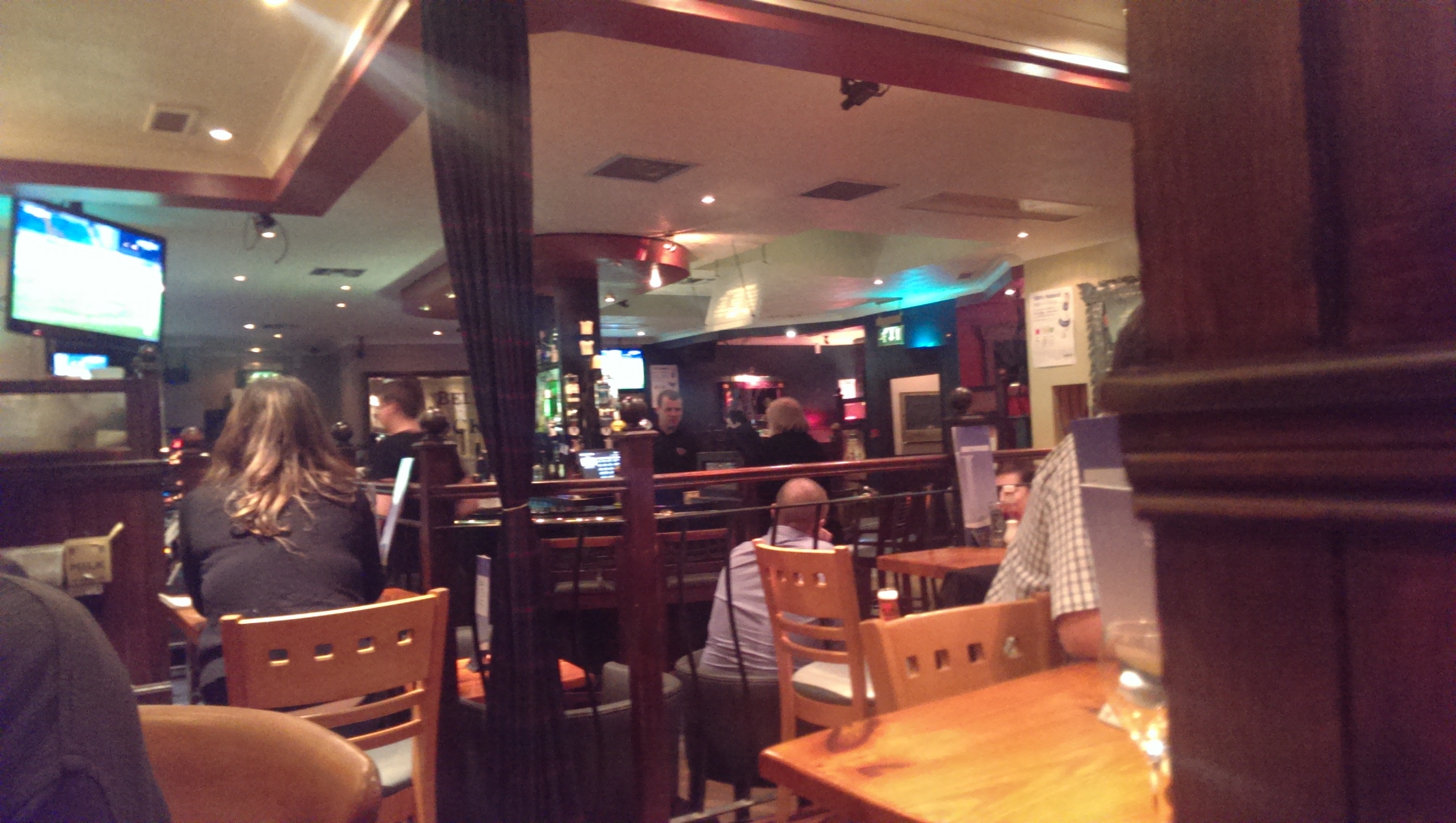
On my way back to the train station, I stopped at a pub that purported to be haunted for a bite. Haggis was on the menu, but I am not quite brave enough to try it. I opted instead for a traditional Steak and Ale Pie served with chips and the almost legendary HP brown sauce. My friend here calls the sauce repugnant, but I liked it. Who knows, maybe I’ll like the haggis, too. For tonight, I think I must venture to the local chippie (fast food) and try the pizza crunch – deep fried pizza.

IMAG0543

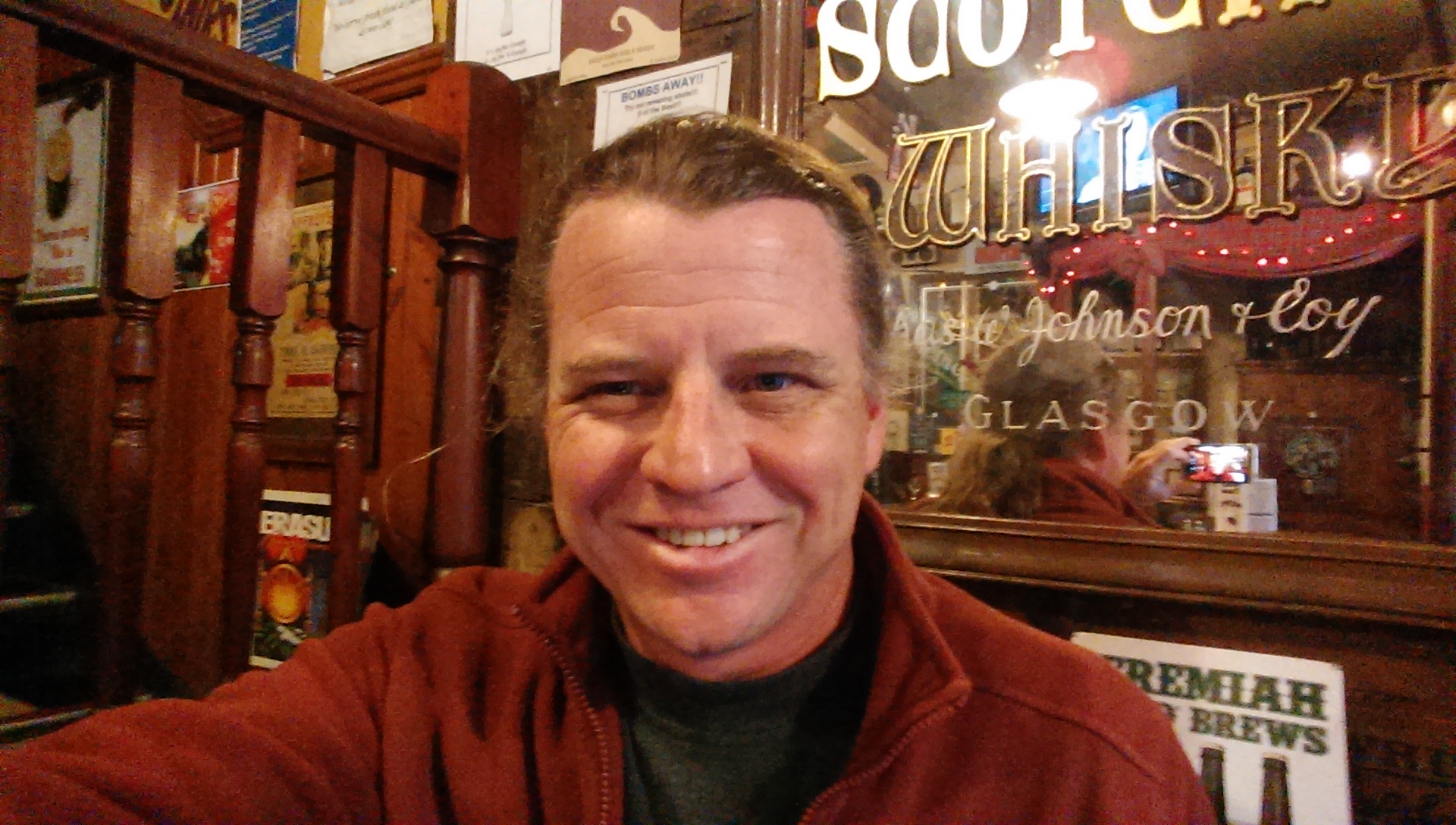
Cameo by the photographer in this one

IMAG0542

Steak & Ale Pie with Chips and Peas. Always with the peas in a pub

IMAG0545

Nicky-Tams, Stirling’s most haunted pub

IMAG0541

IMAG0548

Tomorrow the journey takes me south into England. Six hours and two changes on trains from Glasgow I will be in Bath for three nights. I plan to sample the thermal waters there and take in what I have heard is one of the UK’s most beautiful cities. I also plan a day trip to Glastonbury, home of Christianity in Britain and legendary burial-place of King Arthur.

After a partly cloudy morning, the rain has returned.  Time to find the chippie and get busy packing my kit for tomorrow’s journey.

Return to the Gothic

18 Friday Oct 2013

Posted by savagemythology in Uncategorized

≈ 2 Comments

Tags

glasgow, Glasgow Cathedral, scotland, travel

17 October, 2013

DSCN0361

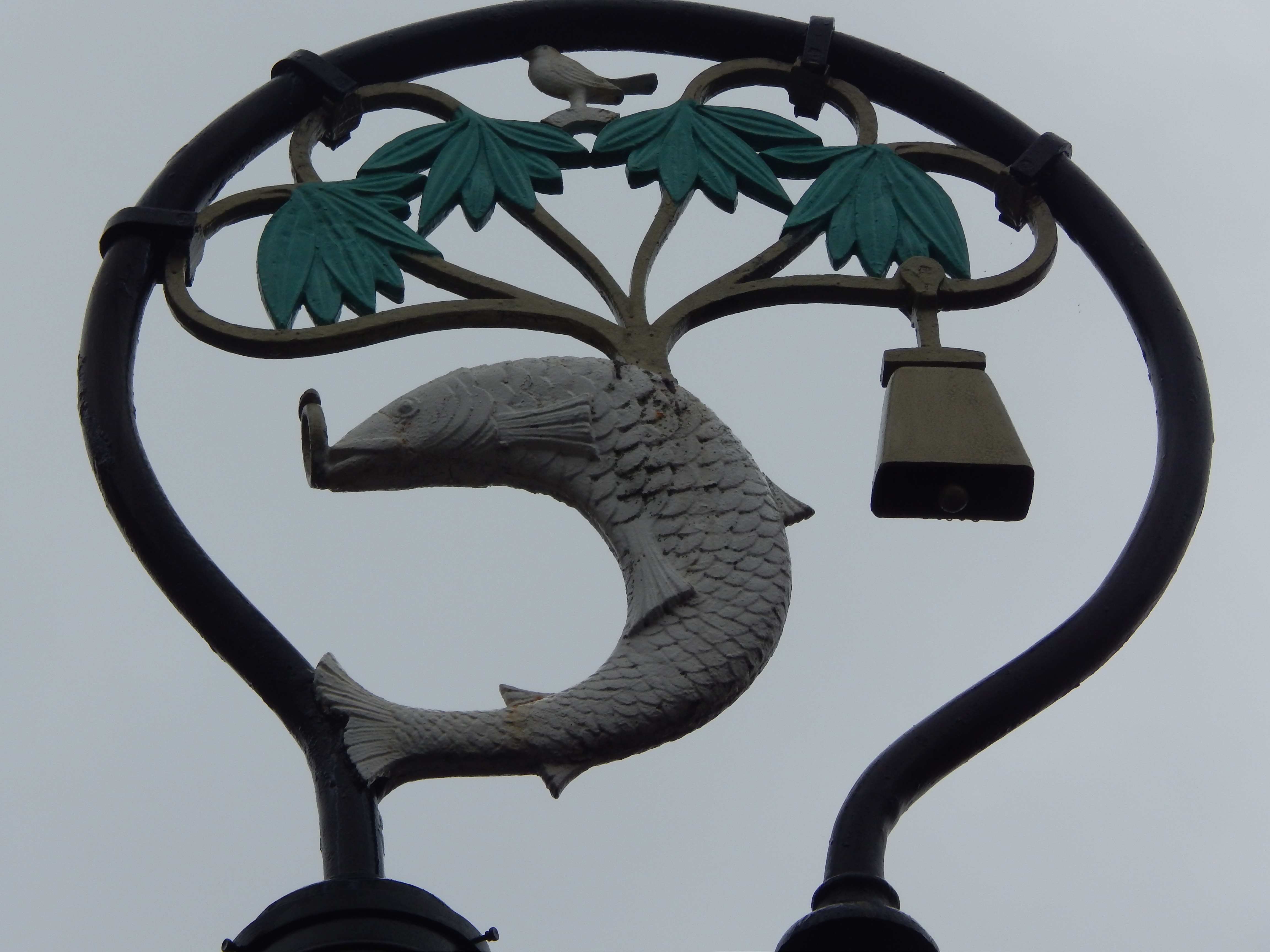
A bird that never flew, A tree that never grew, A bell that never rang, A fish that never swam. Let Glasgow Flourish

A bird that never flew,
A tree that never grew,
A bell that never rang,
A fish that never swam.
Let Glasgow Flourish

DSCN0322

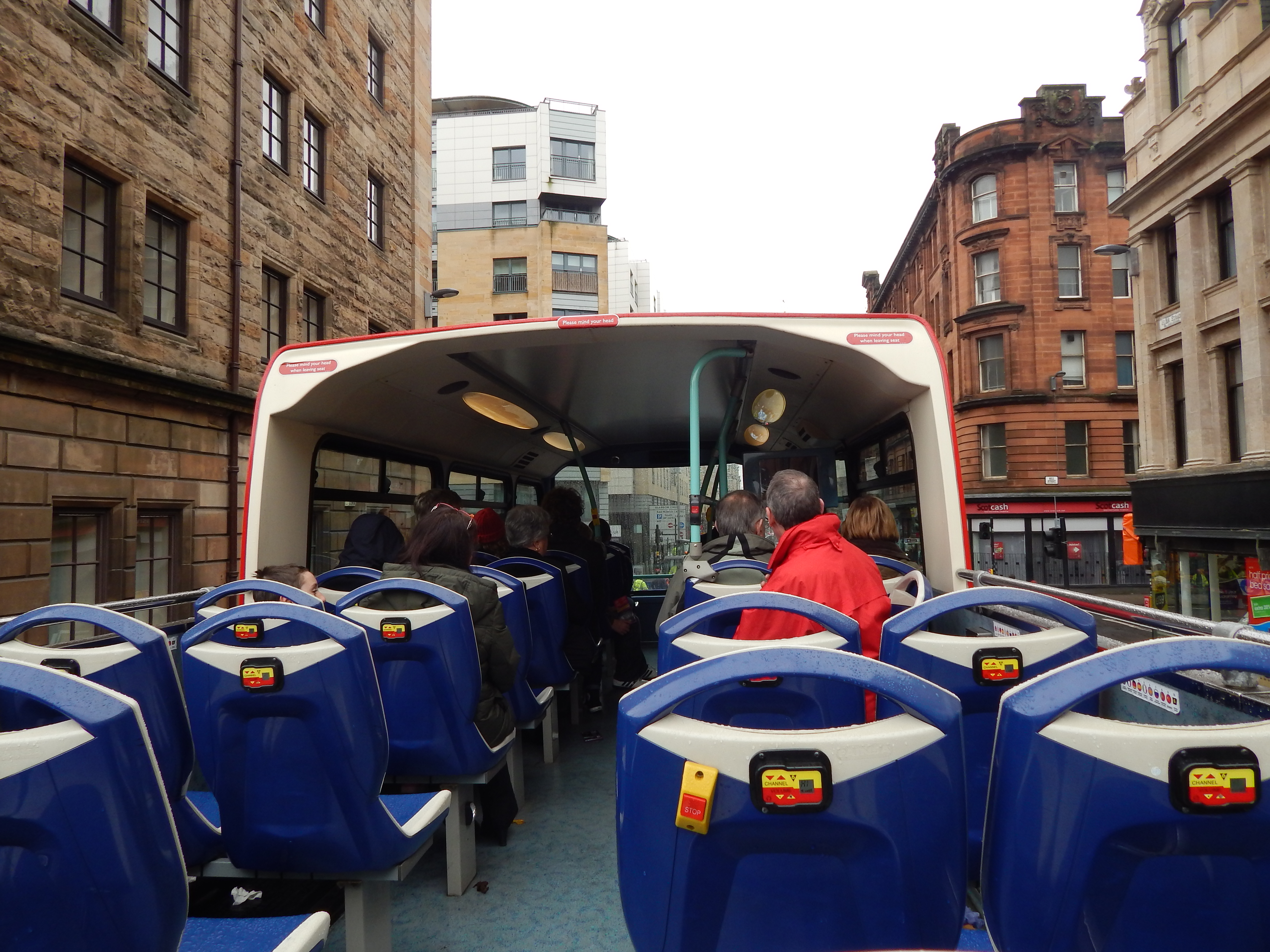
I took a bus tour around the city today. There was a two fold reasoning for this. It allowed me to see Glasgow from atop an open air double-decker bus, and also gave me a taste of the history of the city as told by the guide. The day was typically Glaswegian – grey and misty, but I was not deterred from riding in the open section of the top deck. The other, perhaps primary, reason for the outing was to visit the Gothic Glasgow Cathedral of Saint Mungo.

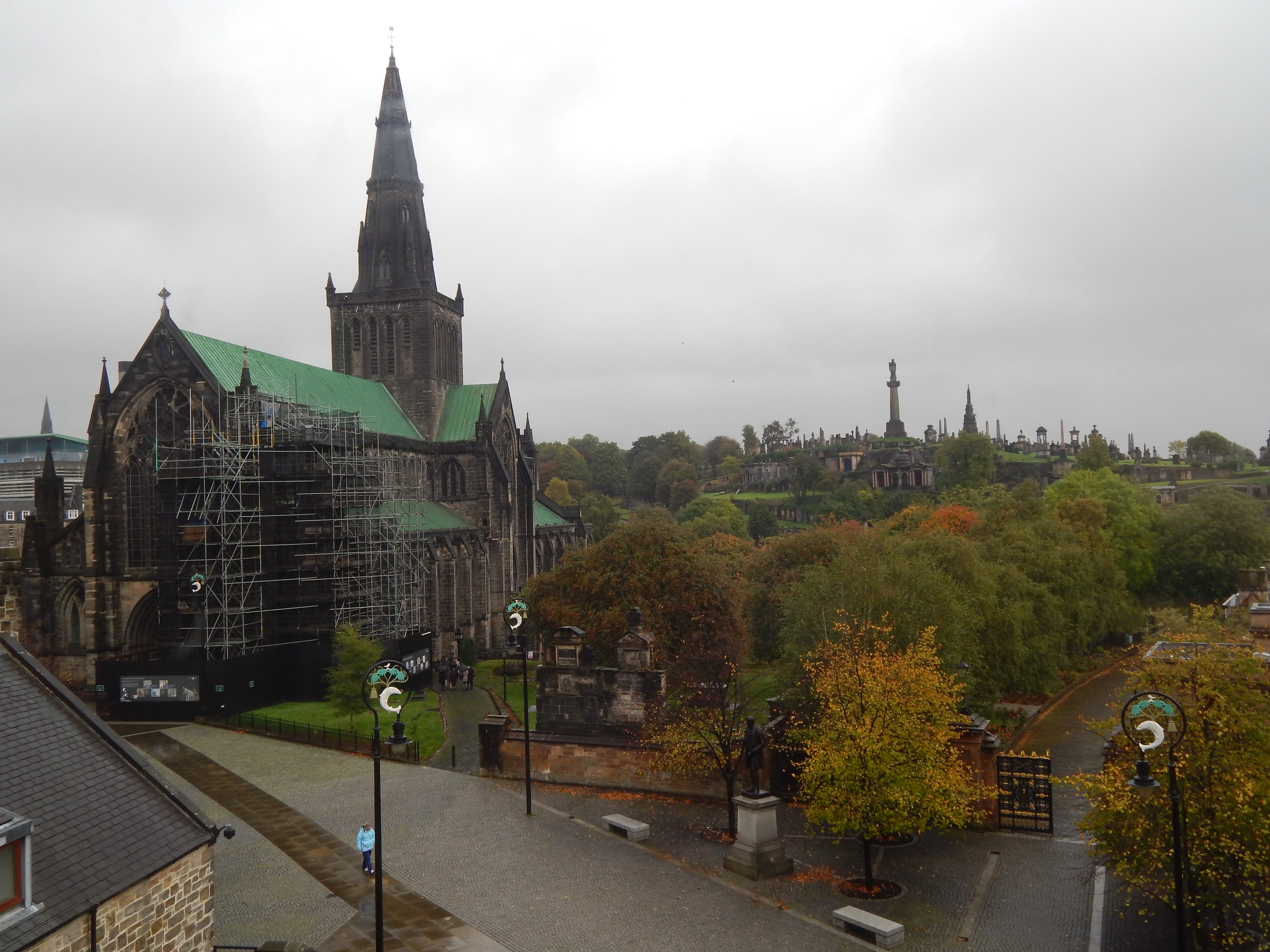
View of the Cathedral with the Necropolis behind.

View of the Cathedral with the Necropolis behind.

DSCN0357

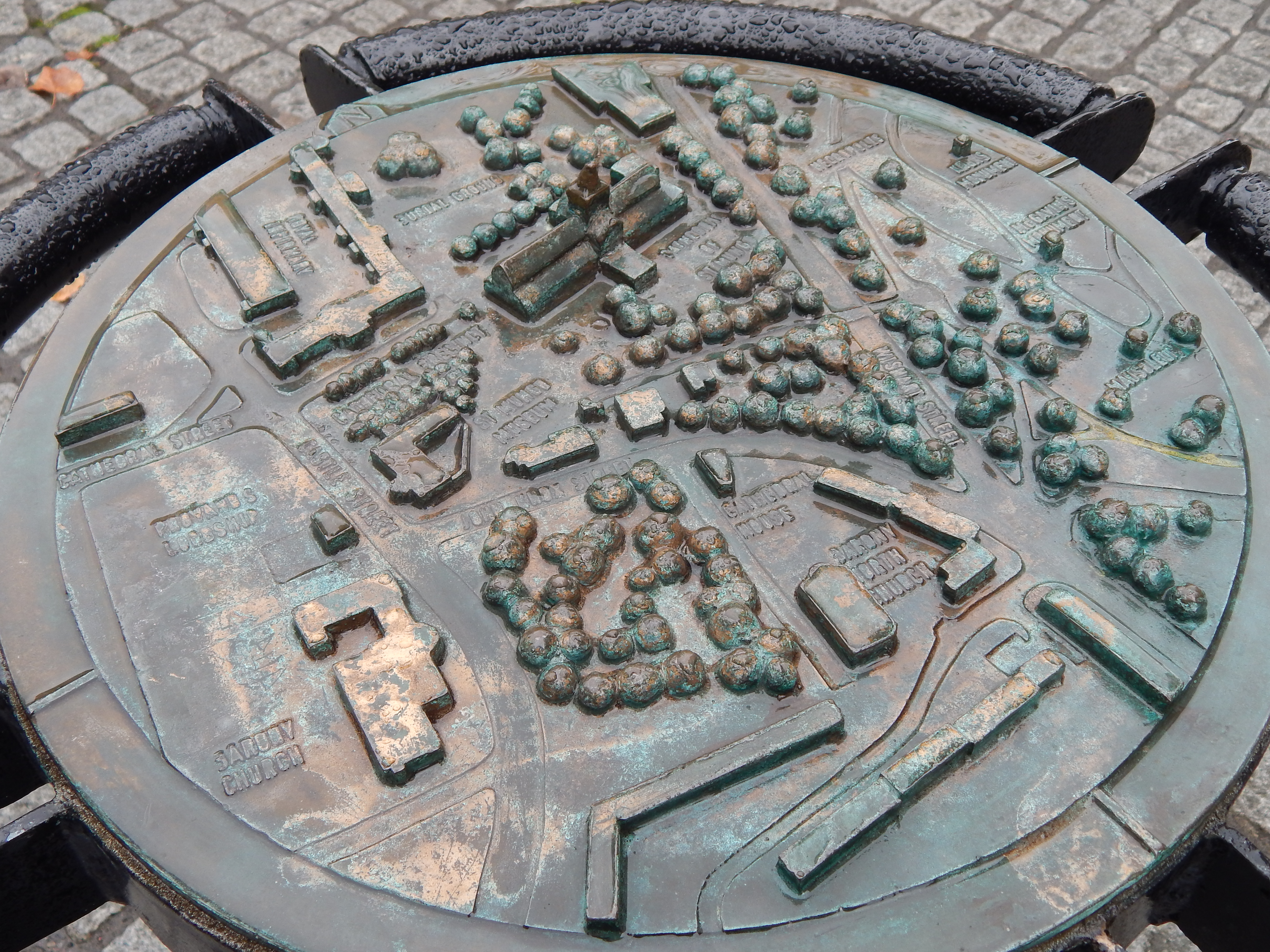
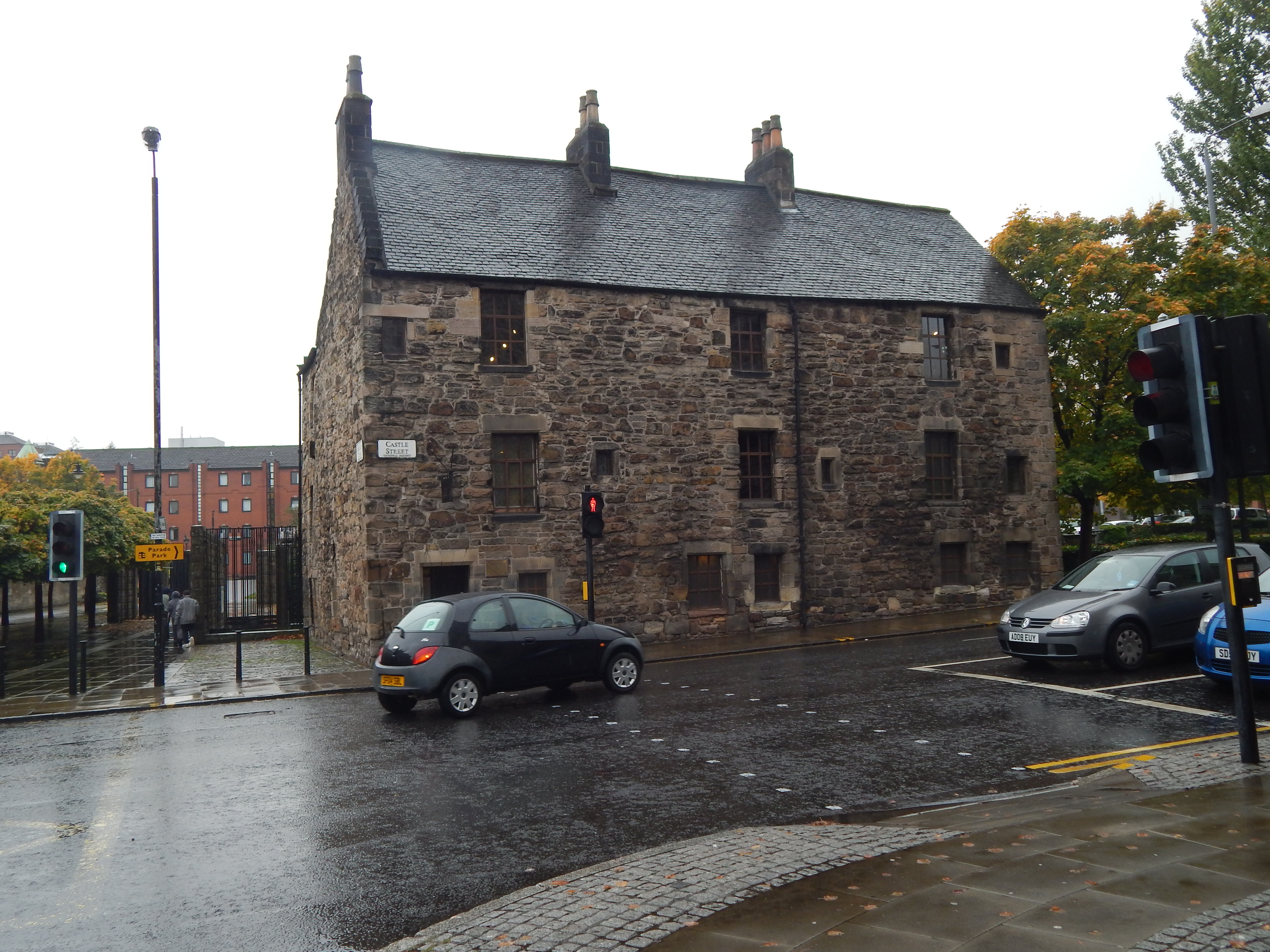
At the entrance to the precinct (plaza) in front, there is a bronze plaque that depicts the immediate surroundings. Across the street is the oldest dwelling in Glasgow. Mary, Queen of Scots, stayed here in the mid 16th century and within the walls most likely penned “the Casket Letters” that played a part in her ultimate fate. ( http://en.wikipedia.org/wiki/Casket_letters )

Oldest dwelling in Glasgow, dating to 14th Century.

Oldest dwelling in Glasgow, dating to 14th Century.

I am not a religious, church going man – I practice a spiritual life focused on a personal connection with what I understand to be God – but the Cathedrals have a special attraction for me. It may be the sacred geometry in their construction, it may be the spiritual energy focused there that comes from hundreds of years of worship. As I did on my trip to France fifteen years ago, I plan to visit every cathedral that I can. I will pray and light candles for various people in my life. I am not a Catholic and do no subscribe to the dogmas of the Churches of England or Scotland, but I am sure God understands.

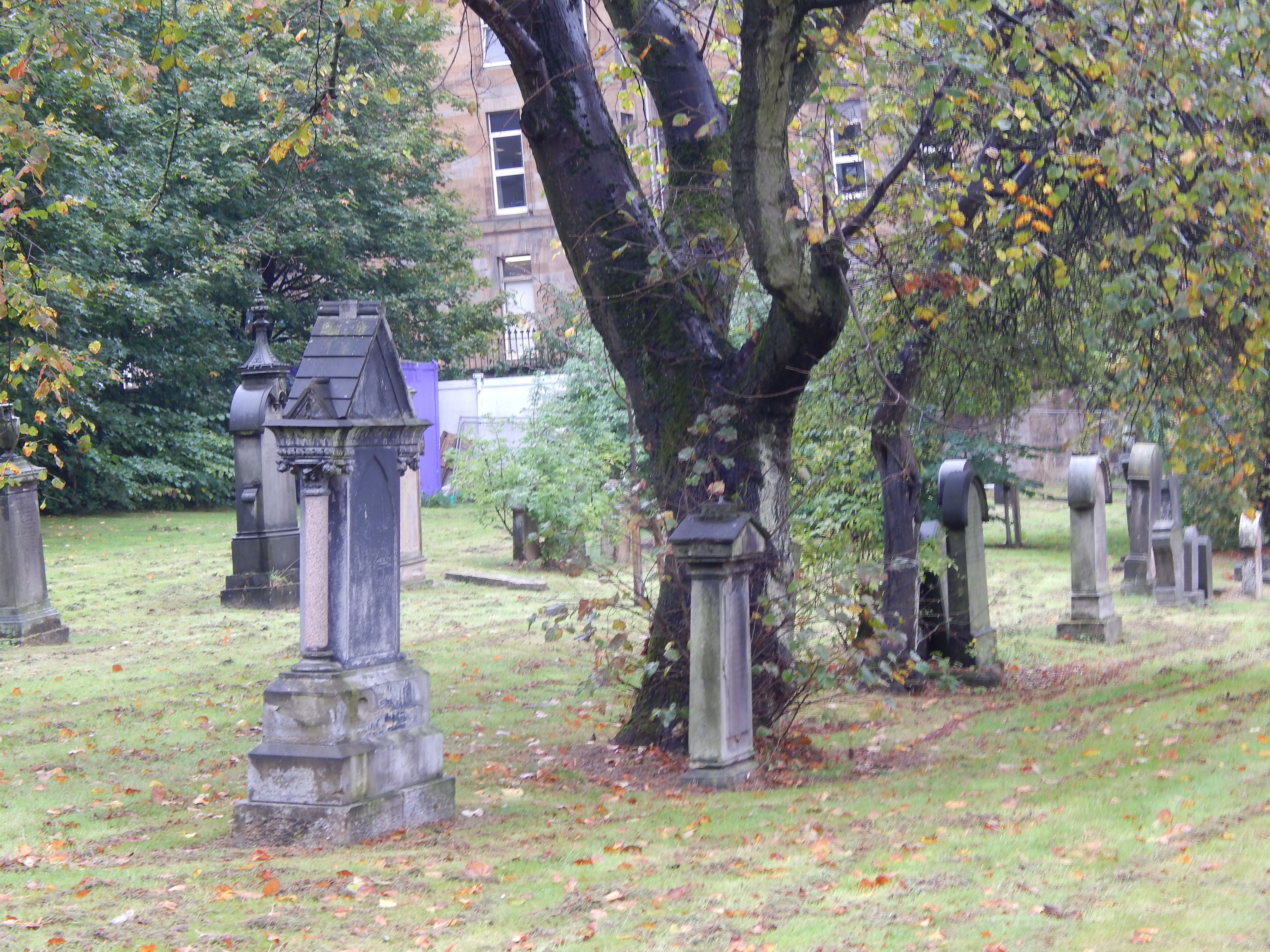
Church burial ground - graves dating to 19th century.

Church burial ground – graves dating to 19th century.

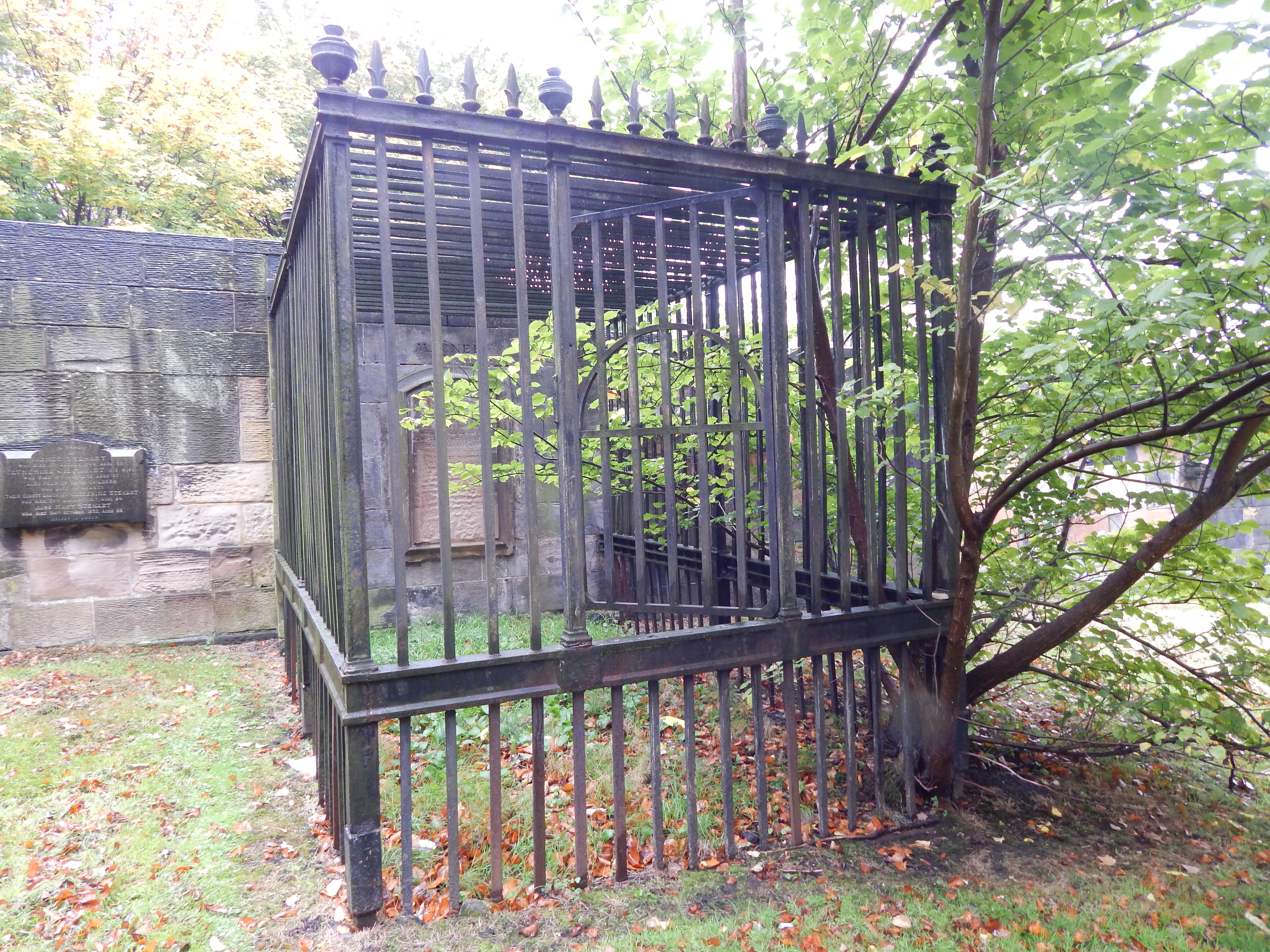
19th century grave.  Either they didn't want grave robbers getting in, or the dead getting out.  You decide.  I think the latter is the better story.

19th century grave. Either they didn’t want grave robbers getting in, or the dead getting out. You decide. I think the latter is the better story.

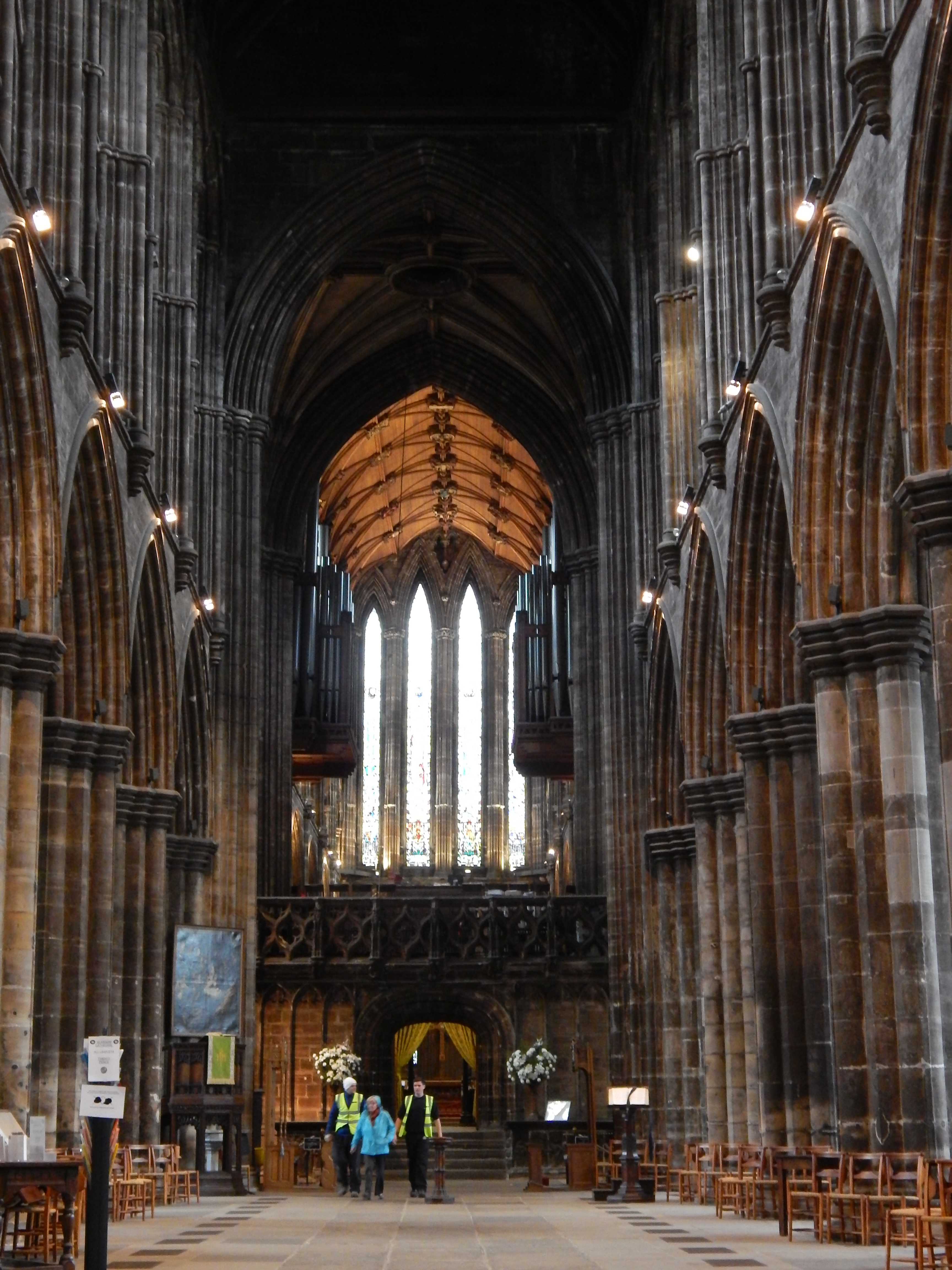
View in the nave toward the apse and choir.

View in the nave toward the apse and choir.


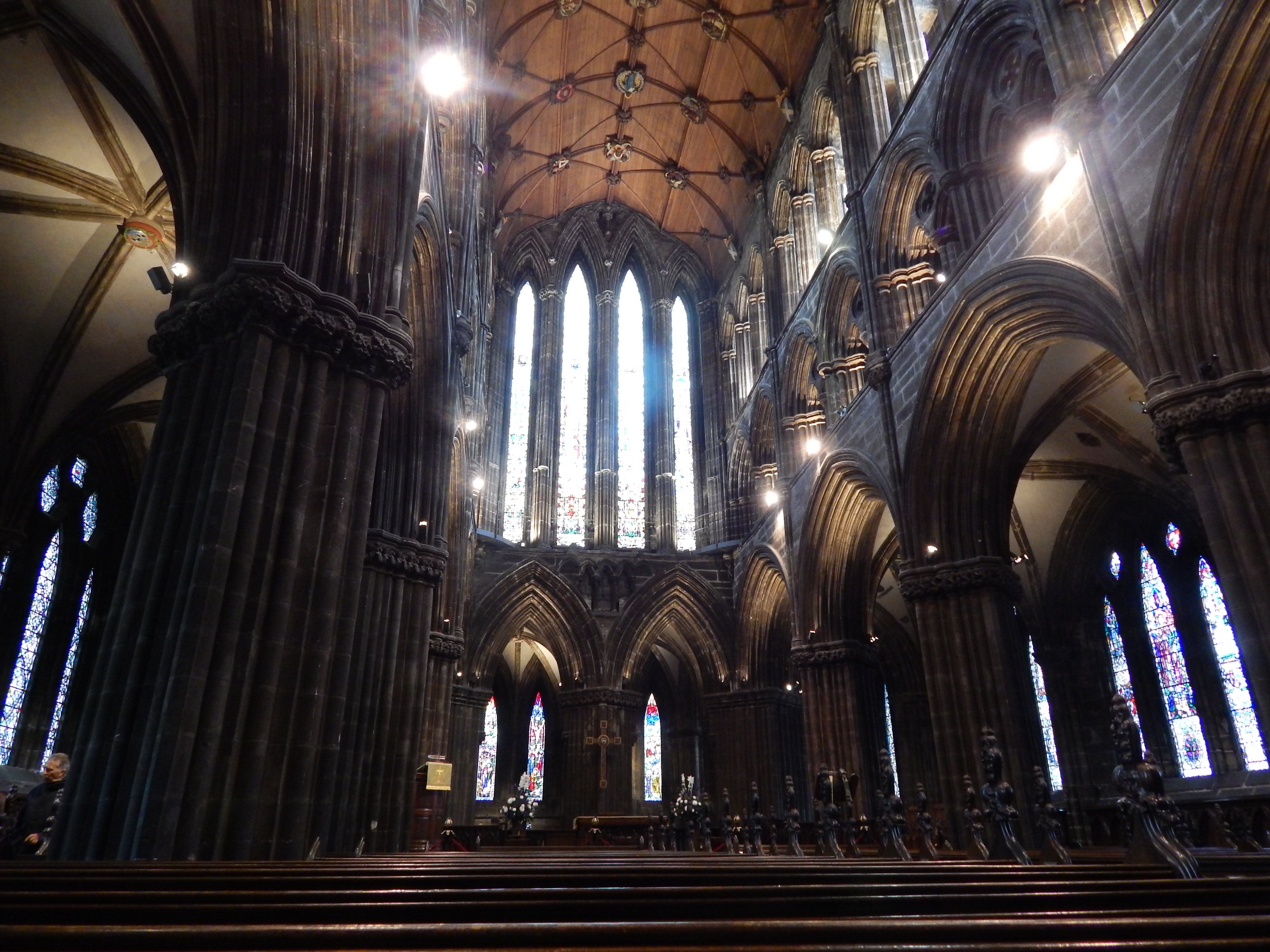
Apse and altar

Apse and altar

Apse windows

Apse windows

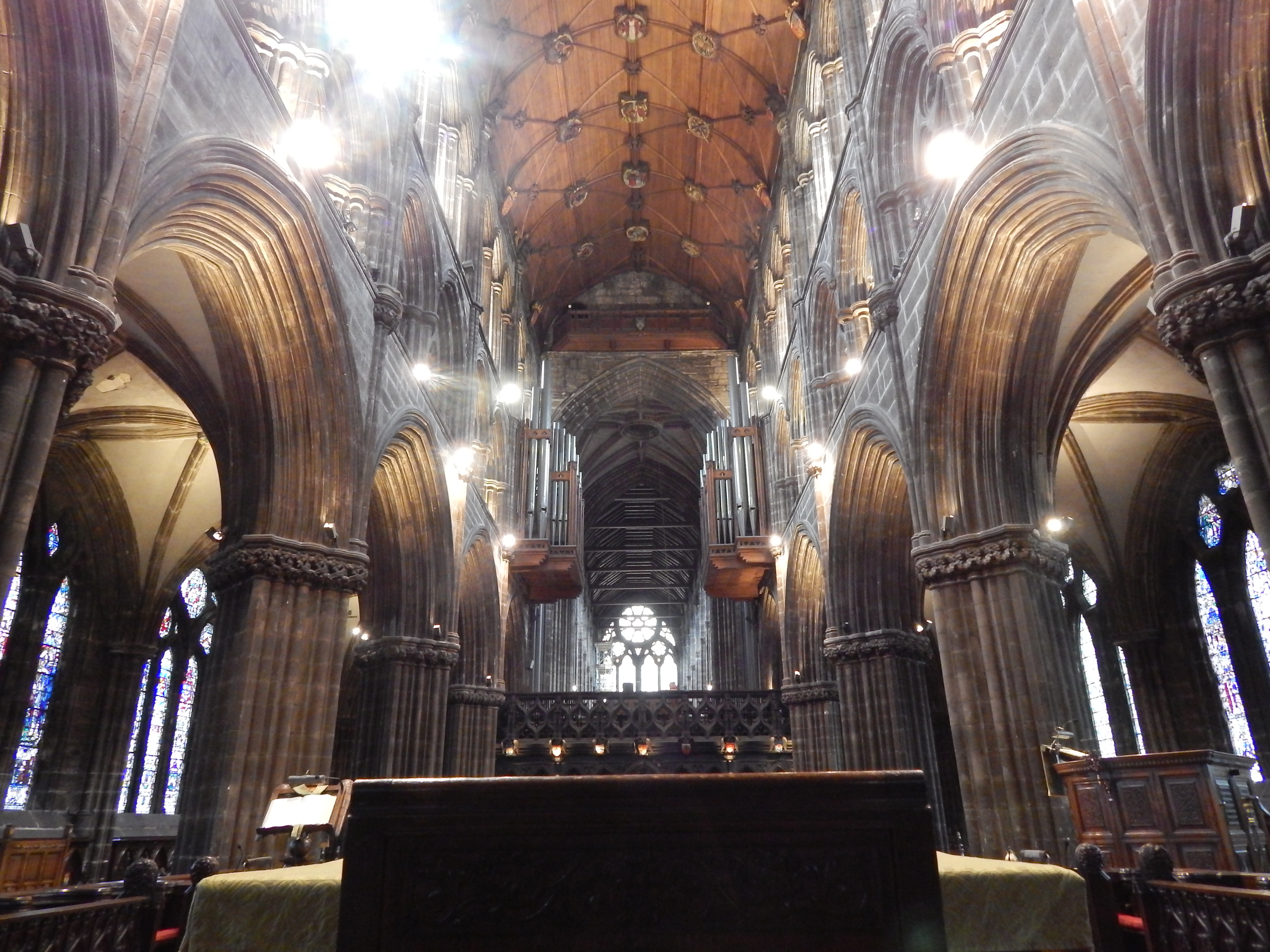
DSCN0336

From behind altar, toward rose window

From behind altar, toward rose window

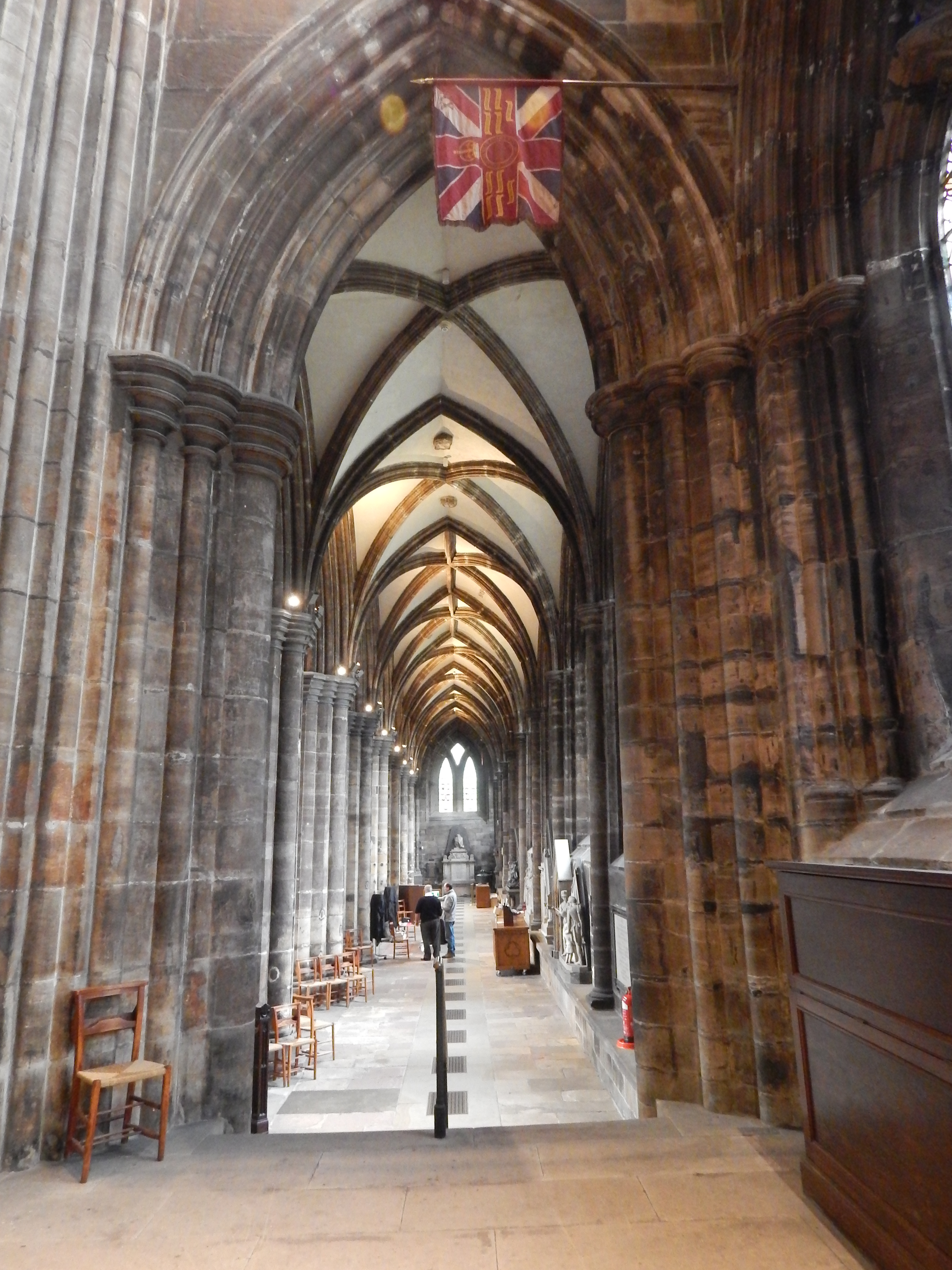
Nave, side aisle

Nave, side aisle

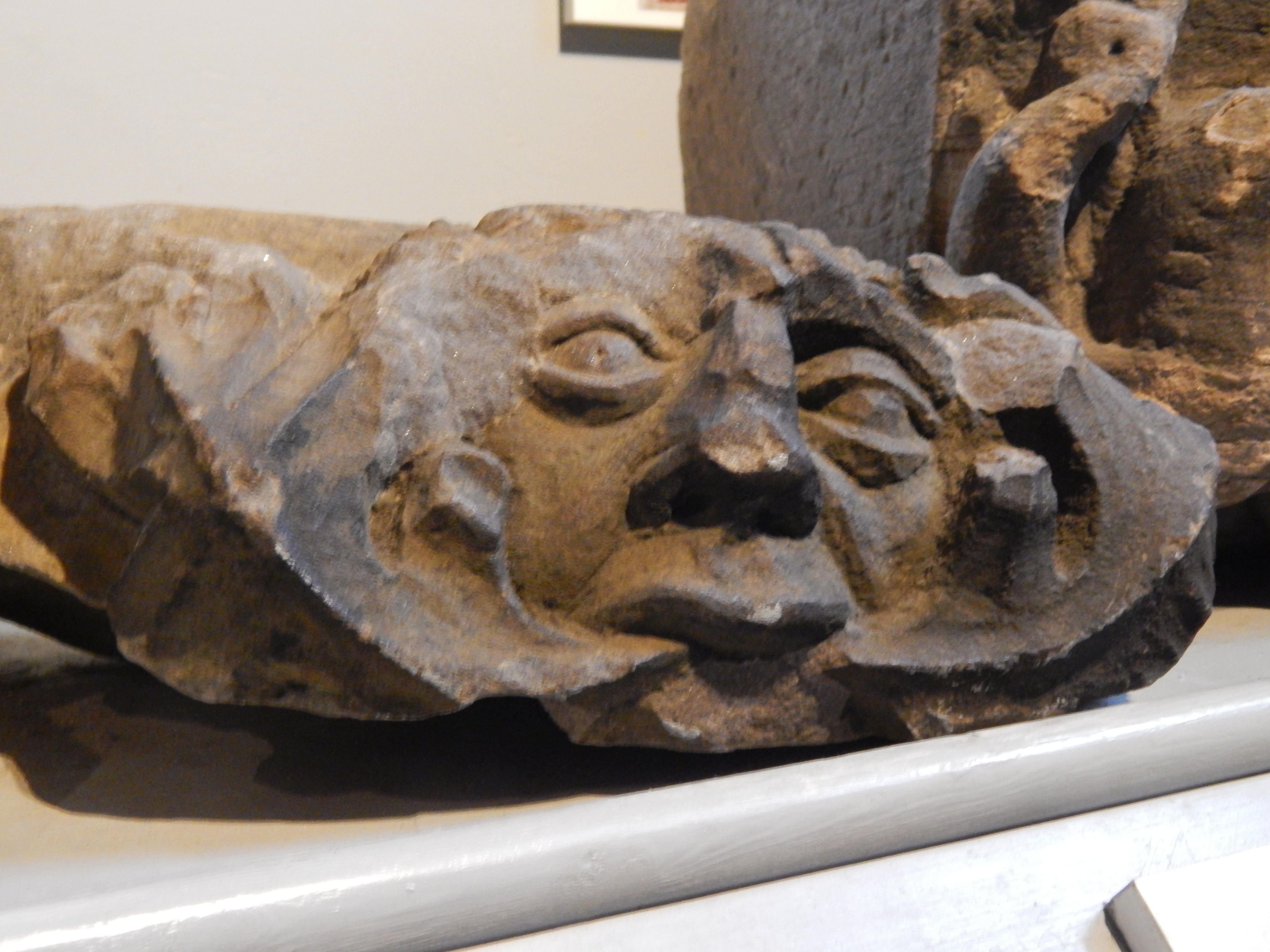
Carving from Romanesque cathedral that stood here previously.  est. 9-12th century

Carving from Romanesque cathedral that stood here previously. est. 9-12th century

I will not try to fill out the 700 year history of the building – there is a fantastic article at Wikipedia: http://en.wikipedia.org/wiki/Glasgow_Cathedral#History

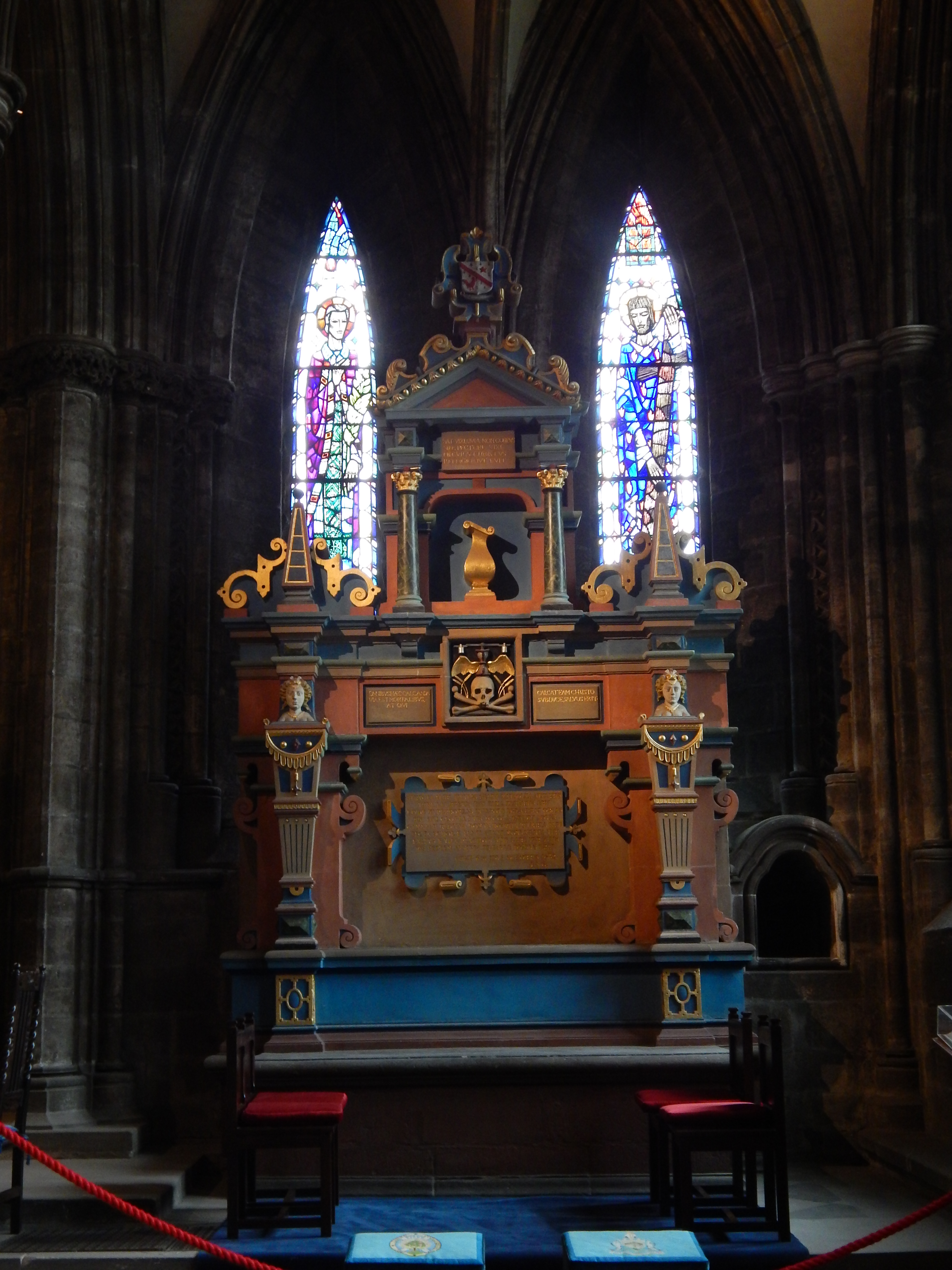
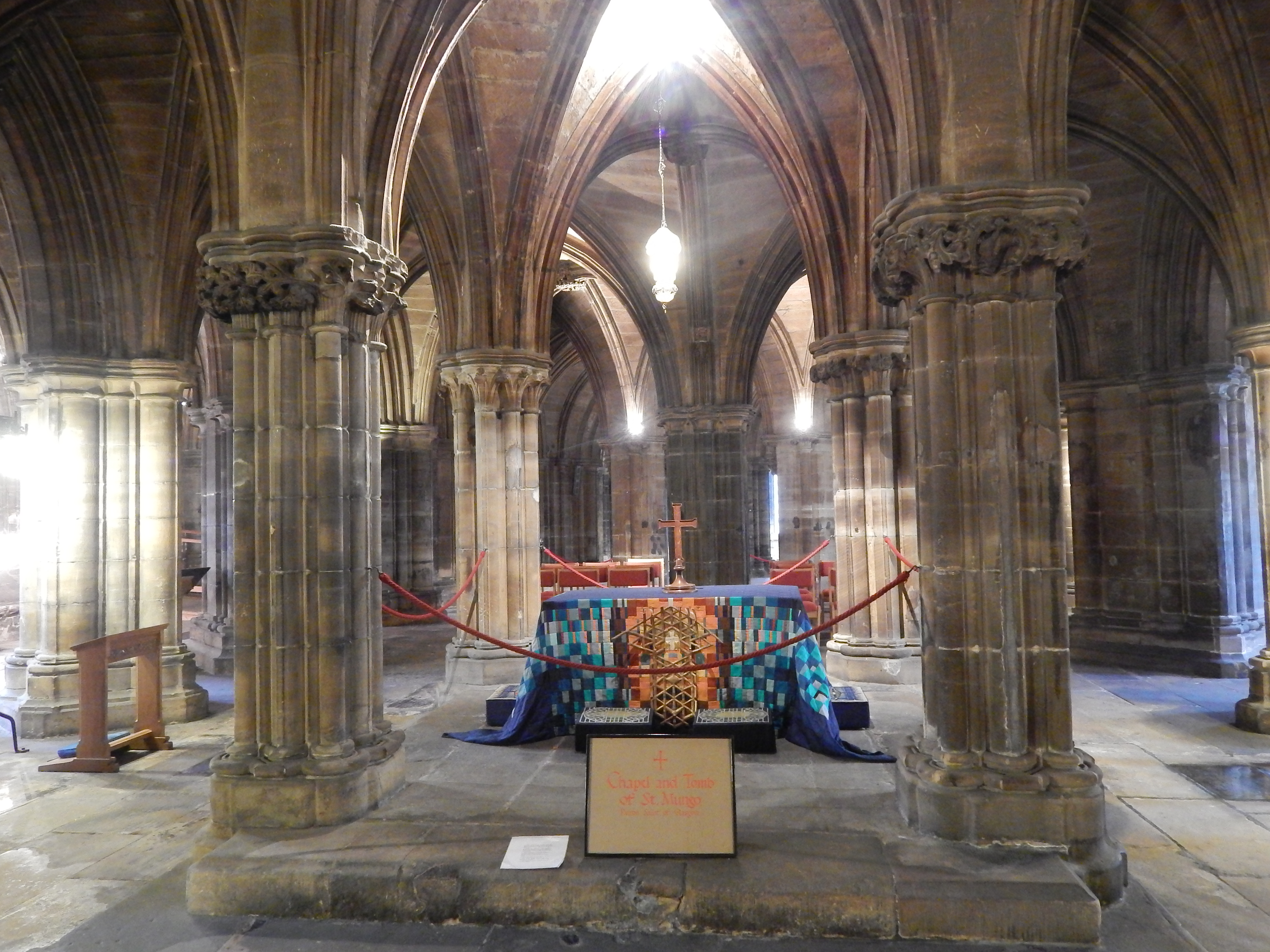
I stopped at one small chapel in the crypt for a quiet moment of prayer. I learned later that the particular spot I stopped was the Nurses Chapel. For reasons I will not go into here, this has particular significance for me. (As an aside, the first Women’s Nursing College started at the University of Glasgow in the late 1860s.)

Crypt.  Tomb of St. Mungo, Nurses Chapel beyond.

Crypt. Tomb of St. Mungo, Nurses Chapel beyond.

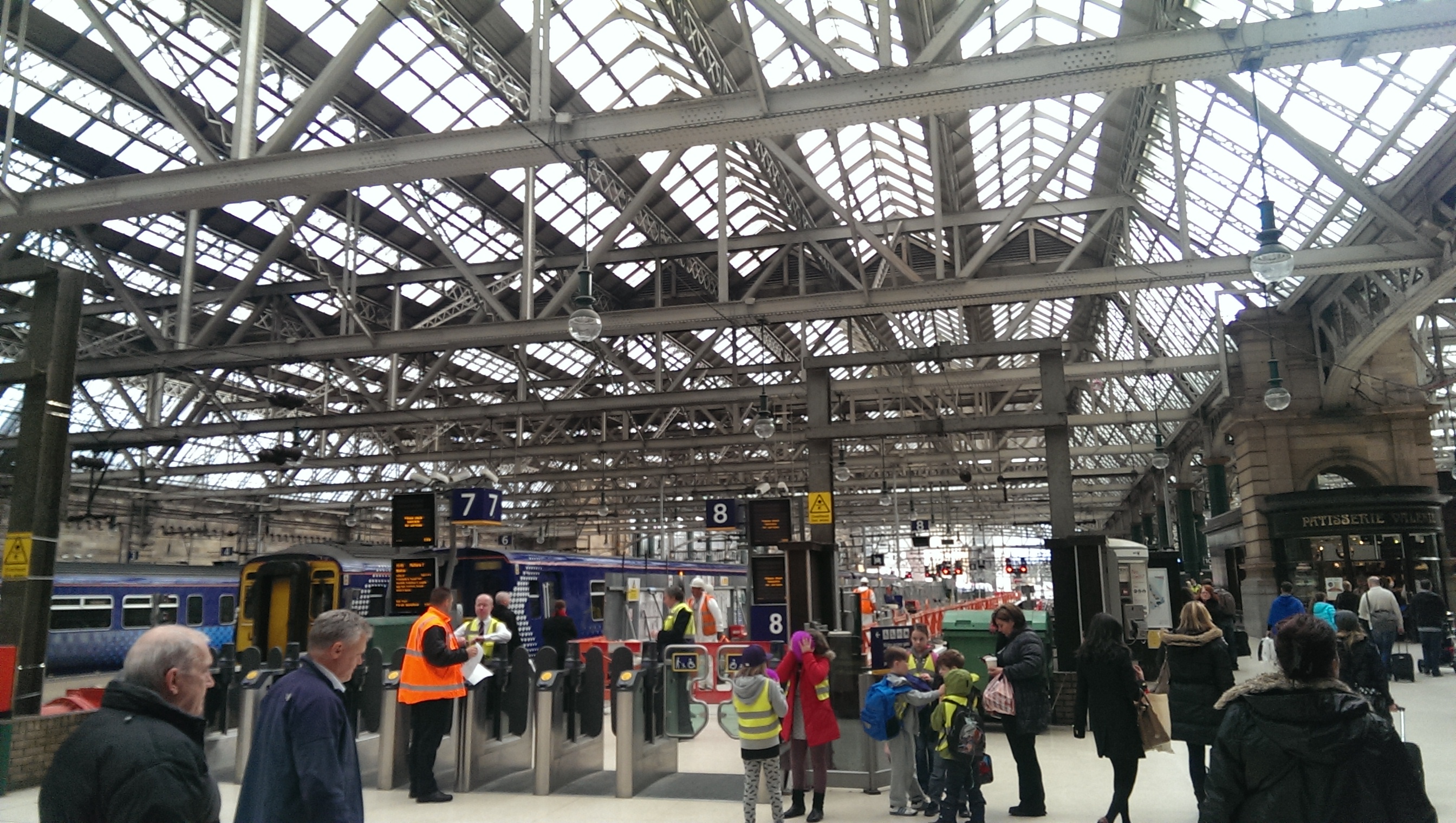
After the bus tour, I stopped at Central Station and collected tickets for the train journeys to Bath and London next week, and Portsmouth (where I have booked a cabin on an overnight ferry to Normandy) the following week. Finally had fish and chips in a proper neighborhood pub tonight.

Cast iron canopy, Central Station

Cast iron canopy, Central Station

Lock 27 pub, Anniesland, Glasgow

Lock 27 pub, Anniesland, Glasgow


IMAG0523

Tomorrow I will venture by rail to Stirling to see the castle there and the Victorian monument to William Wallace. Stay Tuned.

Cheers!

IMAG0520

Aye, Wilcom tae Glasgae Then, Mate

14 Monday Oct 2013

Posted by savagemythology in Uncategorized

≈ Leave a comment

Tags

edinburgh, glasgow, scotland, travel

15 October, 2012

Taking another low key day at the house in Glasgow today. After last weeks two crazy days of air travel, it’s nice to have no pressure to be on the go to somewhere to do something. The plan to get through the jet-lag in Reykjavik worked well. By Saturday night, I was tired enough to go to sleep by ten pm.

IMAG0477

I left Iceland on a 730am flight last Friday. I took advantage of the Wi-Fi connection on the bus to chat with a friend in the Rockies on the hour long ride to the airport. It’s nice to be half a world away, yet still remain in direct contact with close friends at home. Though the time difference from pre-dawn Reykjavik meant we were chatting between two different days on the clock. With trans-Atlantic flights arriving and travelers making their connections to destinations in Europe, Keflavik International is an insanely busy place at six in the morning. After getting through security I bought a cup of coffee and went to find my gate. I cannot recall the last time that I boarded an airliner via stairs from the tarmac. It was a special treat for me to walk alongside the nose of the 757 and admire its sheer size and graceful lines.

IMAG0478

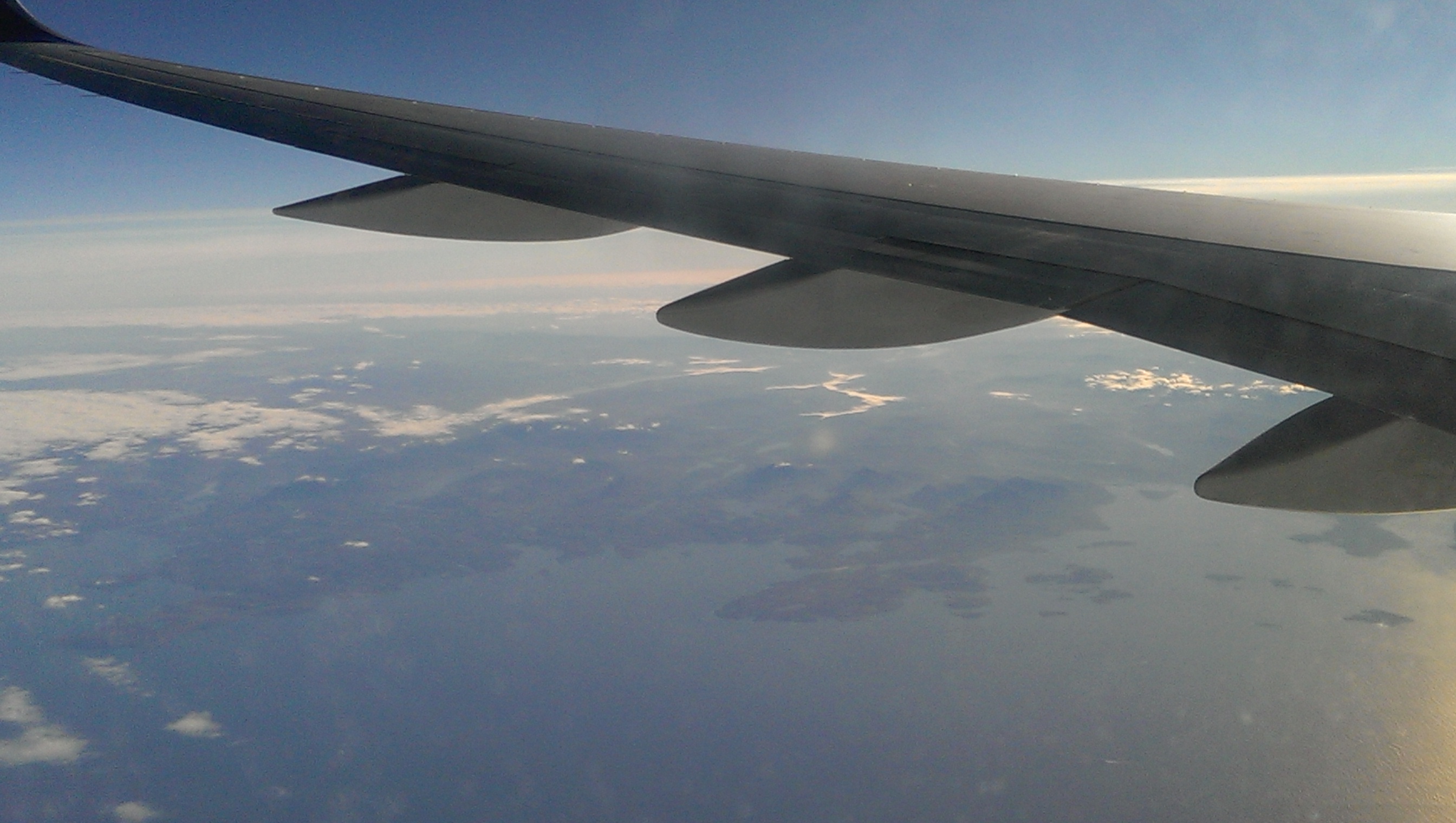
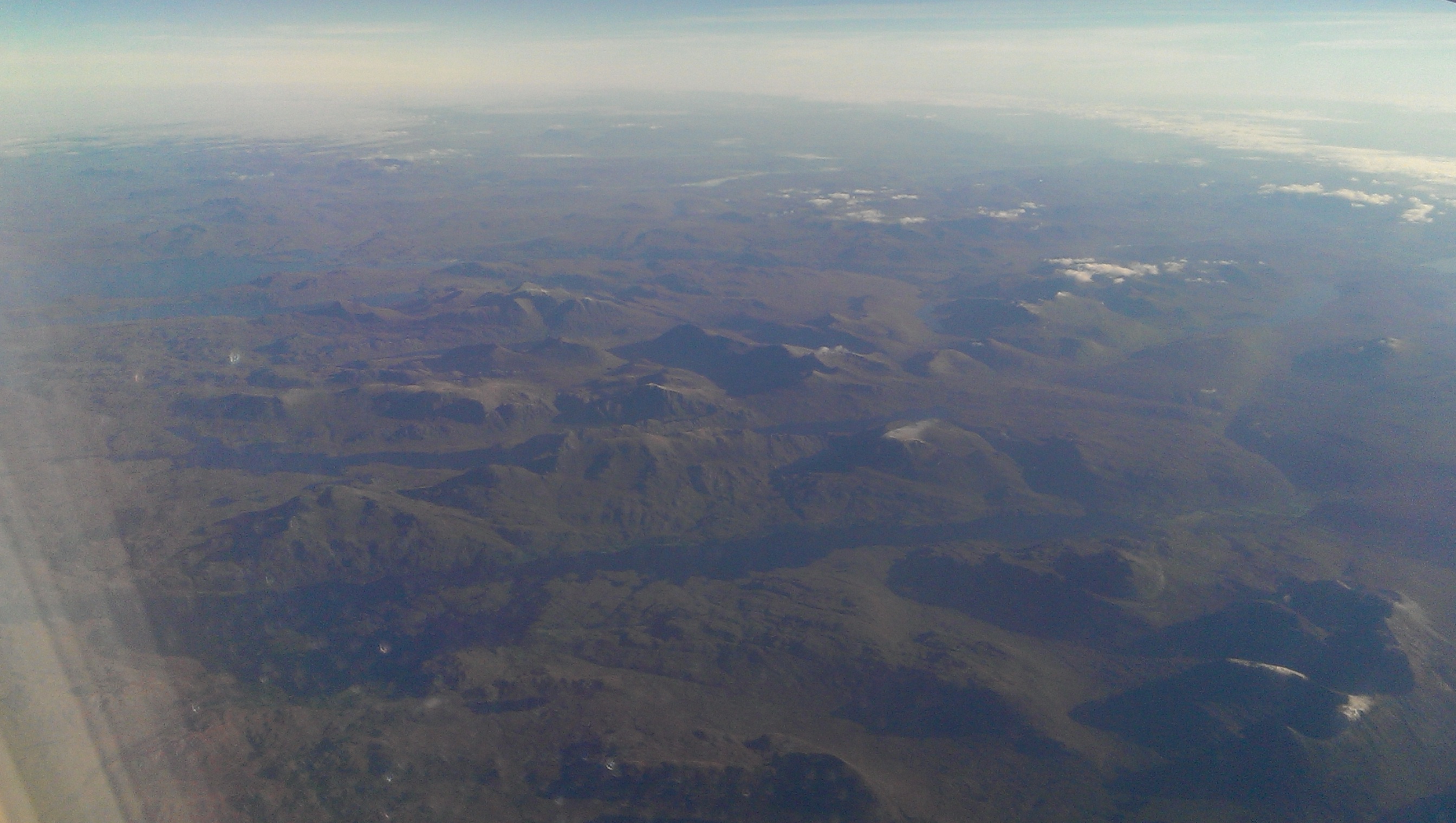
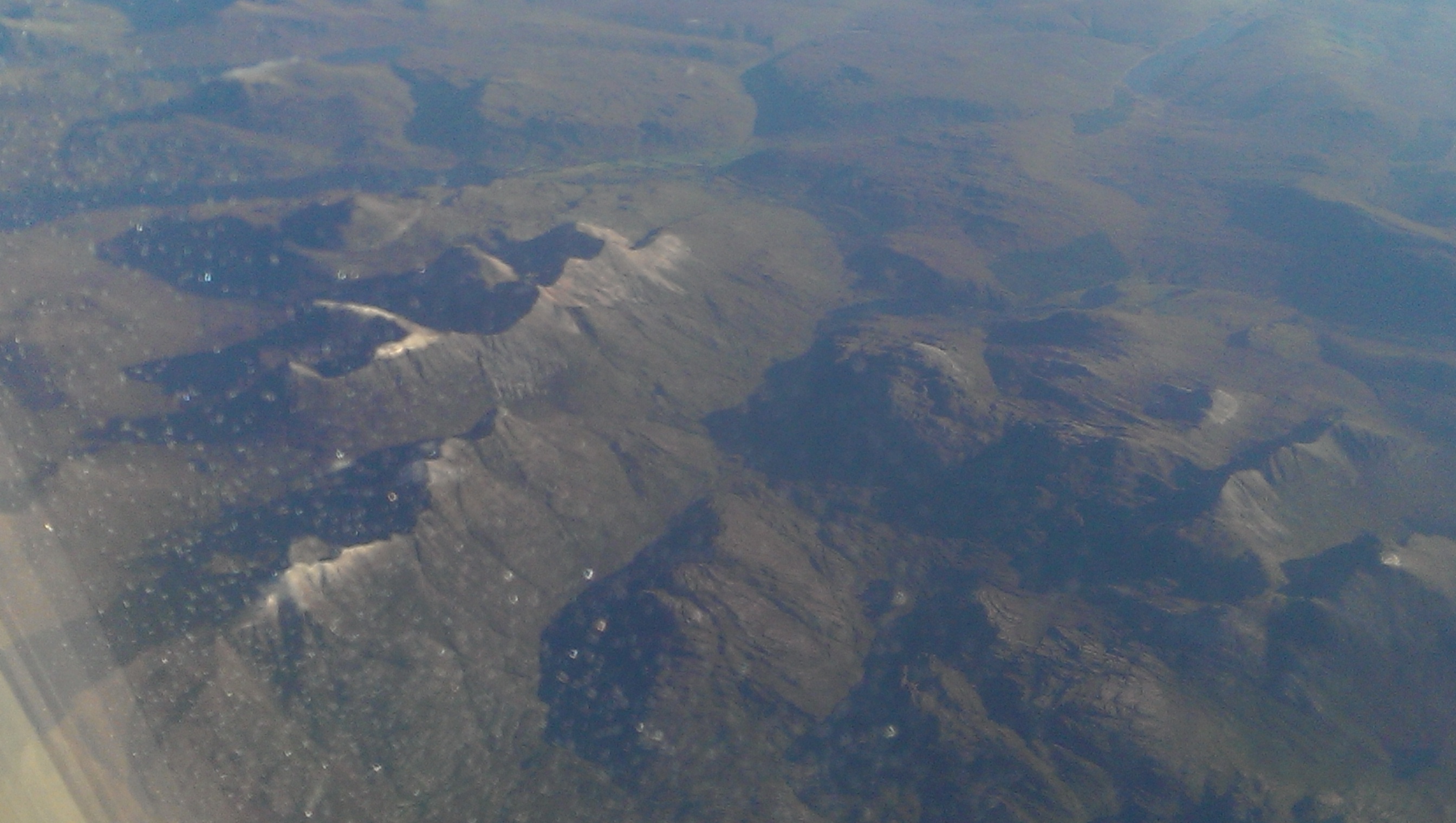
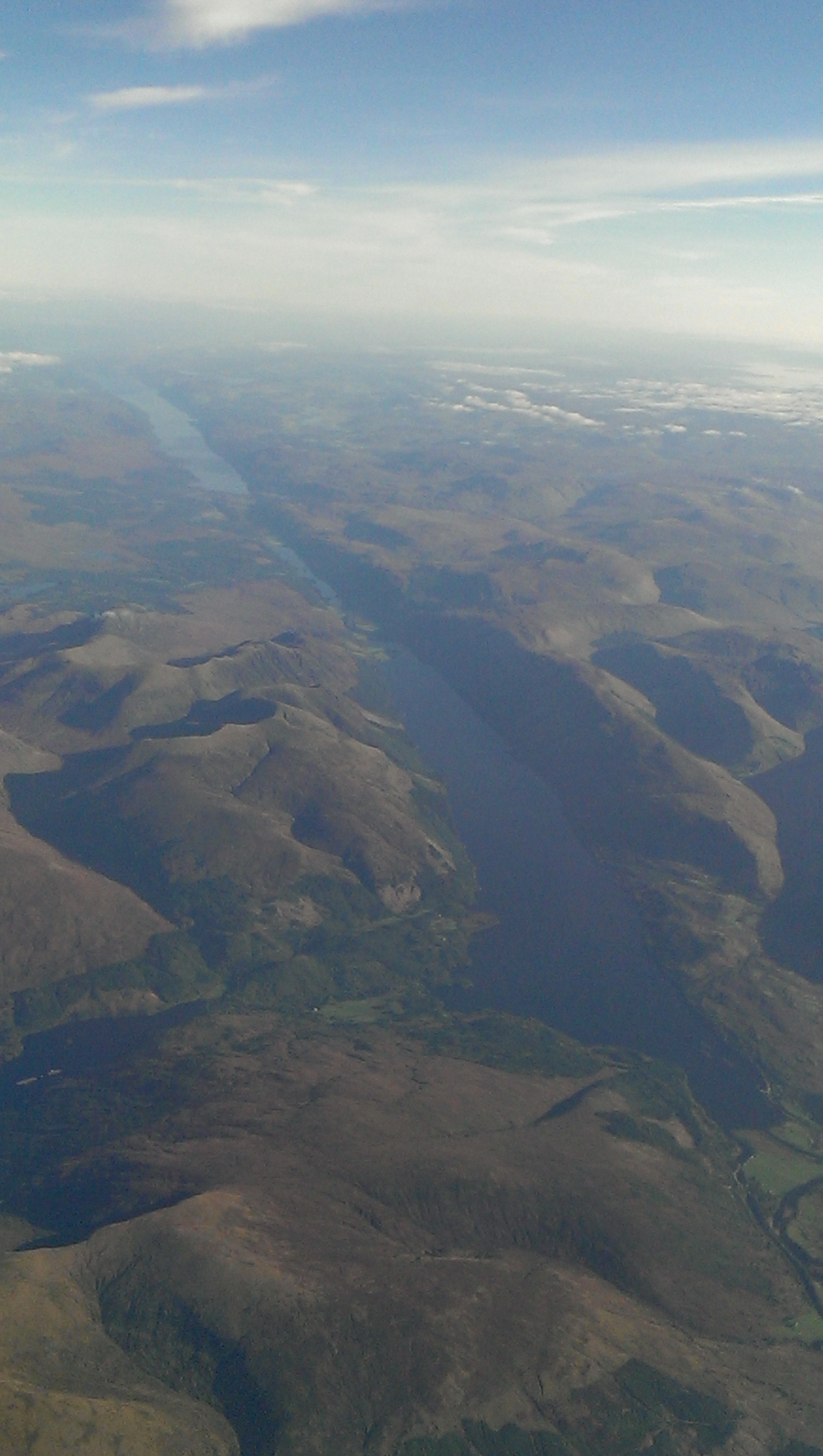
The flight to Glasgow from Reykjavik is just under two hours. Shortly after climbing through the low hanging cloud layer, I saw clouds glowing red ahead of us in the pre-dawn light indicating sunrise as we made our way to 39,000 feet. I spent most of the flight writing the last post about the Golden Circle coach tour the previous day. I wrapped up with writing just as the outer reaches of Scotland became visible through breaks in the clouds. Flying across Northern Scotland and the Highlands there were no clouds. I was able to take several good (and a few bad that I won’t share) pictures of the mountains and Loch Ness. I was impressed by the rugged nature of the peaks, and struck by the total lack of trees. Like the Vikings in Iceland, the Scots long ago deforested their island. The forests that can be found today are all planted and protected. Shortly before arrival in Glasgow the clouds moved in and I haven’t seen much sunshine since.

IMAG0480

IMAG0482

IMAG0483

Loch Ness

Loch Ness

IMAG0488

When I emerged from customs, my friend Trisha was there waiting and we were quickly off to catch a bus to the city. On the bus I was busy repacking my gear, pulling the pack out of the duffel used for flying, changing shoes for boots, and stowing my hand luggage and duffel in the large ruck. We talked nonstop, and were both rather giddy that after having actually seen each other for the space of an hour (five years ago while she was on a layover at DIA) in the last eighteen years, I was actually here in Glasgow. We changed to a cab at the bus terminal and were off to the University where she teaches a tutoring session on Friday afternoon. After stopping briefly at her house to see her son off to a mates for an overnight and stow my gear, we headed to city center where we enjoyed a nice Thai dinner and she showed me a bit of the scene.

IMAG0490

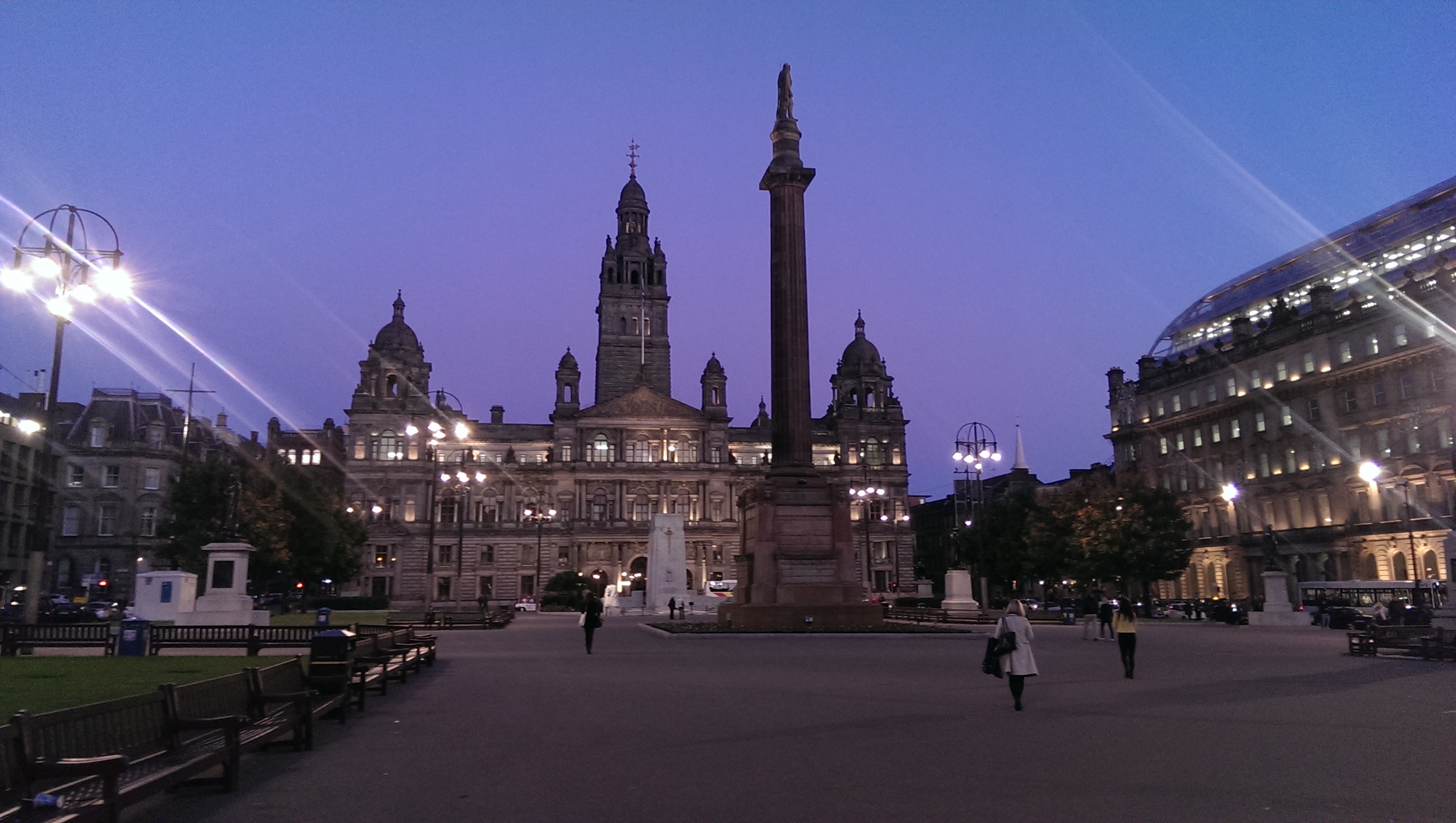
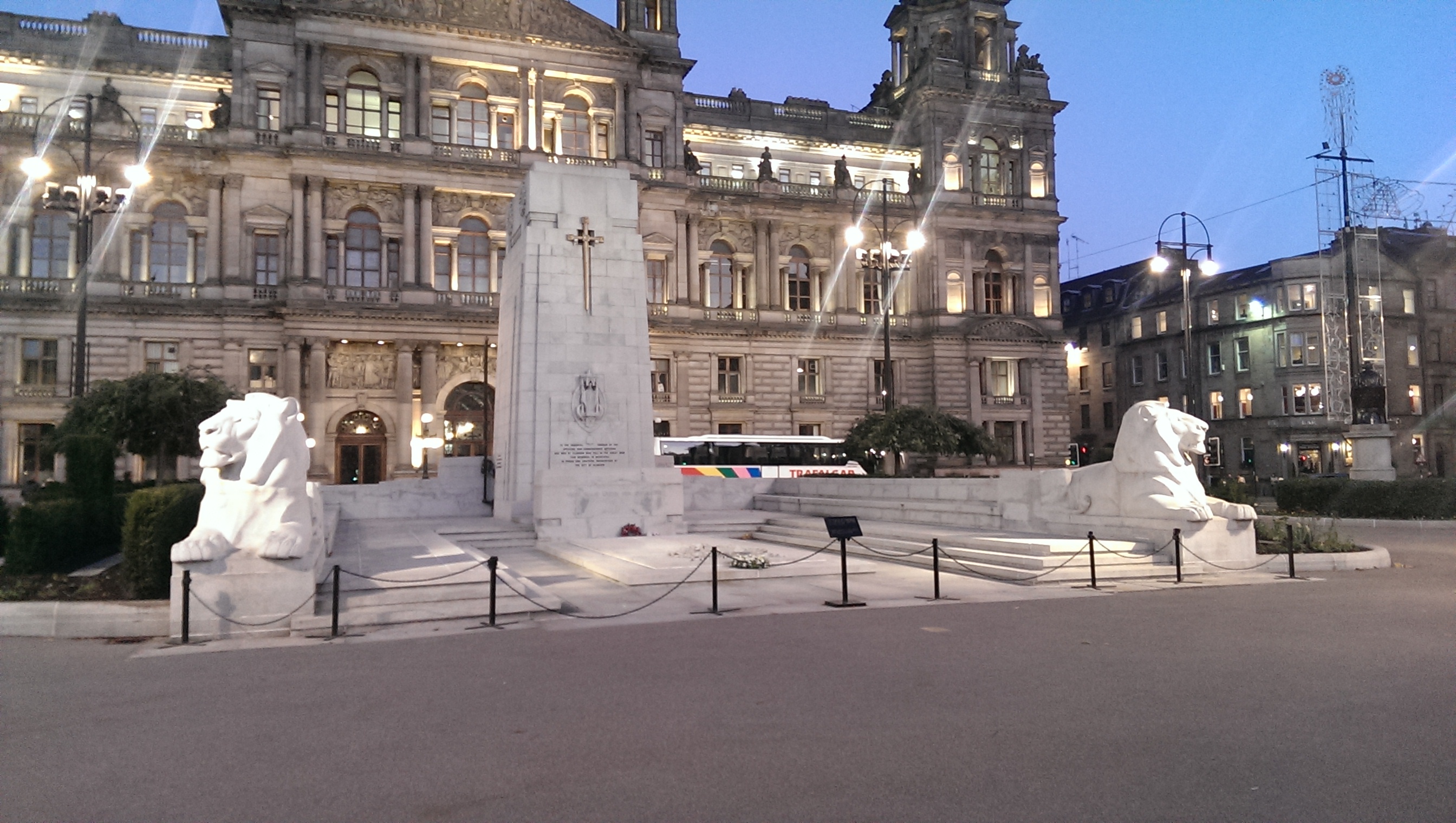
Saint George’s Square

Monument in Saint George's Square

Monument in Saint George’s Square

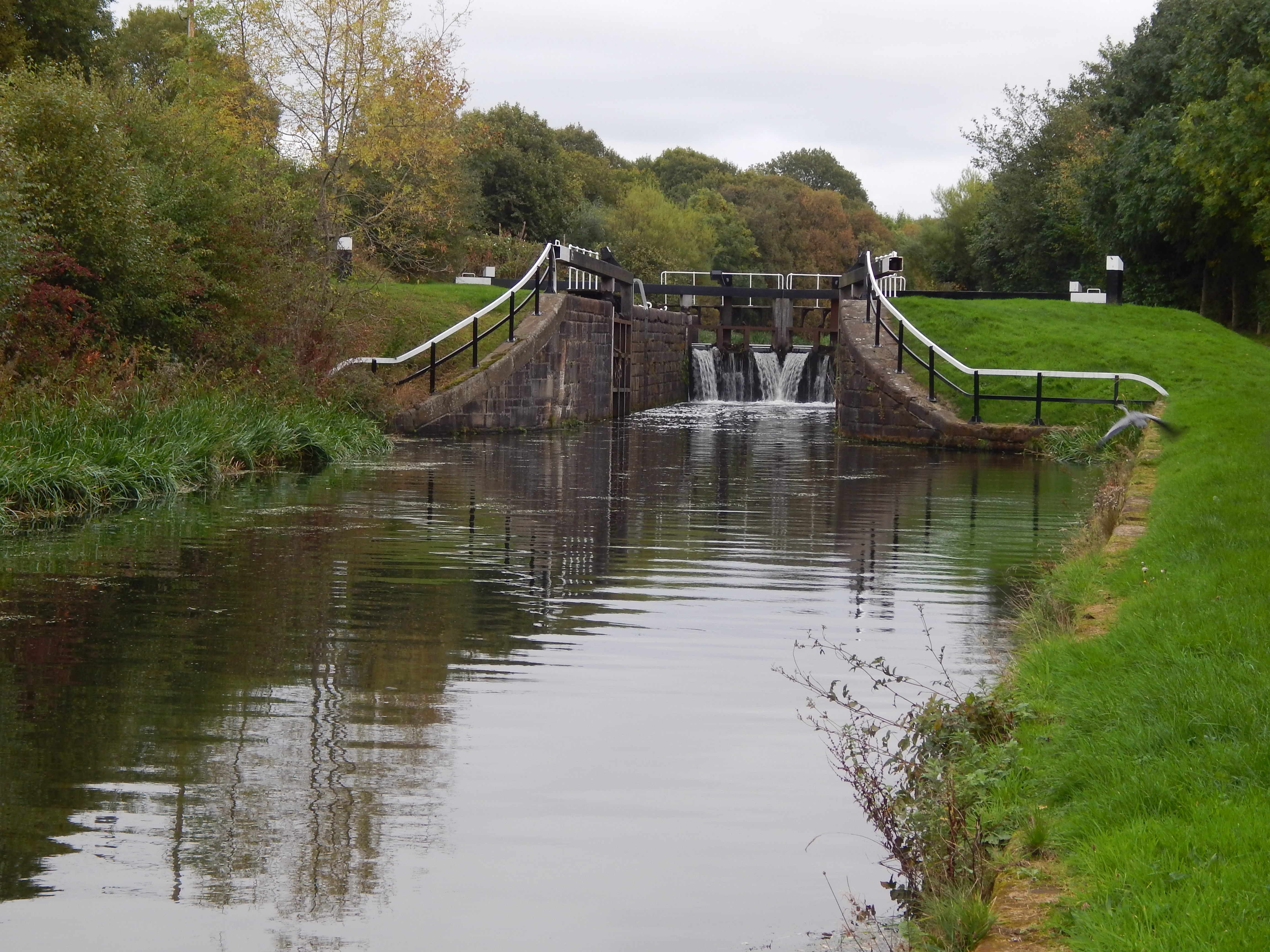
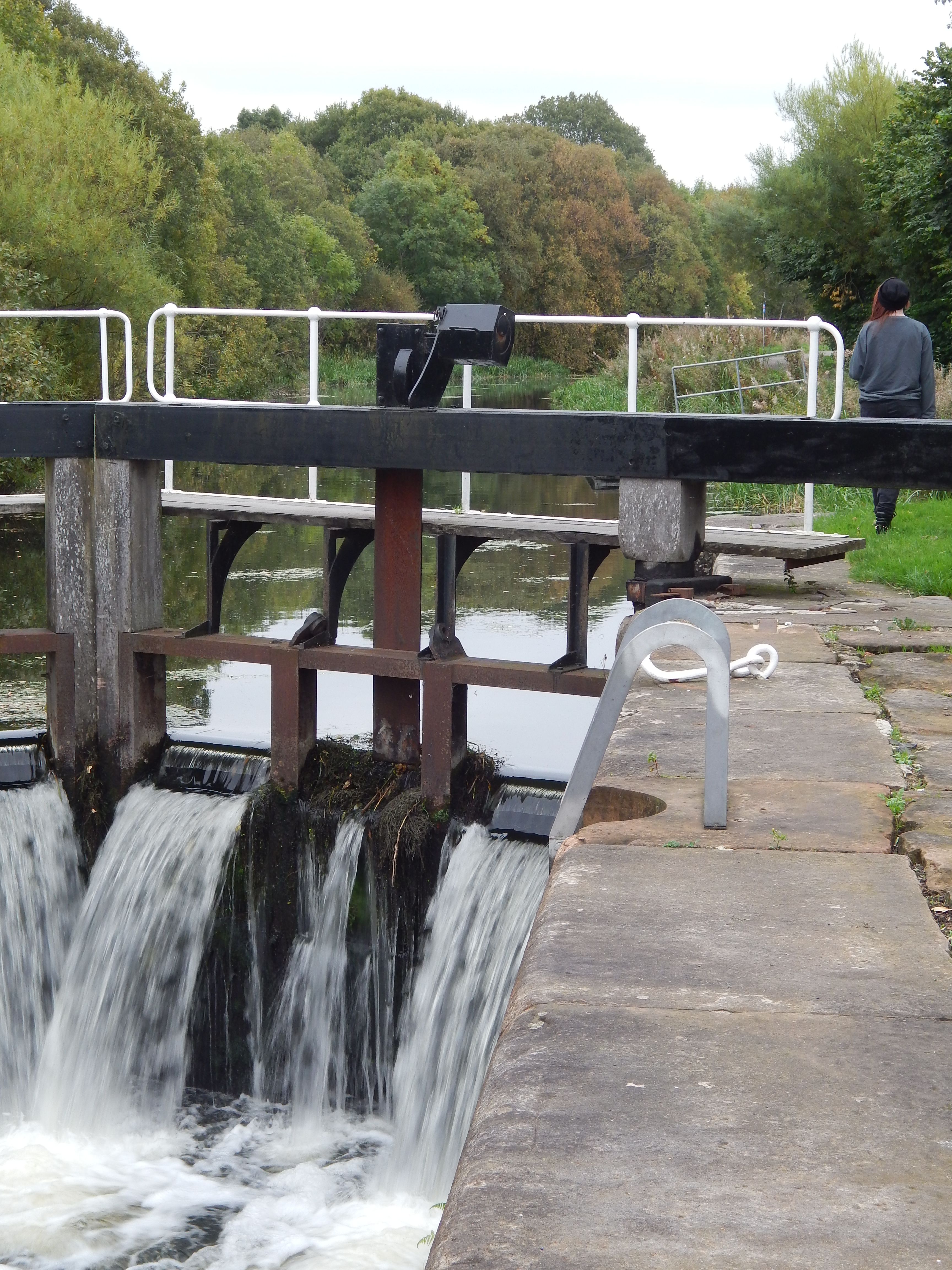
Lock on the Clyde & Forth Canal

Lock on the Clyde & Forth Canal

DSCN0250 DSCN0249

Local cages where historically dragons were kept after capture.

Local cages where historically dragons were kept after capture.

DSCN0254

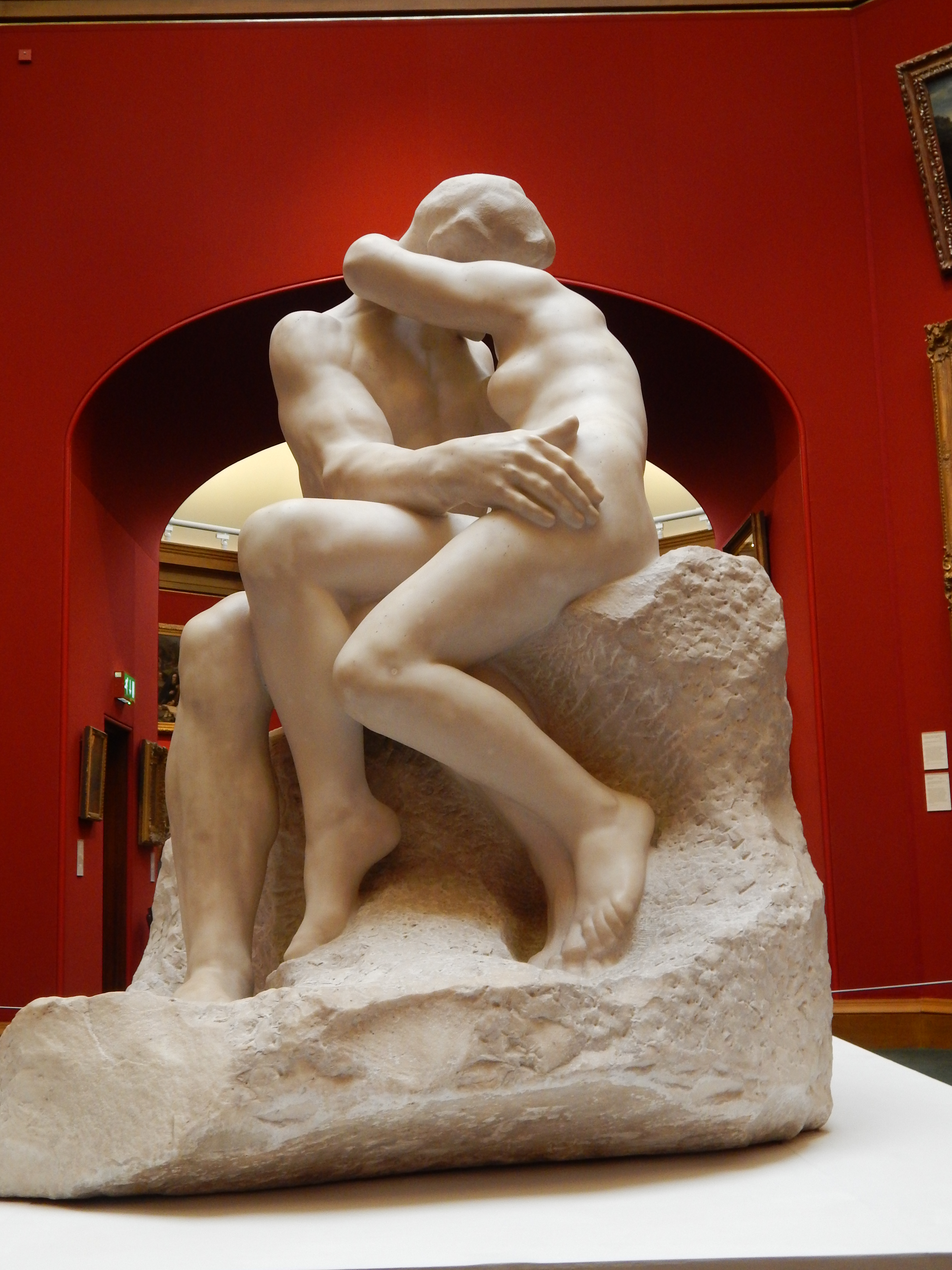
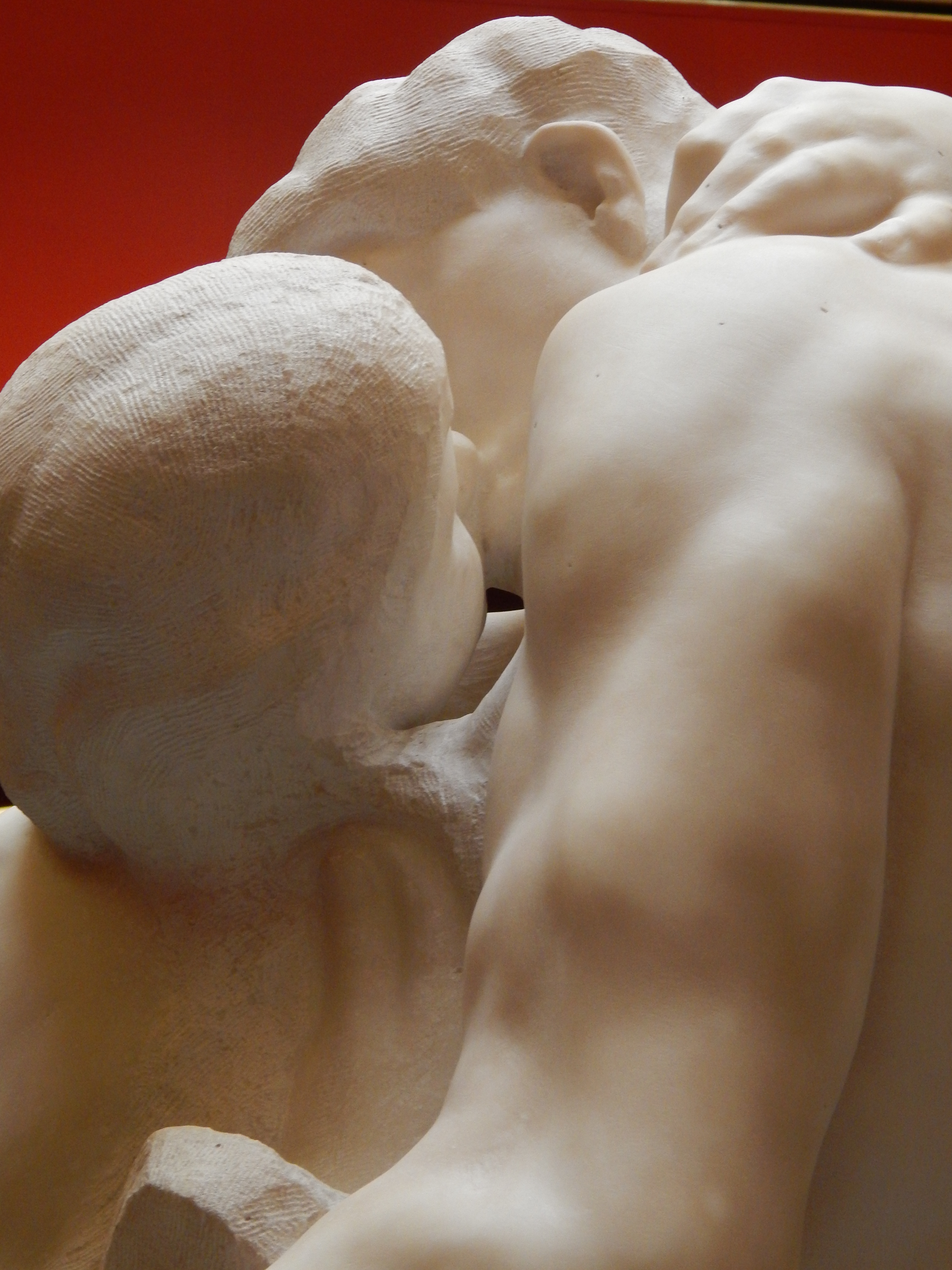
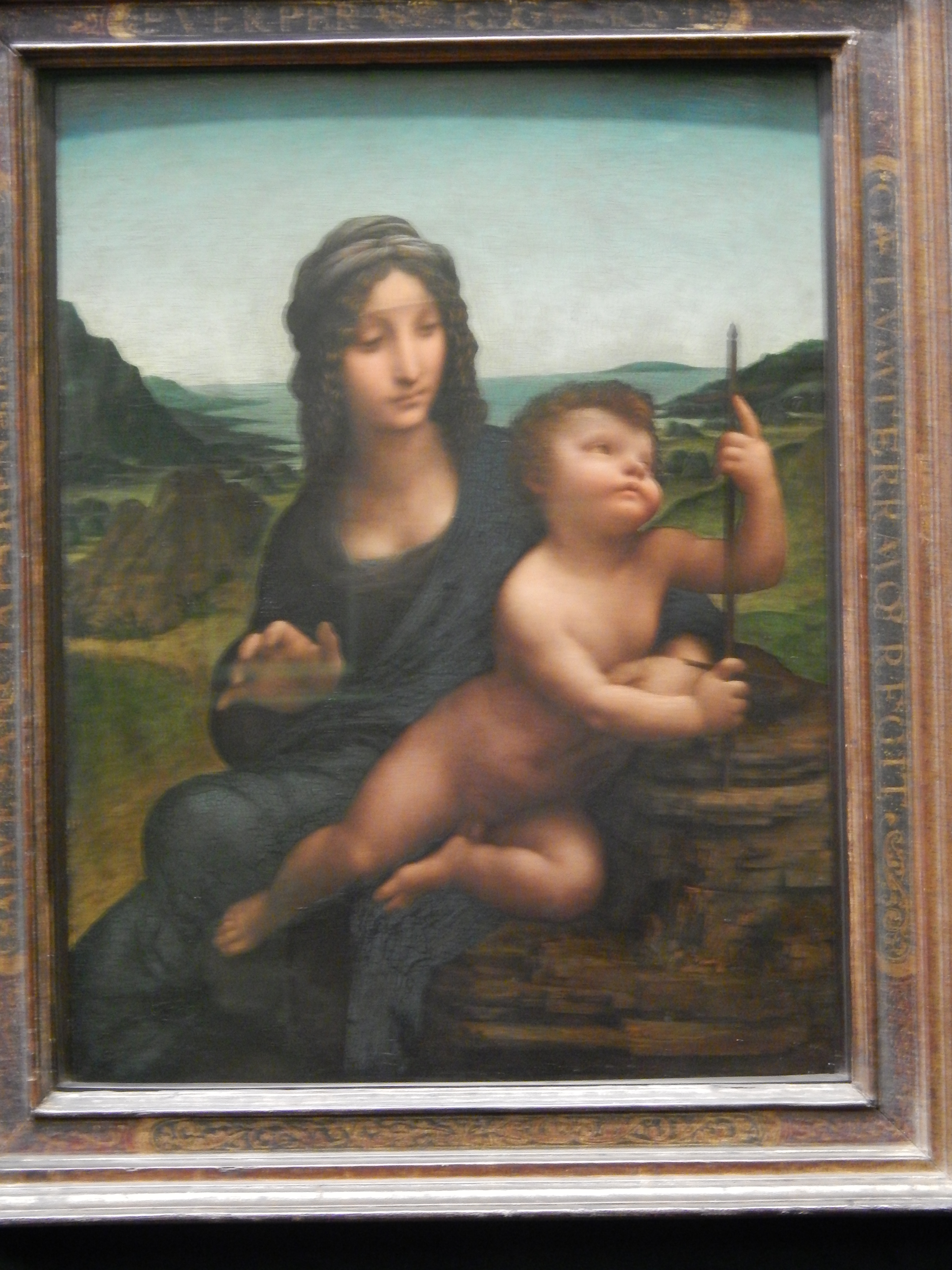
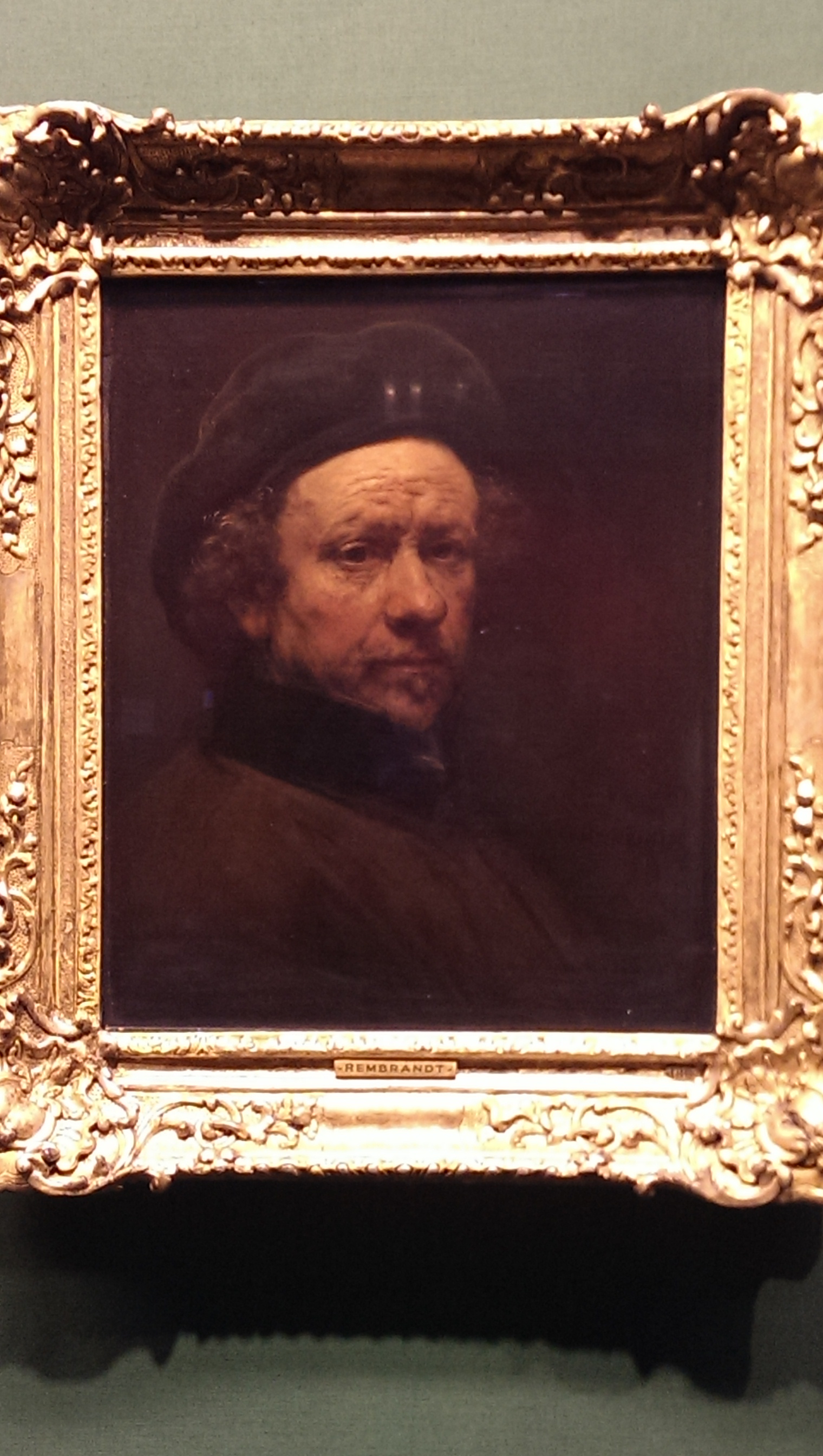
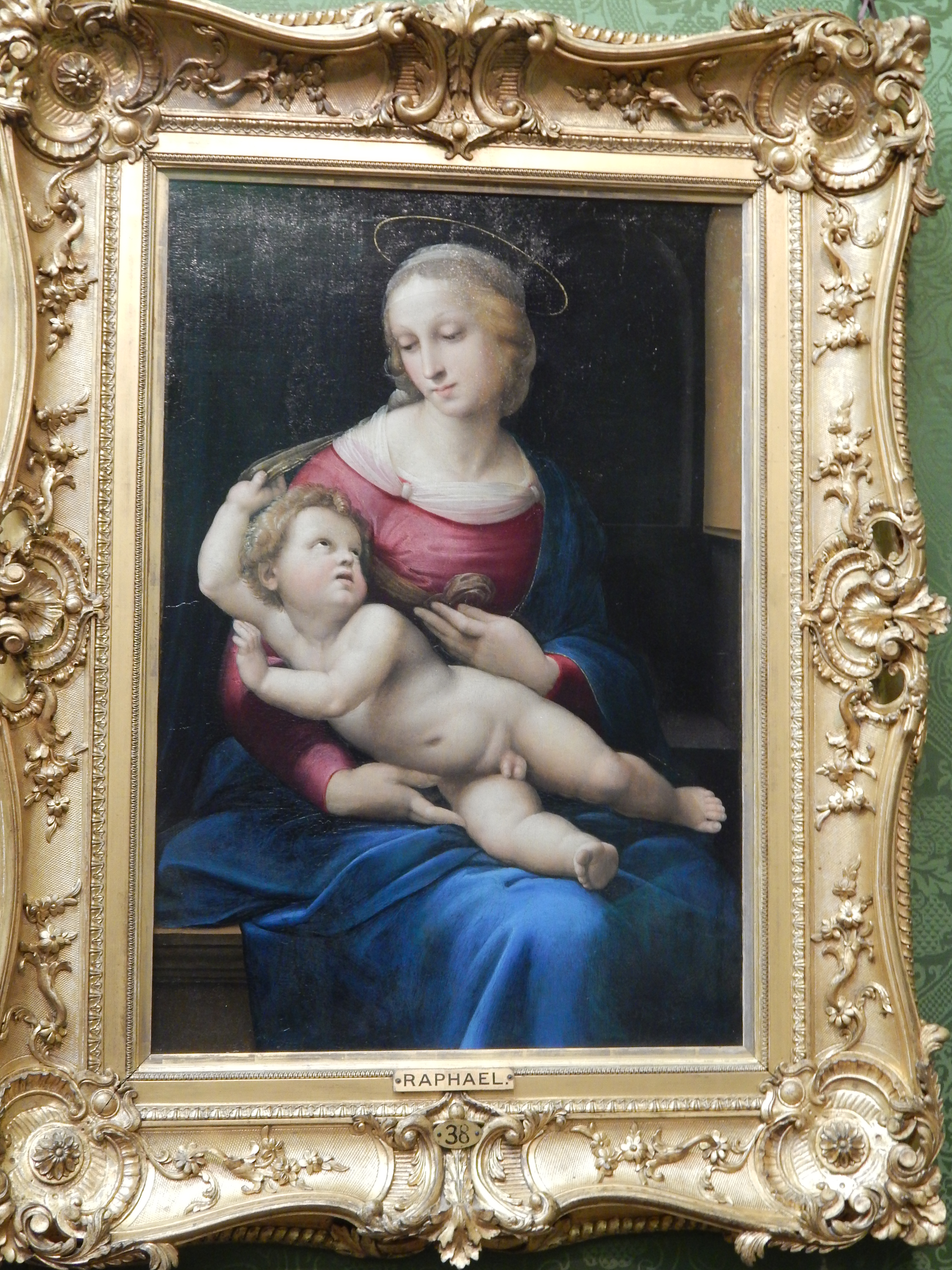
Following a very low key Saturday (main excursion being a walk on the local canal), we journeyed to Edinburgh for the afternoon on Sunday. After lunch with a friend of Trisha’s who was in Edinburgh on holiday from Hawai’i, we visited the National Galleries. The highlights of the collection (for me) were a Rembrandt self portrait, a Botticelli, Da Vinci, Raphael, and a wonderful marble by Rodin.

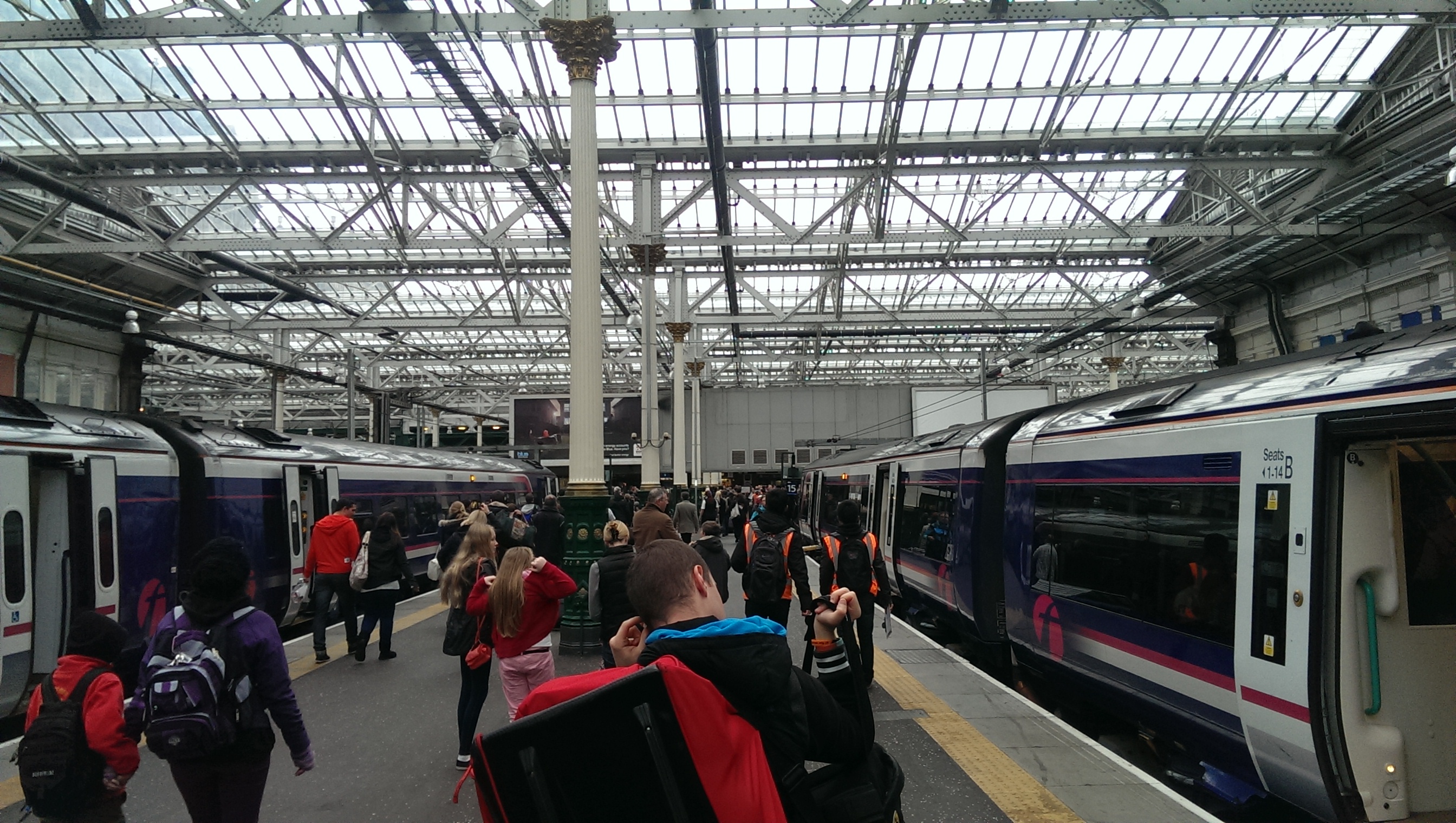
Platform, Queen Street Station, Glasgow

Platform, Queen Street Station, Glasgow

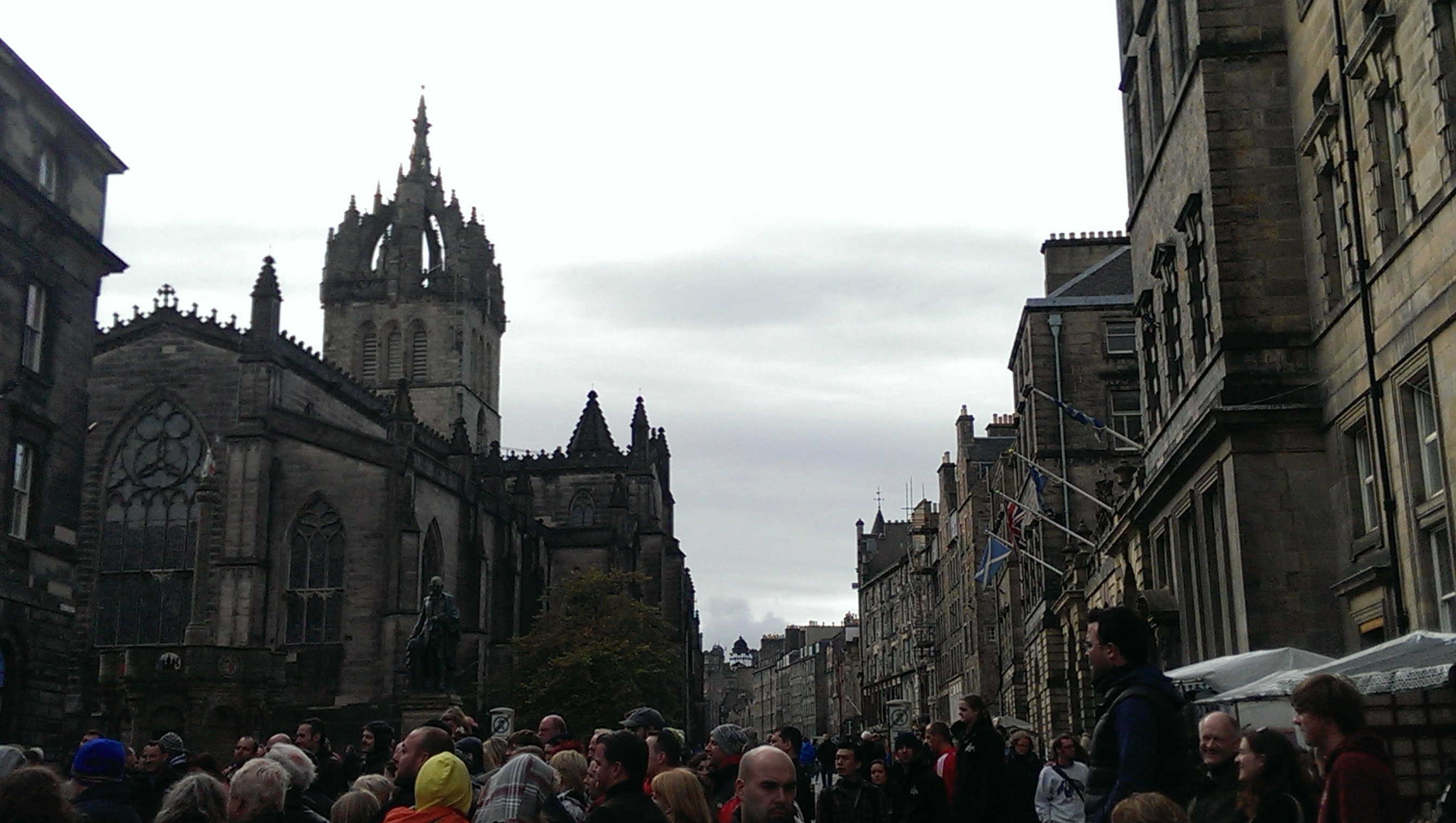
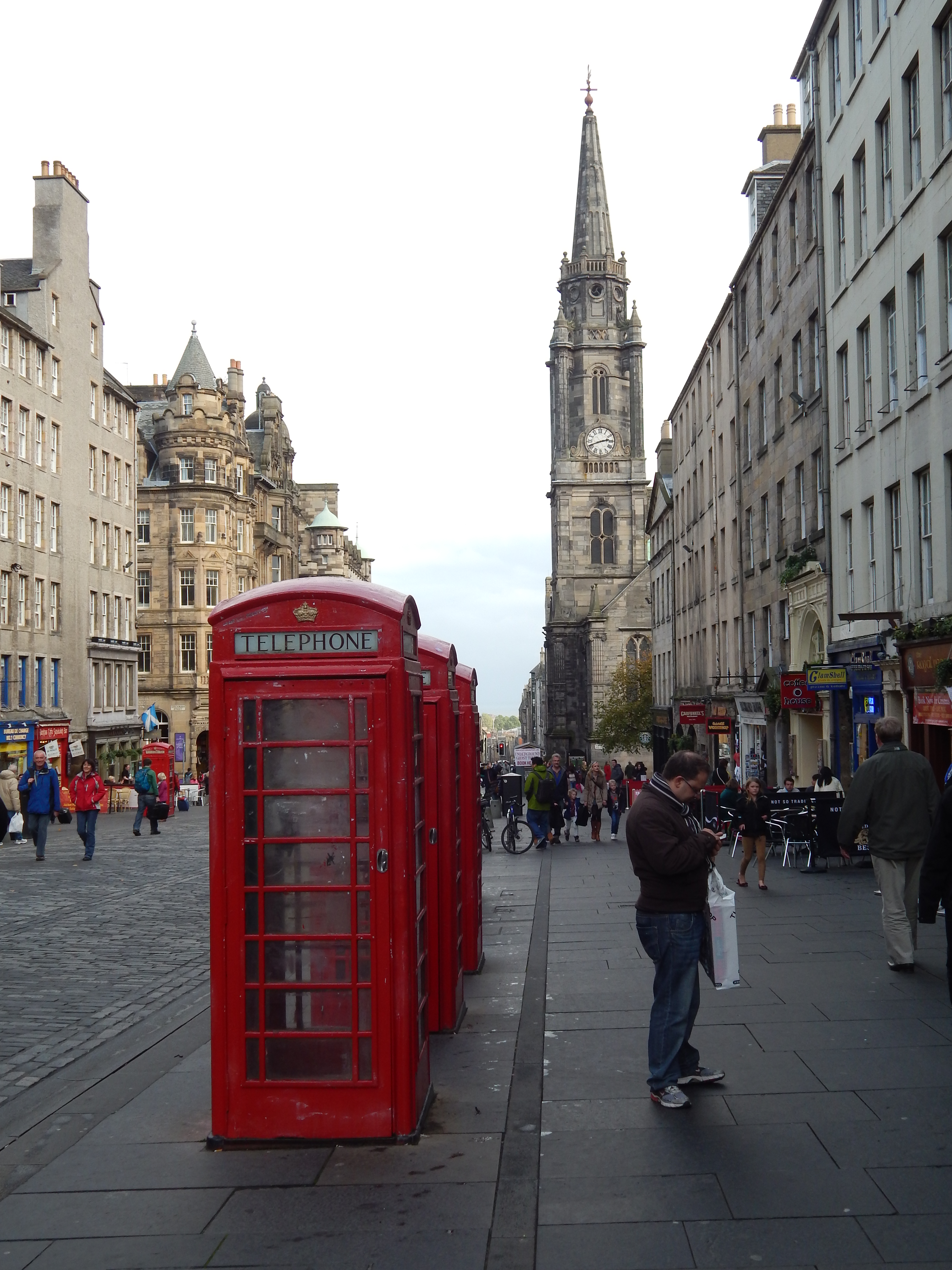
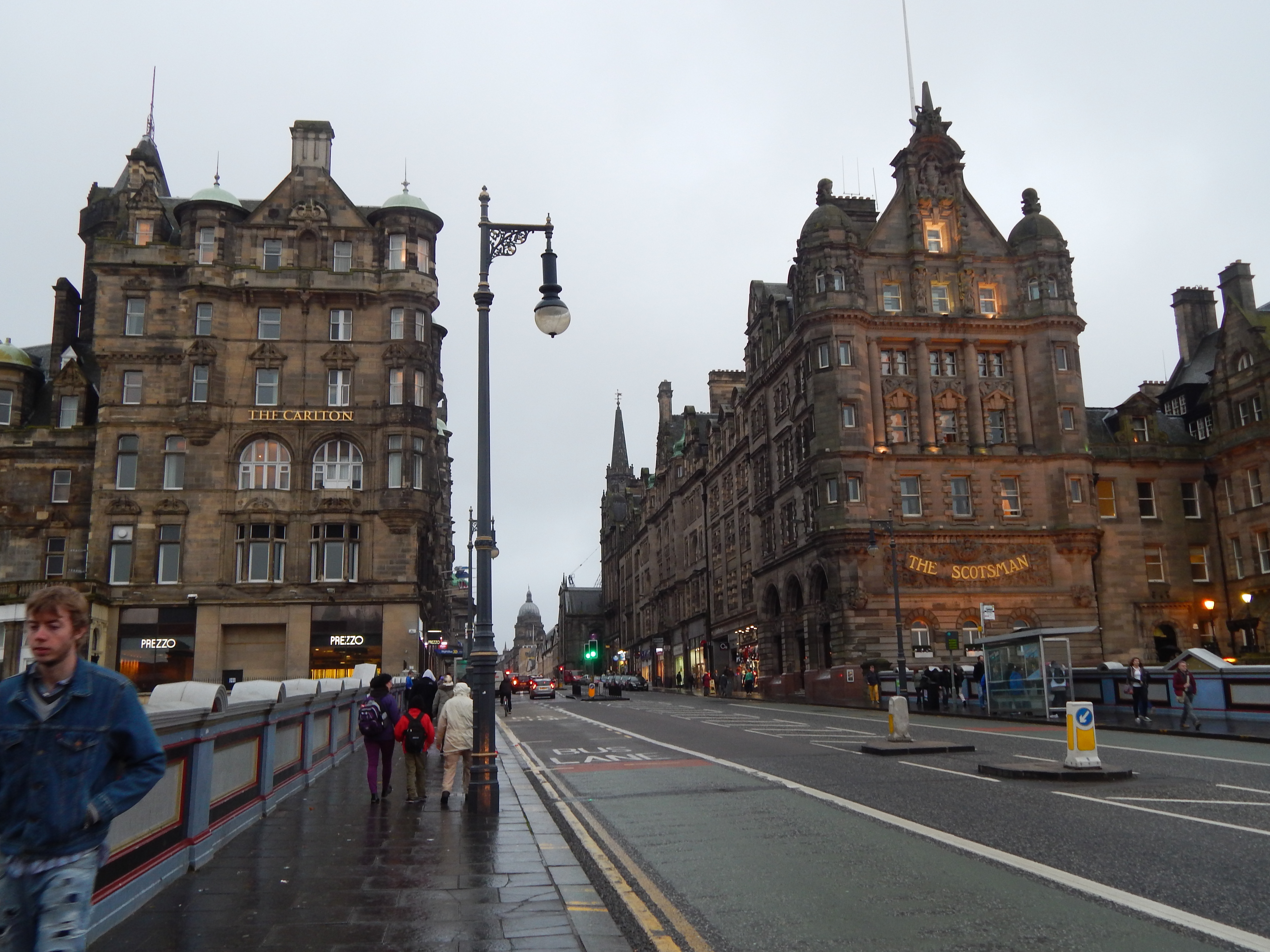
The Royal Mile

The Royal Mile

DSCN0270

Note the genuine Scotsman in kilt.

Note the genuine Scotsman in kilt.

DSCN0267 DSCN0266 DSCN0264 DSCN0262 DSCN0261 DSCN0257

Rodin, the Kiss

Rodin, the Kiss

Rodin, the Kiss

Rodin, the Kiss

Leonardo Da Vinci

Leonardo Da Vinci

Rembrandt

Rembrandt

Raphael

Raphael

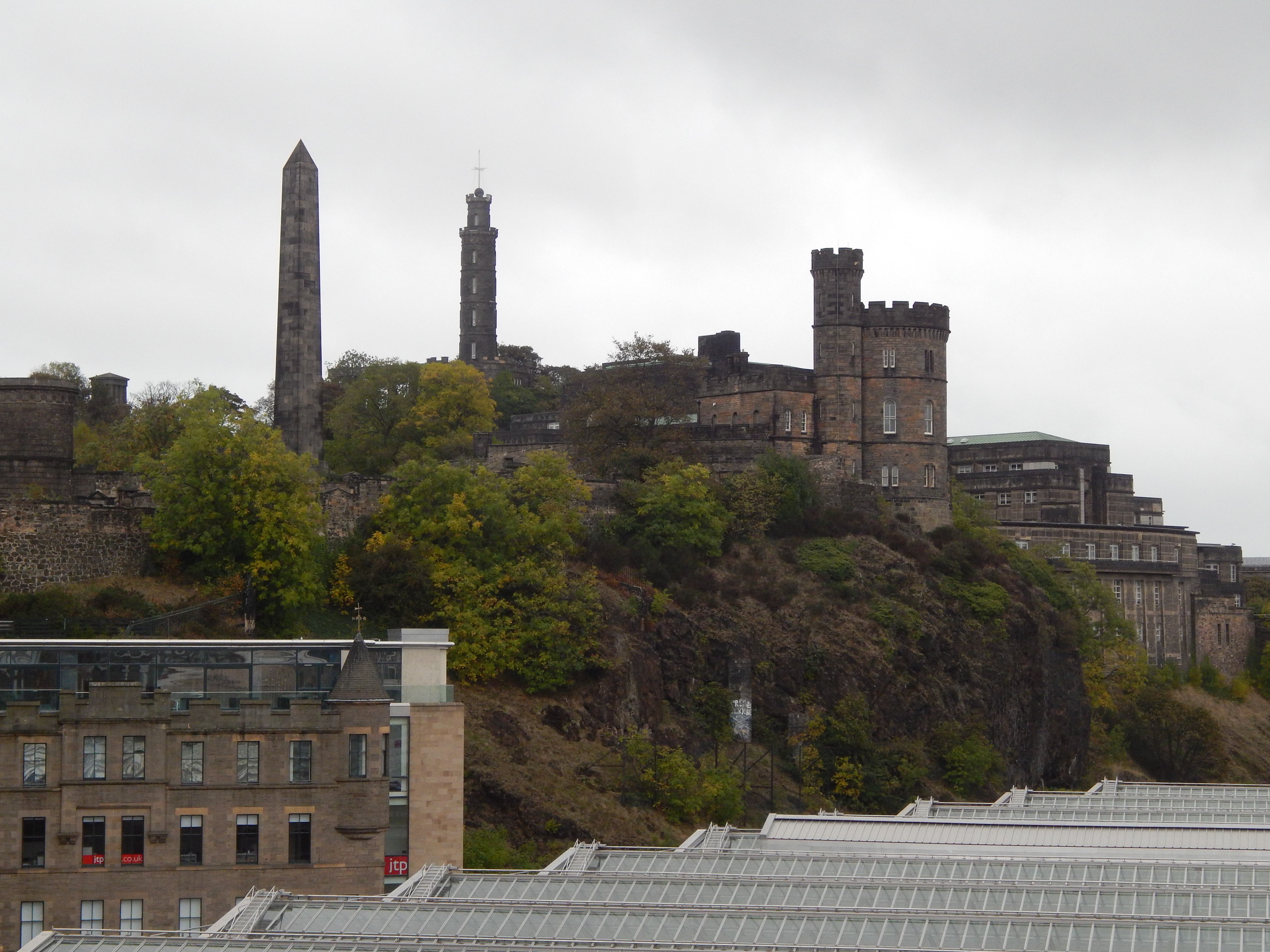
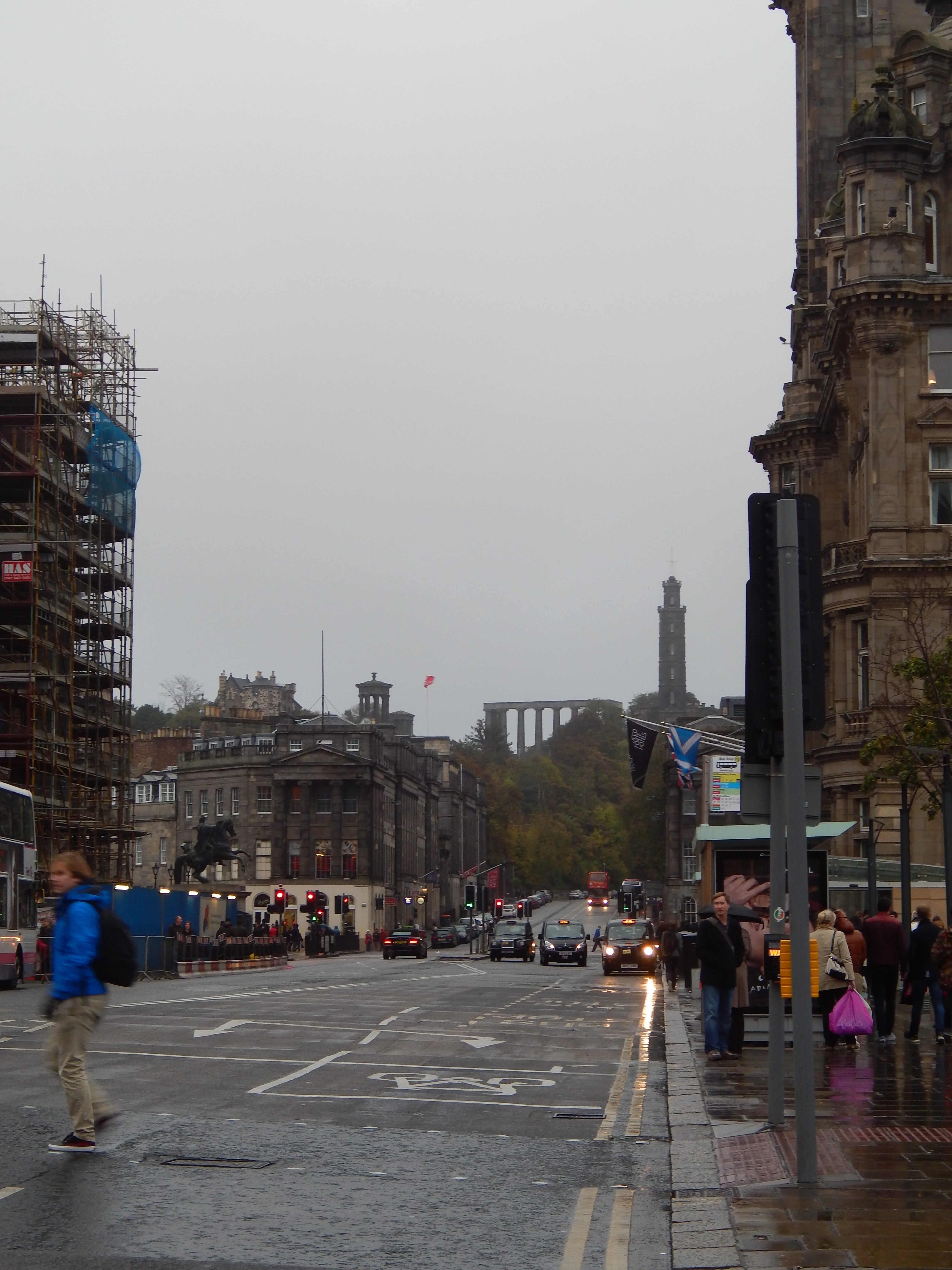
View towards Carlton Hill

View towards Carlton Hill

DSCN0297 DSCN0291 DSCN0290

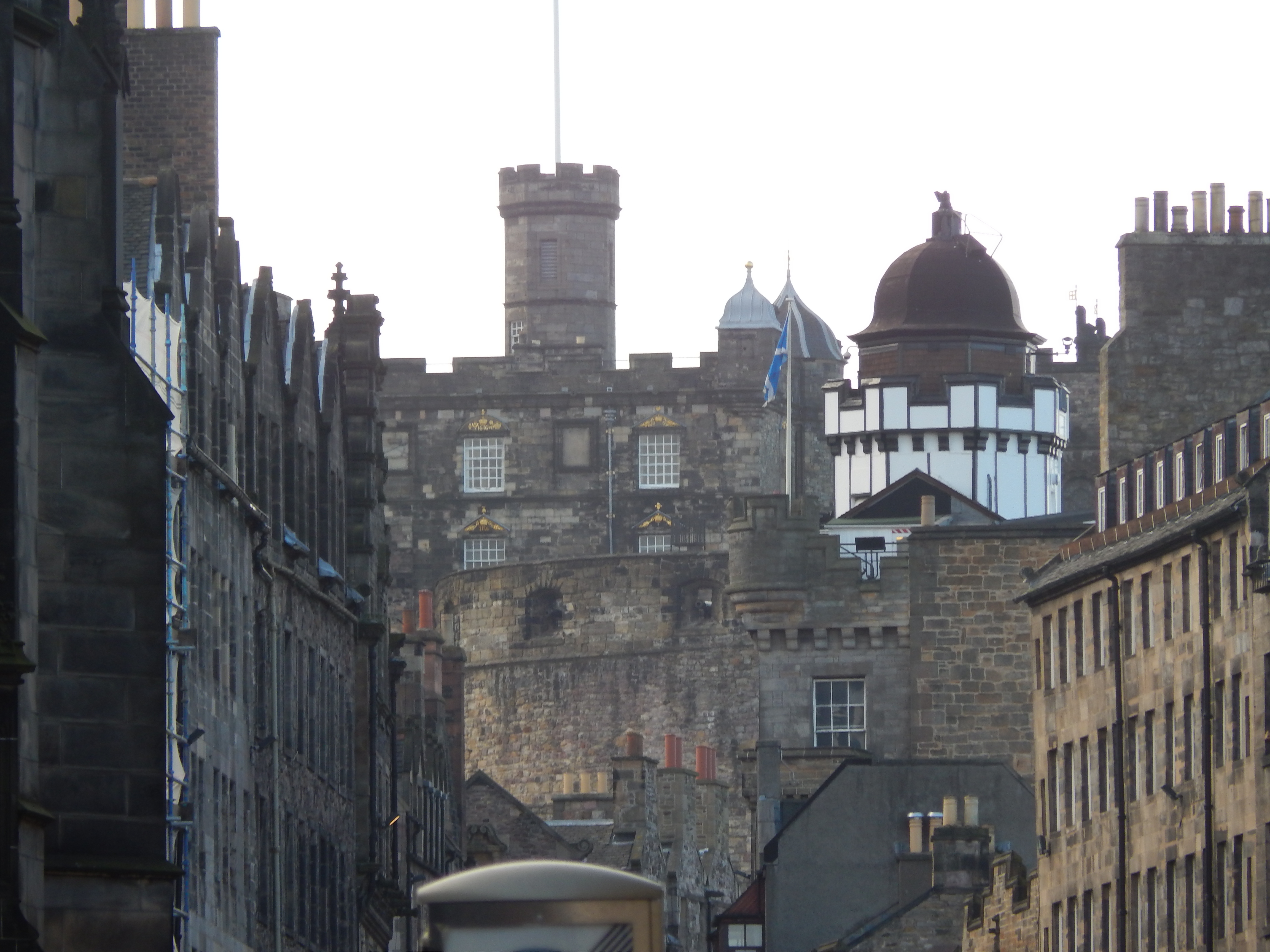
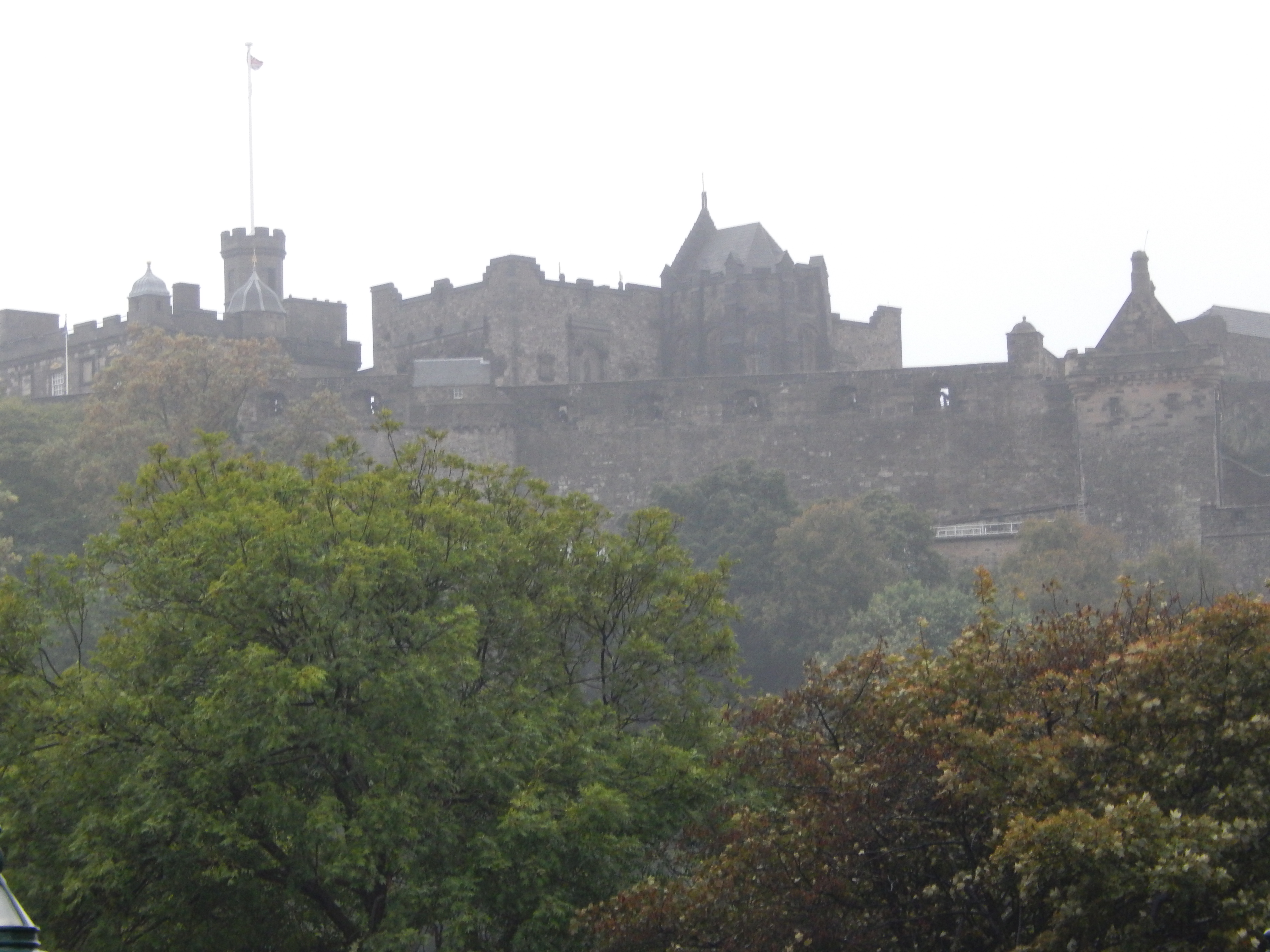
Edinburgh Castle

Edinburgh Castle

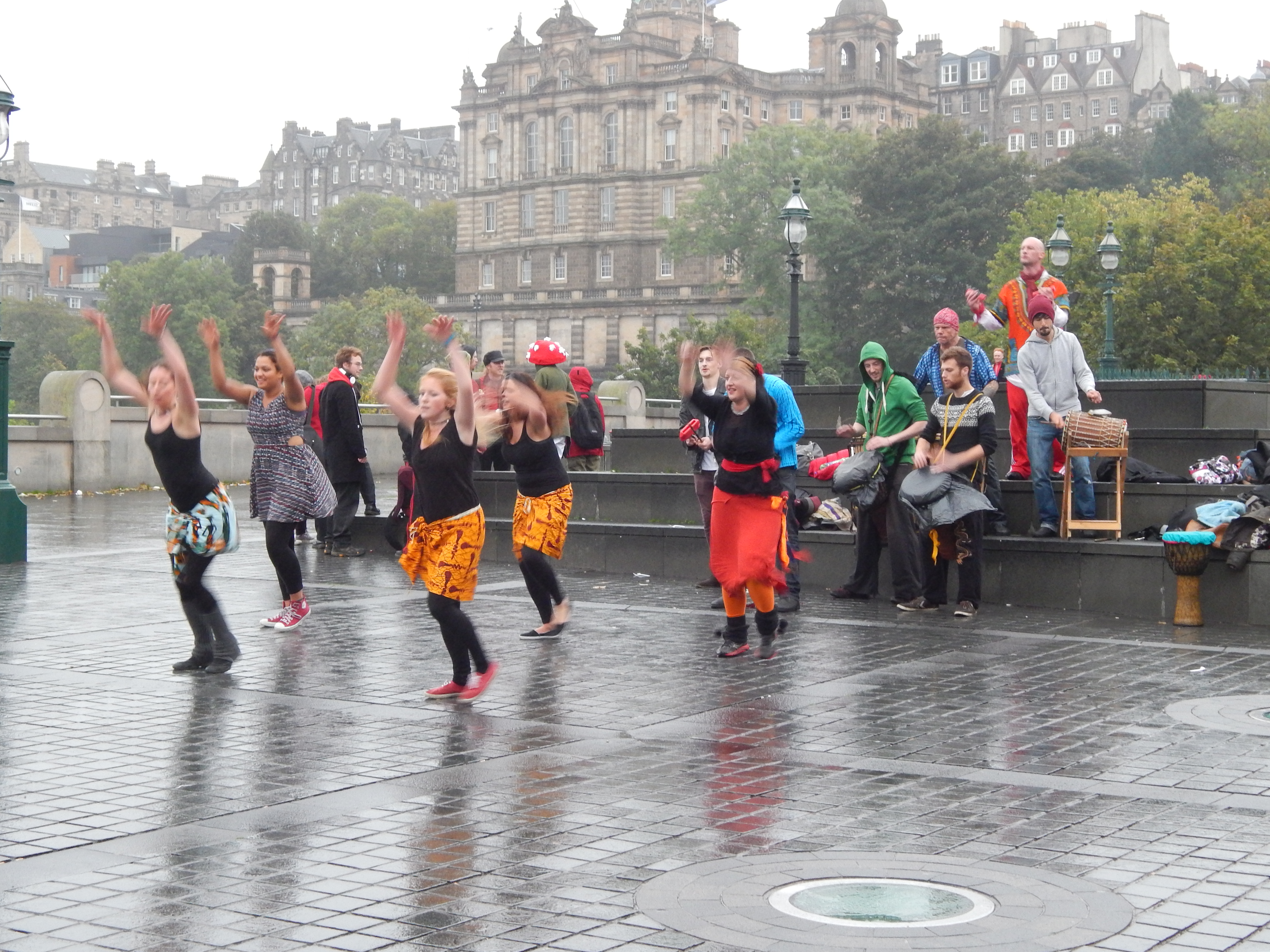
Dancers and Drums

Dancers and Drums

Today, after having coffee and conversation with some local friends I had never met before, I finally got my telephone sorted to work internationally. This doesn’t mean that I’m wanting phone calls or text messages, though. Please stick to email, FaceBook, or comments here. It is going to allow me to book hotels and access the maps or upload a pic or two to FaceBook on the go.

Tomorrow I plan to take Trisha’s son to the Glasgow Transportation museum (all the museums here are free, to boot!). Wednesday will be a big outing back to Edinburgh with both of her kids to see a special exhibit on witches at the National Gallery and a Warhol Collection at another Gallery. The weekend will bring another excursion to Stirling Castle and hopefully Rosslyn Chapel. There’s a couple days in there that are not booked yet. One of them must be put to use getting next week’s travel to Bath, Glastonbury and London planned.

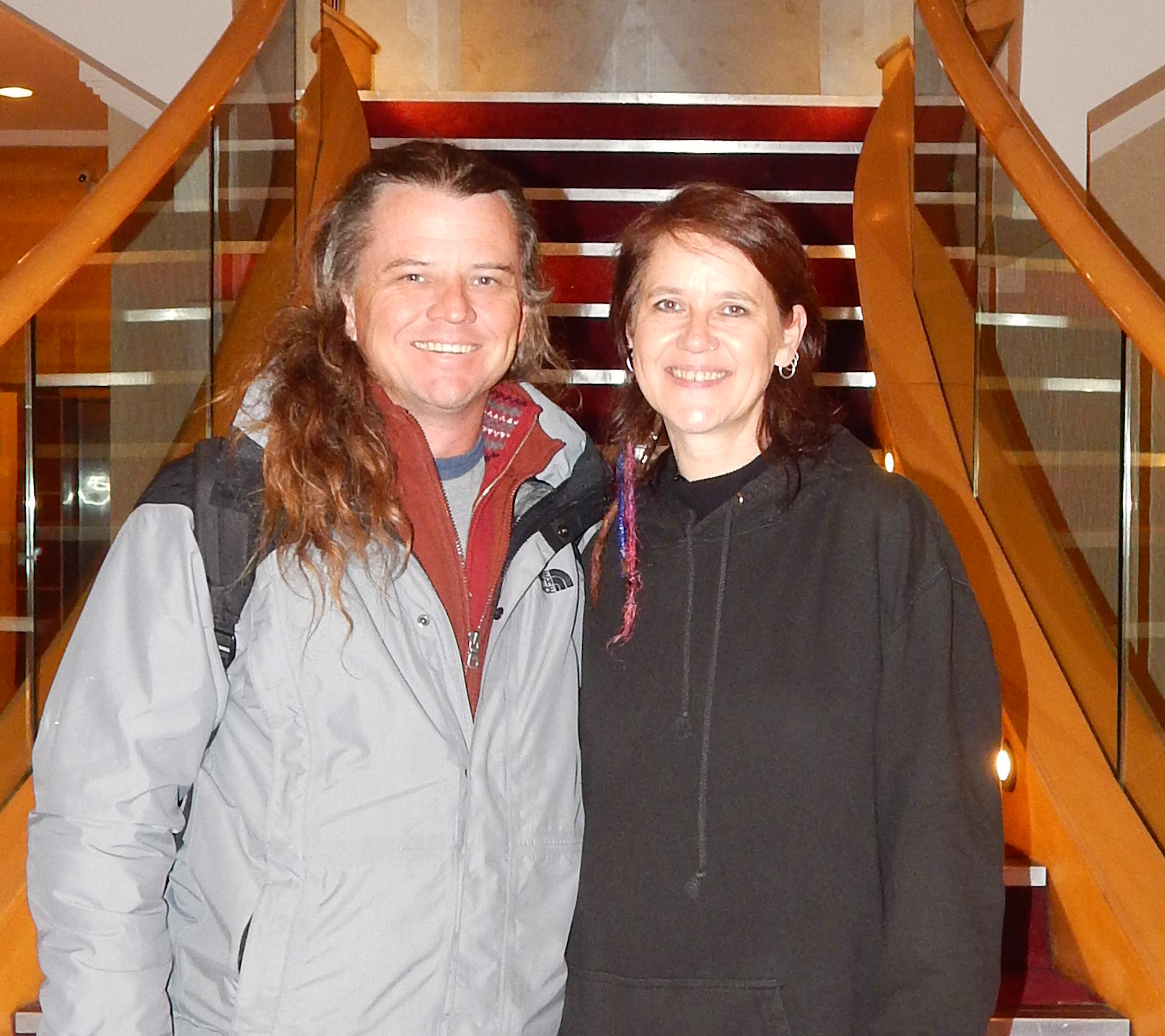
D and Trisha

D and Trisha

‘Til next time. Cheers!

Subscribe

  • Entries (RSS)
  • Comments (RSS)

Archives

  • April 2016
  • March 2016
  • March 2015
  • February 2015
  • April 2014
  • March 2014
  • November 2013
  • October 2013
  • September 2013

Categories

  • Uncategorized

Meta

  • Create account
  • Log in

Blog at WordPress.com.

  • Subscribe Subscribed
    • savagemythology
    • Join 37 other subscribers
    • Already have a WordPress.com account? Log in now.
    • savagemythology
    • Subscribe Subscribed
    • Sign up
    • Log in
    • Report this content
    • View site in Reader
    • Manage subscriptions
    • Collapse this bar
 

Loading Comments...