• About

savagemythology

~ Adventures In the World

savagemythology

Monthly Archives: November 2013

Notre Dame de Chartres

06 Wednesday Nov 2013

Posted by savagemythology in Uncategorized

≈ Leave a comment

Tags

Cathedral, Chartre, France, Gothic, Gothic architecture, Stained glass

DSCN1376

5 November, 2013

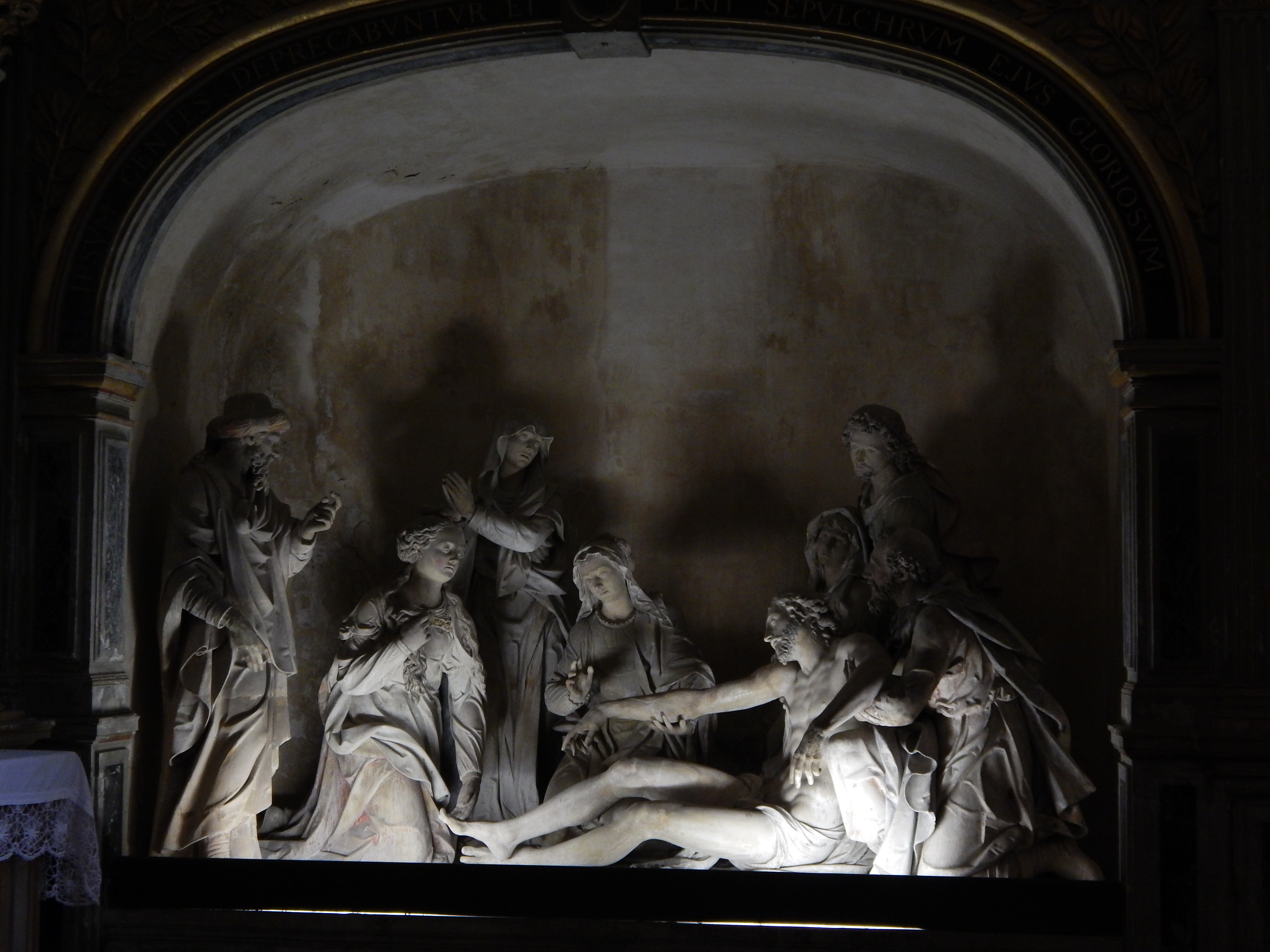
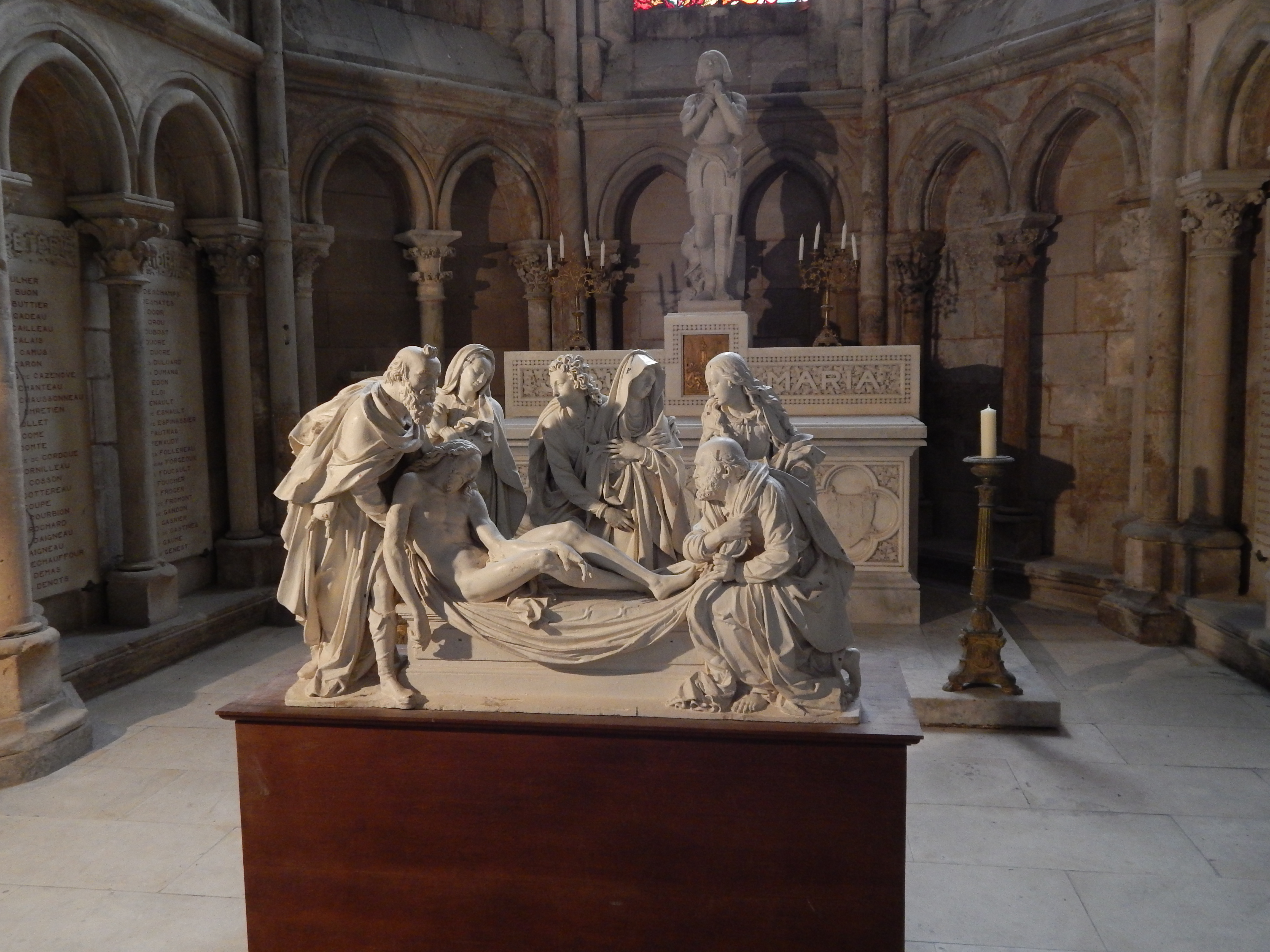
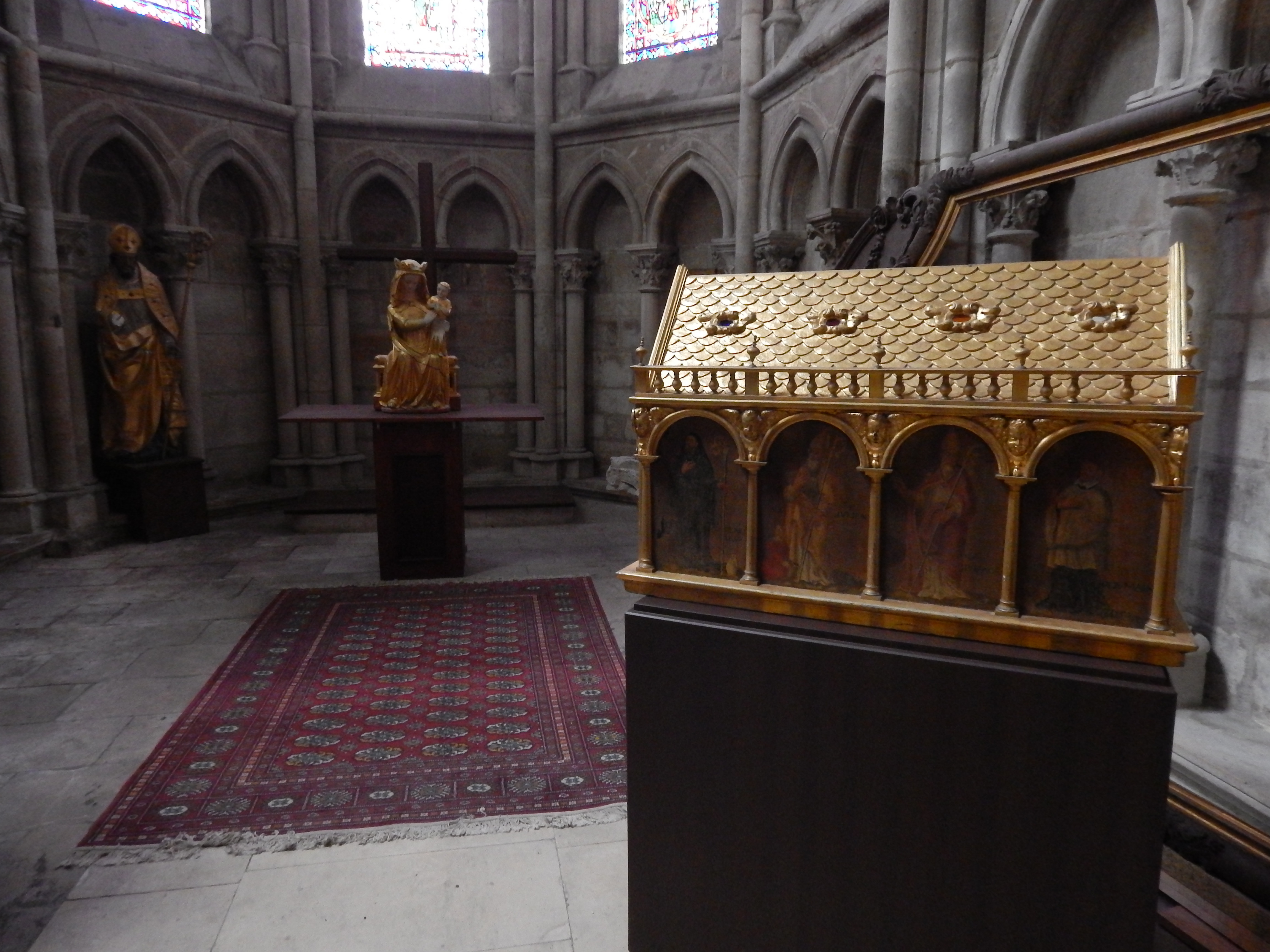
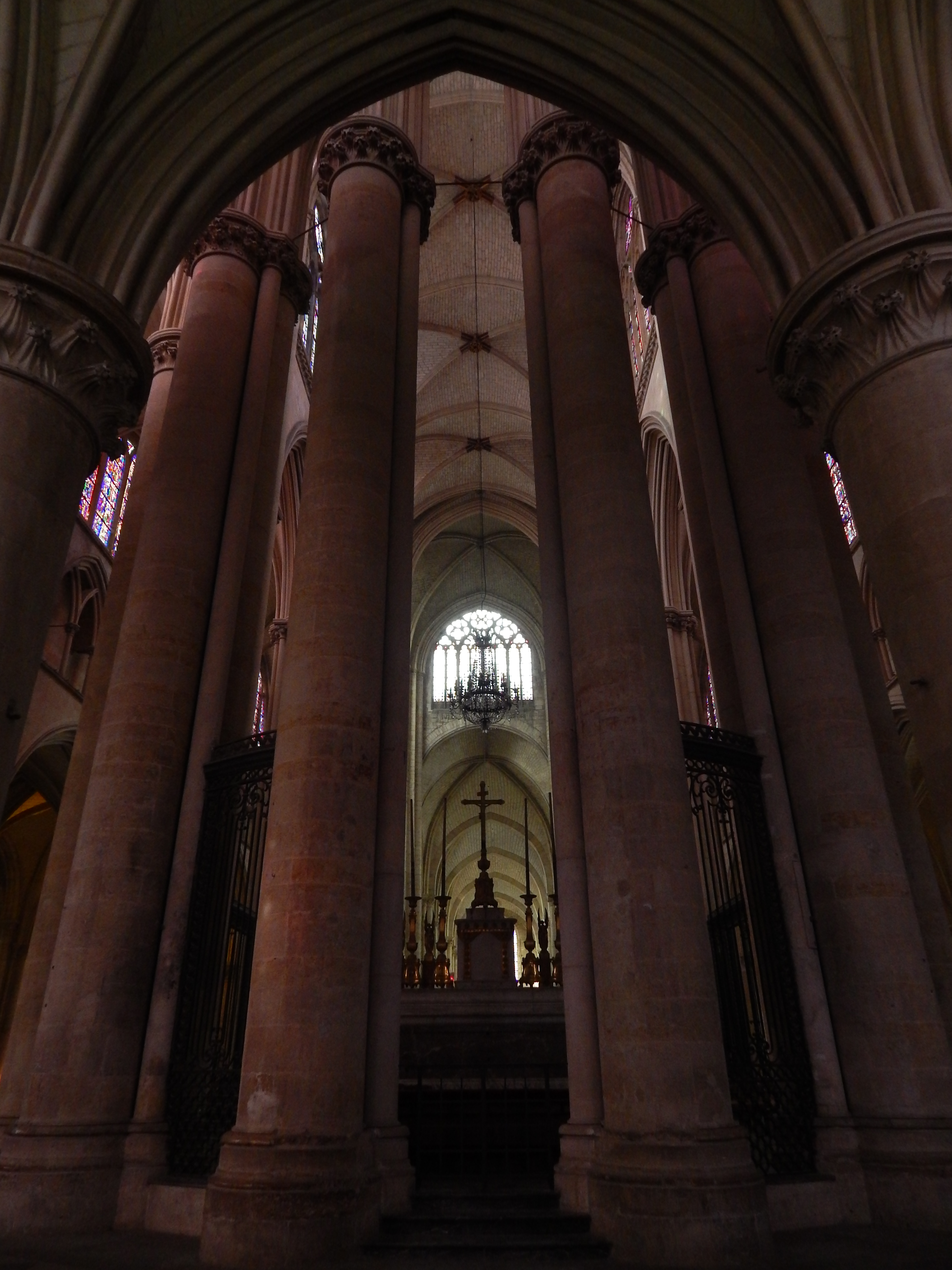
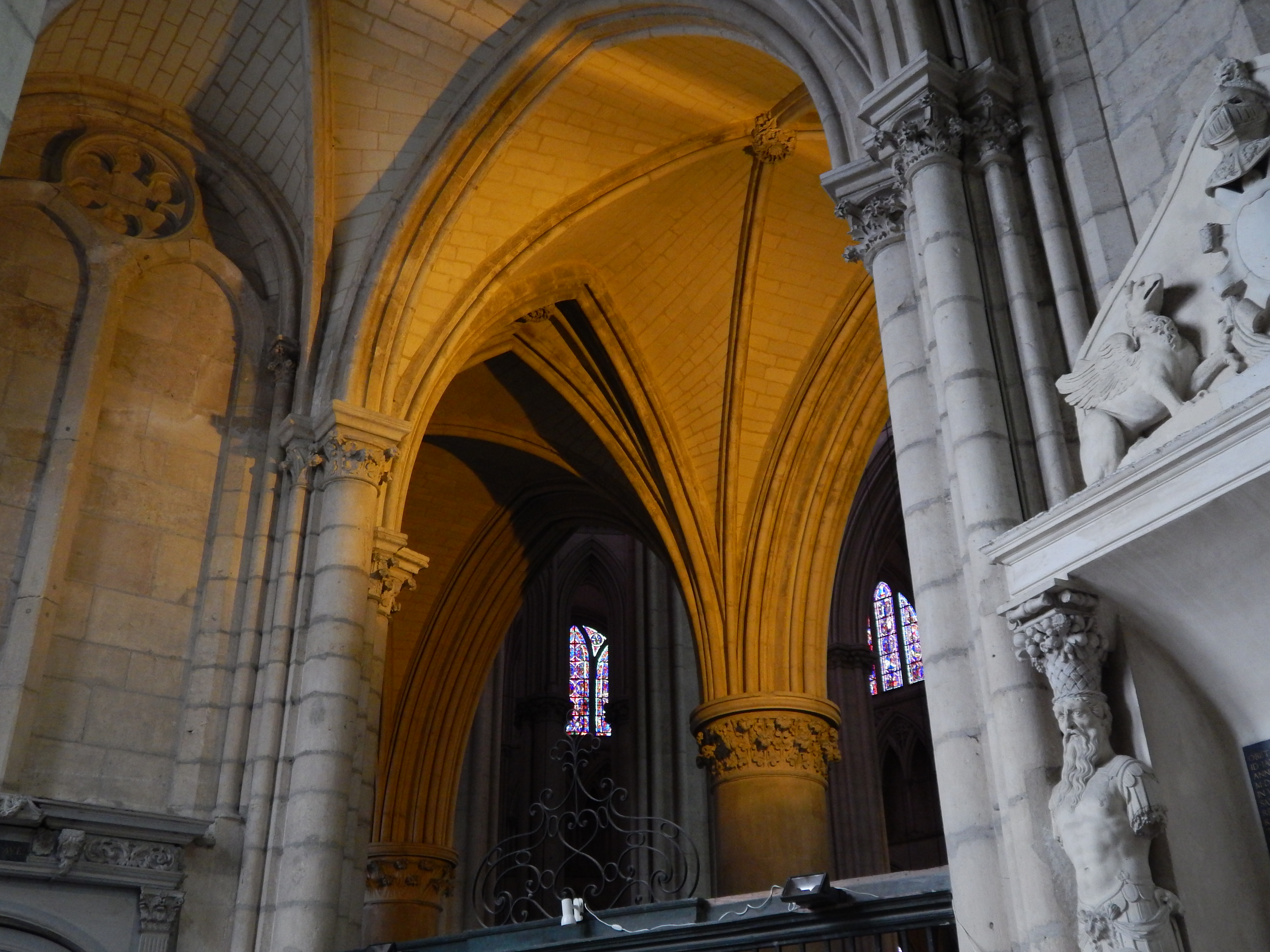
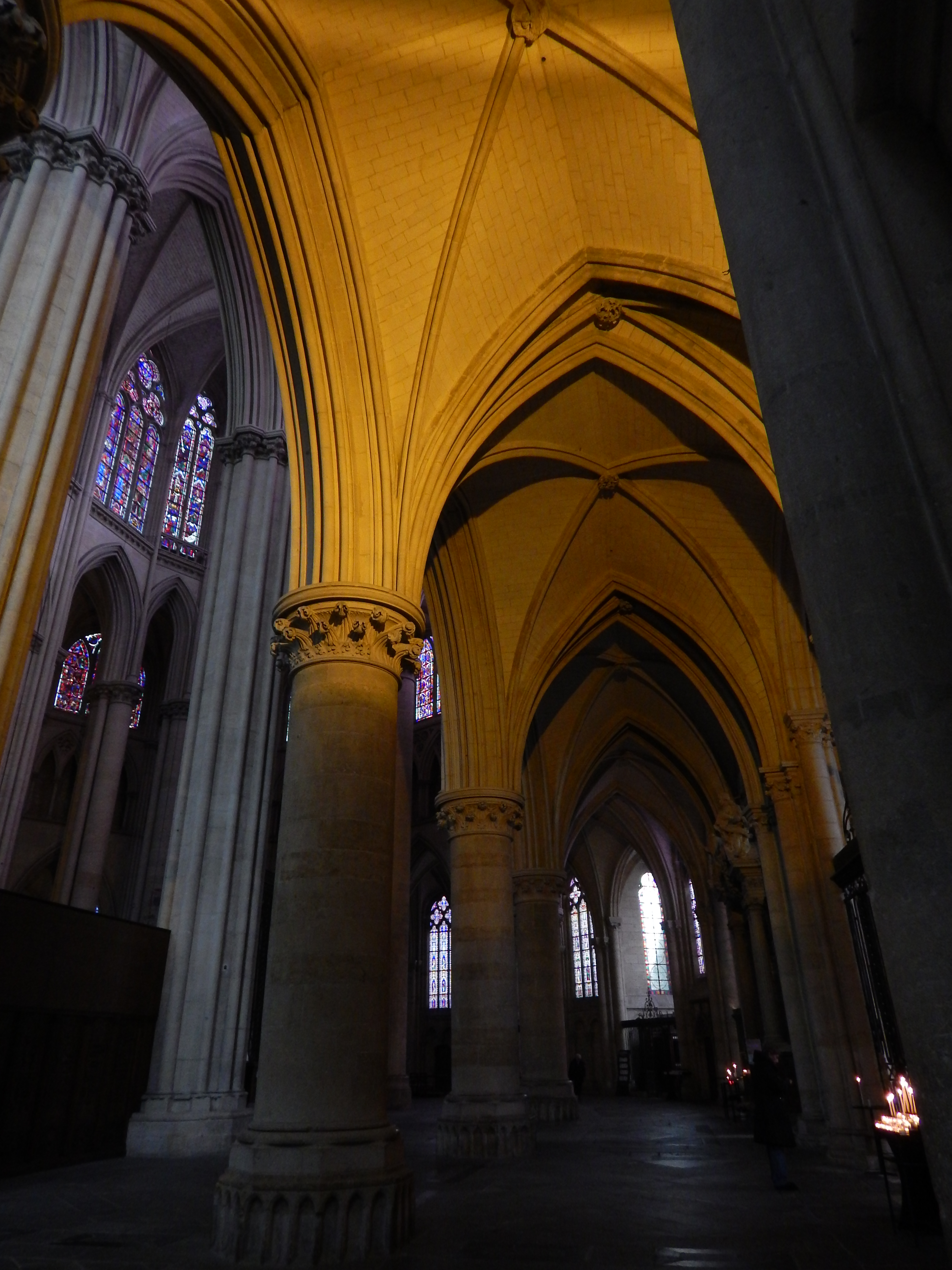
This is going to be a tough one to sum up in words again. Chartres is a magical place for me that has been a part of this journey since I first started planning. I just left this morning, and already I am thinking about when can I return. My first visit was in 1998 to see the Cathedral. It is one of the best examples of the Gothic style in France, largely due to the speed of its construction – only 66 years. I’m not going to get into a history lesson or artistic analysis. Go read the Wiki article if you want to learn more. It’s well written and very informative. http://en.wikipedia.org/wiki/Chartres_Cathedral

It was the Gothic architecture and medieval windows that brought me to Chartres fifteen years ago. I was very impressed, but it was my experience at the end of that day that brought me back. The ground the Cathedral lies on has been sacred since before the Romans came to Gaul. There is a labyrinth in the nave of the church that could be walked at the end of the day (now one must wait until Friday – I might go back, not sure yet). I thought at the time, “Sure why not?” The path is something like 243 meters long, and takes a while to follow. I was totally unprepared for the experience. When I reached the middle, I waited for it to be my turn to stand in the center of the circle. When I got there I was completely overwhelmed with emotion to the point of tears. It was a very powerful experience. At the time I was not living in pursuit of a spiritual life. Today I count that as one of my first experiences with the power of the numinous. This time, there was no such experience, but I believe that is due to having conscious contact on a daily basis with the divine in my life.

With that, I want to get out of this hotel room. The sun is shining now and again here in Paris, and there is much to do, starting with some coffee and lunch. So, here’s the pictures from the Cathedral in Chartres.

DSCN1384 DSCN1380 DSCN1375 DSCN1444 DSCN1443 DSCN1304 DSCN1445 DSCN1365 DSCN1361 DSCN1359 DSCN1358 DSCN1356 DSCN1355 DSCN1472 IMAG0928 DSCN1310 DSCN1309 DSCN1312 DSCN1314 DSCN1329 DSCN1331 DSCN1323 DSCN1319 DSCN1327 DSCN1326 DSCN1333 DSCN1353 DSCN1348 DSCN1346 DSCN1466 DSCN1460 DSCN1458 DSCN1457 DSCN1453 DSCN1452 DSCN1447 DSCN1371

Vielle Ville du Mans

03 Sunday Nov 2013

Posted by savagemythology in Uncategorized

≈ 2 Comments

Tags

France, Gothic architecture, Le Cathedral Saint Julian du Mans, Le Mans, Normandy, St. Julian's

DSCN1287

3 November, 2013

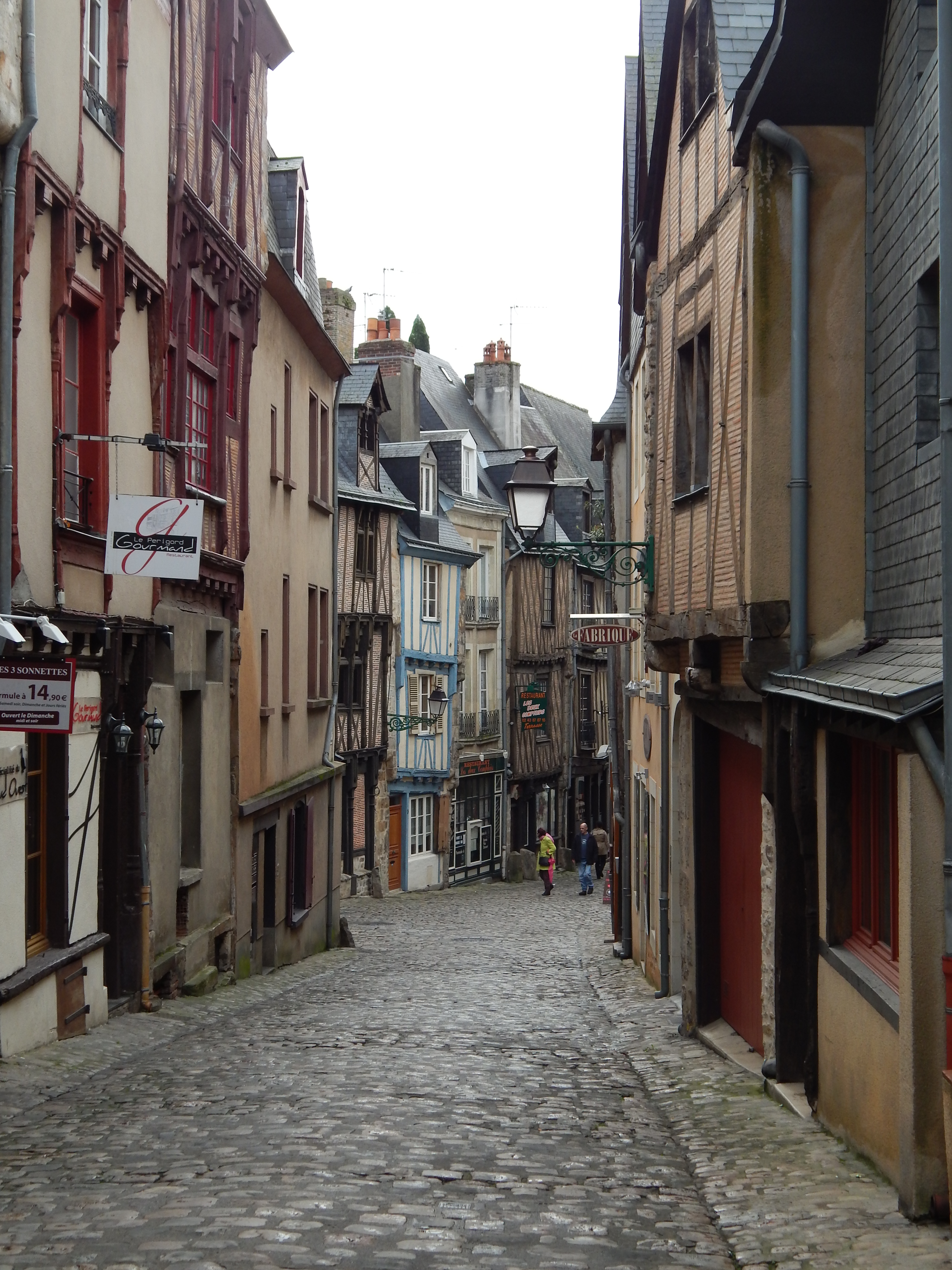
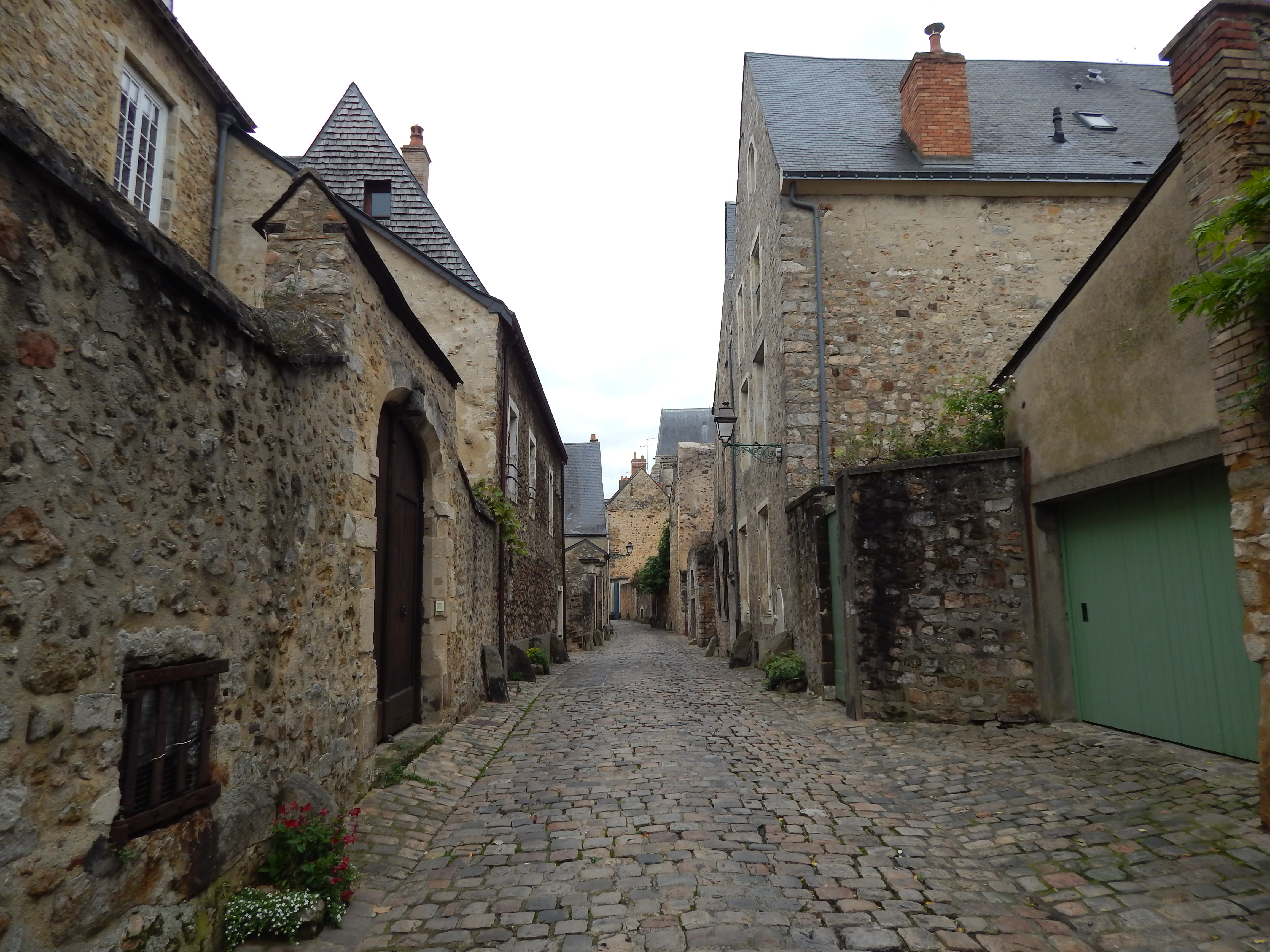
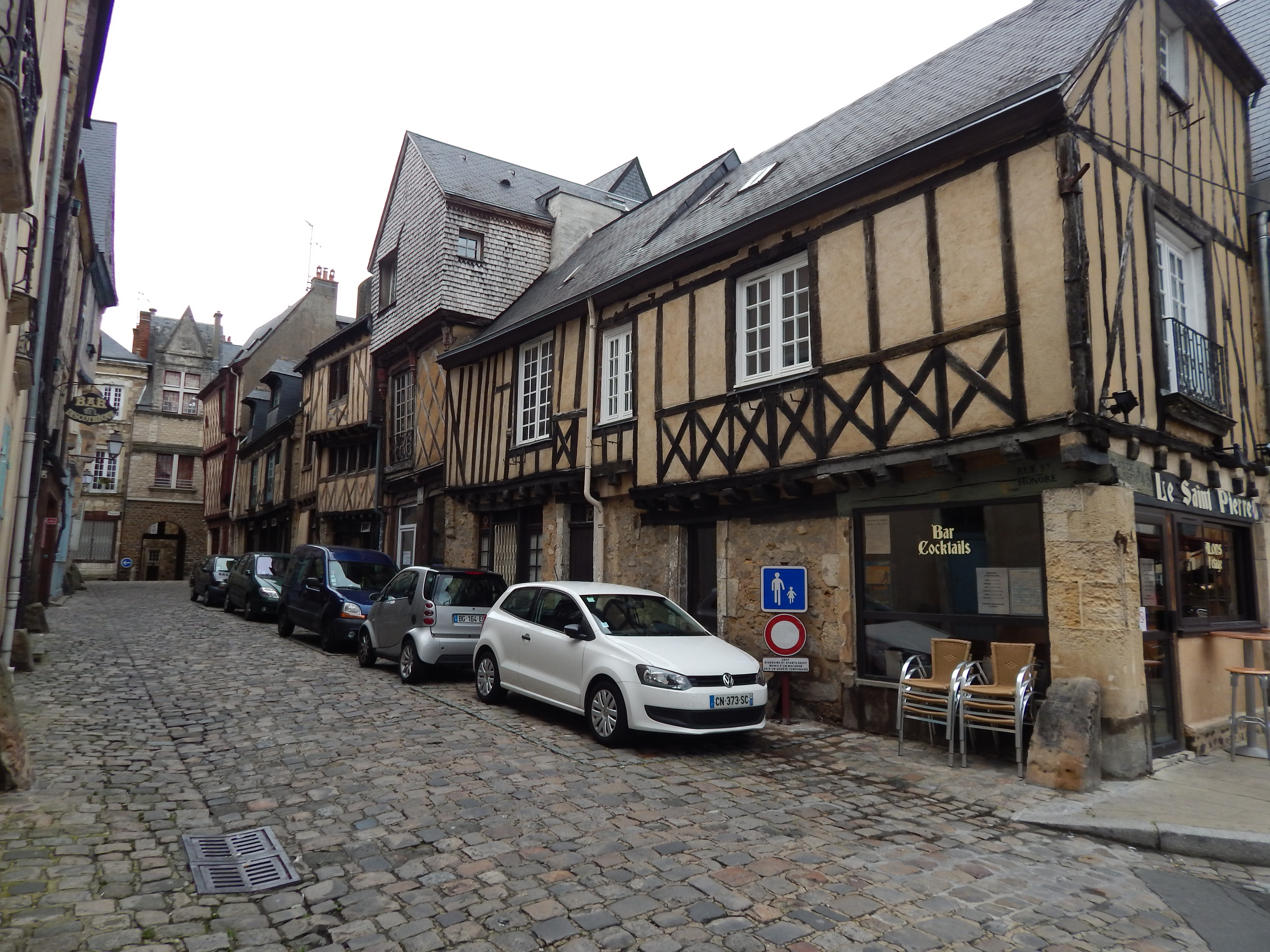
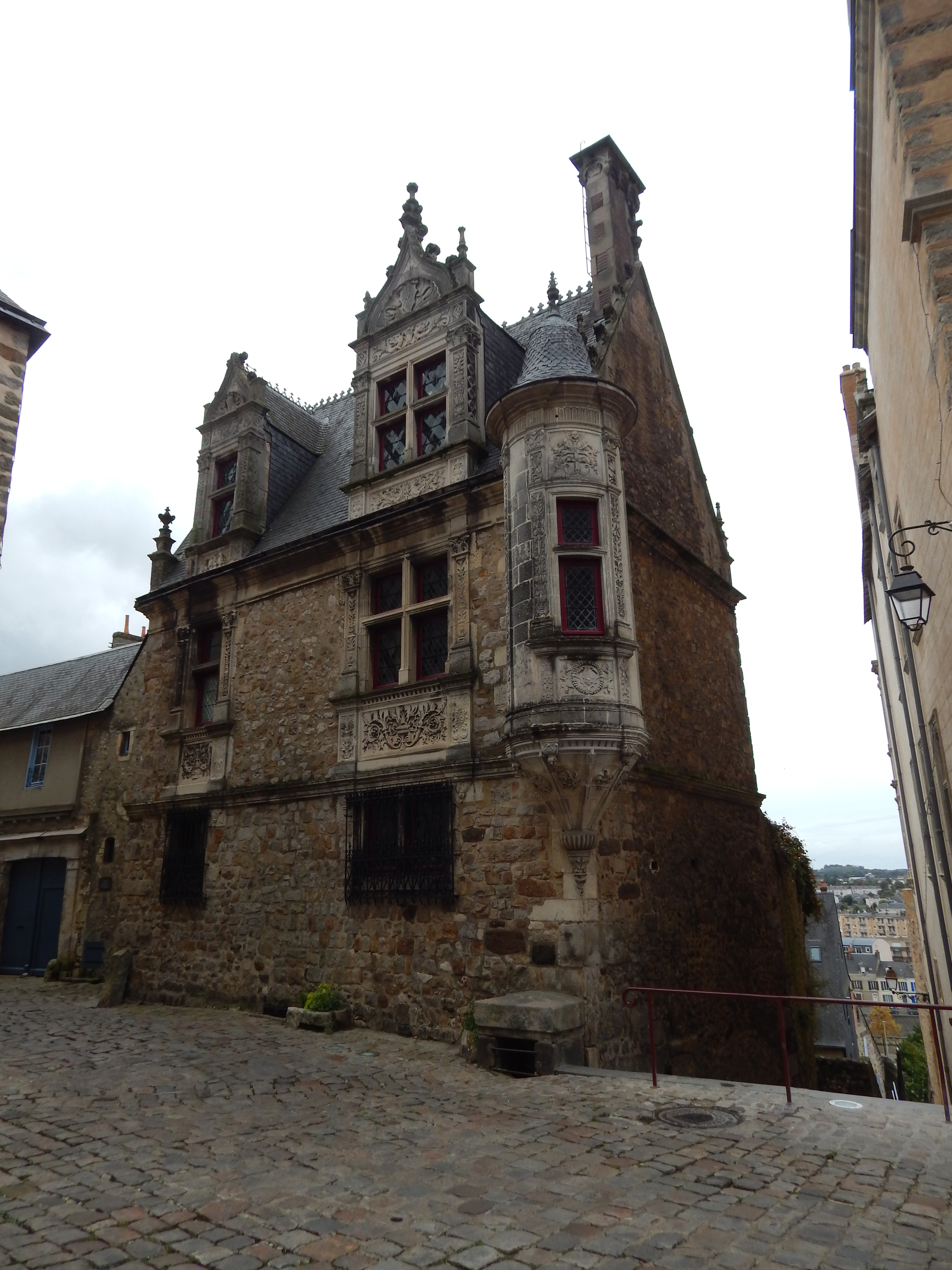
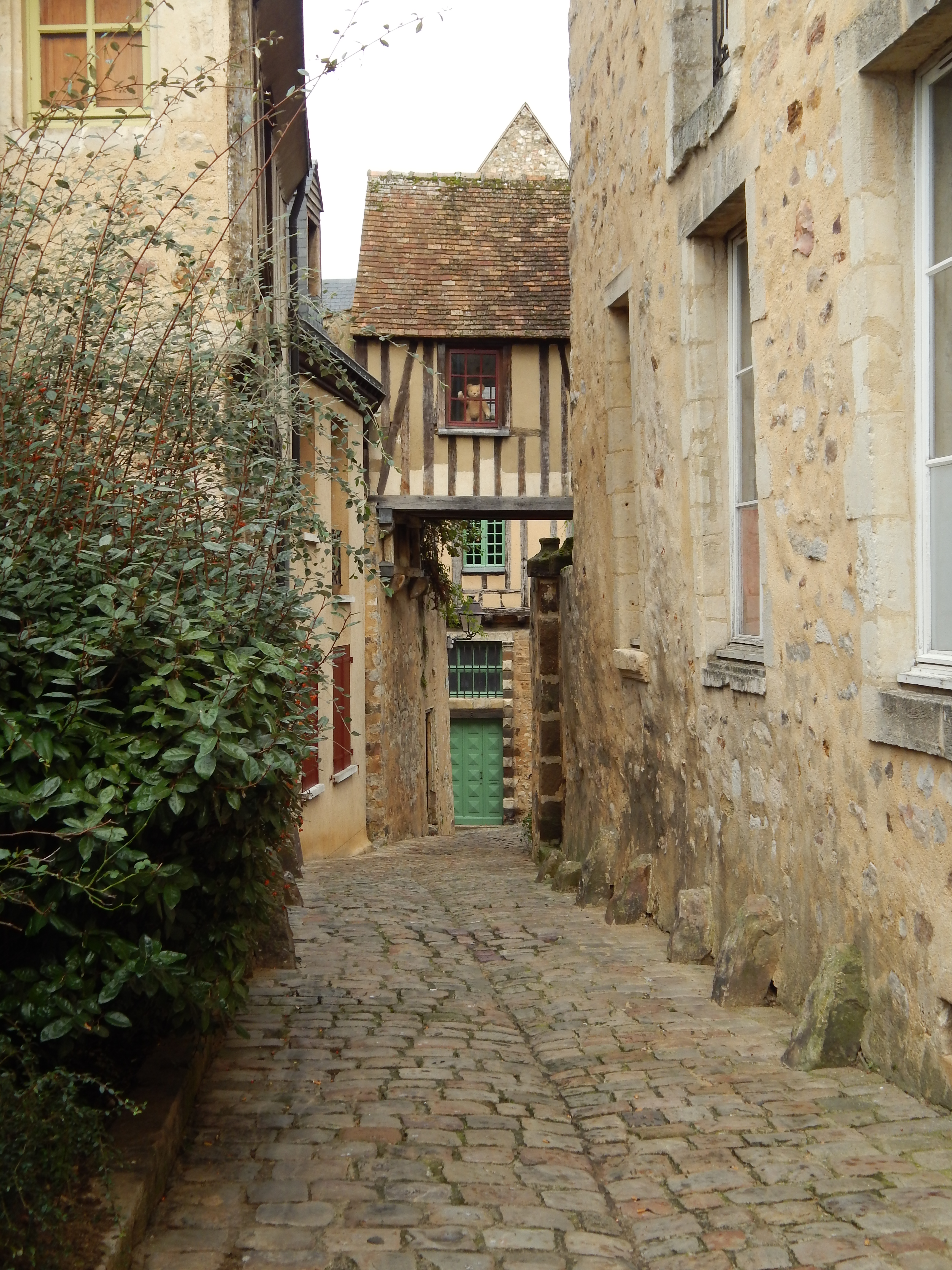
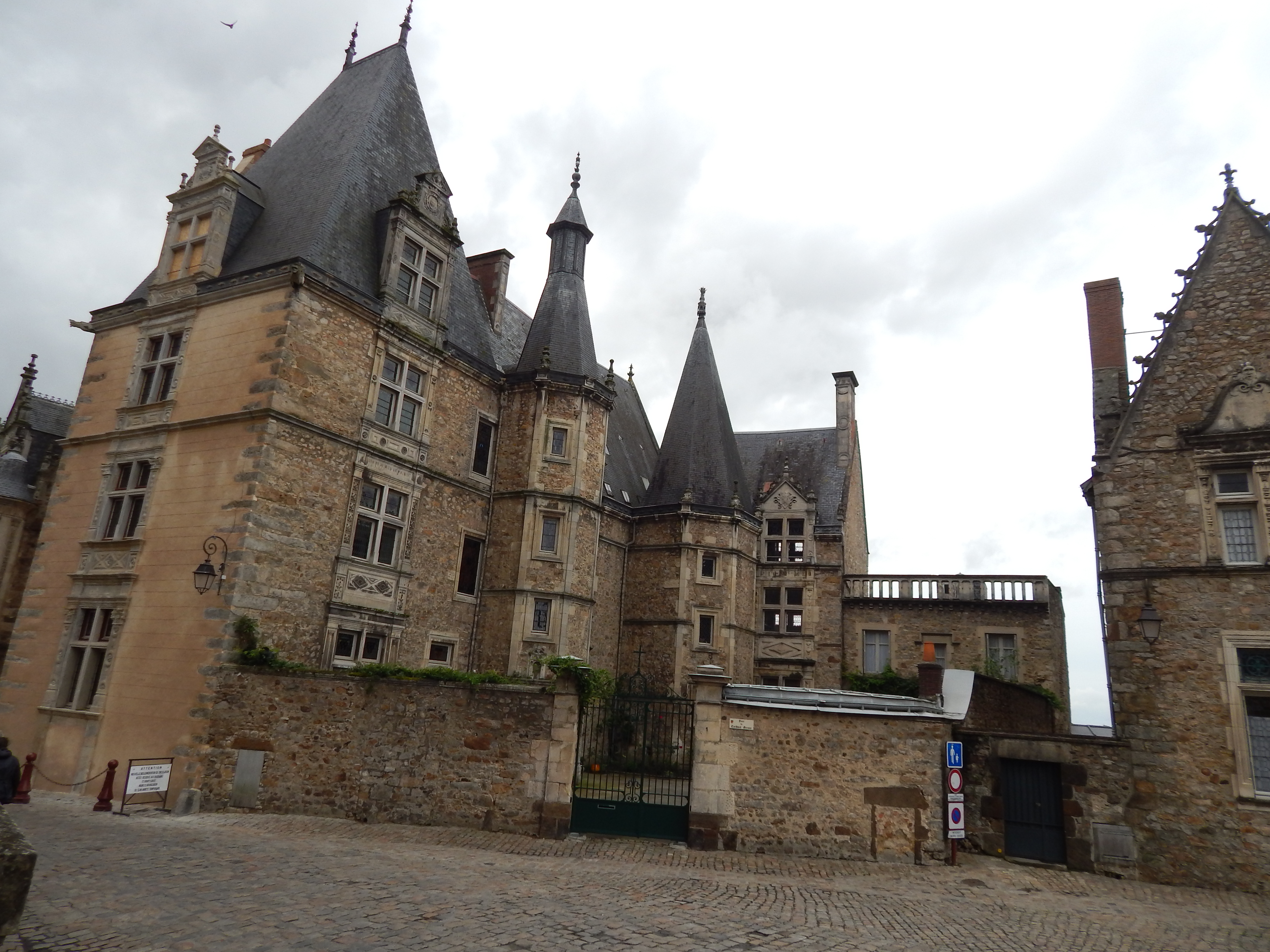
Trying to catch up to today.. Yesterday in Le Mans had quite a variety of sights and subsequently pictures. After the museum at the racetrack I took the tram to the old part of town. In the states, that means somewhere from the turn of the 20th century. In Le Mans it means the turn of the 12th century. This is one of the best preserved medieval towns in France. The City Walls date to the 3rd century, at the end of Roman period in Normandy. Much of the old part of the city is 14th & 15th century. The narrow and winding cobbled streets lined with houses 500 years old are very charming. I love these parts of France.

DSCN1235 DSCN1231 DSCN1237 DSCN1286 DSCN1238

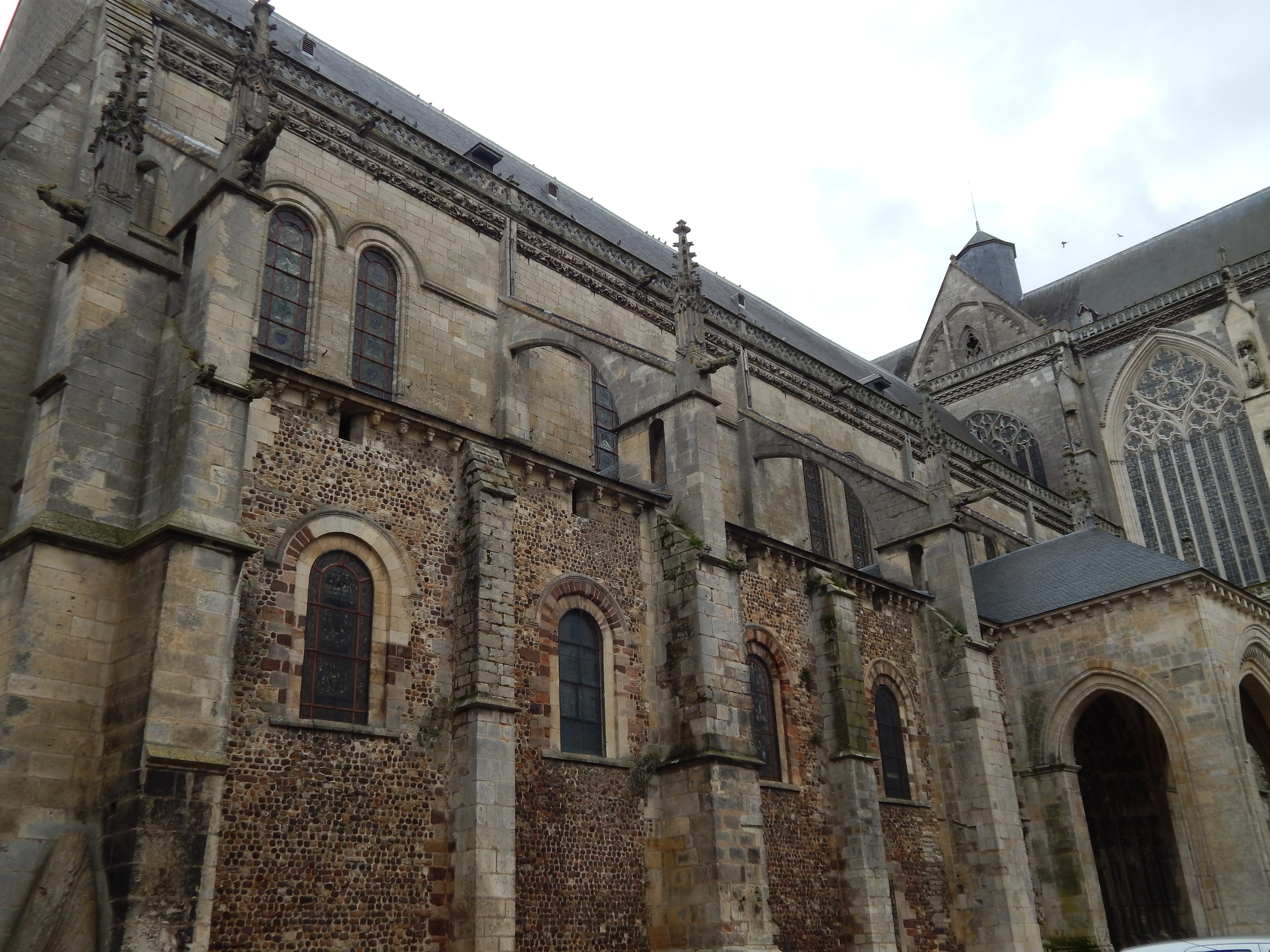
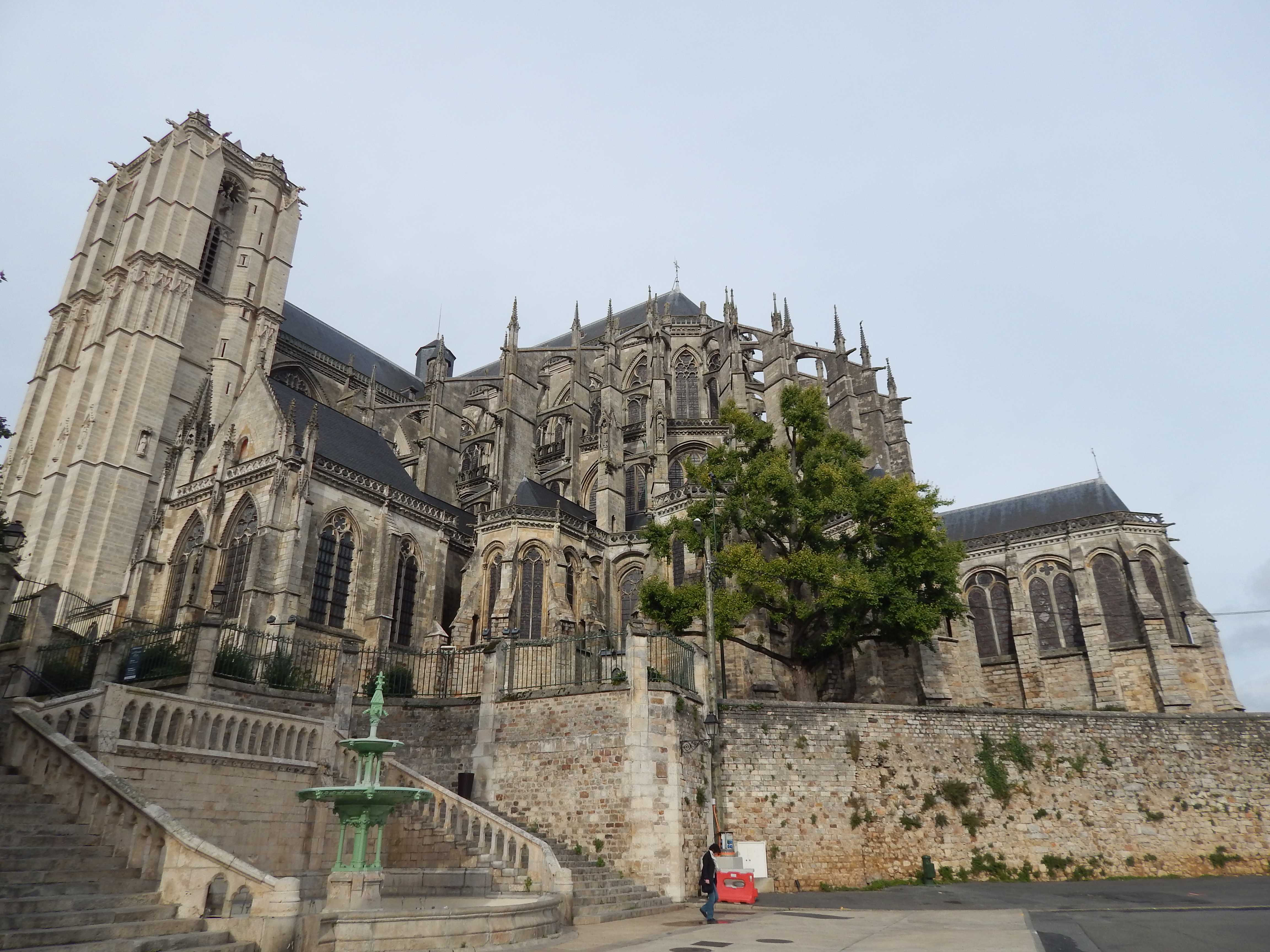
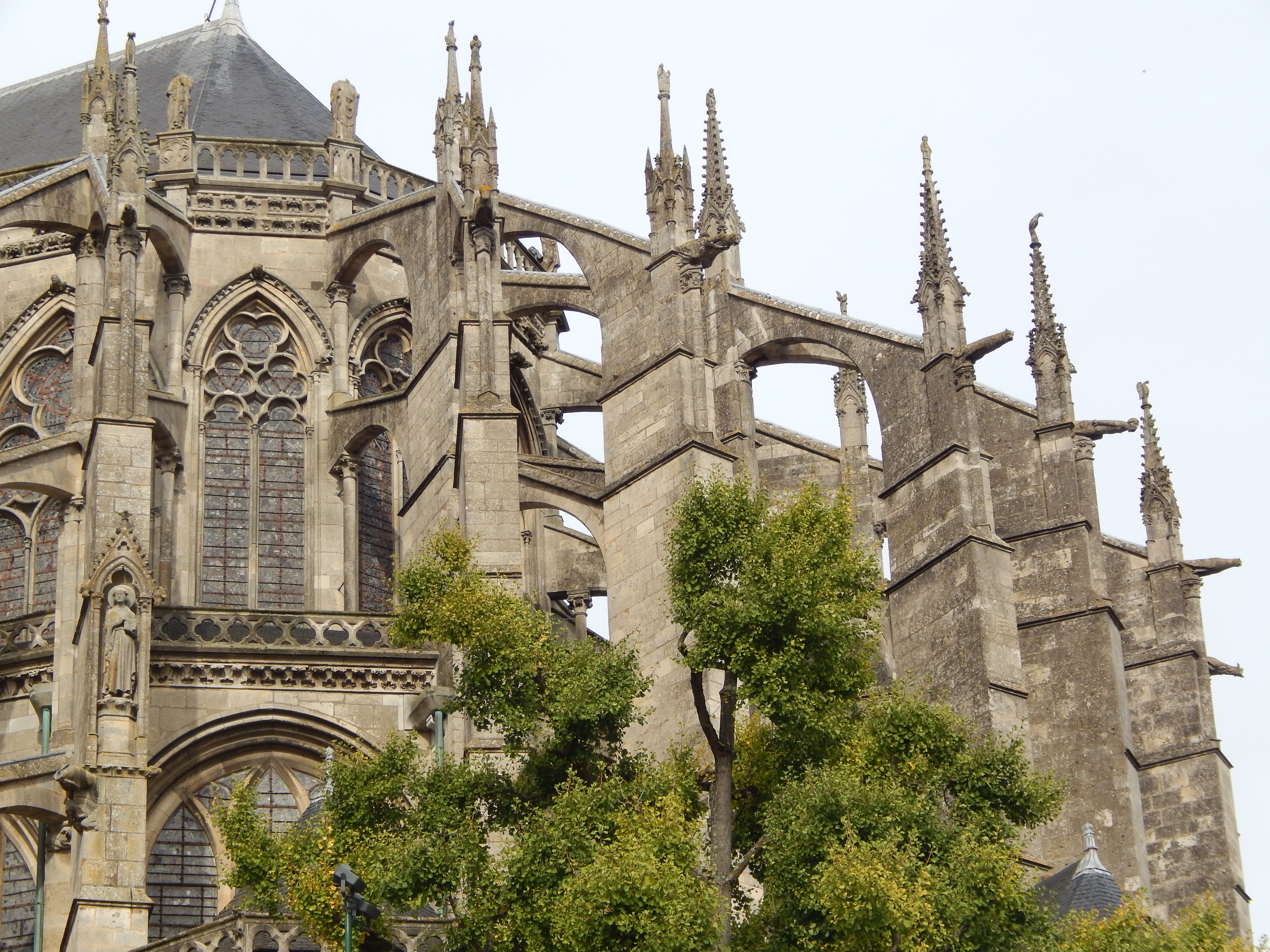
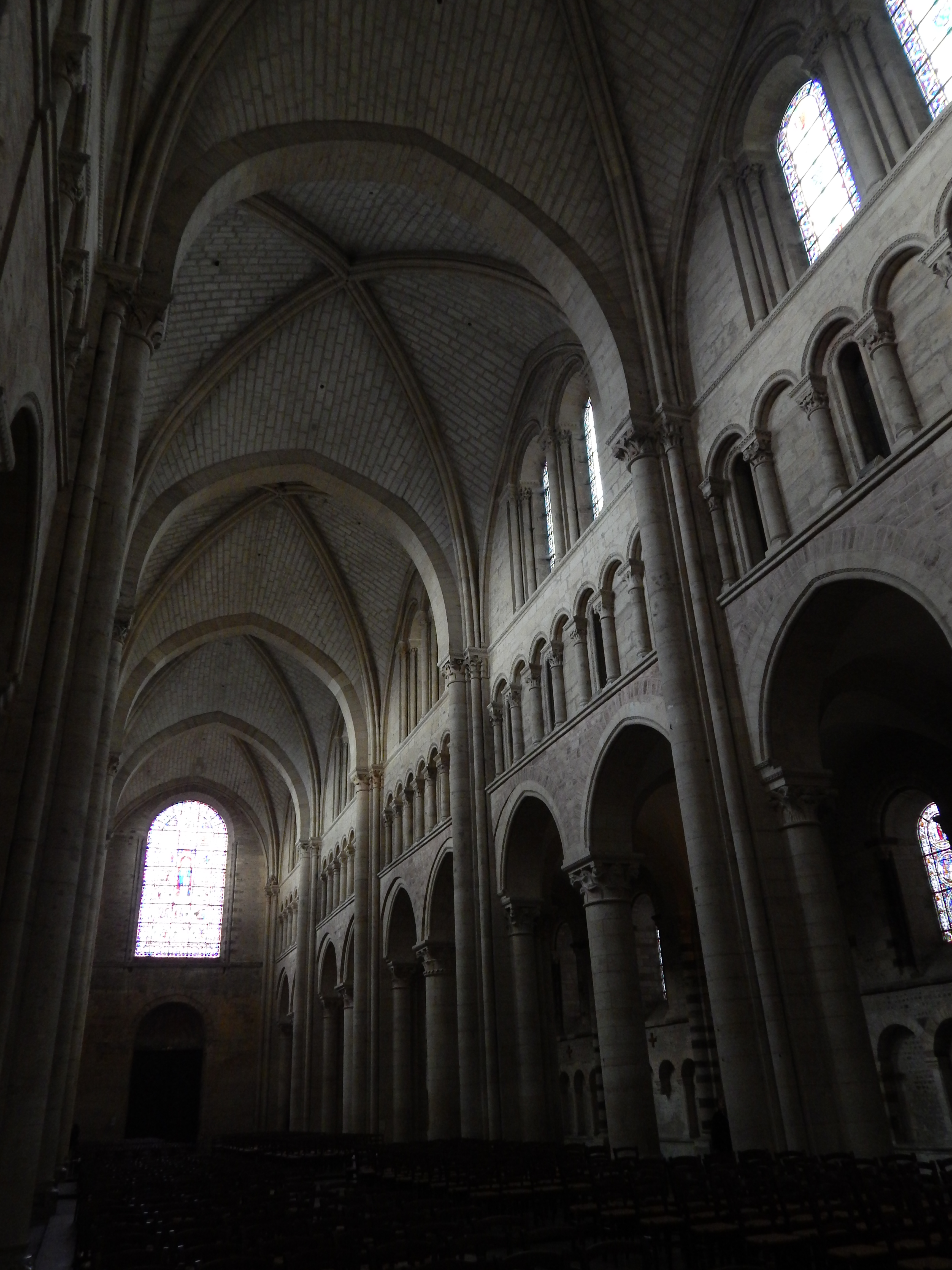
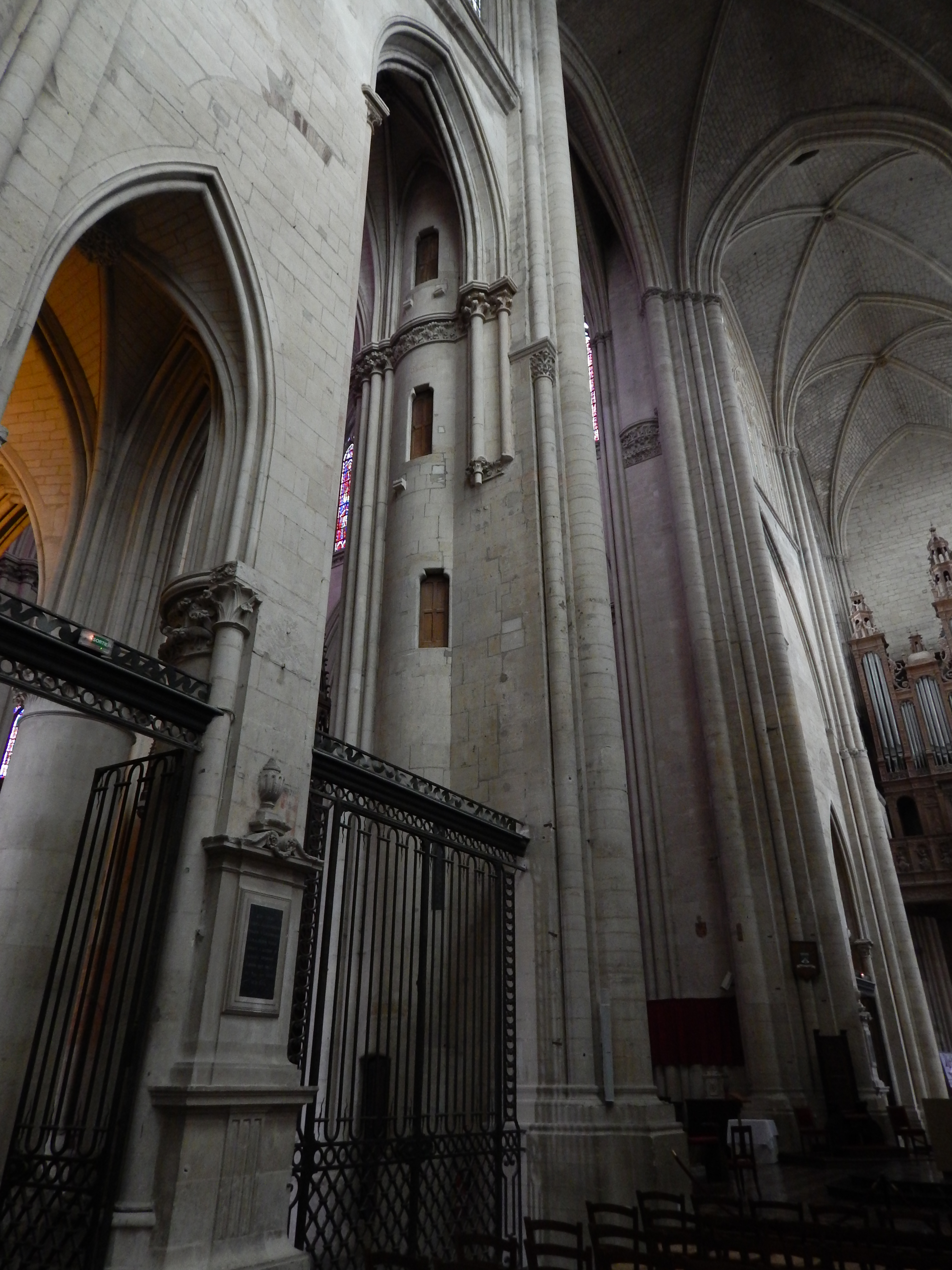
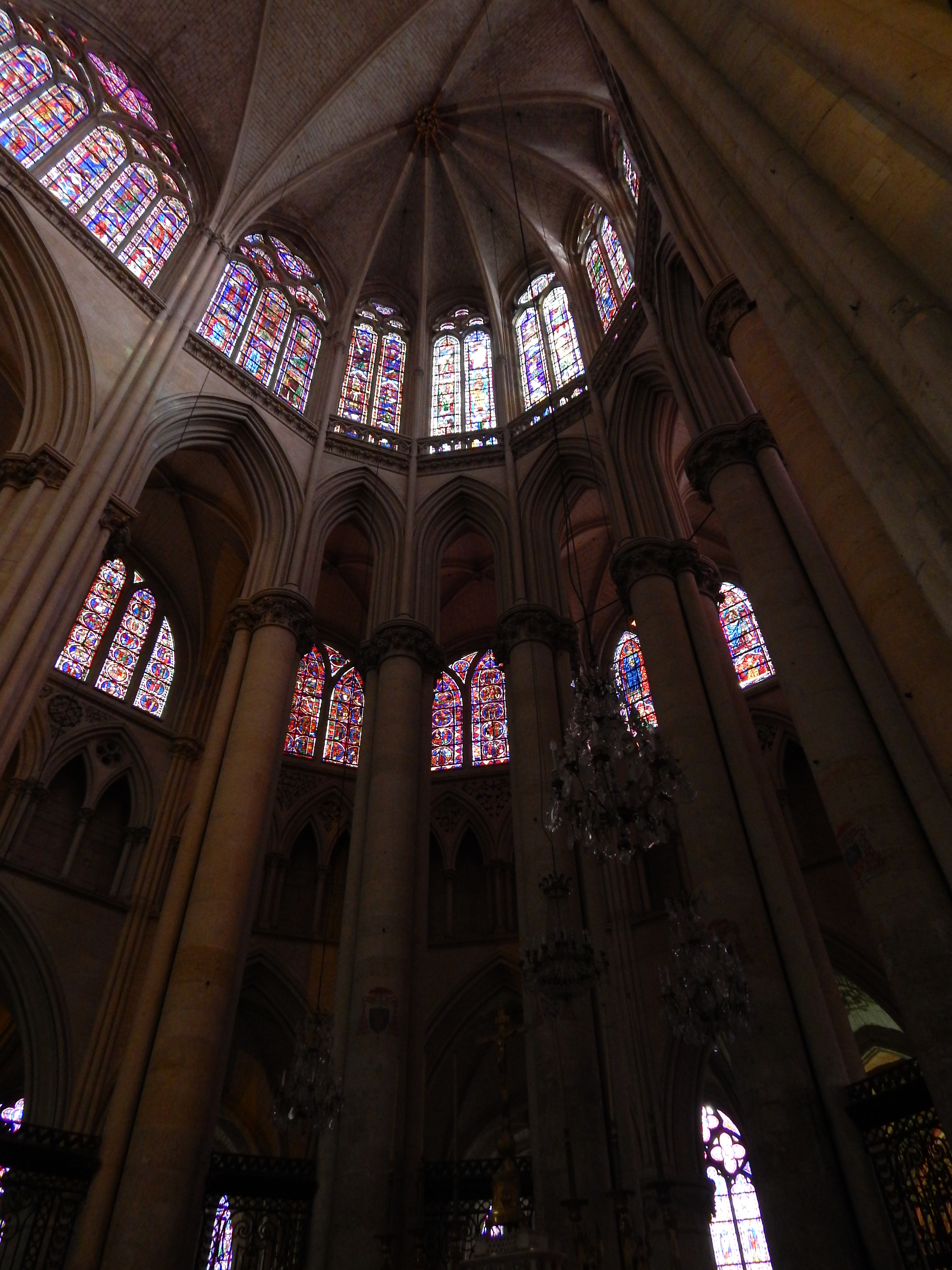
Le Cathedral Saint Julian du Mans is an interesting combination of styles. These monumental churches took generations to build, and this is a perfect example of that. The evolution was to build ever higher with bigger windows. This meant more mass, and the technique was perfected in the high Gothic with pointed arches in the wall perforations and flying buttresses taking the weight of the stone vaulting and roof away from the walls of the building. The nave at St. Julian was completed in the 12th century in the Norman/Romanesque style. 100 years later saw the coming of the Gothic. The transept and apse have the higher vaulting and large windows of the later 13th and 14th century style.  This has the interesting effect of the newer areas around the altar and choir – the space for God – feeling more open and more full of light, while the nave – the space for the people – is dimmer.   (For a more complete history, please see the Wikipedia page  http://en.wikipedia.org/wiki/Le_Mans_Cathedral )

Romanesque nave with early Gothic buttressing added to support stone vault

Romanesque nave with early Gothic buttressing added to support stone vault

View from outside Old City wall

View from outside Old City wall

Doubled flying buttresses around apse

Doubled flying buttresses around apse

Nave vault

Nave vault

Columns and arches at transept crossing

Columns and arches at transept crossing

Apse clerestories and vaults

Apse clerestories and vaults

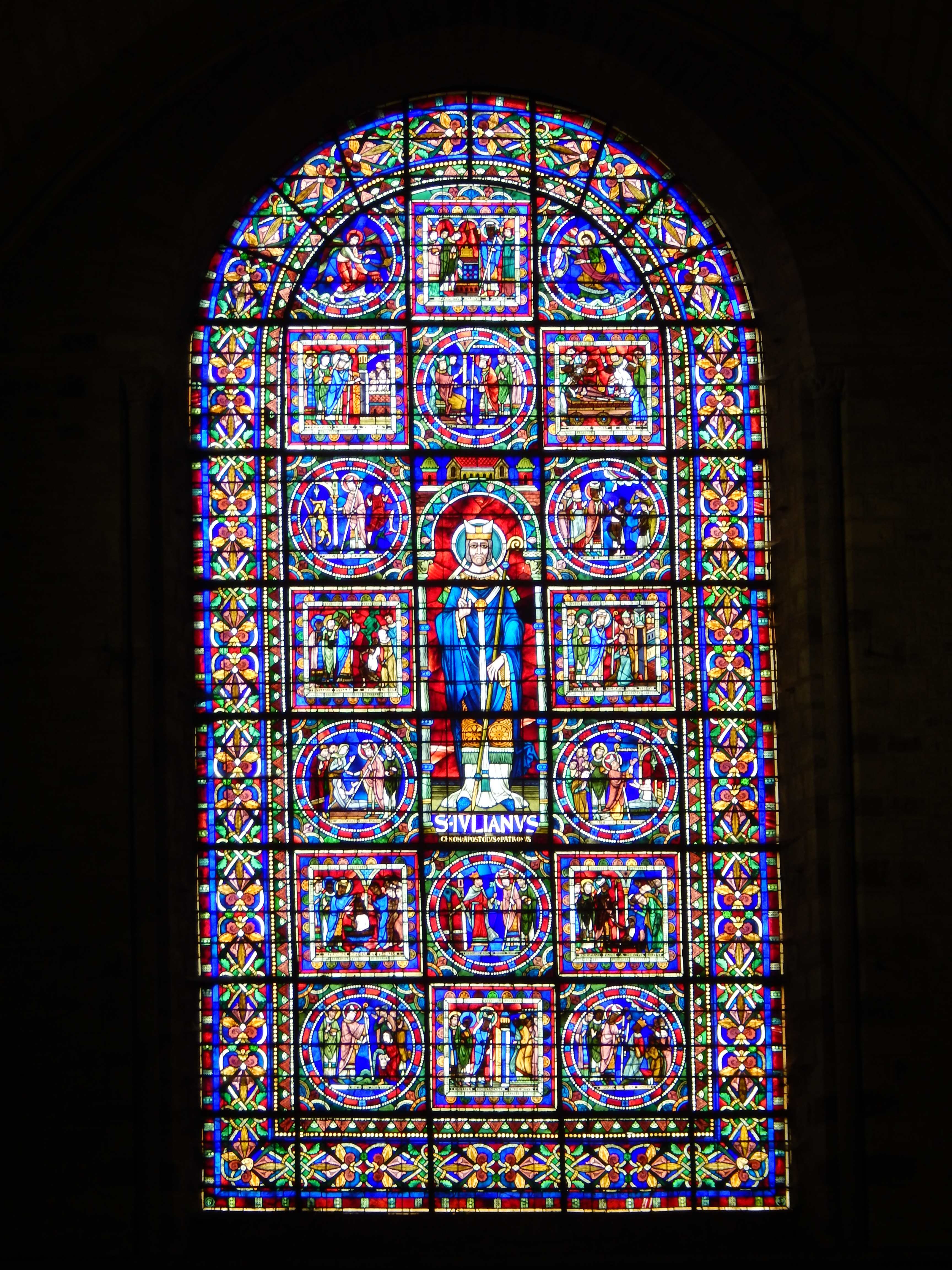
These places amaze me. Not just for the spiritual energy collected within their walls, but just the walls themselves. The beauty of the harmonies of line and proportion – the sacred geometries that are the ancient secrets of the masons who built them. These are massive constructions of countless tons of stone standing firm through the centuries held up by gravity. The form, while embellished with decoration glorifying the almighty and the lives of the saints, is dictated by the function. That function is to support massive weight while allowing light to come in through the glorious windows. Like at Chartres, much of St. Julian’s medieval stained glass has survived. The windows illustrate the lives of the Saints and stories of the scripture for a populace that was illiterate. Prior to Gutenberg’s invention of the press books, and the ability to read them, were something only found in the monasteries. The light they let in, as a result, is full of color, and it’s wonderful.

Saint Julian window

Saint Julian window

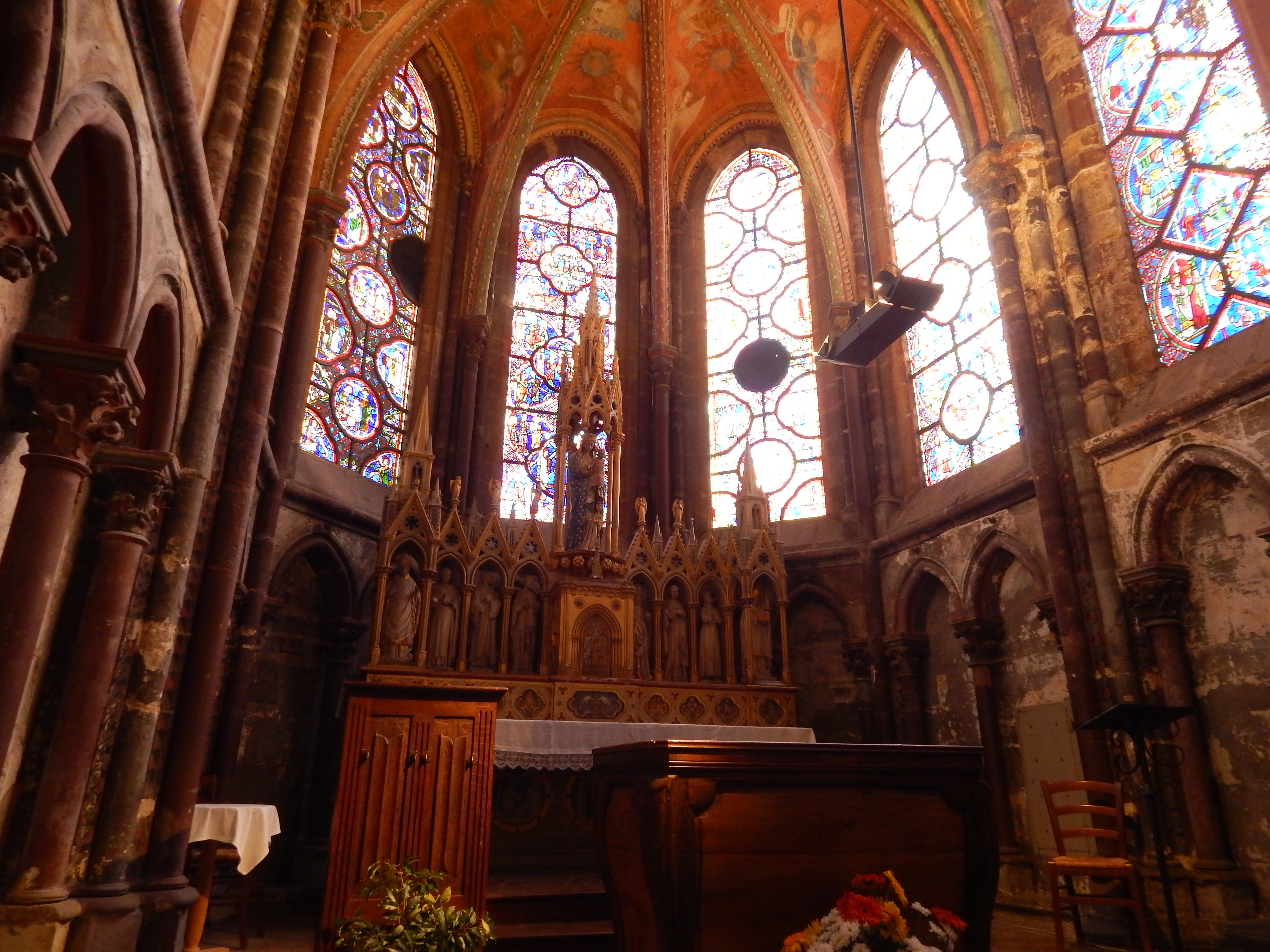
Chapel to the Virgin Mary in apse

Chapel to the Virgin Mary in apse

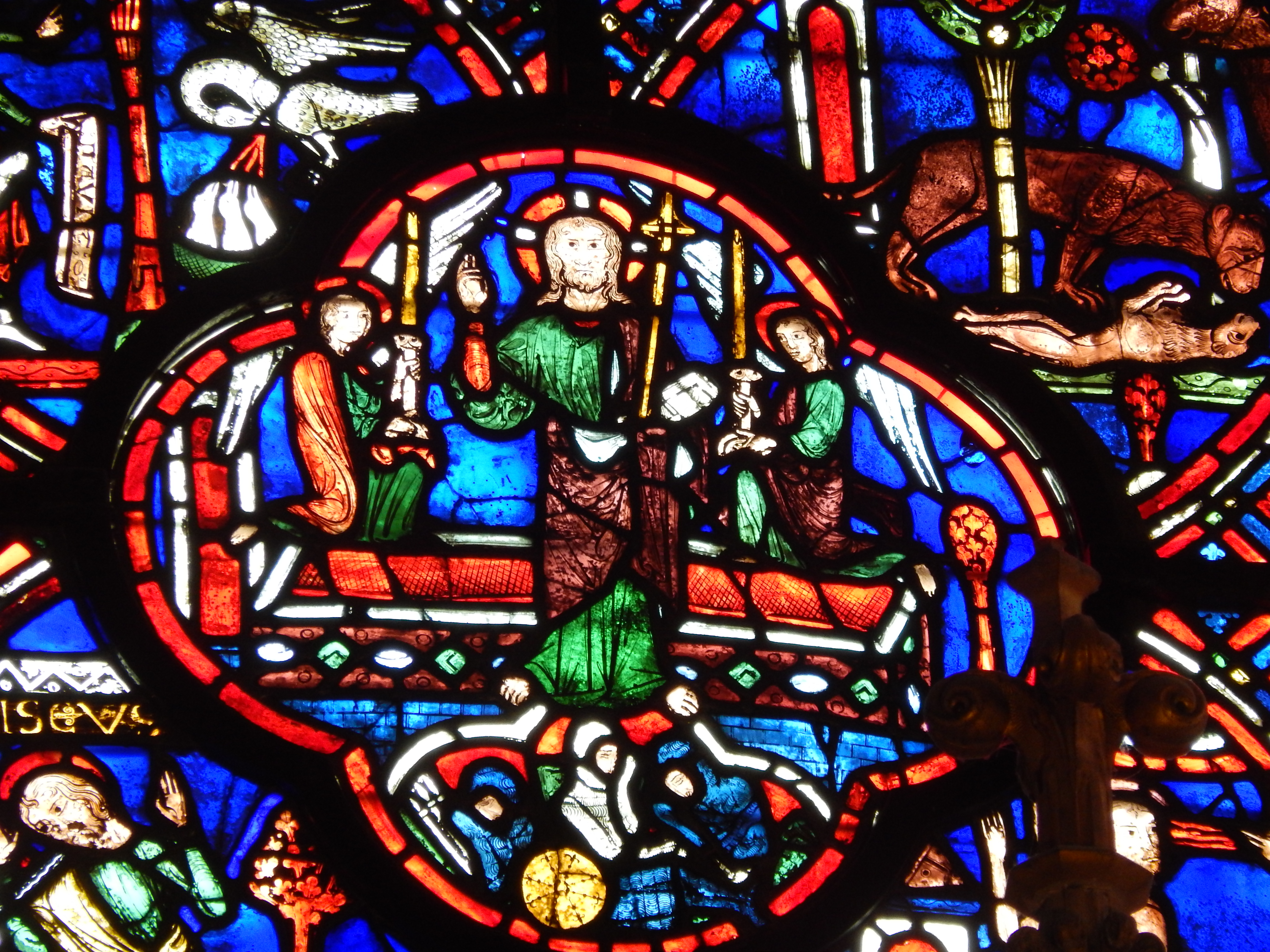
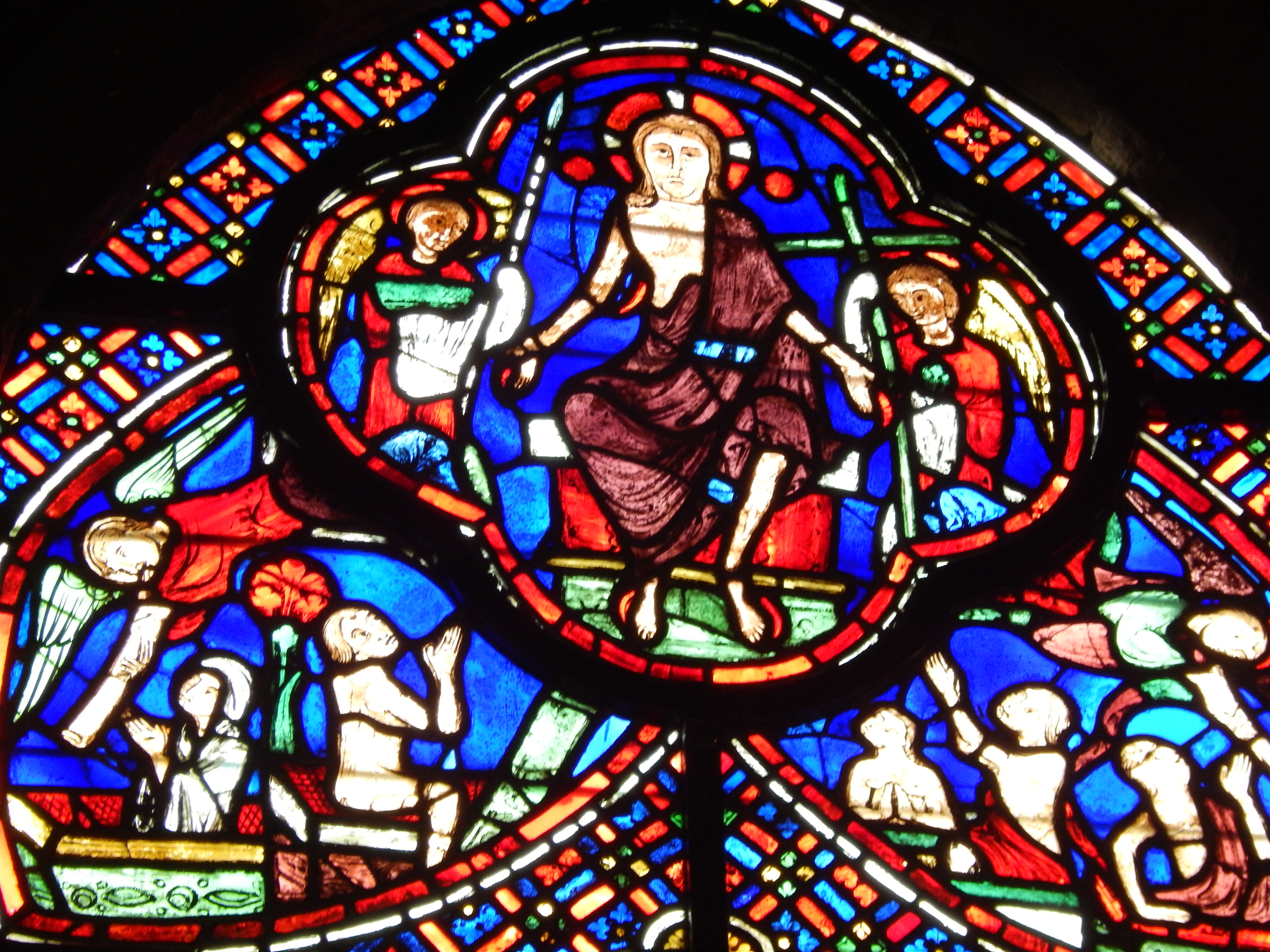
Window detail, Chapel of the Virgin

Window detail, Chapel of the Virgin

Window detail, Chapel of the Virgin

Window detail, Chapel of the Virgin

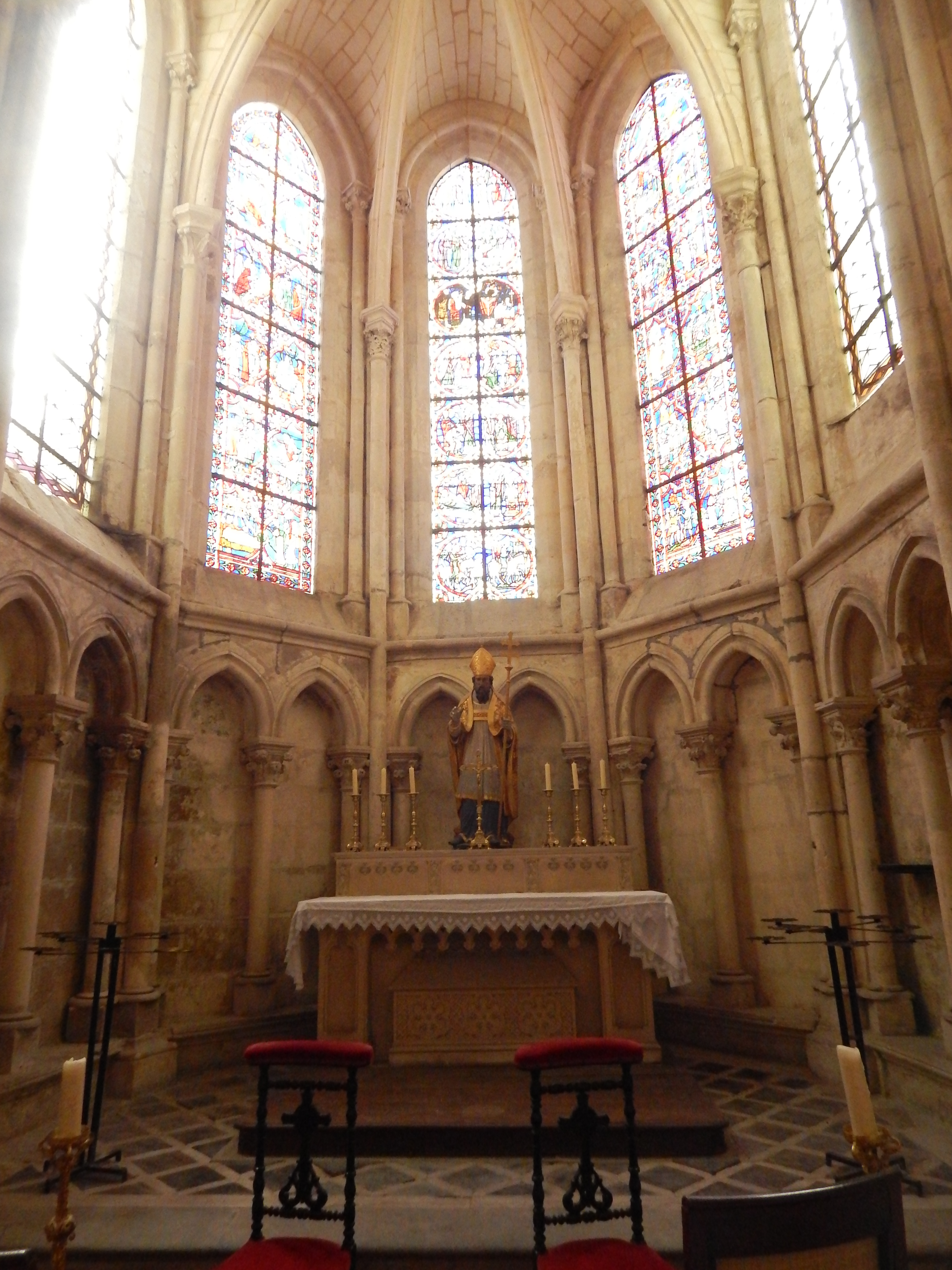
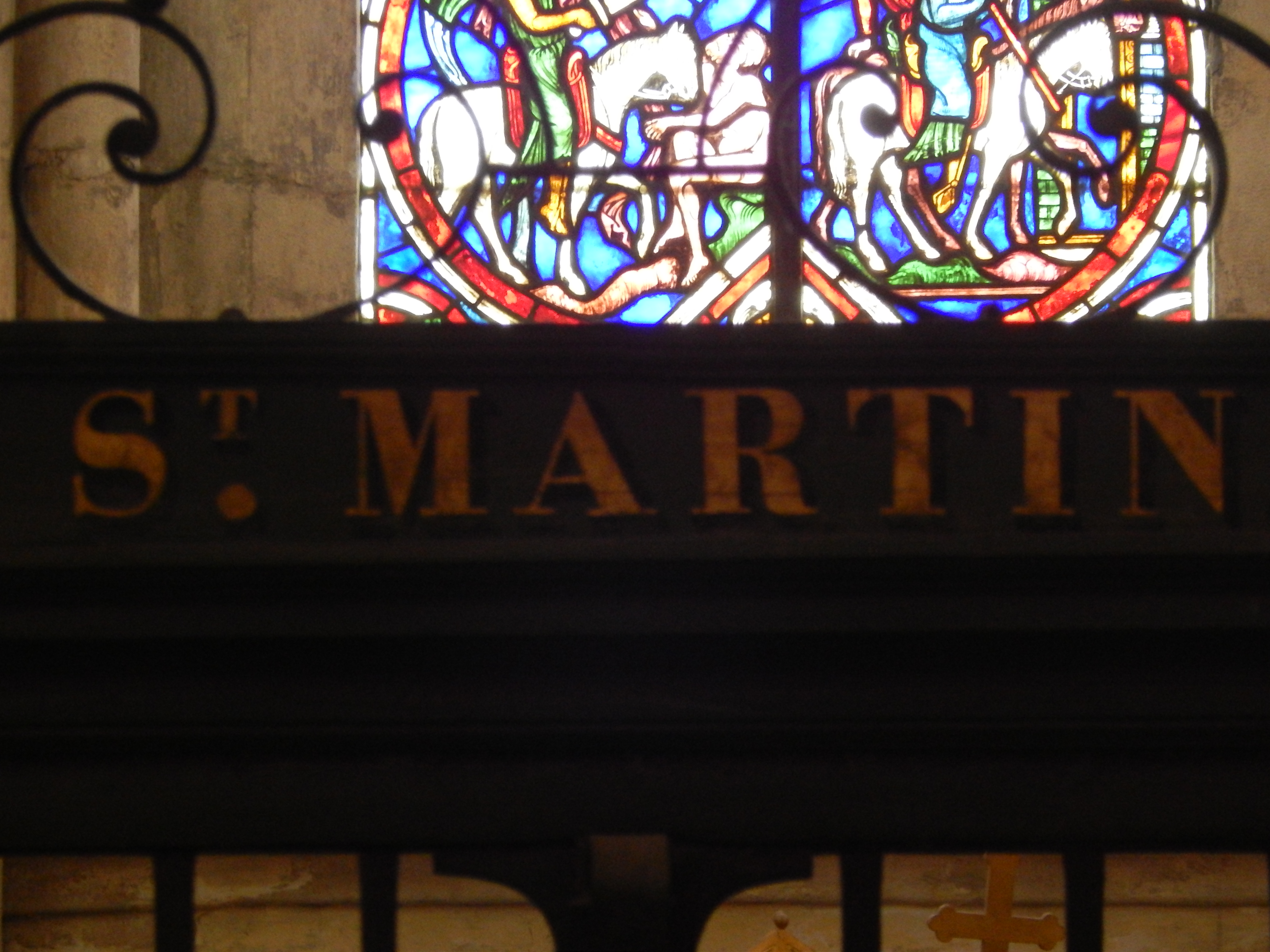
Chapel of Saint Martin

Chapel of Saint Martin

http://en.wikipedia.org/wiki/Martin_of_Tours

http://en.wikipedia.org/wiki/Martin_of_Tours

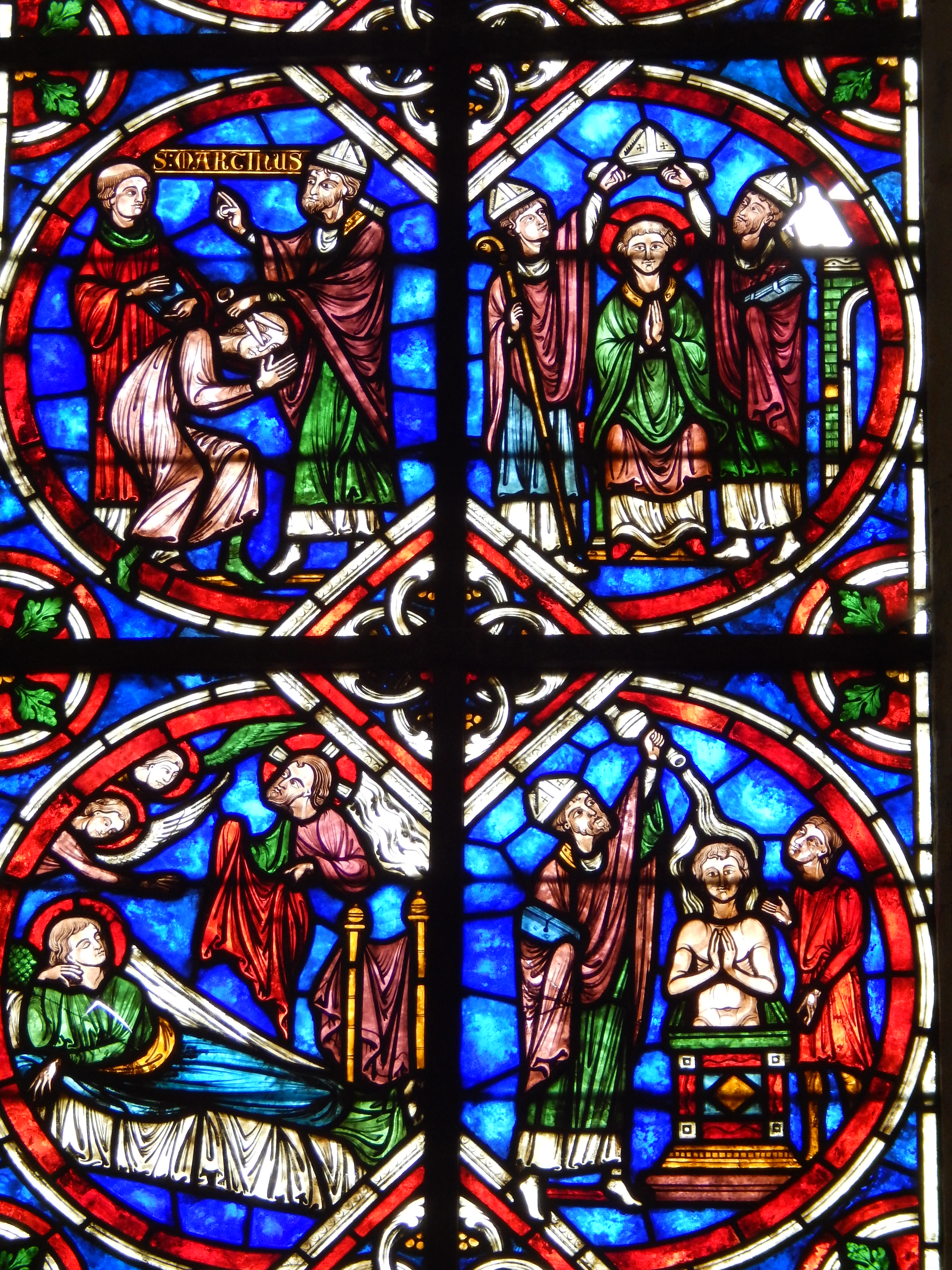
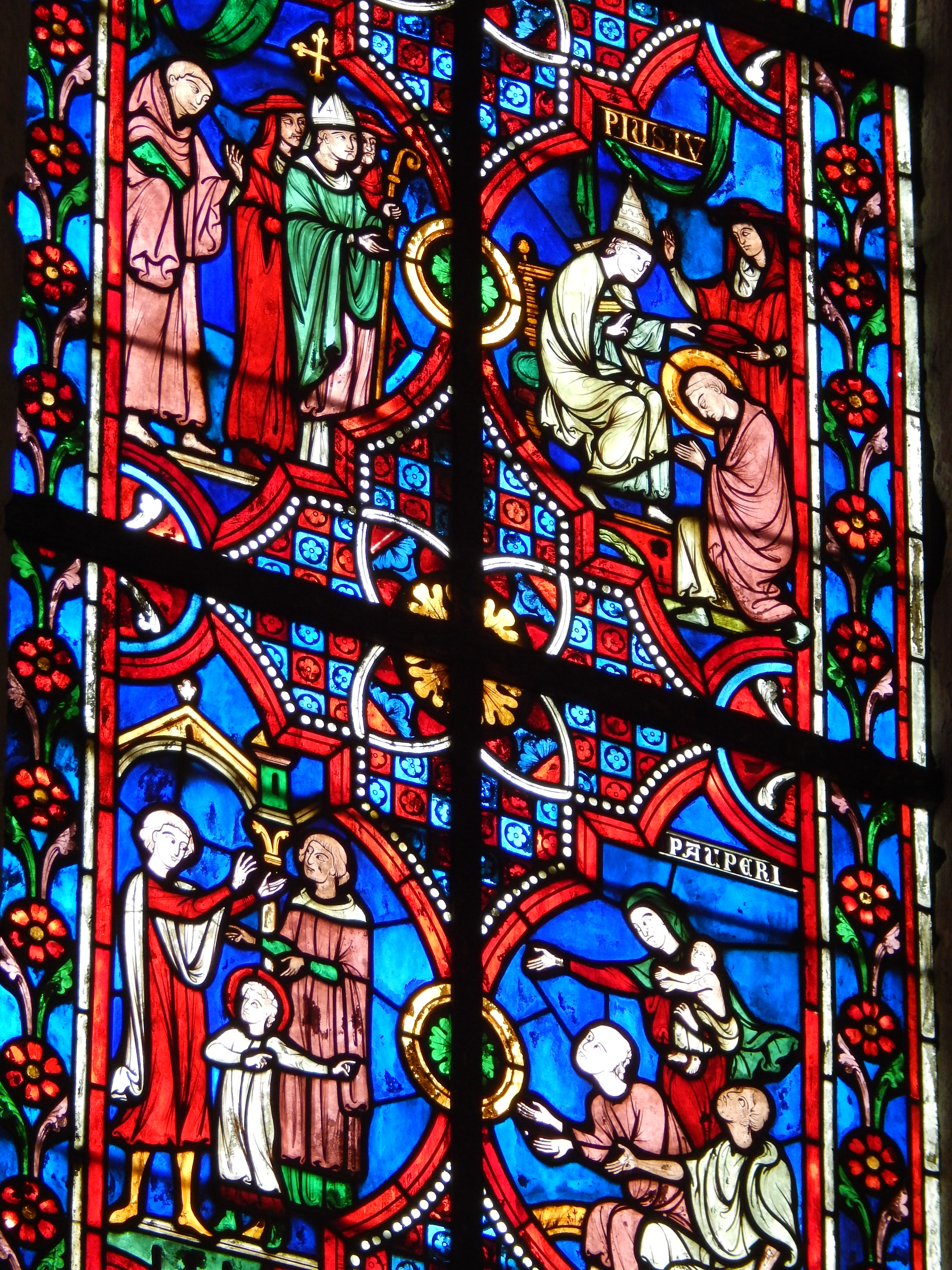
Window detail, Chapel of Saint Martin

Window detail, Chapel of Saint Martin

Window detail, Chapel of Saint Martin

Window detail, Chapel of Saint Martin

Enough of my words. Time to let the pictures do some talking.

DSCN1246 DSCN1248 DSCN1261 DSCN1251 DSCN1240 DSCN1272 DSCN1245

Musee des 24 Heurs du Mans

03 Sunday Nov 2013

Posted by savagemythology in Uncategorized

≈ Leave a comment

Tags

24 Hours of Le Mans, Auto Racing, Le Mans, Motorsports

IMAG0915

3 November, 2013

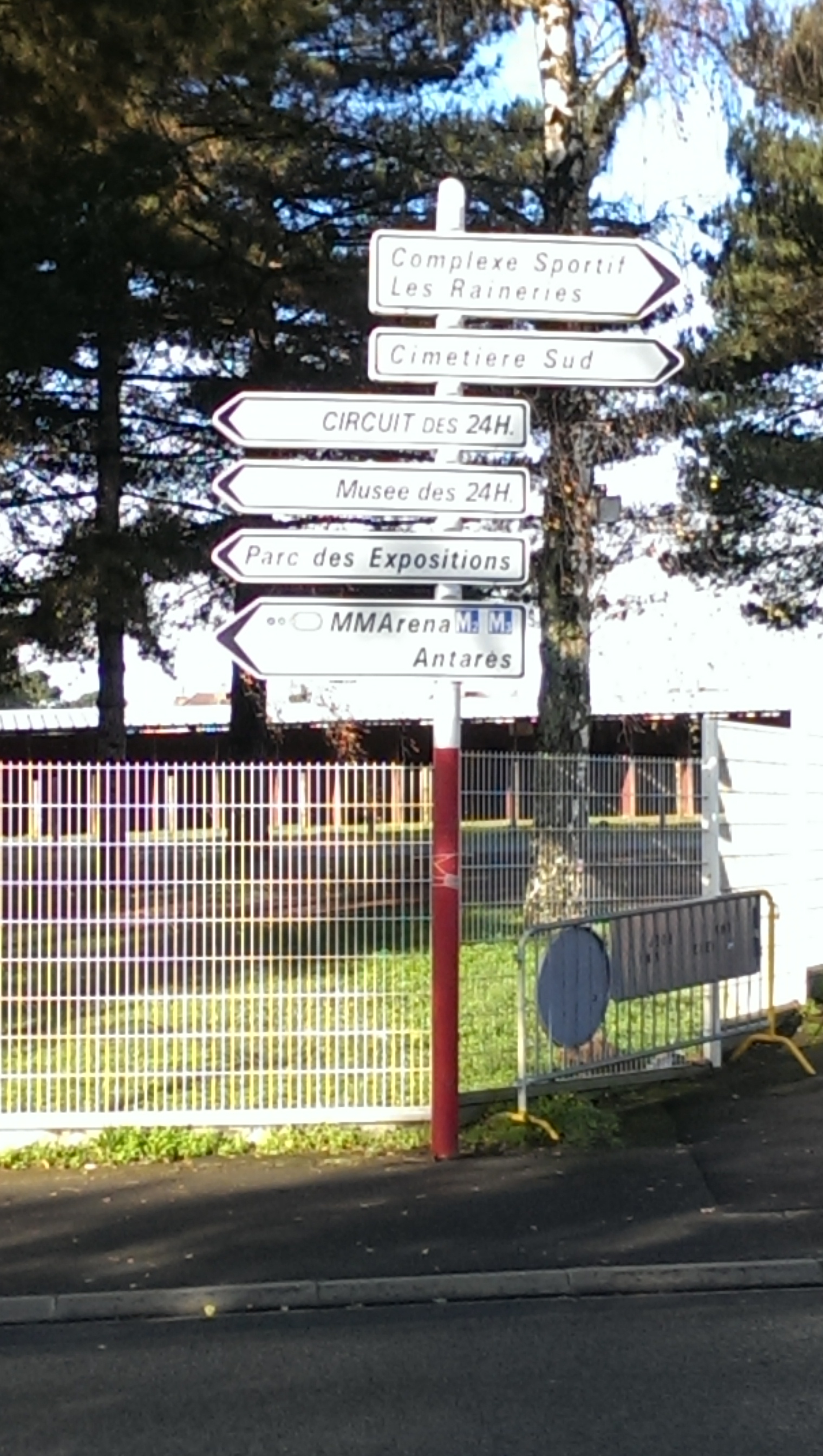
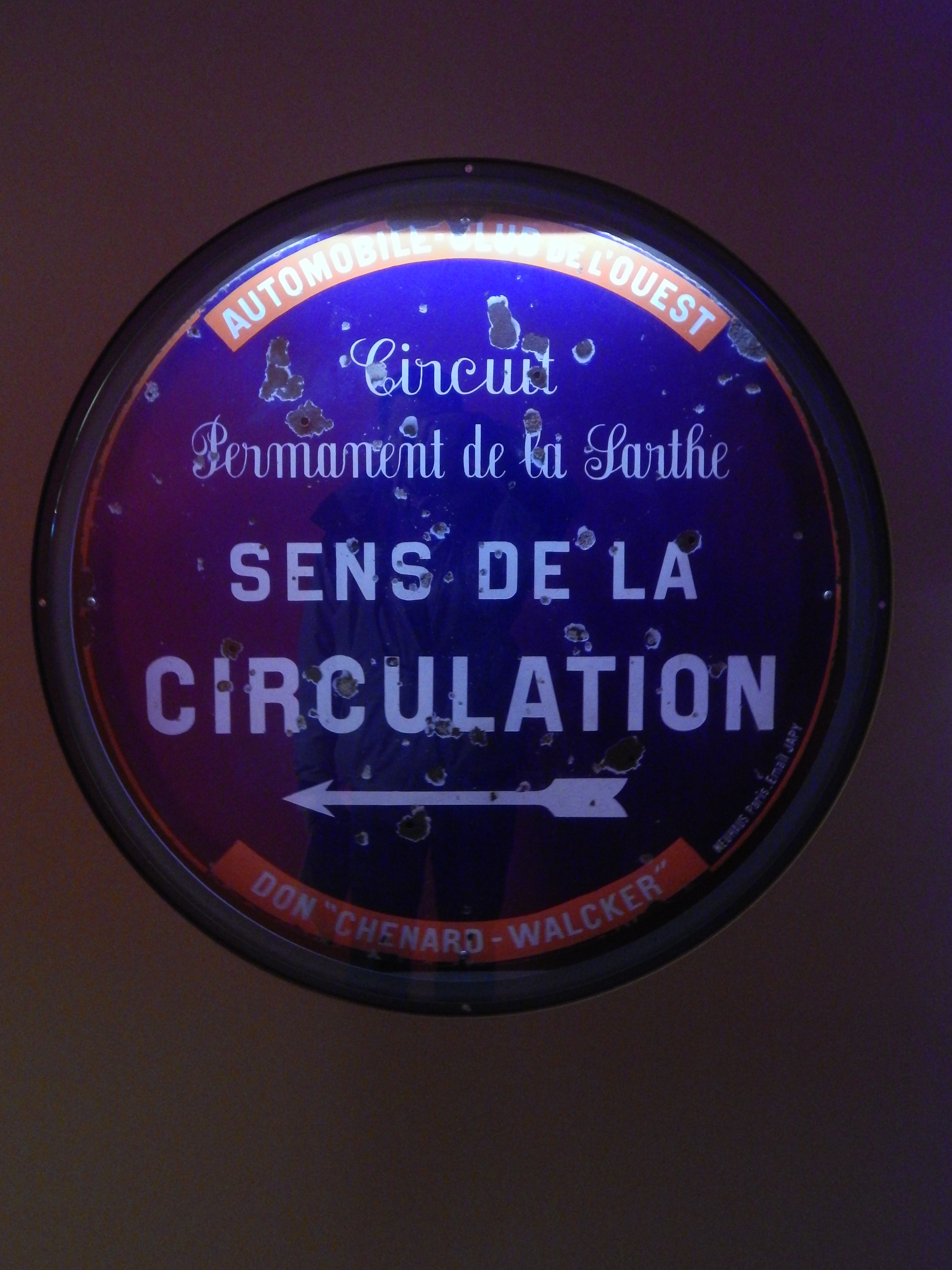
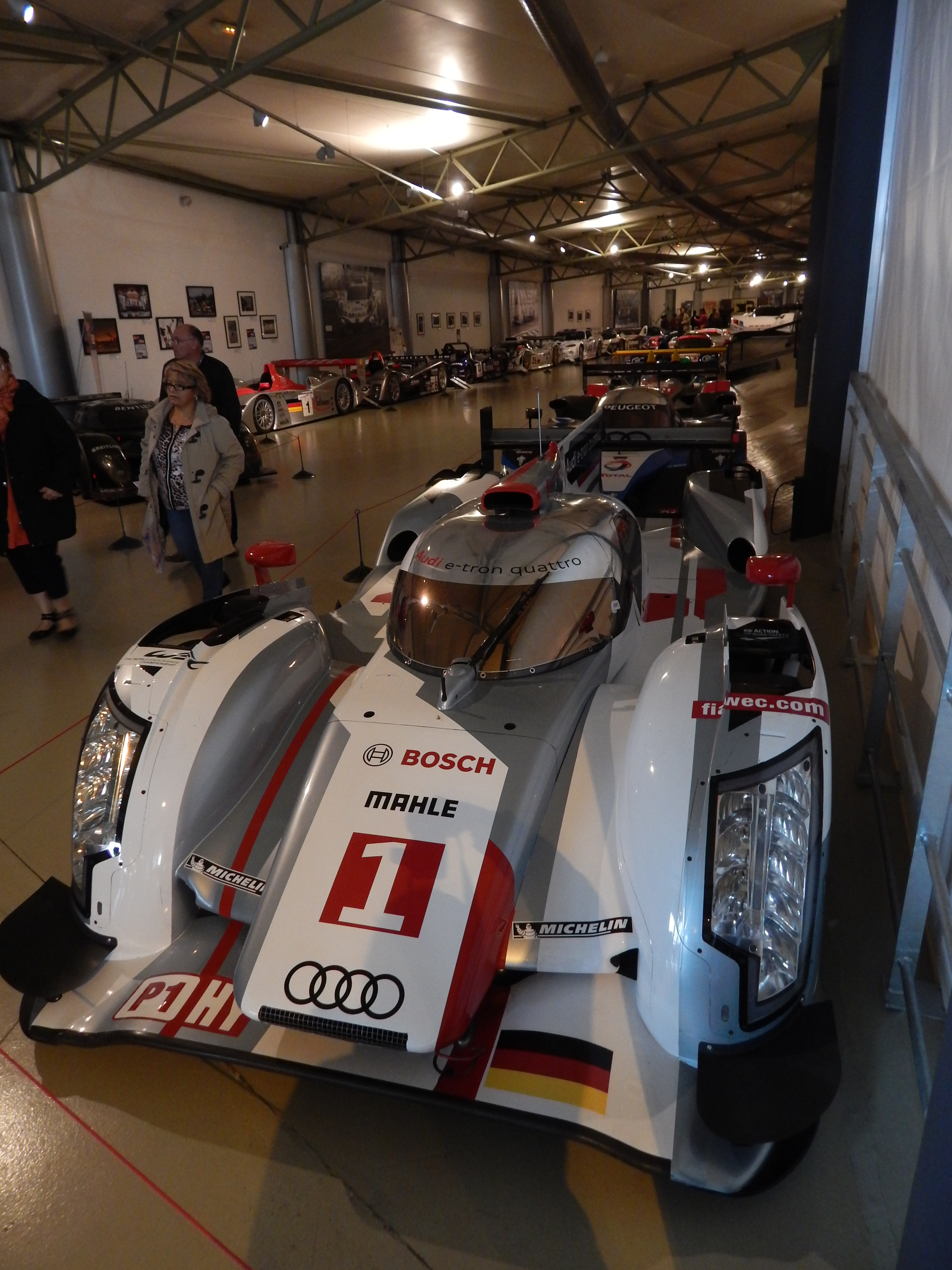
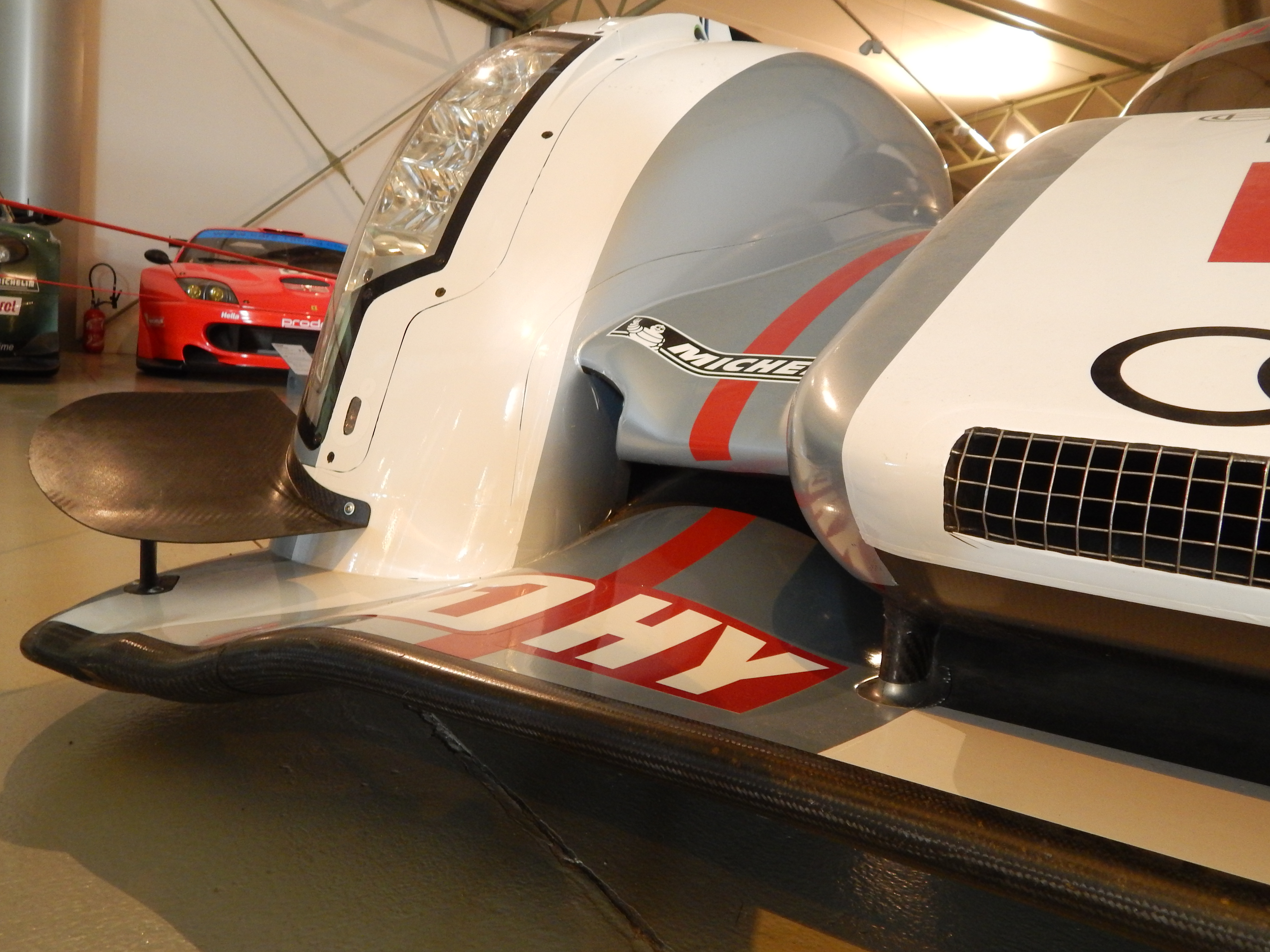
In 1998 I was in Tours at the western end of the Loire Valley on the third weekend in June.  Serious racing fans will know what happens that weekend every year — The 24 Hours of Le Mans.  I was so caught up in art, chateaux, and World Cup Soccer that I didn’t realize until Monday morning that I had been that close (50 miles) to the race.  I came to Le Mans this year to visit the museum at the race track.  Here’s a few picture of the collection there.

IMAG0913 DSCN1159

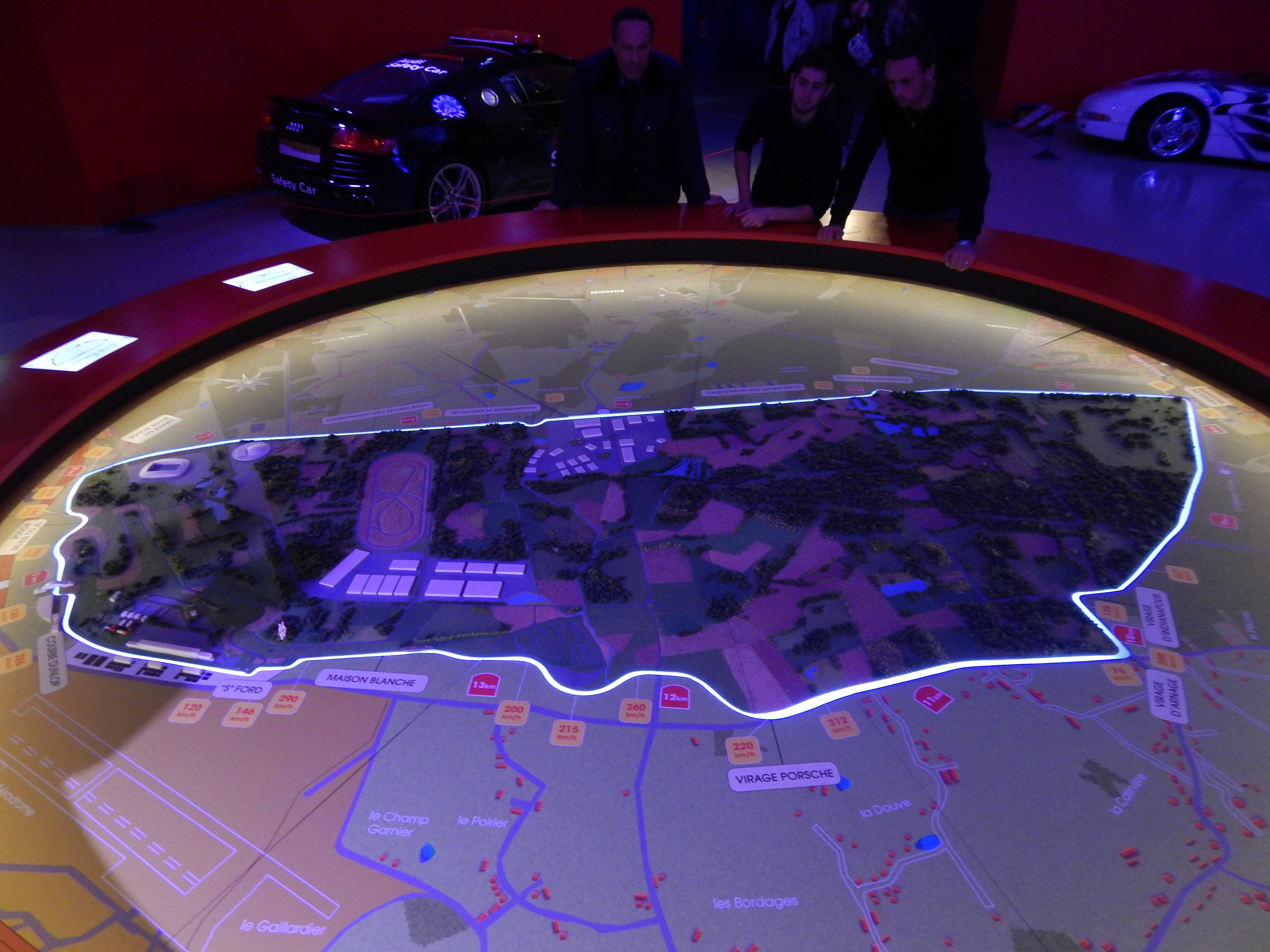
Overview of the 8 1/2 mile Circuit de la Sarthe

Overview of the 8 1/2 mile Circuit de la Sarthe

DSCN1185 DSCN1184

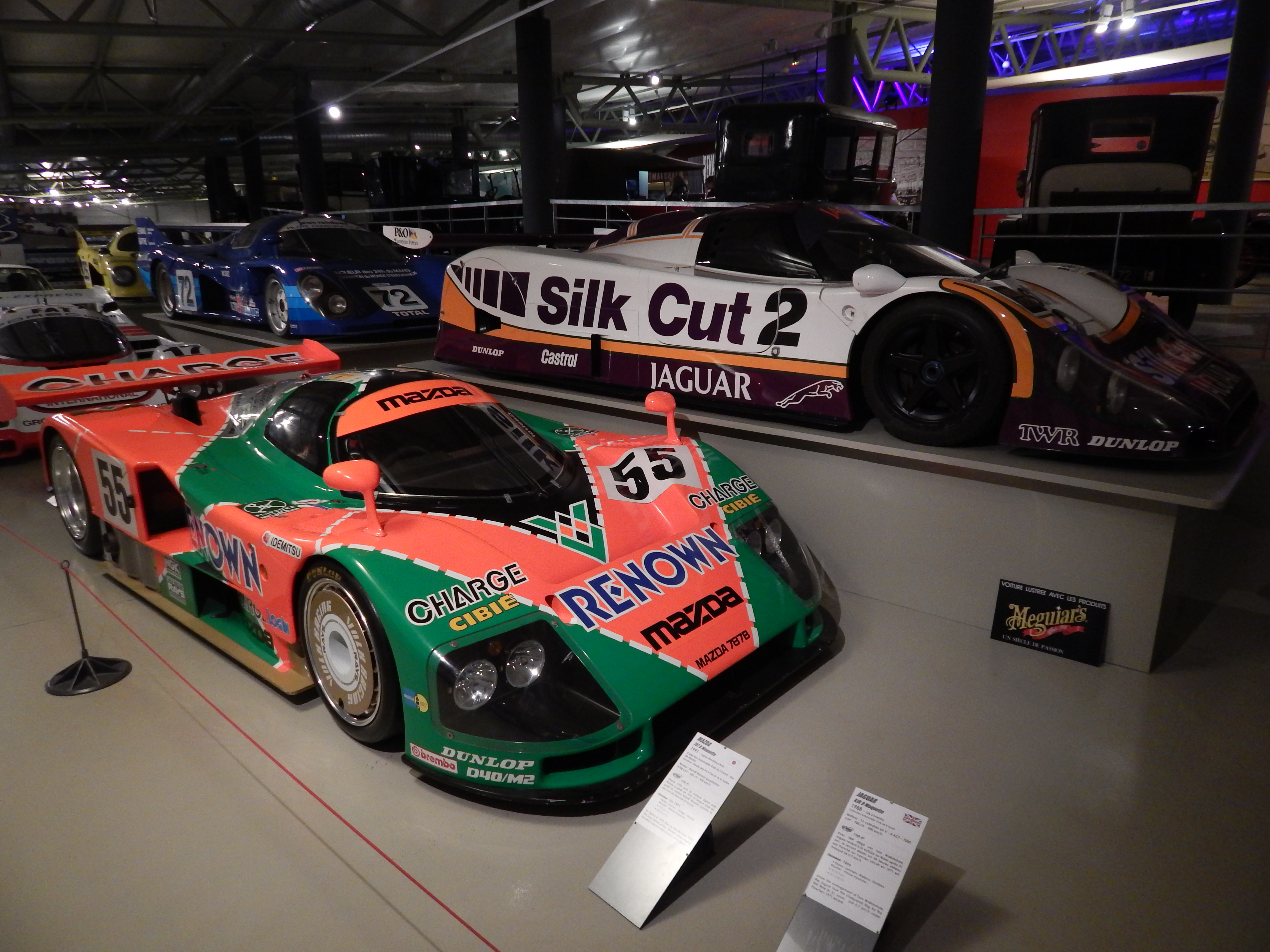
Mazda 787B in front.  Jaguar XJR behind -- holds the record for highest speed recorded on Mulsanne Straight at 390 kph (241 mph)

Mazda 787B in front. Jaguar XJR behind — holds the record for highest speed recorded on Mulsanne Straight at 390 kph (241 mph)

DSCN1196 DSCN1220

Bentlyspeed

Bentlyspeed

DSCN1219

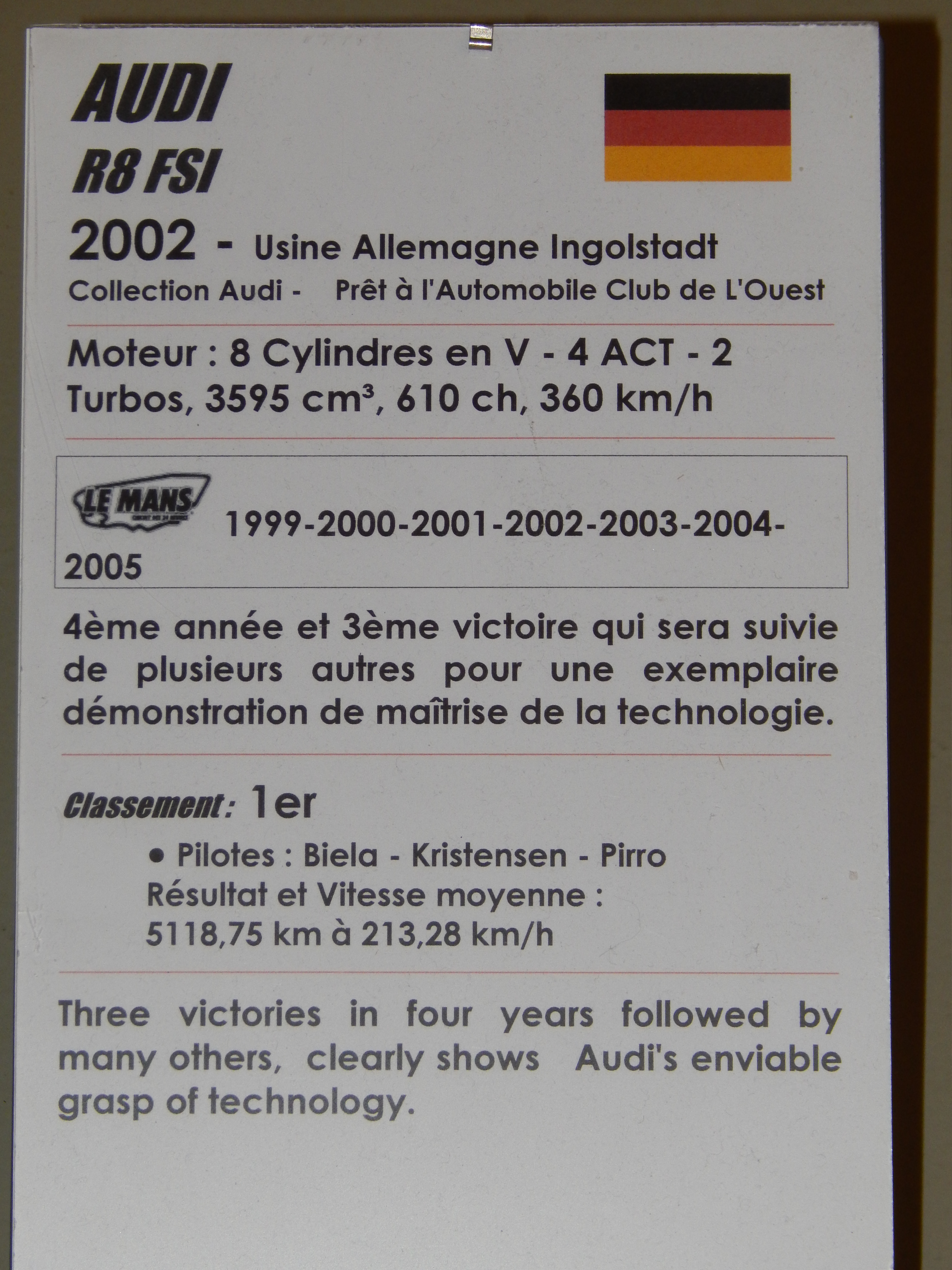
Audi R8, three times winner.  The first of the all conquering Audi machines

Audi R8, three times winner. The first of the all conquering Audi machines

DSCN1205

2012 winning Audi

2012 winning Audi

DSCN1150 DSCN1227

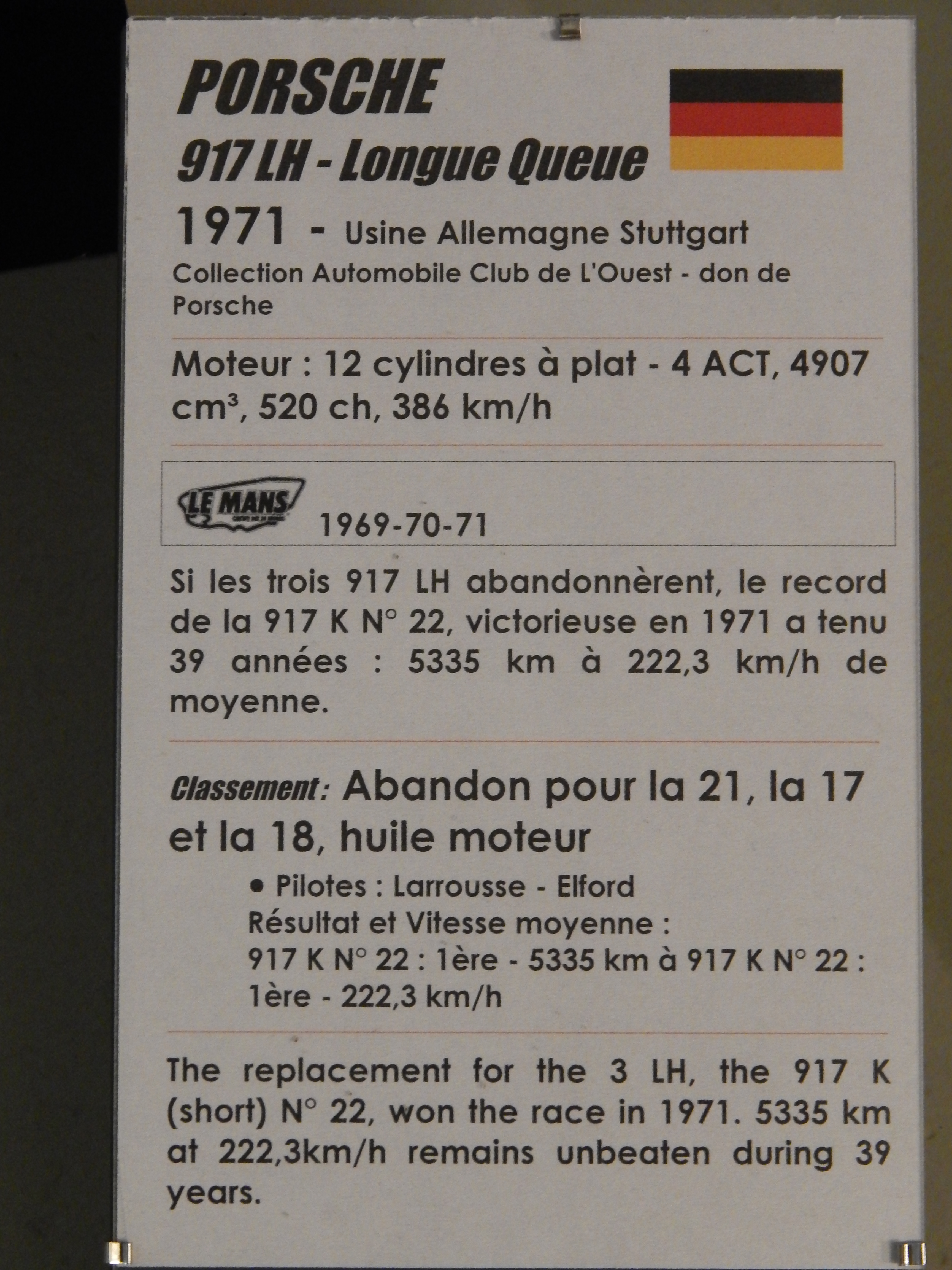
Porsche 917K

Porsche 917K

DSCN1149 DSCN1218


Trainspotting

03 Sunday Nov 2013

Posted by savagemythology in Uncategorized

≈ 1 Comment

Tags

Le Mans, TGV, travel

DSCN1141

DSCN1290

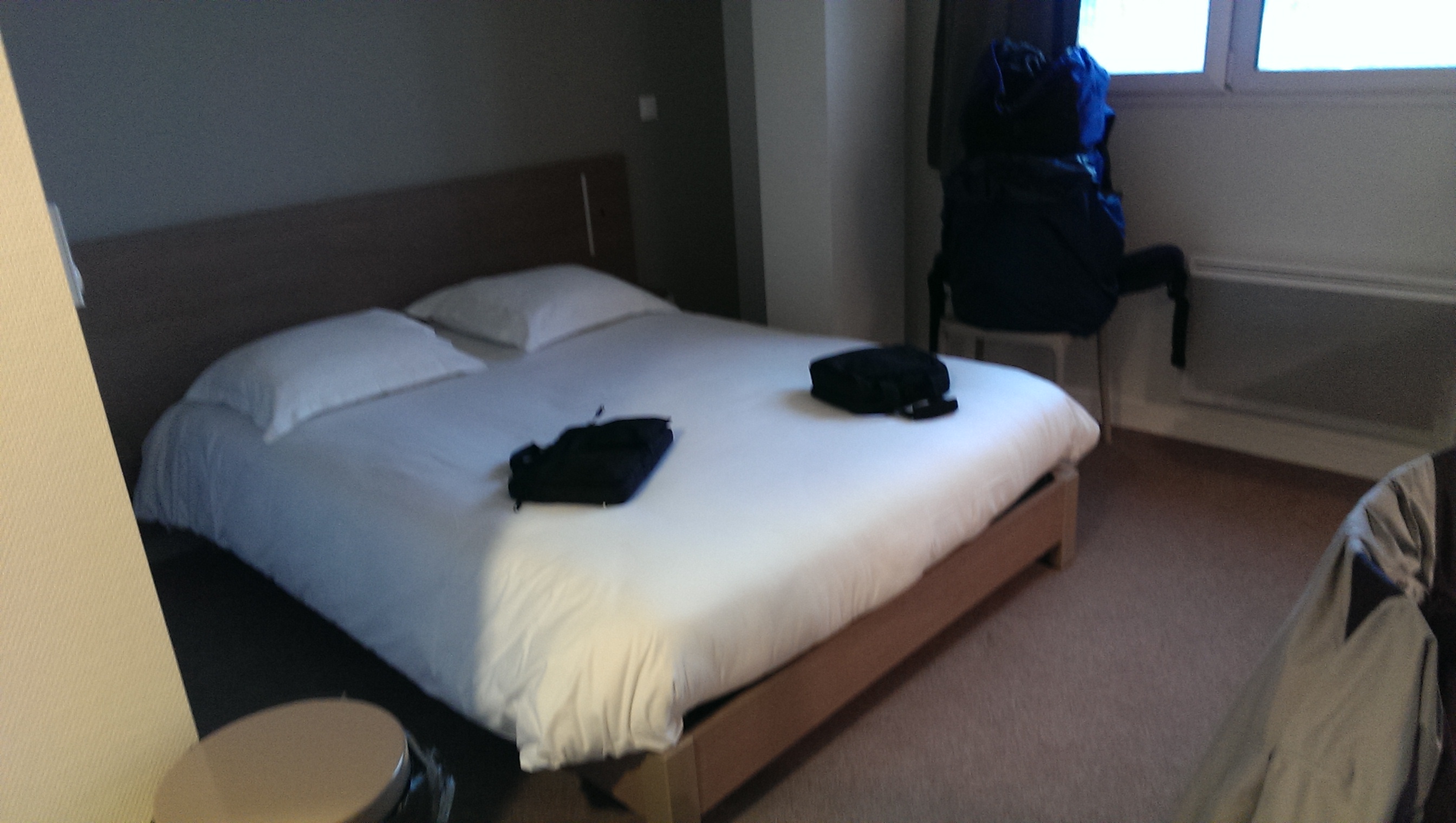
My room at Appart'City Le Mans

My room at Appart’City Le Mans

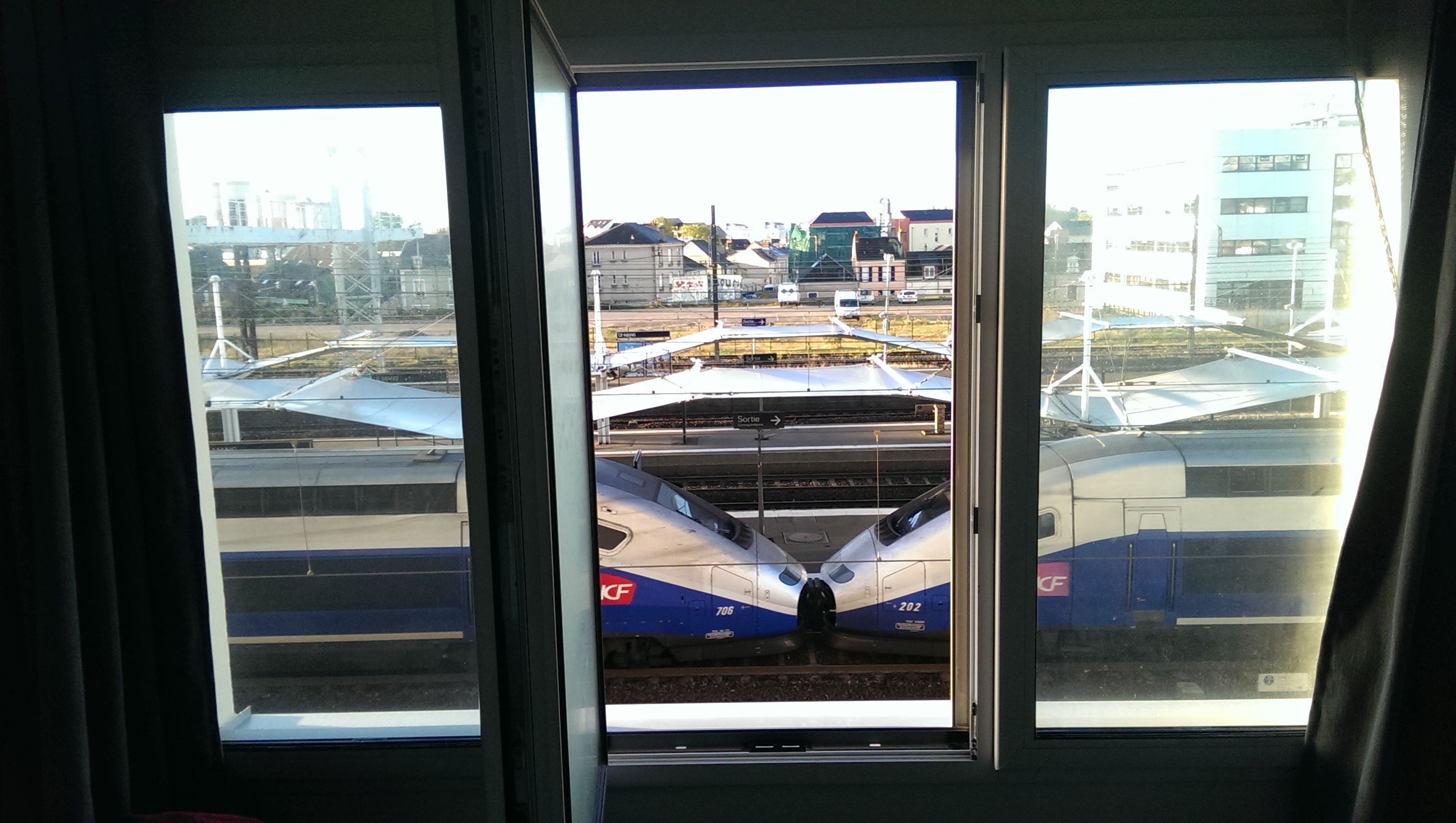
My view the last few days

My view the last few days

On the train from Bayeux to Le Mans

On the train from Bayeux to Le Mans

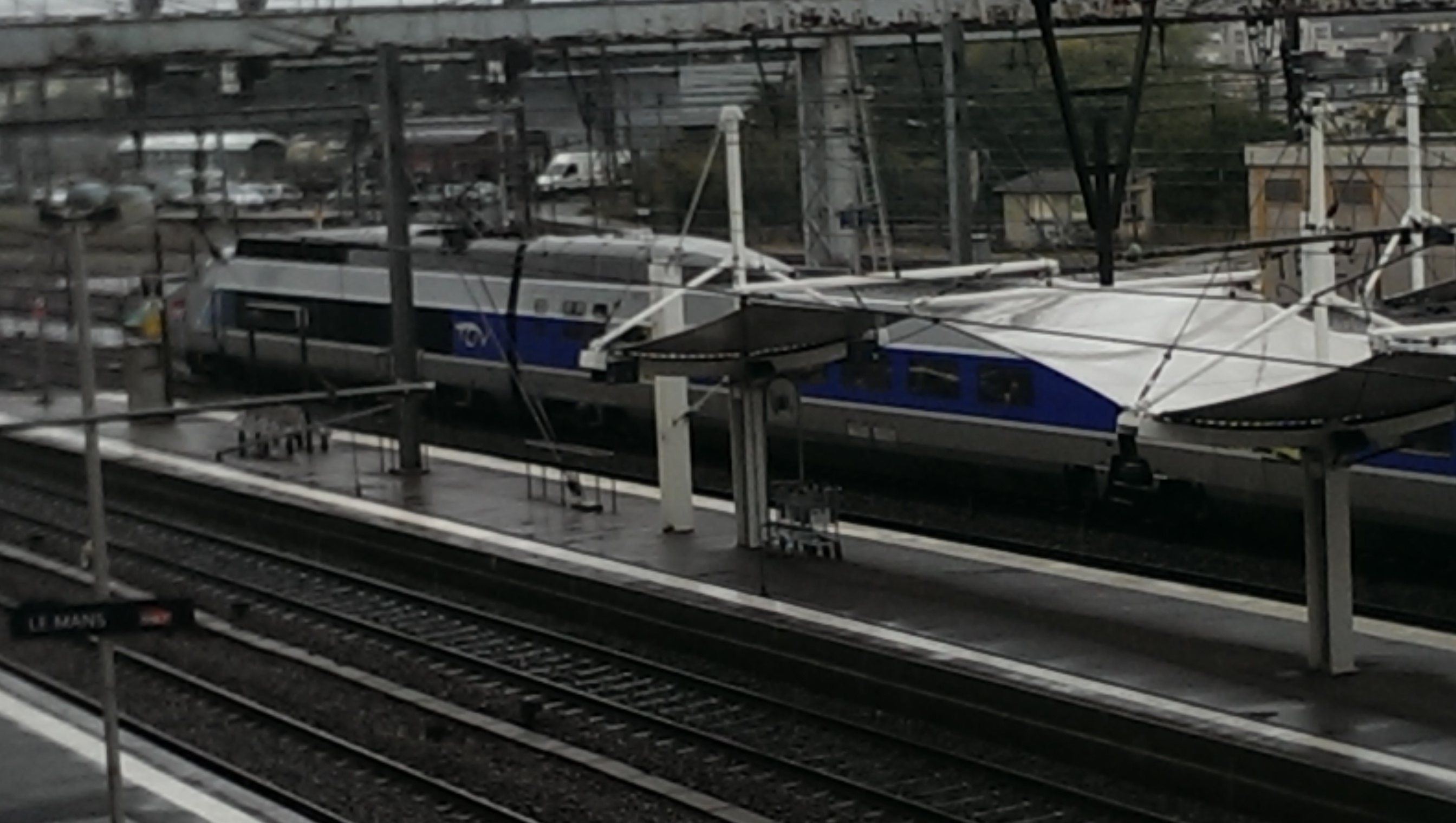
The diesel TER Intercite that brought me on a Ligne Secondaire from Bayeux

The diesel TER Intercite that brought me on a Ligne Secondaire from Bayeux

IMAG0904 DSCN1289

DSCN1292

DSCN1292

DSCN1295

DSCN1295

Platforms at night

Platforms at night

IMAG0906

D-Day + 25,349

02 Saturday Nov 2013

Posted by savagemythology in Uncategorized

≈ 3 Comments

Tags

Arromanches, Bayeux, France, Gold Beach, Normandy, Omaha Beach

Stones and sand I collected at Omaha Beach

Stones and sand I collected at Omaha Beach

1 November, 2013

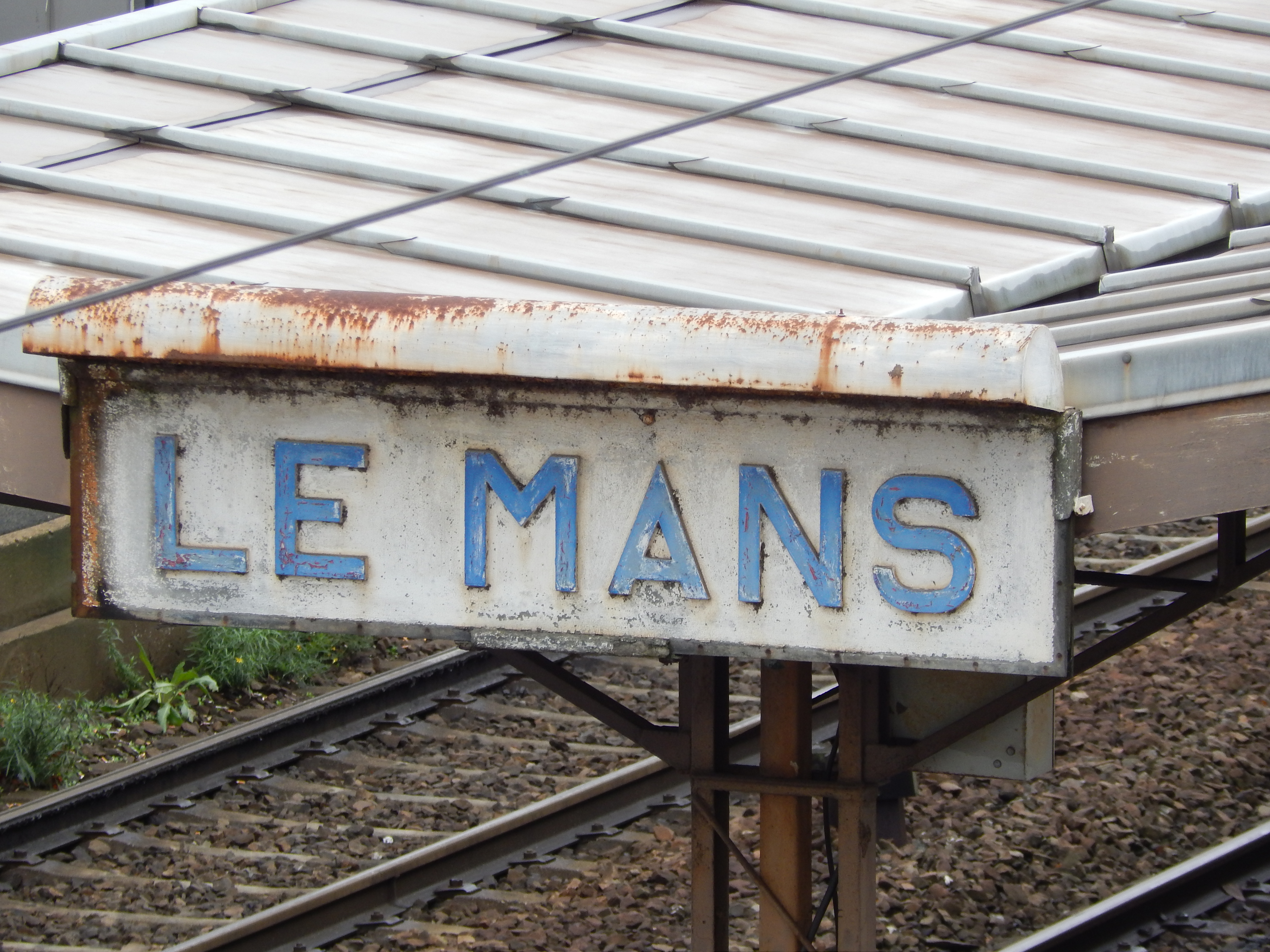
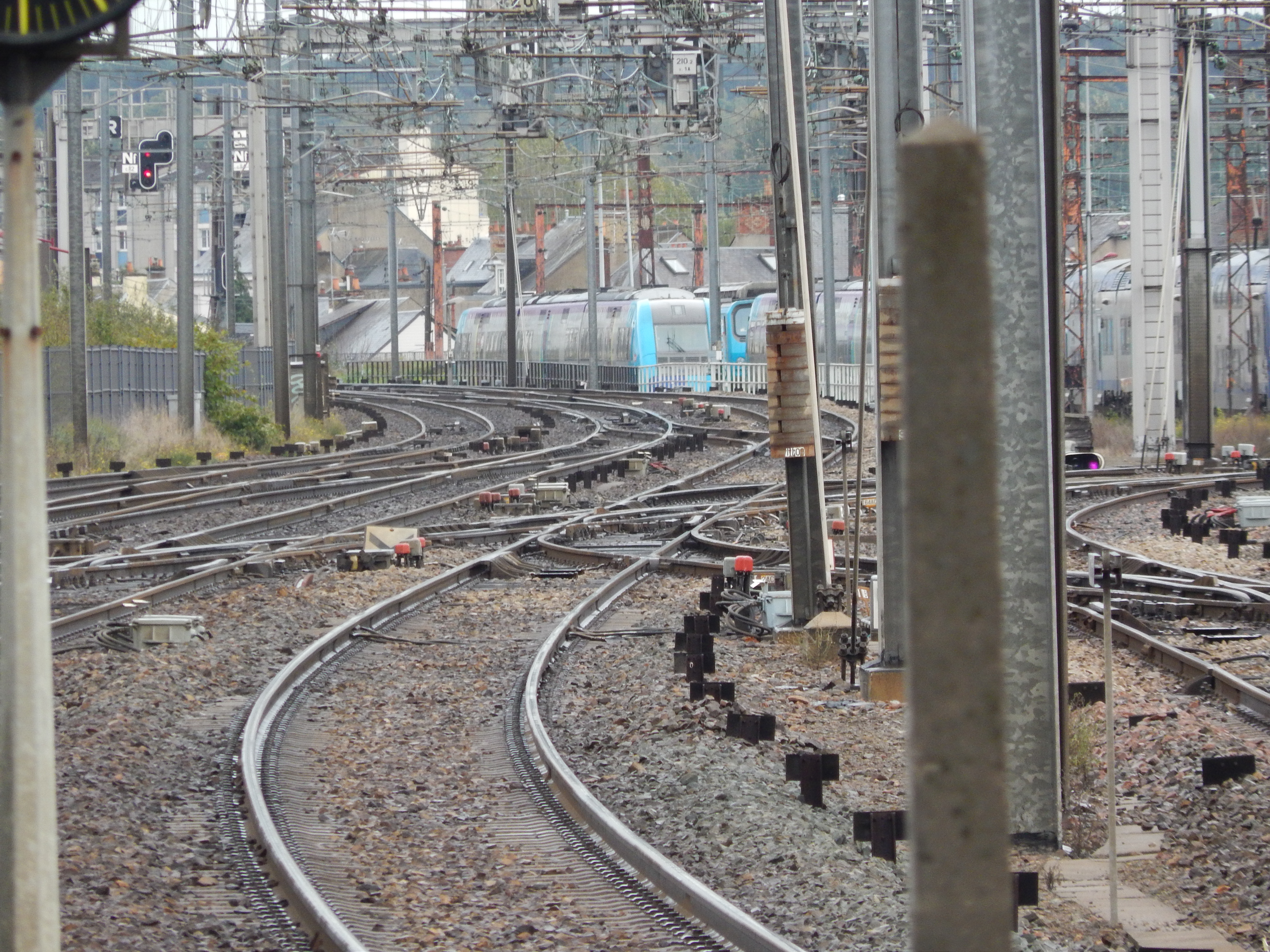
All Saints Day finds me writing in Le Mans, France. I took a train today from Bayeux via Caen. I have a very nice room next to the station with a view overlooking the platforms. There will be some train spotting, as this is a Grande Ligne with TGV service. Already I have seen a parade of TGV Reseau double headed (two sets coupled in tandem), a TGV Duplex double level, and many TER regional and intercity trains. It’s been raining all afternoon, so I have taken time to nap and have been planning out the remaining two weeks of this grand journey. From here I travel to Chartres on Sunday afternoon. I plan to return to the beautiful Cathedral where I had a very moving experience when I visited and walked the labyrinth in 1998. From there I will head to Paris. Not sure how long I will stay there. Eurostar is most affordable on Tuesdays, so it may be for a week. I have been entertaining the idea of perhaps checking out Brussles for a day next weekend.

I digress, however. The freedom that I am enjoying today in France all stems from one decisive and horrific morning on the beaches of Normandy in June of 1944. Yesterday I visited several sites of the invasion with Victory Tours. This is a “one man, one van” company that I highly recommend if you find yourself in Bayeux wanting to visit the invasion sites. We covered nearly 60 miles of the Normandy coast, from Arromanches to Pointe du Hoc. It is impossible in eight hours to truly get an idea of the scale of events that day, and that summer nearly 70 years ago. I find it almost as difficult to put the experience to words tonight.

Leaving Bayeux, the first stop was at Arromanches. Just west of Gold Beach, this was the site of the artificial Mulberry Harbor for the British sector. There are still Phoenix breakwaters outlining the harbor, and several pontoons from the floating piers that are washed up on the beach in a line at the access road.

Phoenix breakwaters

Phoenix breakwaters

Pontoons

Pontoons

Access road with US Anti Aircraft gun and one section of floating roadway

Access road with US Anti Aircraft gun and one section of floating roadway

M4A1 Sherman tank

M4A1 Sherman tank

Seven seen at Arromanches

Seven seen at Arromanches

Leaving Arromanches, we stopped at a bunker complex that was operational on D-Day. The cannons are still there in two of the bunkers. The third took a direct hit to the ammunition magazine, and sustained heavy damage. At the end of the day we visited Pointe du Hoc. A gun emplacement that never actually had any guns. Here the Rangers scaled 100 foot high cliffs sustaining heavy losses to capture a point that had been continually bombed for a month prior to the invasion. The German forces had largely abandoned the position, but it was still defended by infantry. The site is preserved today with bunkers that were never finished, and a landscape still scarred with bomb craters.

DSCN1050 DSCN1048 DSCN1056 DSCN1065 DSCN1066

DSCN1126 DSCN1113 DSCN1117 DSCN1124

After a brief stop for lunch at a small park on one of the access roads, we visited Omaha Beach. Bloody Omaha, as it is called, for that morning the sea was red with the blood of fallen soldiers, and every year in June the sands run red again. The beach remembers the thousands of Americans who died there. The pictures cannot capture the feeling that is there. The sands are sacred. There remains little evidence of what transpired that morning. As I stood on the sand, I tried to imagine the events of June 6, 1944. Explosions, gunfire, screaming of the wounded, smoke and the smell of death in the air, the chaos of war. I could not. The actualities of that day defy my imagination. Before me lay five miles of sparsely populated sands between the bluffs and the sea. This is not a beach for recreation. This is a hallowed ground. A place to remember. A place to ponder mortality. A place to give thanks for freedom. I collected a small packet of sand, and a handful of stones before we left. I cannot begin to give a history of that morning so long ago. I refer you to the pages of Wikipedia – http://en.wikipedia.org/wiki/Omaha_beach

DSCN1072 DSCN1074 DSCN1075 DSCN1076 DSCN1077

Returning to the van, we drove up the narrow access road to the top of the bluffs and the town of Colleville. Here there are 172 acres of American soil overlooking Omaha Beach where marble crosses mark the graves of 9,387 fallen Americans who never got to return home. Three hundred and seven of the crosses mark the graves of men never identified. The names of another 1,557 who were killed and never found are inscribed on a wall in a sunken garden to the east of the memorial. While the memorial and reflecting pool are on the east end of the cemetery, the names on the crosses all face west – back to the United States. I have visited Arlington in the nation’s capitol, and it is massive and staggering in the number of graves, but the experience paled in comparison to this. Row after row of names and states and dates that they lost heir lives. All in summer of 1944. There are no dates of birth or ages on the markers, but these soldiers were all 18 and 20 years old. Still boys, theirs was the ultimate sacrifice to ensure the freedom of Europe. My head spun as I walked through the grounds looking at the names and their home states. I saw several that were from Colorado. Several who died on July 4. A few who died on my birthday, July 8. The graves are random. They are not placed by name, location, state or date, but there is one day that is seen again and again: June 6, 1944.

IMAG0892 DSCN1079 DSCN1080

360 panorama -- click to embiggen

360 panorama — click to embiggen

DSCN1084

180 panorama -- click to embiggen

180 panorama — click to embiggen

DSCN1089 DSCN1091 DSCN1097

Here Rests In Honored Glory A Comrade In Arms Known But To God

Here Rests In Honored Glory A Comrade In Arms Known But To God

The day, All Hallow’s Eve, was very heavy and emotional. I had long felt a calling to visit Omaha Beach and walk on the sands, and to visit the American Cemetery. I still don’t understand what it was about, but I can say with some certainty that between the time I first set foot on Omaha and when I left the Cemetery something in my soul shifted. I left Bayeux a changed man. Perhaps in time I will understand, but maybe not. I don’t think it’s important that I do. It’s just important that I was there.

DSCN1095

Bon nuit.

Newer posts →

Subscribe

  • Entries (RSS)
  • Comments (RSS)

Archives

  • April 2016
  • March 2016
  • March 2015
  • February 2015
  • April 2014
  • March 2014
  • November 2013
  • October 2013
  • September 2013

Categories

  • Uncategorized

Meta

  • Create account
  • Log in

Blog at WordPress.com.

  • Subscribe Subscribed
    • savagemythology
    • Join 37 other subscribers
    • Already have a WordPress.com account? Log in now.
    • savagemythology
    • Subscribe Subscribed
    • Sign up
    • Log in
    • Report this content
    • View site in Reader
    • Manage subscriptions
    • Collapse this bar
 

Loading Comments...